Written Content
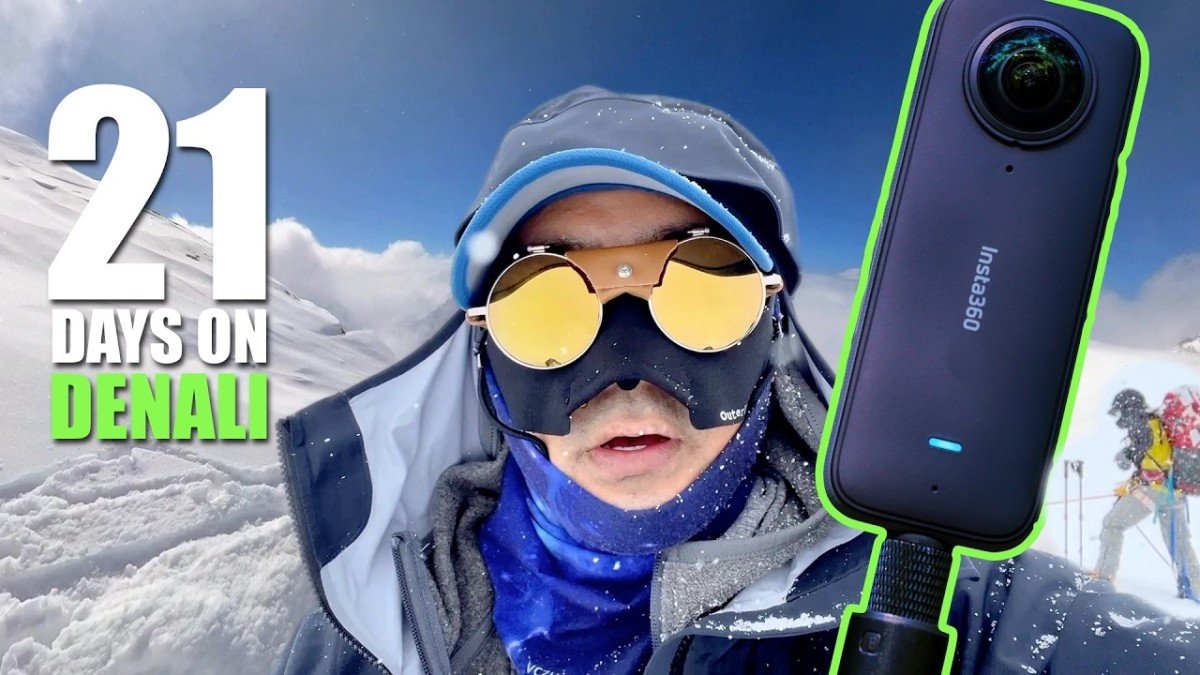
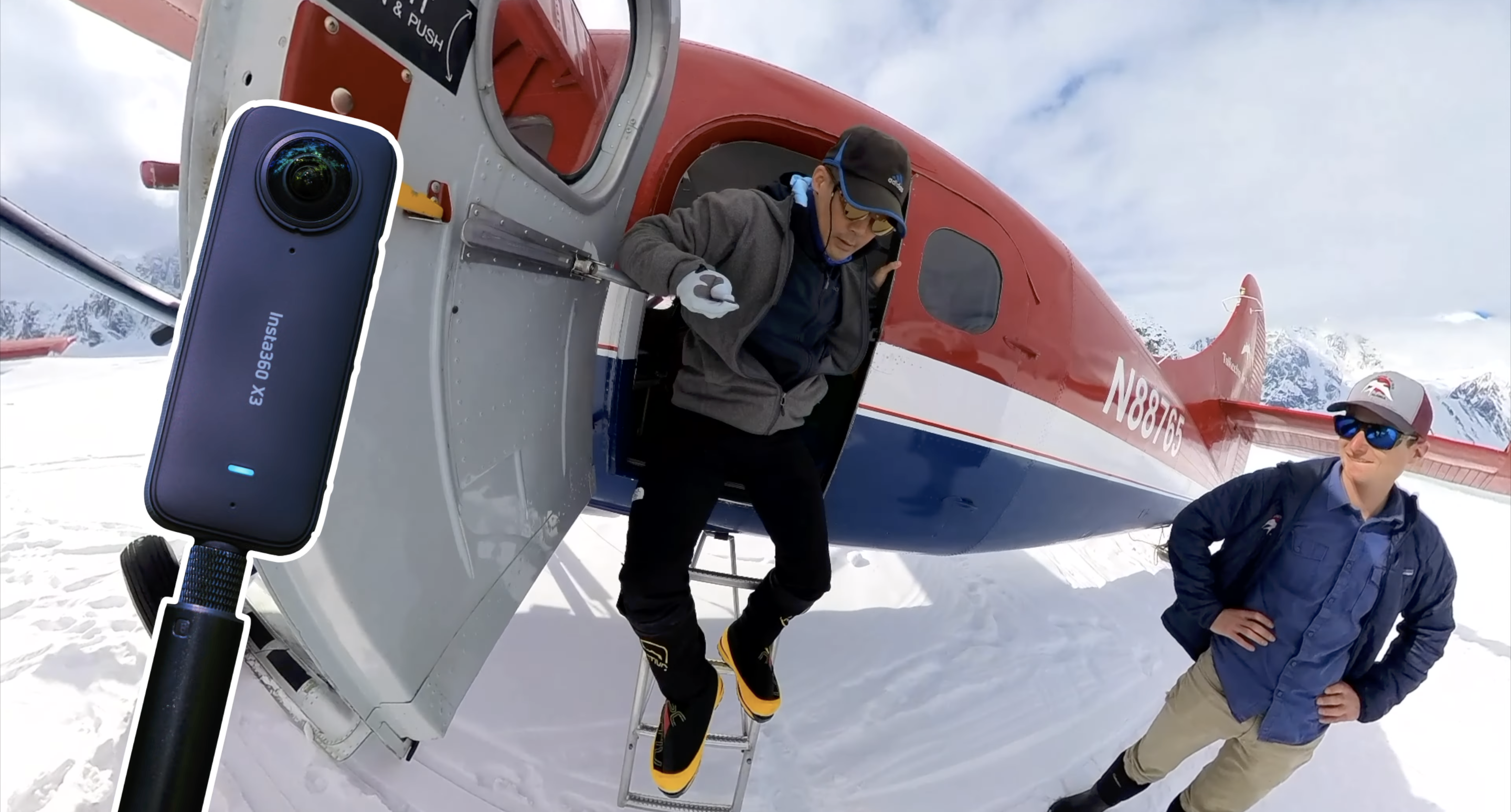
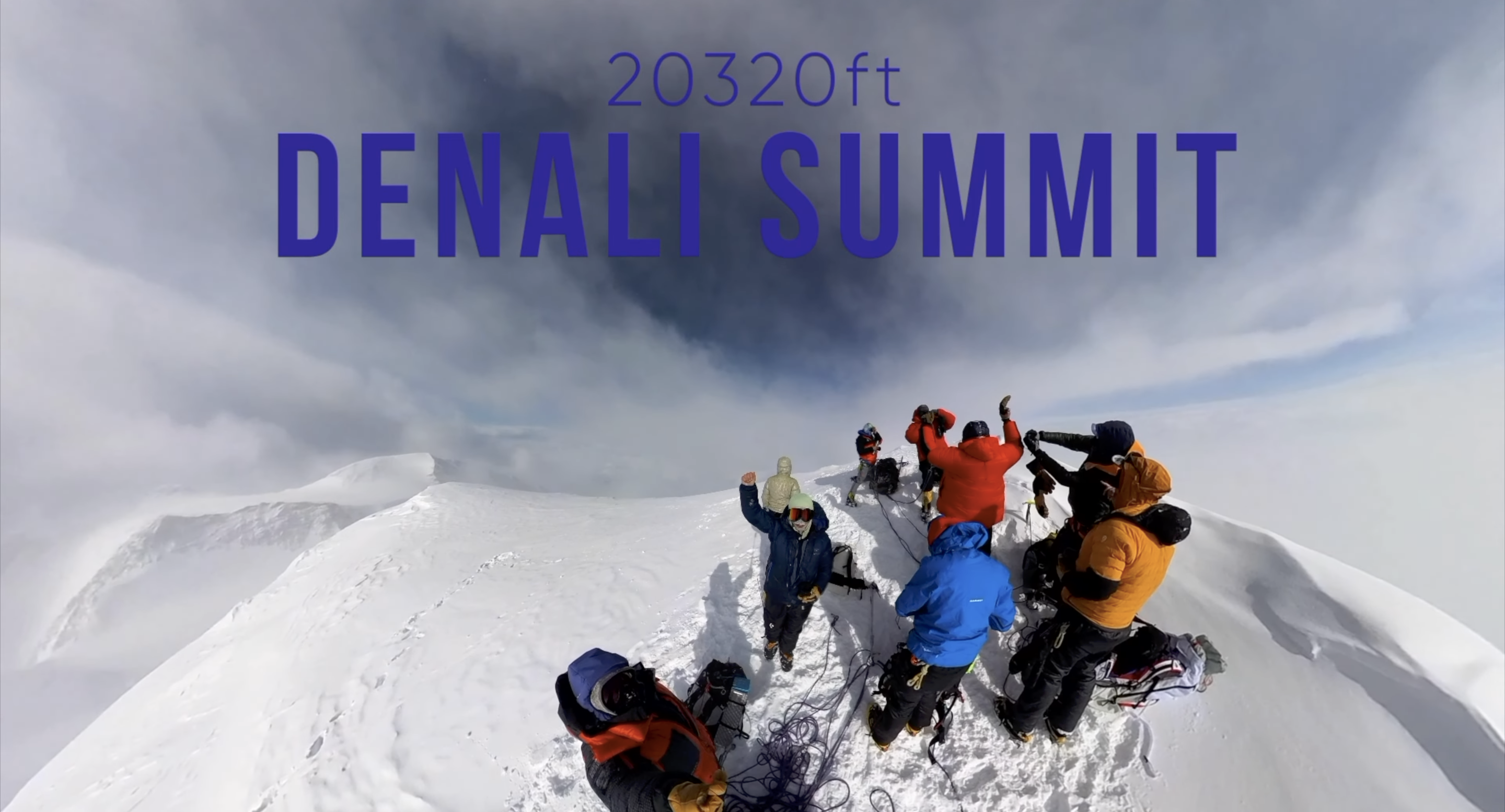
For years, Jimmy had an Insta360 X3 sitting unused. His reasons for letting it collect dust were straightforward: compared to a GOPro, 360 cameras seemed gimmicky, cumbersome, and fragile, plus the editing workflow seemed like it would be a burden not worth taking on. When his brother called to say he was attempting to summit Denali, Jimmy knew this was an opportunity to put this particular 360 camera to the test.
- The camera we used to film this video with: https://bit.ly/3Polfey
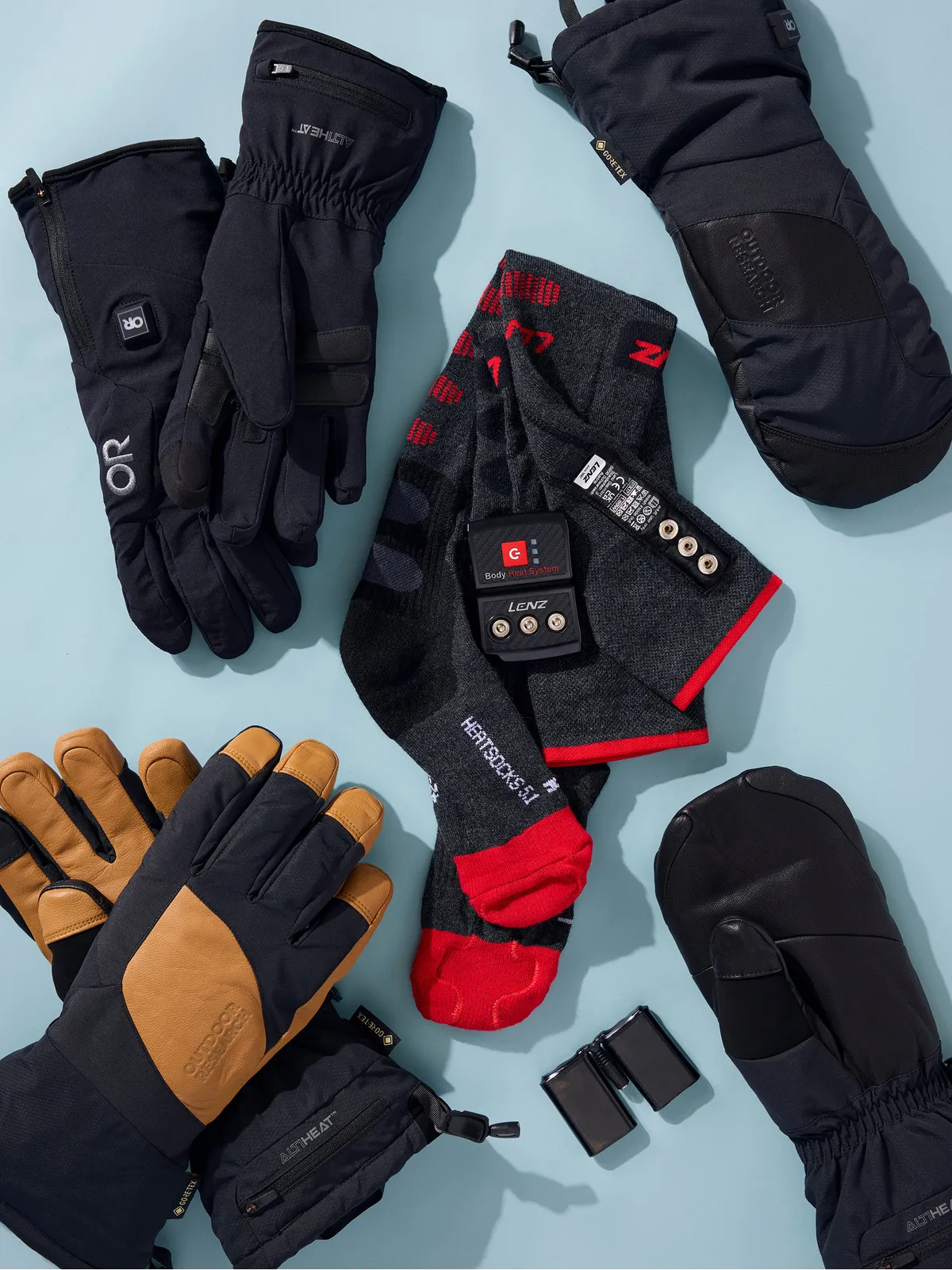
- Safety gear we wear: https://bit.ly/3Qj4xwB
The Expedition
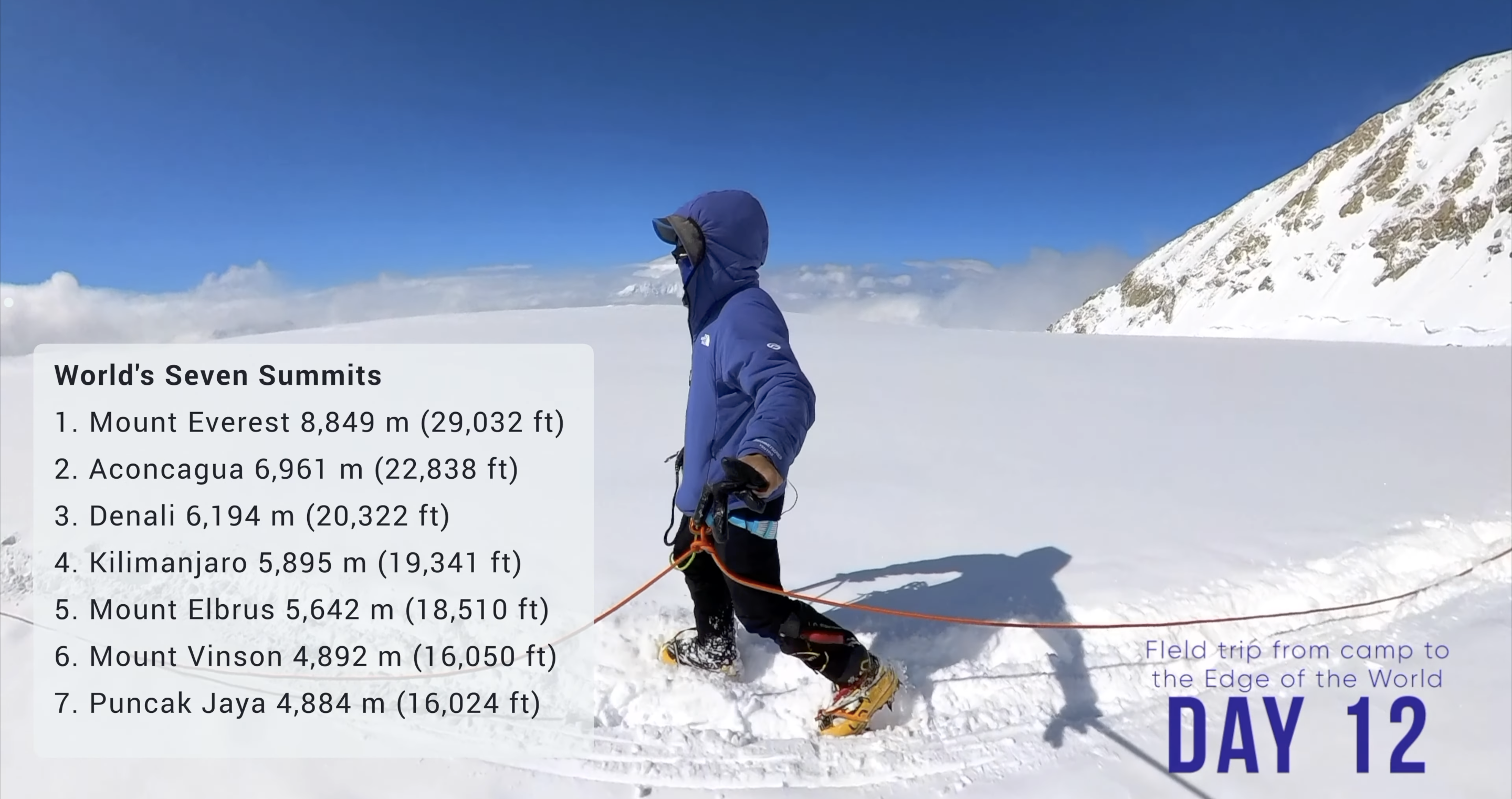
Being North America's tallest mountain, climbing Denali is a multi-week expedition requiring careful management of every pound of gear carried, because everything on your back has to justify its weight against the reality of staying alive and climbing at altitude. Jimmy's brother took the Insta360 X3, shot the footage himself over three weeks of climbing and acclimatizing, then edited it himself after returning. The result is what changed Jimmy's perspective on the entire camera category.
Why 360 Makes Sense on a Mountain
The practical case for a 360 camera in a high-stakes environment is more compelling than it sounds on paper. When you are traversing a dangerous section of mountain, the last thing you want to be thinking about is camera angles. The Insta360 X3 captures everything around you simultaneously, which means the camera requires zero active attention during the moments that demand your full focus. There is no checking that the lens is pointed correctly, no missed shot because you were looking the other way. You clip it to your gear and climb.
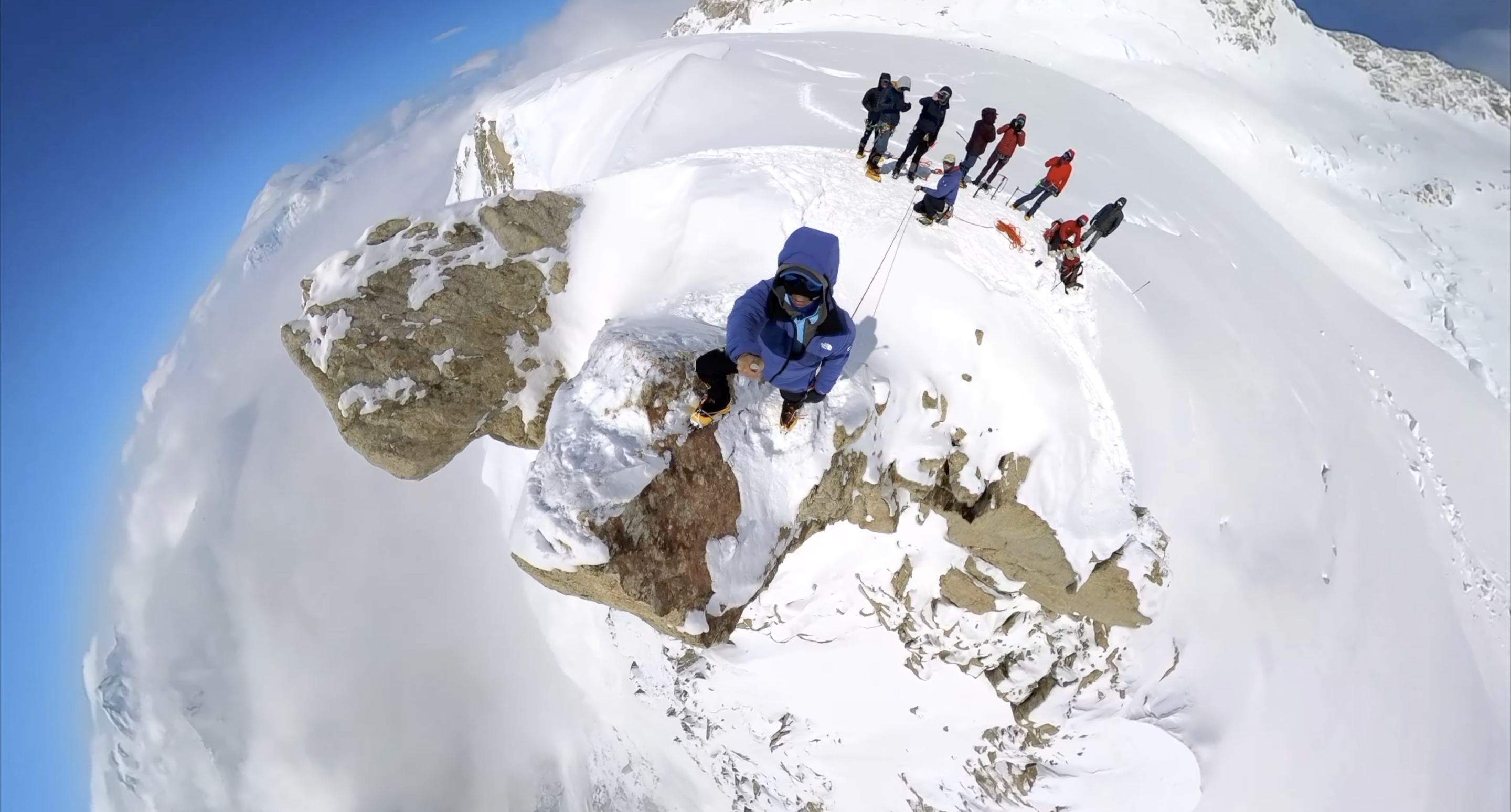
The disappearing selfie stick feature adds to this in a meaningful way. By algorithmically removing the stick from the footage in post, the camera creates the visual effect of a drone following the subject through the terrain. On a solo or small-team adventure where there is no dedicated camera operator, this produces footage that looks professionally shot without requiring an extra person on the rope team.
What the Footage Actually Looks Like
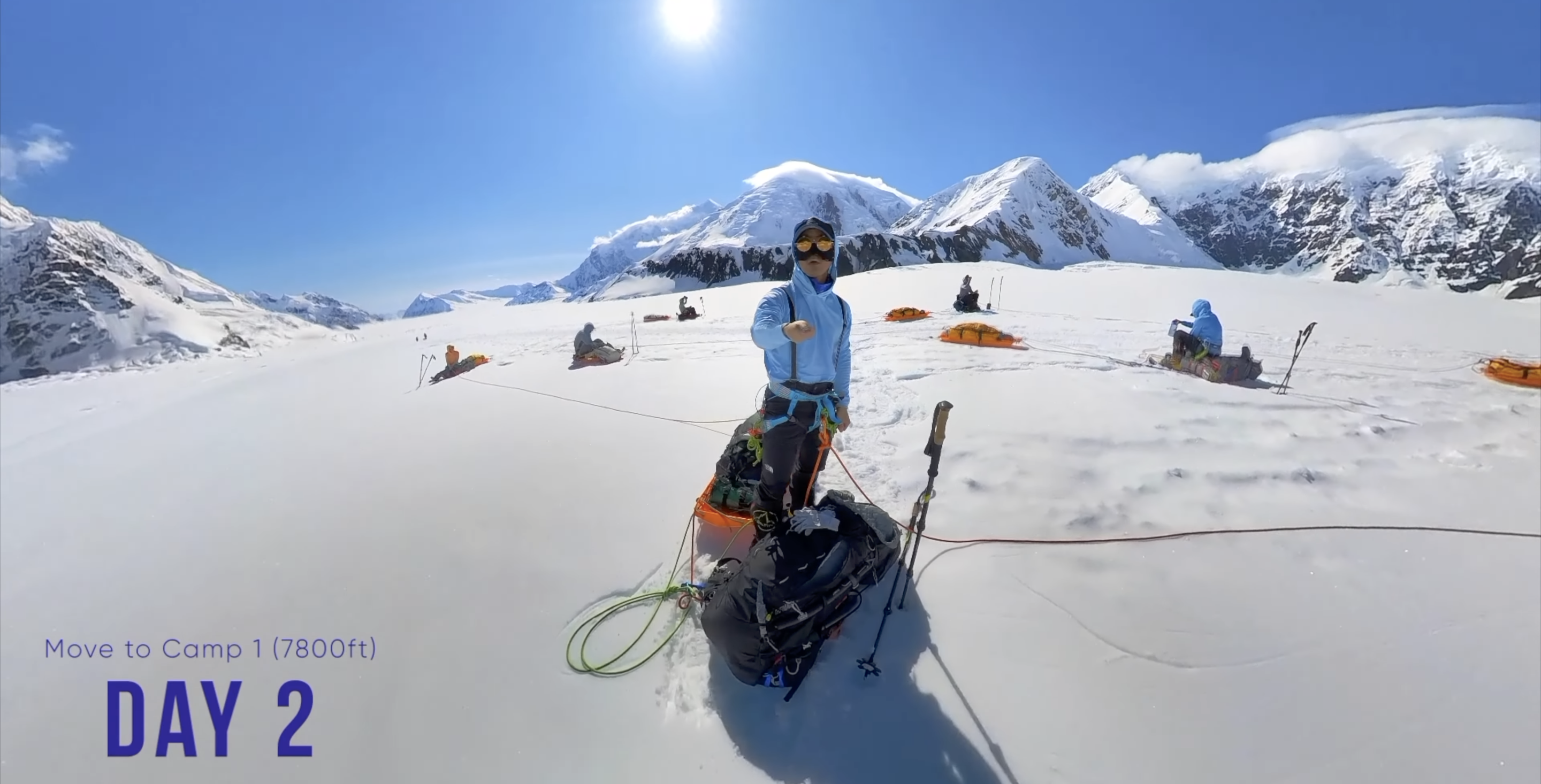
Jimmy anticipated that image quality would be a comprise, a kind of trade-off to accept in exchange for the format's flexibility. However, the sharpness and clarity of the X3 footage both suprised him and held up in a way he did not expect from a 360 camera, particularly given the extreme conditions it was operating in.
The reframing capability in post production is where the format genuinely earns its keep for content creators. A single piece of 360 footage can be output as a standard 16x9 video for YouTube, reformatted vertically for Shorts, Reels, and TikTok, or rendered as immersive VR content. That is four usable formats from one recording pass, which changes the math on whether the editing overhead is worth it.
On the Editing Question
This was Jimmy's primary objection to 360 cameras before this experience, and this very real overhead is worth addressing honestly. Processing and reframing 360 footage does take time, and it took his brother, working as a first-time editor of this format, a real effort to sift through and reframe the material. Jimmy's conclusion is not that the editing is easy, but that for an experience worth documenting thoroughly, it is worth it. Being immersed in 360 footage while editing also turned out to be its own reward, reliving the expedition from inside it rather than watching it at a distance.
For a routine outing, the answer is probably still a phone or an action camera. But for a once-in-a-lifetime experience where you want footage that actually captures what it felt like to be there, the investment clears.
The Freshly Charged Verdict
The Insta360 X3 does not make the case for replacing every camera you own, but it does fill a specific gap that conventional action cameras cannot: hands-free, all-direction capture in situations where attention cannot be spared for camera operation, combined with the post-production flexibility to turn that footage into whatever format the moment deserves. With the camera rolling the entire time, pointed in every direction at once, Jimmy's brother successfully summited Denali after multiple weather-forced turnarounds. That is exactly the use case the Insta360 X3 was built for, and the footage proves it delivered.
- The camera we used to film this video with: https://bit.ly/3Polfey
- Safety gear we wear: https://bit.ly/3Qj4xwB
No comments yet…