-large.jpg)
Video Content



Written Content
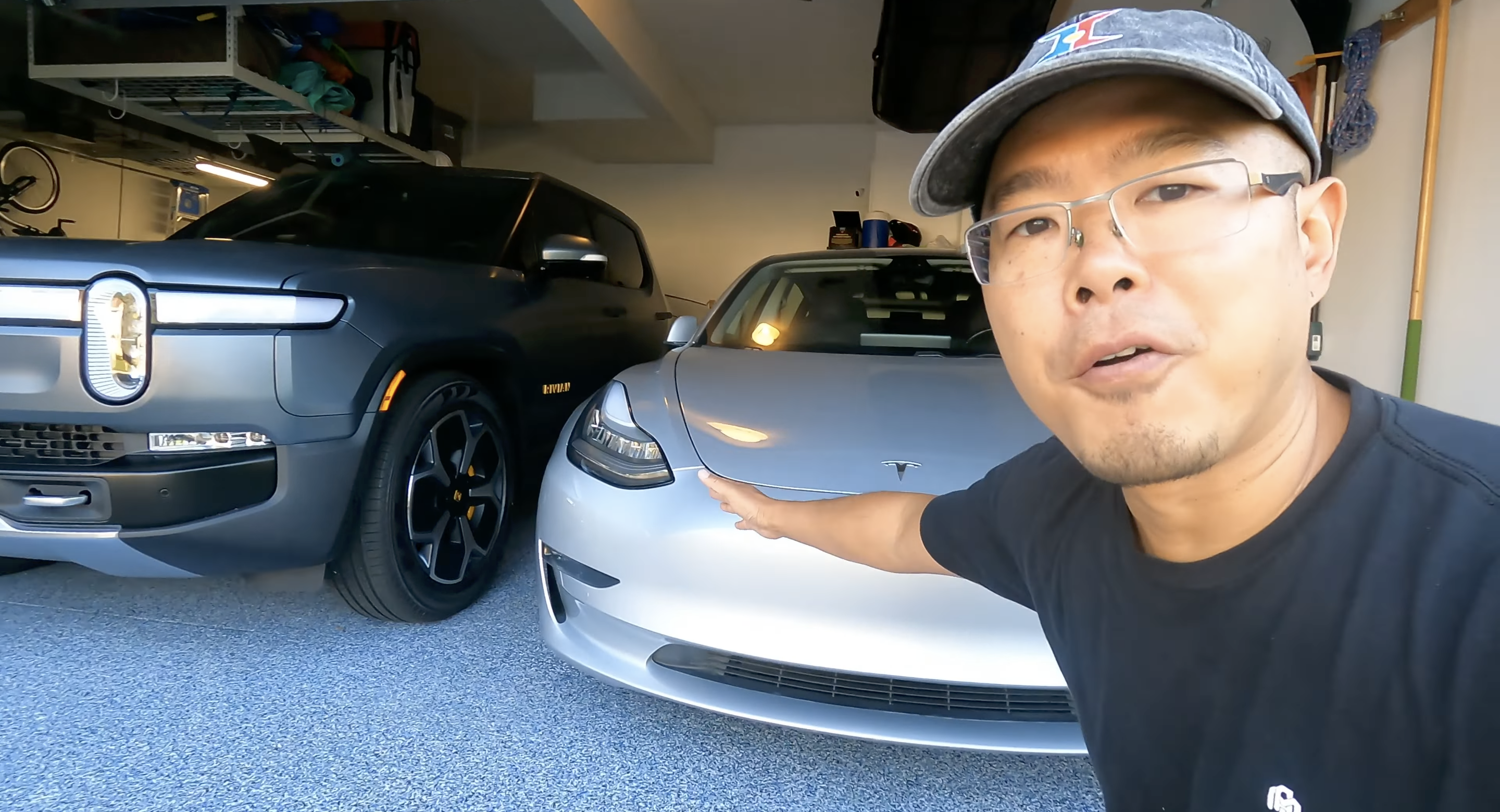
When Jimmy picked up his Rivian R1T, the plan was to never say goodbye to the Tesla. The Model 3, a day one reservation the family had driven reliably for four years, was supposed to sit alongside the new truck as a second electric vehicle in a garage already full of electric scooters, OneWheels, unicycles, and bikes. Two EVs, both fun, both paid off, both gas free. It made sense on paper, but Jimmy's decision to sell anyway says as much about where the electric car market stands as it does about his own driveway.
A Market Suddenly Working in Sellers' Favor
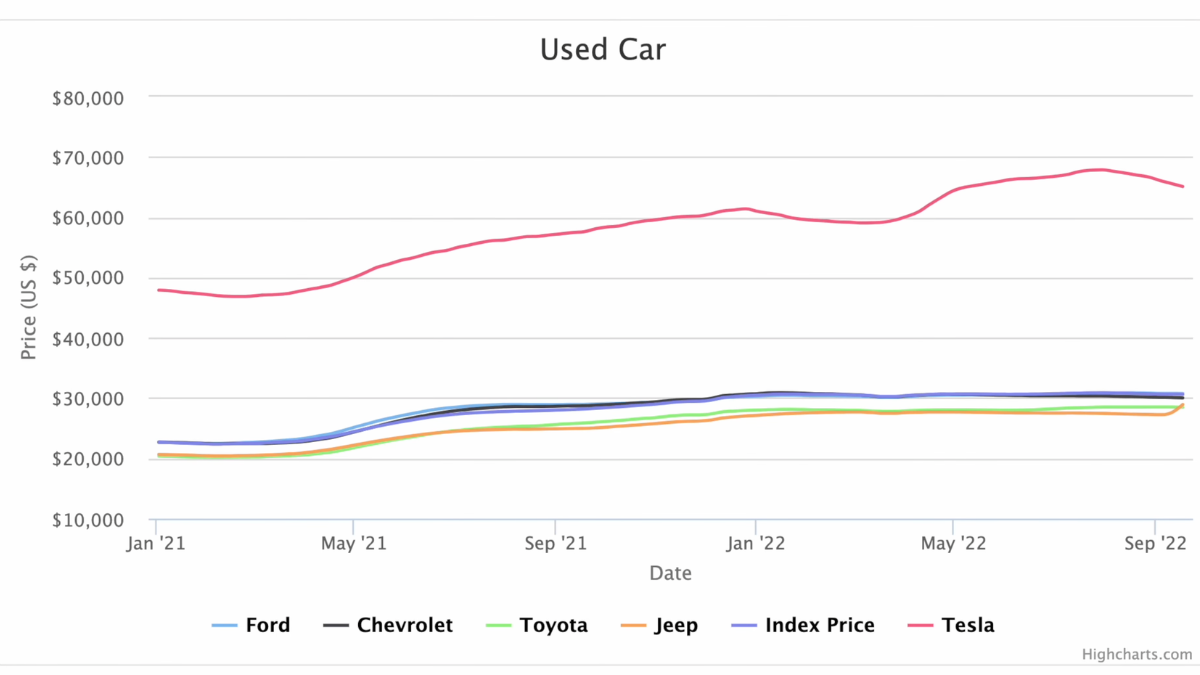
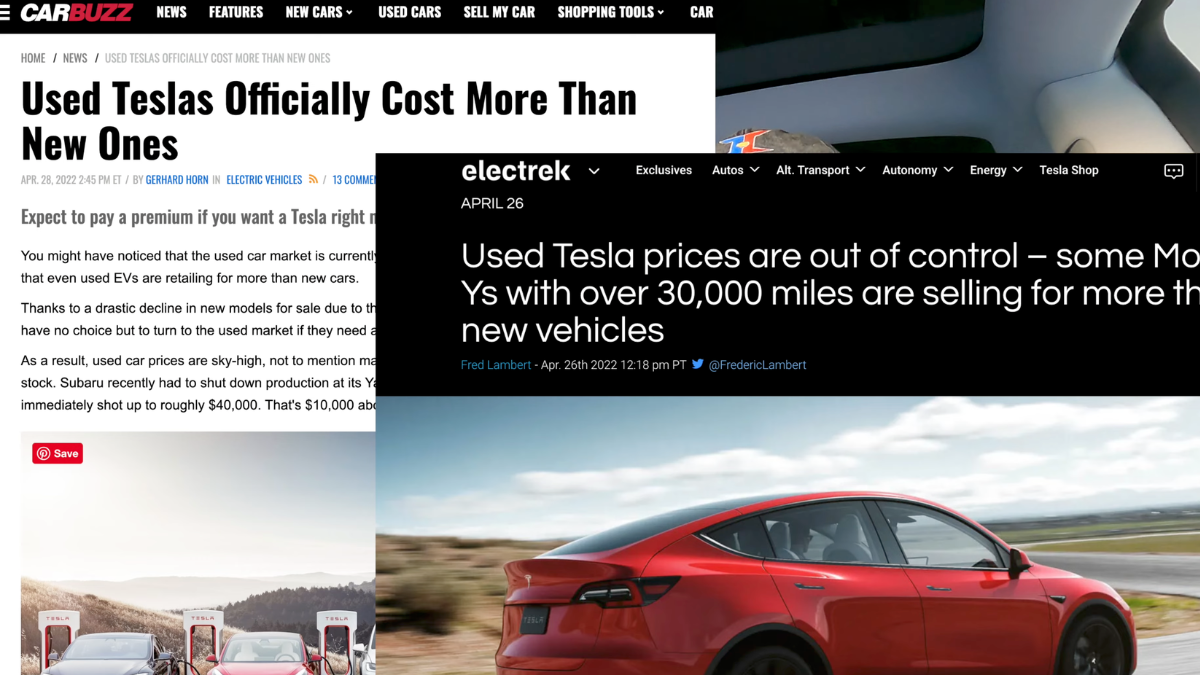
Jimmy framed the sale against a used car market he described as genuinely strange. Used electric vehicles were overvalued, and he pointed to two forces driving it. New long range Tesla Model 3 inventory had tightened so much that a buyer ordering one in 2022 would be waiting into 2023 to receive delivery, pushing demand onto the used market instead. At the same time, gas prices, while easing off their highs, were still expensive enough to keep pulling buyers toward anything electric. Put those two together and Jimmy's read was simple: low supply of new EVs plus high gas prices equals strong demand for used ones, and that combination was inflating resale values on cars like his Model 3 well beyond what he expected to see.
The Four Car Problem
Adding the Rivian pushed the household to four vehicles, and Jimmy started questioning whether that many cars was actually necessary. The minivan is non negotiable, with a sizable 6-person family. The Subaru Outback has settled into duty as the beater car the kids drive to high school, a job it has clearly earned through wear and tear. That left the Tesla and the Rivian doing largely the same job: an electric daily driver with no real reason for both to stick around.
The Numbers Made It an Easy Call
Curious what the Model 3 might be worth, Jimmy brought it to the same auto broker the family had used to buy both the minivan and the Subaru. After an inspection and test drive, the broker's offer landed around 48,000 dollars for the long range dual motor Tesla, a number Jimmy did not expect to ever see again for a car he had owned for four years. That figure only makes sense in light of the market conditions above, and Jimmy was blunt about it: this was a window he did not expect to last, so he took it while it was open.
Why the Rivian Won the Redundancy Battle
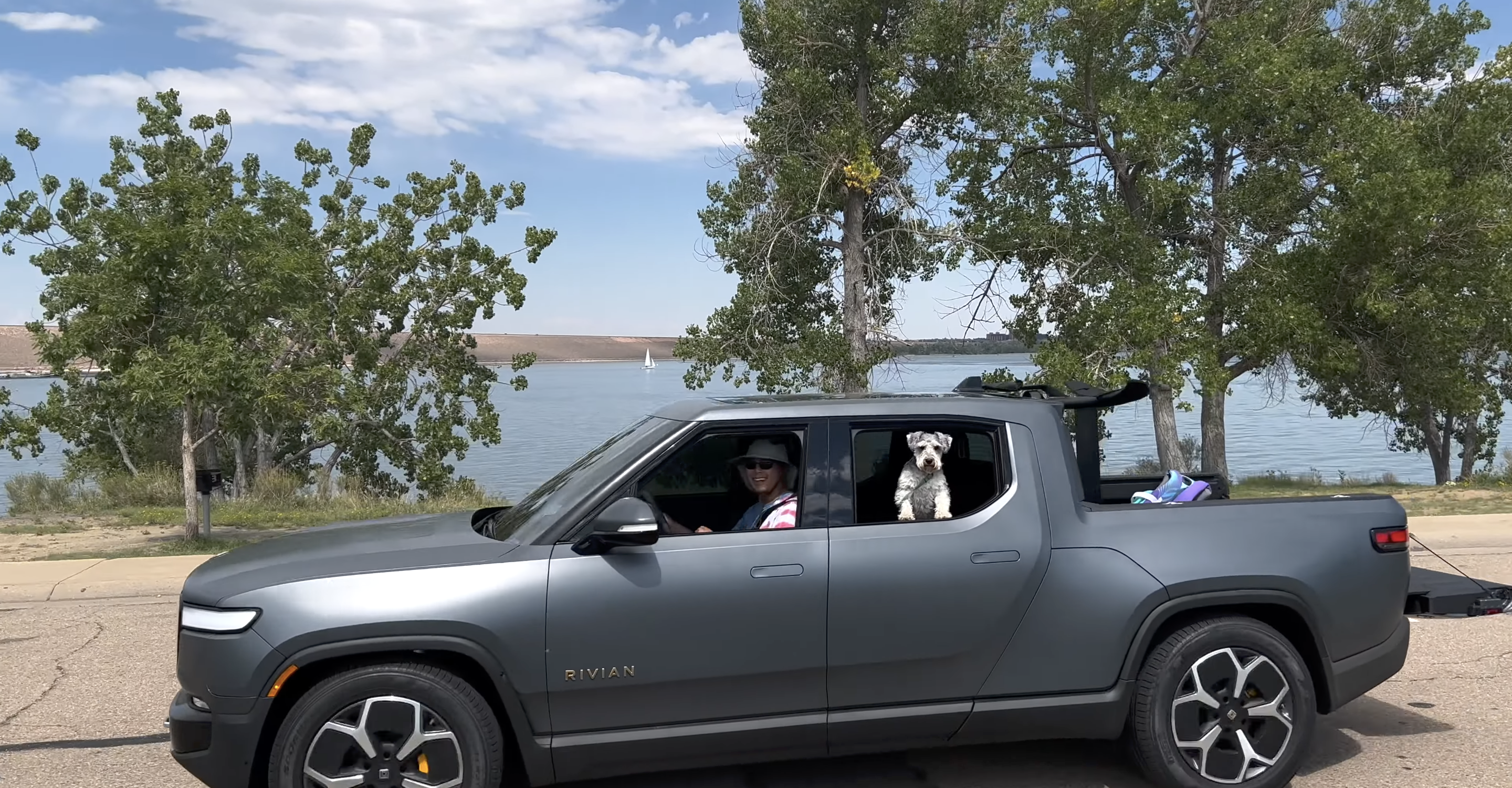
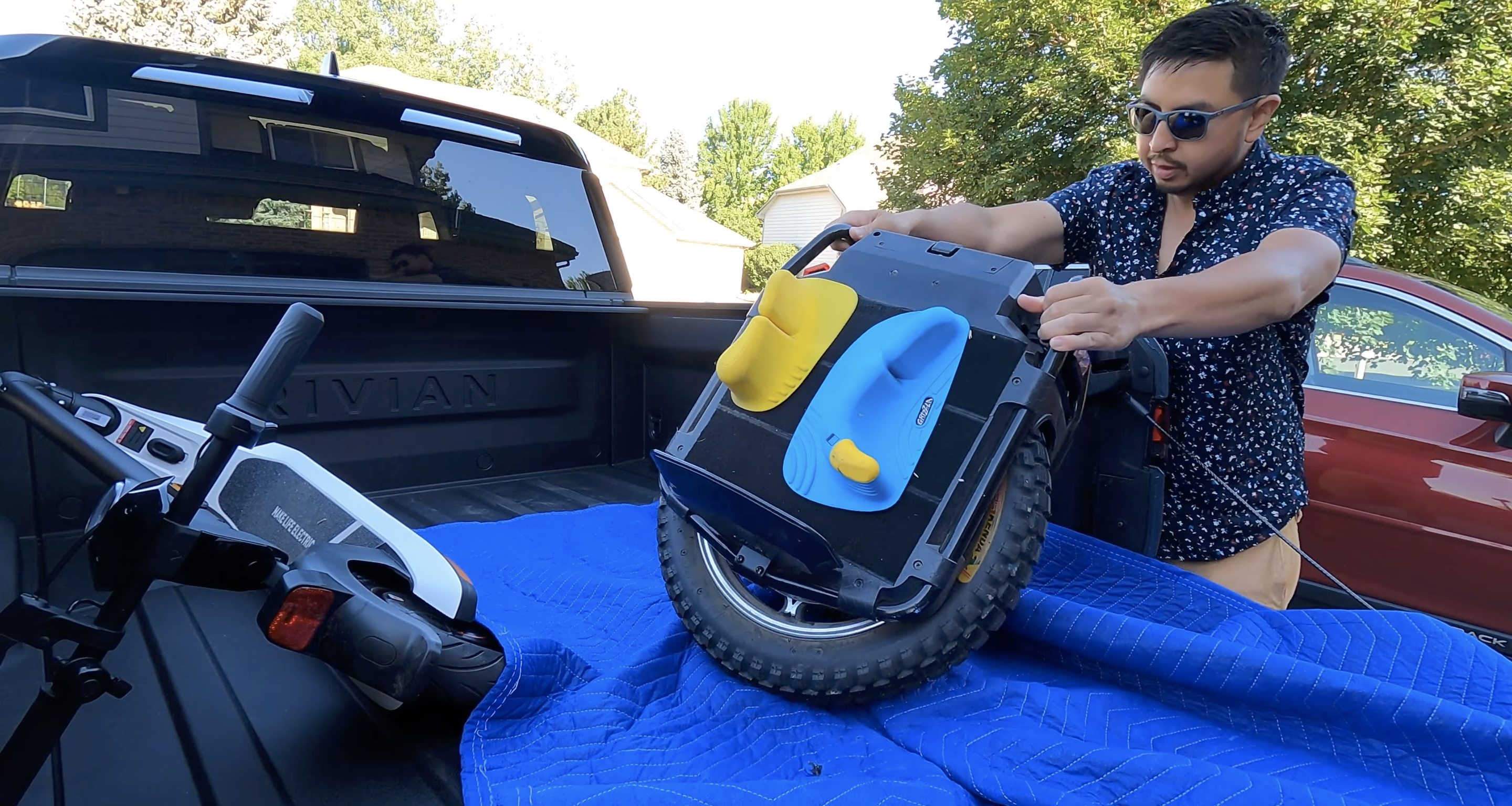
Between the two EVs, the Rivian was never in danger of being the one to go. Jimmy pointed to the truck's role as an adventure vehicle built around the family's PEV heavy lifestyle, with room to load up scooters, OneWheels, and other electric gear for a day out in a way the Tesla's trunk simply could not match. The Model 3 had been a great car, Jimmy was clear that dropping it was not a complaint about the car itself, but between the two, only one could tow, haul, and off road with the family's toys in tow.
The Freshly Charged Verdict
The decision was not without some sentiment attached. Jimmy noted that most of the family, his wife and kids included, were initially unhappy about letting the Tesla go, and it took walking them through the reasoning before everyone came around. Once they did, the math was hard to argue with: a well timed sale at a price he is unlikely to see again, one less redundant car in the driveway, and a Rivian that fits the family's routine in a way a sedan never could.
No comments yet…