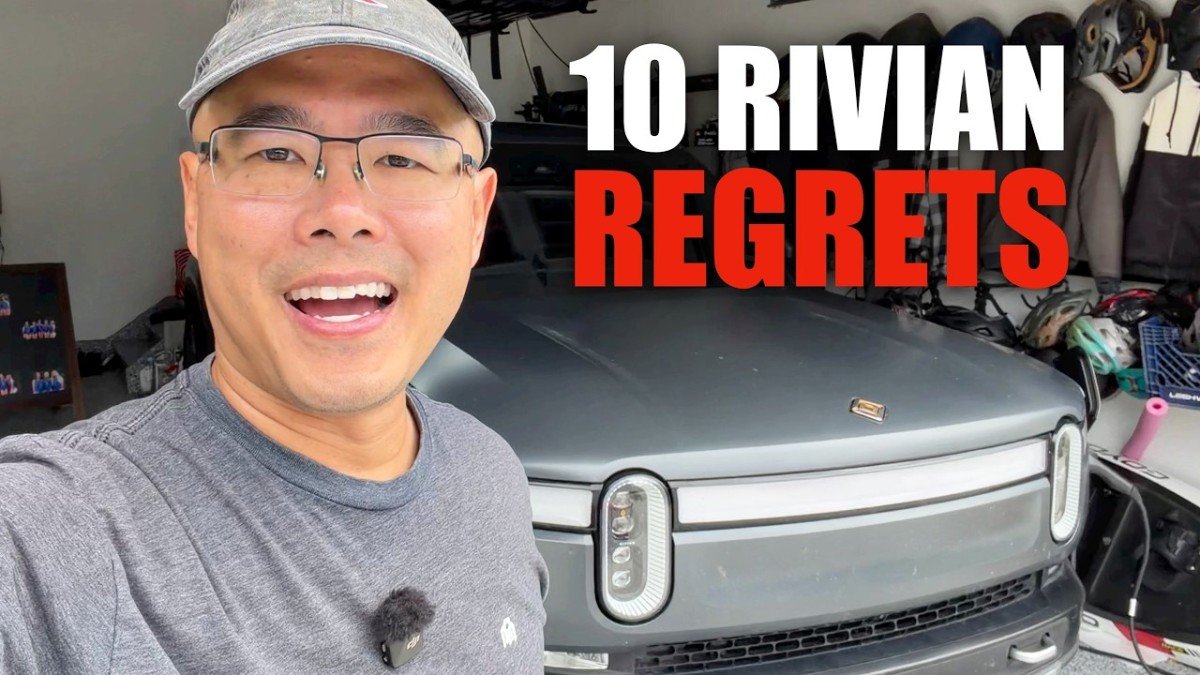
Video Content


Written Content
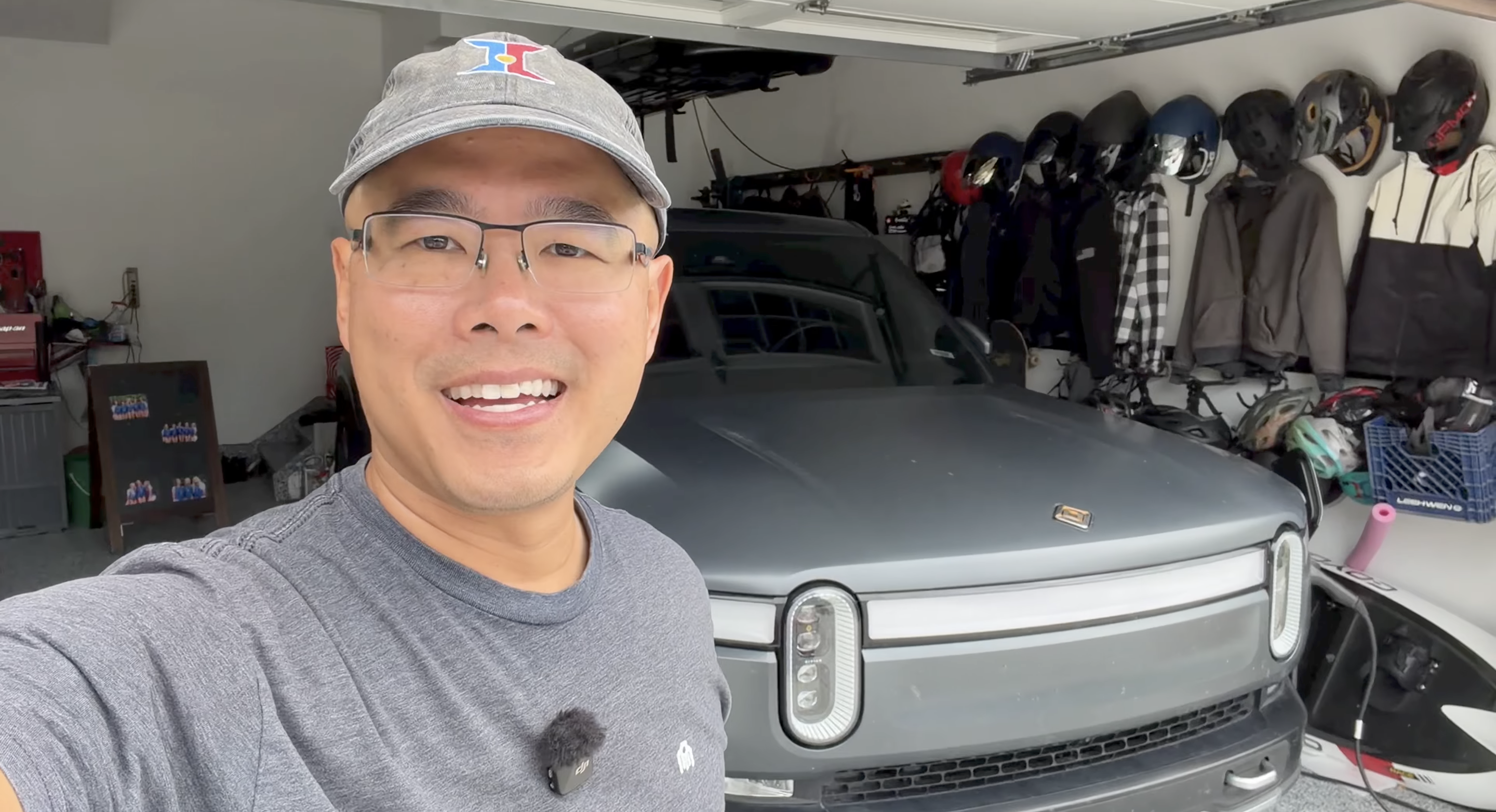
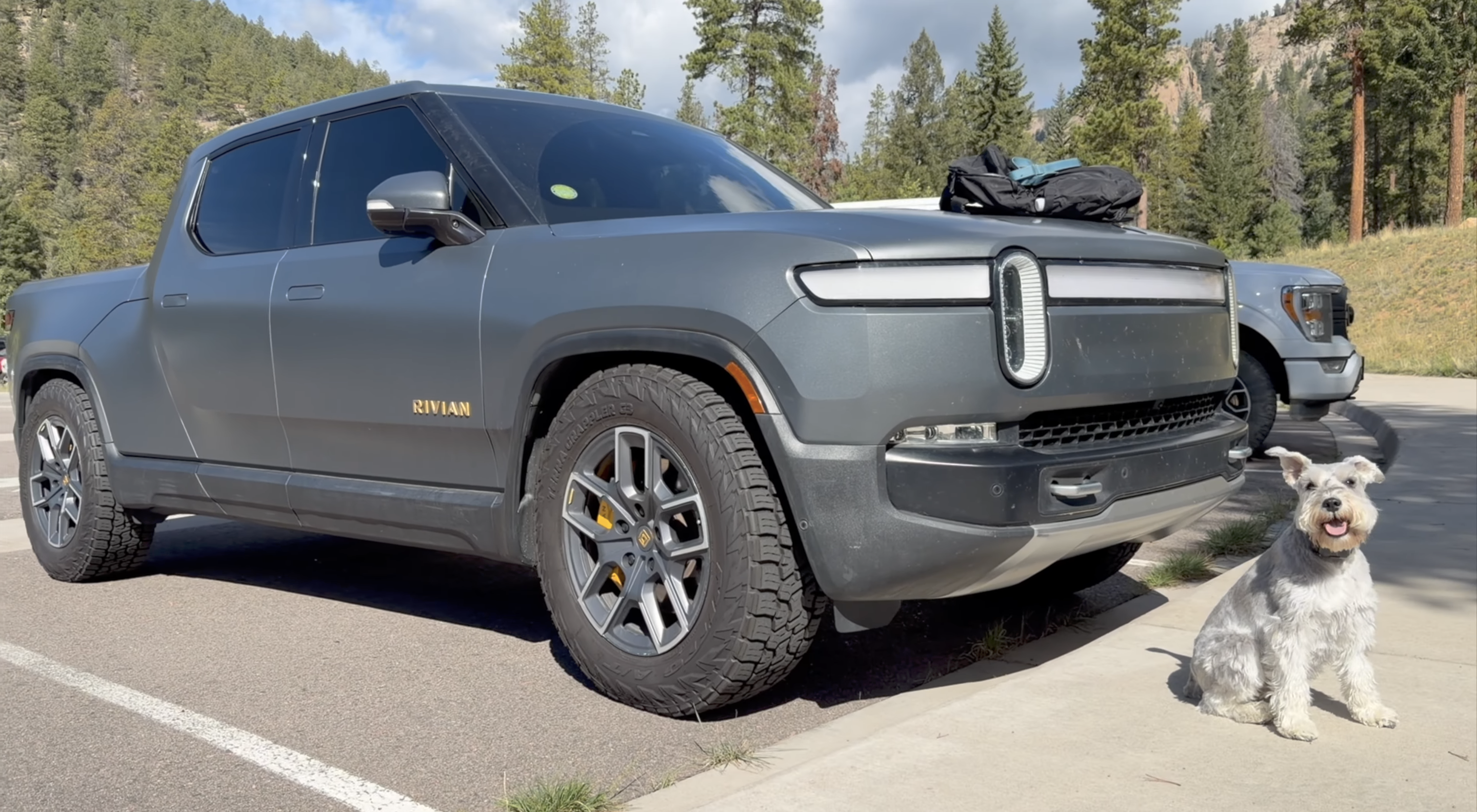
Jimmy has owned his Rivian R1T for almost five years and 40,000 miles now, and his verdict on the truck itself has not wavered. In his own words, it's one of the best vehicles he has ever owned. But his comprehensive warranty is running out, and that single fact has reframed how he sees the technology he once loved without reservation. With Rivian no longer picking up the tab for whatever breaks next, Jimmy walked through ten regrets that have built up over the miles, which are grouped by theme below.
- Use Jimmy's referral link to shop for your own Rivian and see what referral benefits may be available: https://rivian.com/configurations/lis...
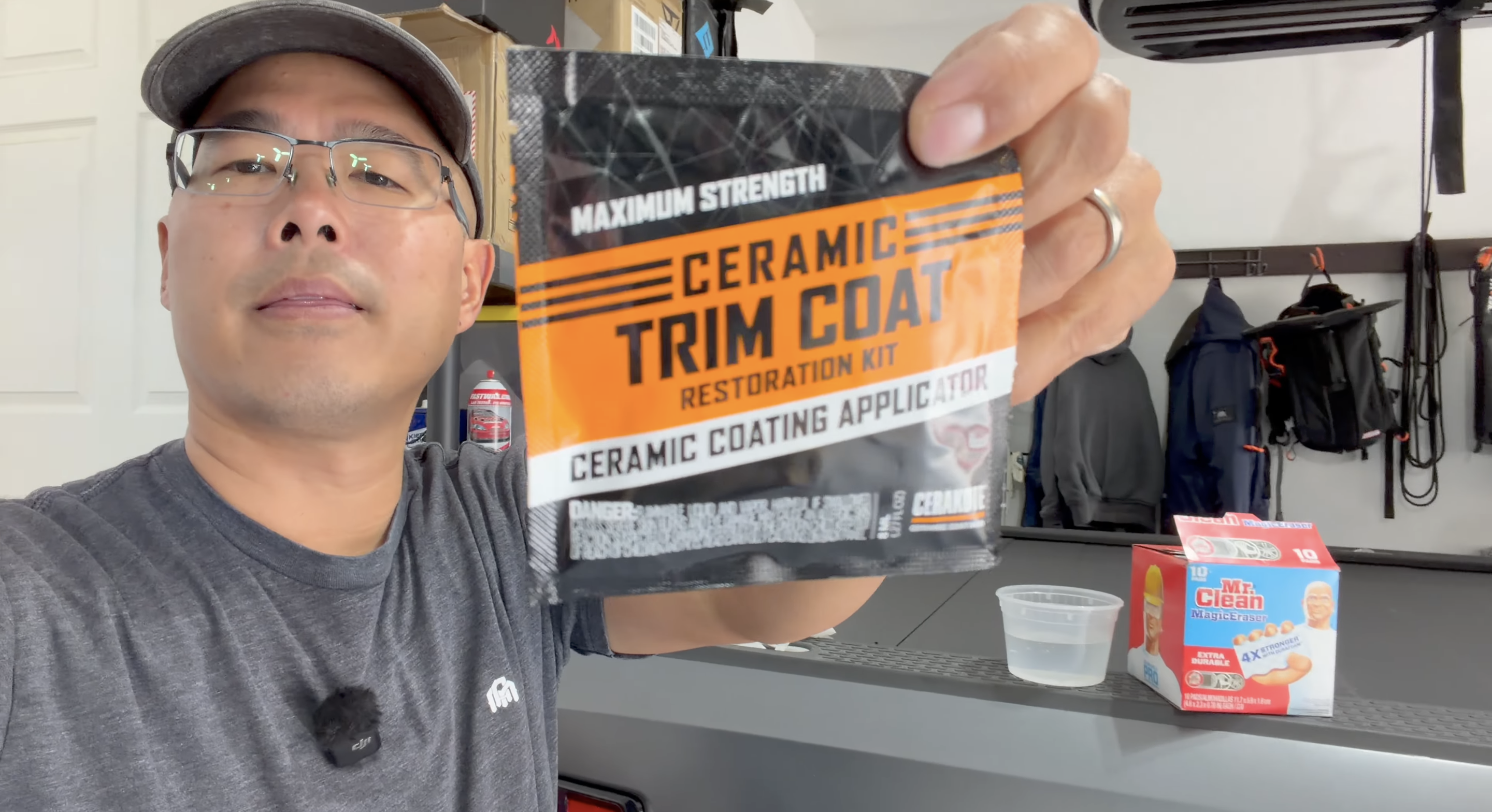
A Quick Trim Refresh, Before Getting Into It
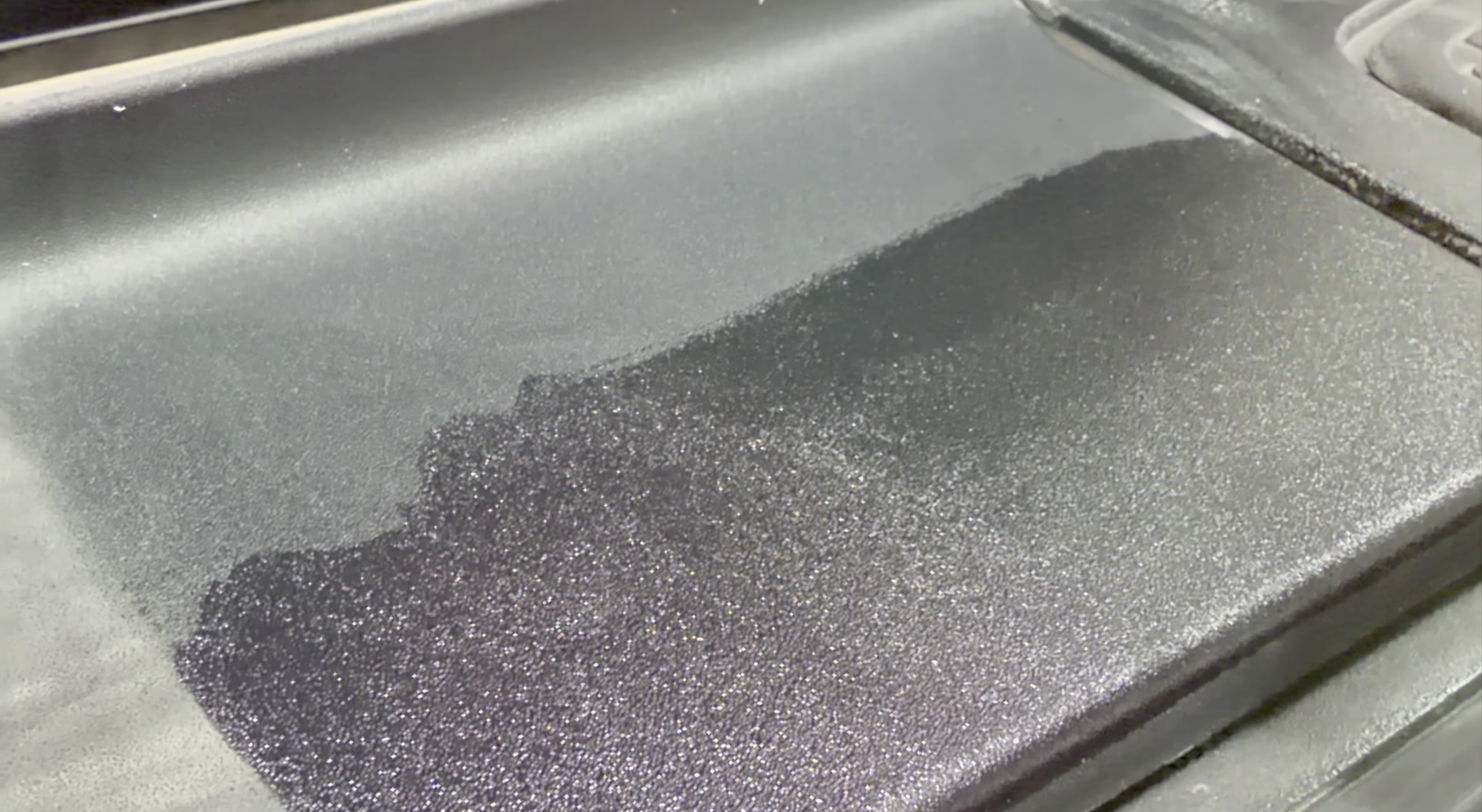
Before diving into the list, Jimmy shared a small maintenance win worth passing along on its own. The black trim around his truck had faded to a dull gray after years in the sun, and the fix turned out to be almost embarrassingly simple: a magic eraser and water. Scrubbed clean, the trim came back looking close to new, and Jimmy followed it with a ceramic coating product to help lock that look in going forward. Gotta love a five minute, low cost fix for a problem most owners will eventually run into.
- Ceramic Trim Coat: https://amzn.to/4B974jl
The Cost of Complexity
Jimmy's first three regrets all trace back to the same root cause, which is how genuinely complicated the R1T is underneath. The adjustable air suspension, hydraulic roll control, and adaptive dampers that let the truck lower itself for highway aerodynamics or raise itself for off-roading felt like pure wizardry when he bought it, and five years in, he still loves what the system does. What worries him now is what it costs when it breaks. Other long term owners have reported suspension repairs running into the thousands, including one bill of 5,200 dollars that landed just 400 miles outside the owner's warranty, and another for about 10,500 dollars tied to a suspension failure at 58,000 miles. That uncertainty is the source of what Jimmy has dubbed as his warranty anxiety. He has already had suspension work done under warranty and never saw a price tag attached to it, so he genuinely does not know what it would have cost him out of pocket. And soon enough, systems like the air suspension, hydraulics, sensors, displays, HVAC, door mechanisms, the powered tonneau cover, and the cameras will all become his financial responsibility. What compounds this issue further is the lack of any independent repair option. Unlike an older Ford F-150, which can be fixed by a dealer, an independent shop, or a handy neighbor, a Rivian in need of repair has exactly one place to go. Rivian alone controls the parts, the labor, and the price.
When Low Maintenance Does Not Mean Low Cost
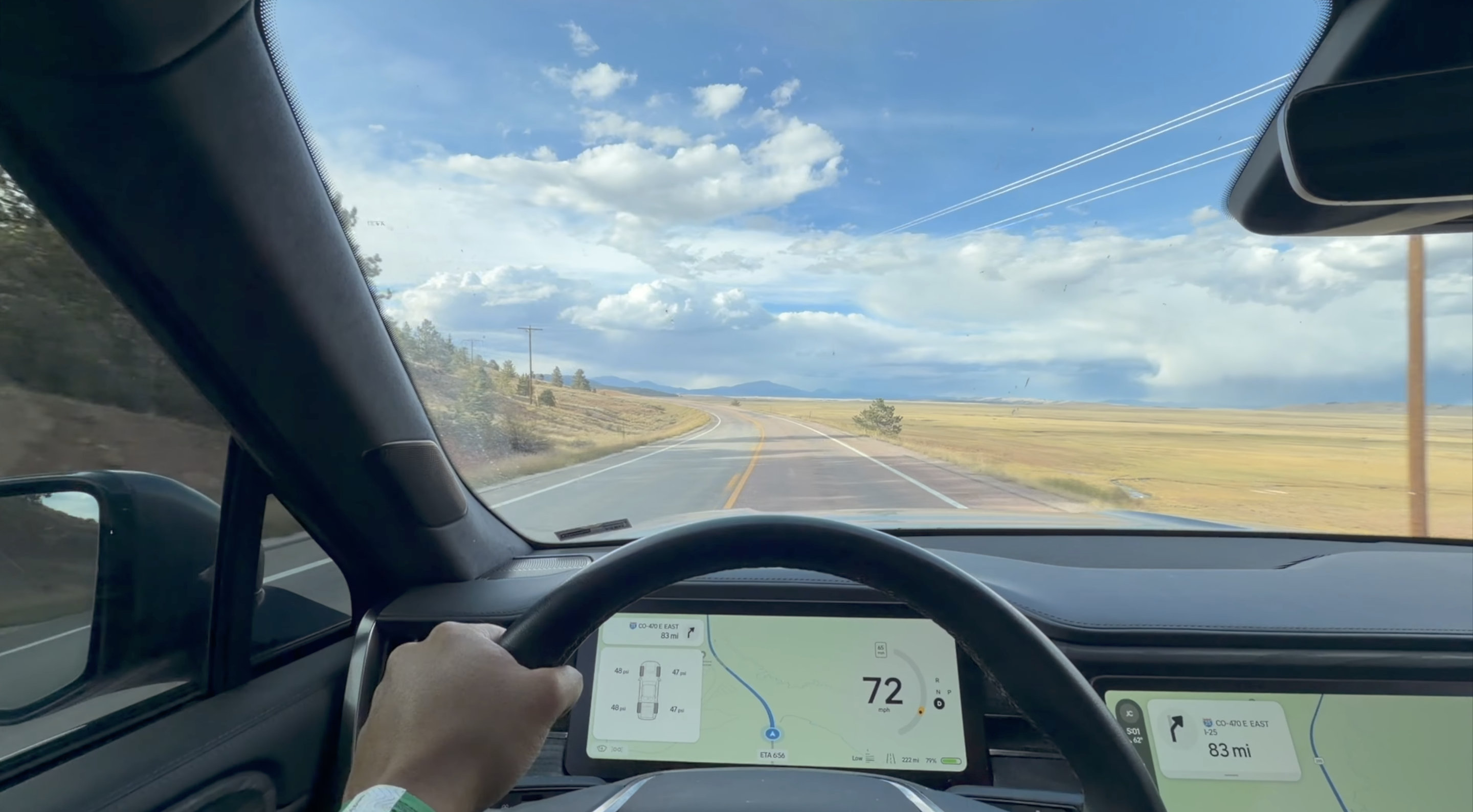
Jimmy went into Rivian ownership expecting the usual EV savings: no gas, no oil changes, less routine maintenance overall. What he did not fully appreciate is that low routine maintenance and low total cost of ownership are not the same thing. The clearest example is something as mundane as a 12 volt battery, a part most drivers swap themselves for the price of a quick store run, but one that costs Rivian owners hundreds of dollars to replace, notably more than on another EV Jimmy owns. Bigger ticket items follow the same pattern. Windshield replacements have run owners close to 2,000 dollars, roof glass costs even more, and body damage repairs climb fast thanks to the cameras, sensors, aluminum panels, and calibration equipment packed into the truck. Jimmy summed it up simply: saving a modest amount on an oil change does not mean much against the risk of a 2,000 dollar windshield or, in his own hypothetical worst case, a 20,000 dollar fender bender repair.
The Ownership Costs Nobody Warns You About
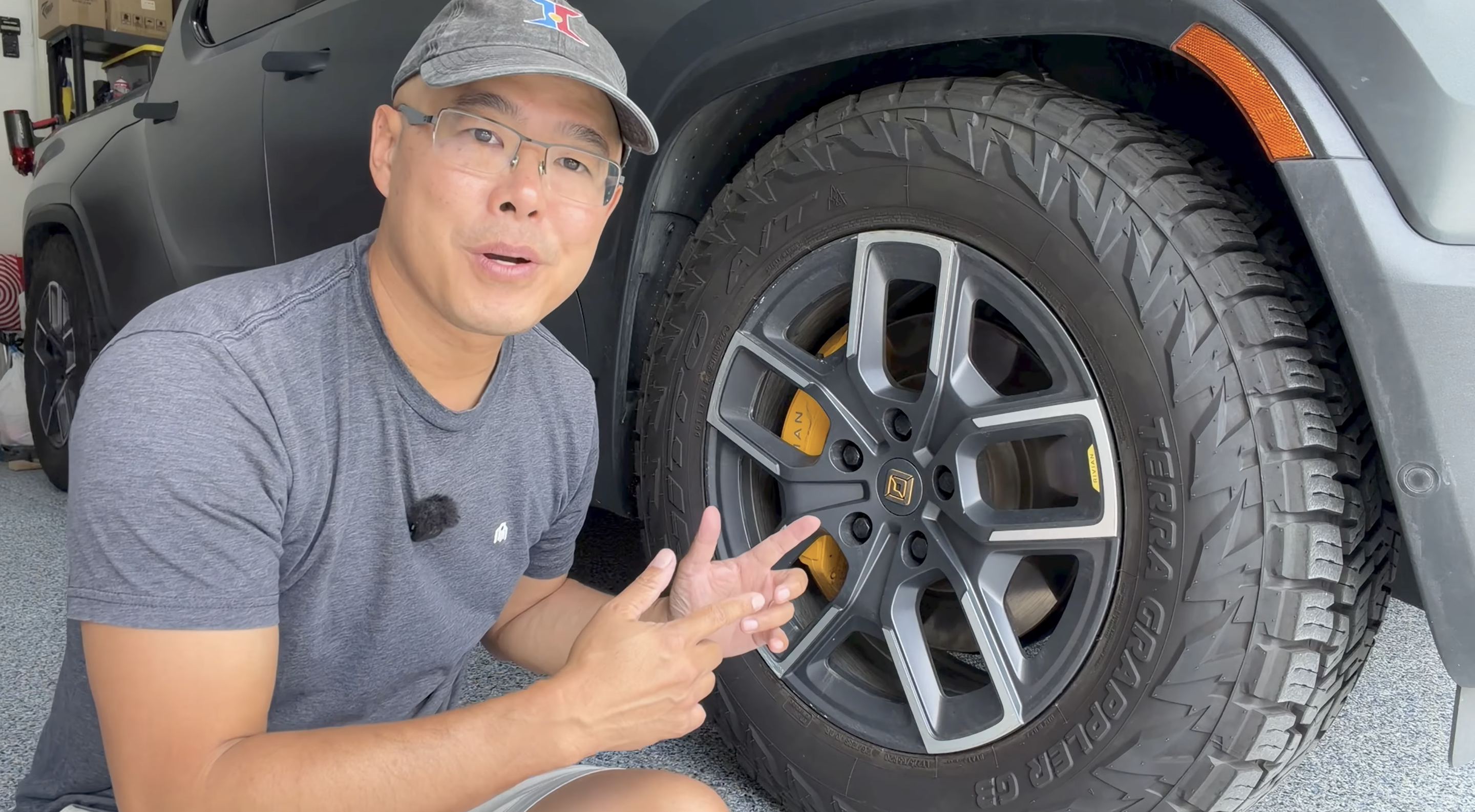
Three more regrets round out the financial side of ownership. Insurance has crept up, which Jimmy chalks up to insurers simply pricing in the reality that even a minor accident can produce an outsized repair bill on a vehicle like this. Registration has become its own annual surprise, since Colorado bases a chunk of the fee on a vehicle's original taxable value and age, meaning an expensive EV keeps paying a premium every year even once it is fully paid off. And tires, something Jimmy expected going in after owning a previous EV, have still hit harder than planned. Between the truck's roughly 7,000 pound weight and its instant torque, he has already gone through two full sets in 40,000 miles, with a quality replacement set running close to 2,000 dollars.
Two Everyday Annoyances
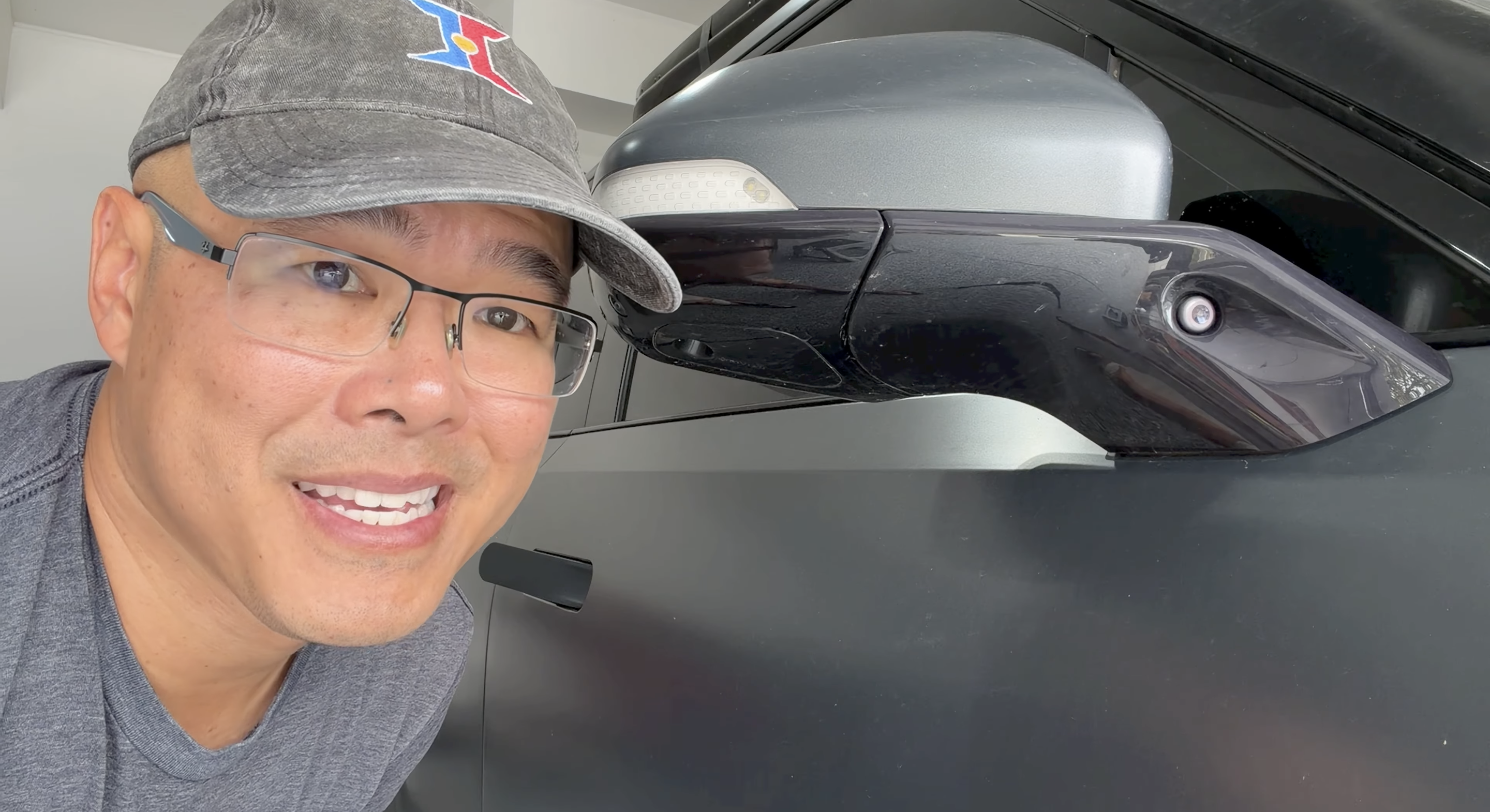
Not every regret on Jimmy's list comes with a dollar figure attached. The R1T's cameras, used for parking, driver assistance, security, and Rivian's Gear Guard monitoring feature, produce video Jimmy describes as barely usable, which is especially frustrating on a vehicle this technologically advanced. If that footage is ever needed to identify a license plate after a hit and run, it may not be up to the job. Newer Rivians reportedly ship with improved camera hardware, which does nothing for earlier trucks like his. Service experience rounds out the list, and Jimmy acknowledges his own has been smoother than most thanks to a repair shop near him, but he has watched other owners describe long waits, long drives to a service center, and vehicles sitting idle during diagnosis. Such frustrations go from mildly annoying under warranty to extremely irritating once an owner is paying for both the repair and the wait.
So...Does He Regret Buying It?
After walking us through all of his gripes, Jimmy's answer is still no. He has used the truck exactly as intended, hauling gear, taking road trips, camping, driving through snow, off-roading, and relying on the gear tunnel and tonneau cover more times than he can count, all while Rivian keeps adding features through OTA updates that make the truck better than the day he bought it. The worries that kept him up five years ago — whether Rivian would survive as a company, whether charging infrastructure would catch up, and whether range or battery degradation would become real problems — have all resolved in Rivian's favor, and were helped along by other charging networks like Tesla. What is left is a fresh, simpler sounding worry that is actually harder to answer: nobody yet knows what a Rivian looks like, or costs, at 100,000, 150,000, or 200,000 miles. As if to underline the point, Jimmy noted the truck's infotainment system had been glitching since its most recent software update. Jimmy concluded with his real regret of buying one of the most advanced trucks ever made without fully considering what it would look like once that technology got old. Now he is left deciding whether to sell while the warranty is still intact, move to a newer Rivian, or keep this one and find out firsthand what long term ownership actually costs.
- Use Jimmy's referral link to shop for your own Rivian and see what referral benefits may be available: https://rivian.com/configurations/lis...
No comments yet…