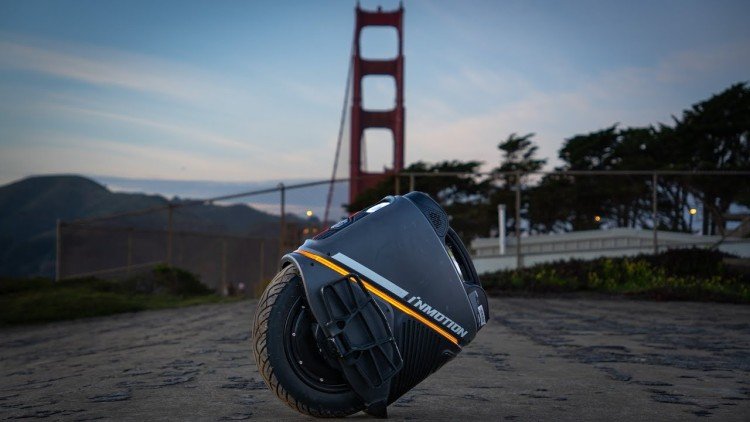
The Inmotion V9, a beginner suspension EUC, was unveiled at CES 2025 and is now available for pre-order. Sporting modest specs and a compact, lightweight design, it faces tough competition from the likes of the Begode Falcon. With pricing yet unknown, the V9’s value remains unproven unless its unique form factor fits your needs.
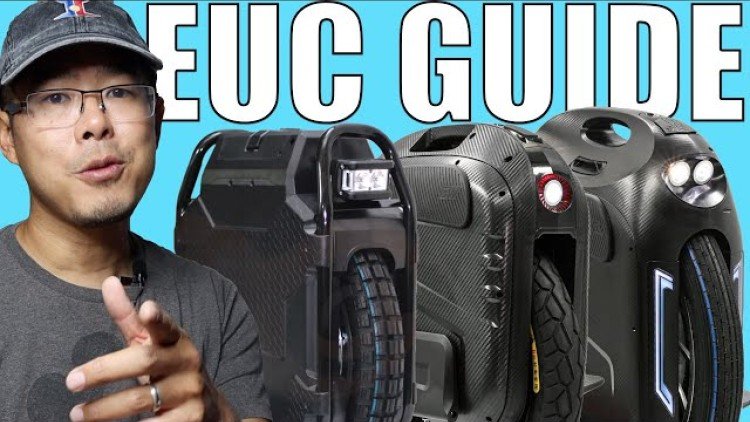
2024 was a transformative year for EUC manufacturers, with Begode and Leaperkim enhancing their lineups, Extreme Bull offering value-driven alternatives, and newcomers like Nosfet pushing suspension innovation. While KingSong and Inmotion slowed, the growing market delivered diverse options, covering every rider’s needs. As 2025 approaches, EUC enthusiasts have more exciting choices than ever before.
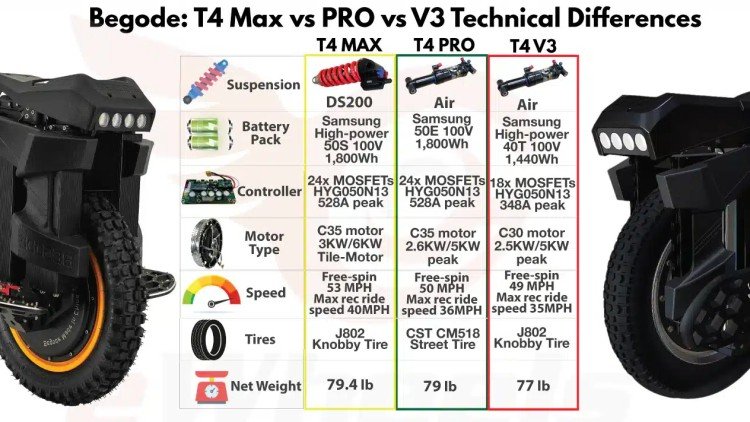
The Begode T4 Max is a significant upgrade over previous T4 versions, boasting a new 3000w motor, improved Samsung 50s battery cells, and an overhauled suspension system for smoother, more capable rides. While not the fastest EUC, its portability, power, and enhanced off-road ability make it a top choice for commuters and trail enthusiasts alike.

A year after unveiling several products at CES, Segway’s latest scooters and e-bikes have progressed, with the Xafari and Xyber finally launching, the Go-Kart on sale, and the impressive new GT3 Pro scooter demoed before its Q2 2025 release. The updated GT3 and Ninebot Max G3 also showcase Segway’s ongoing commitment to high-quality innovation in electric mobility.
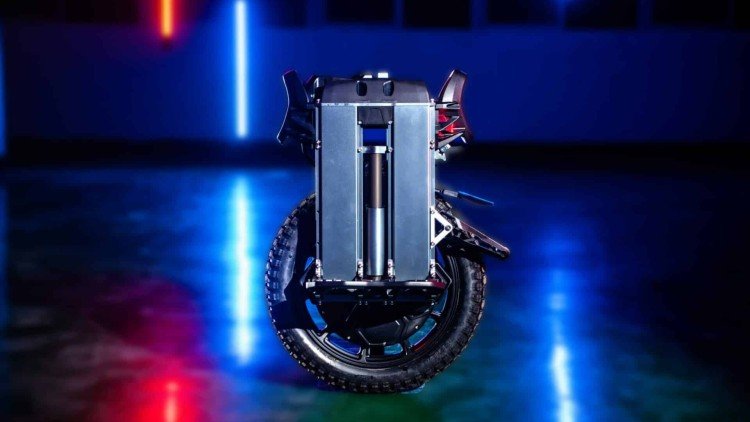
The Nosfet Apex is a promising entry to the performance EUC market, boasting a 55mph top speed and 50-mile range at $3,499. Its standout features include custom suspension and unique crumple zones. However, issues like oil leakage, firmware quirks, and the lack of a trolley handle leave room for improvement. Still, it’s a strong first showing from Nosfet.
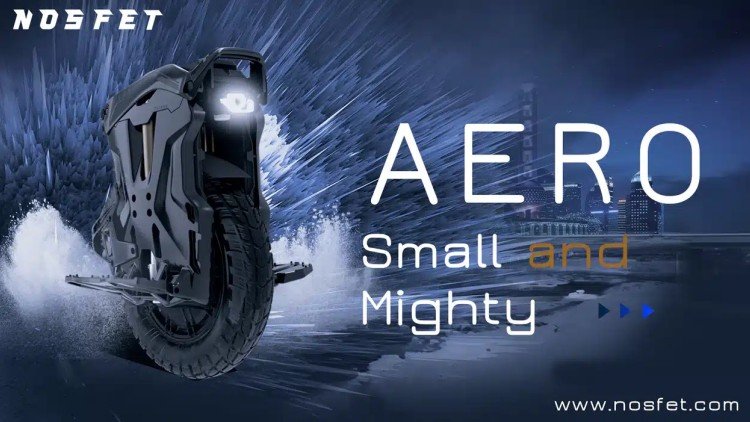
The Nosfet Aero is a new mid-size EUC competing with the Begode Falcon, boasting a larger battery, powerful 2000W motor, and standout aggressive design—yet maintaining a low 51 lb weight. With features like a 20W headlight, oil-filled suspension, and modern lighting, it’s available for pre-order. However, the lack of pad options may disappoint some riders.
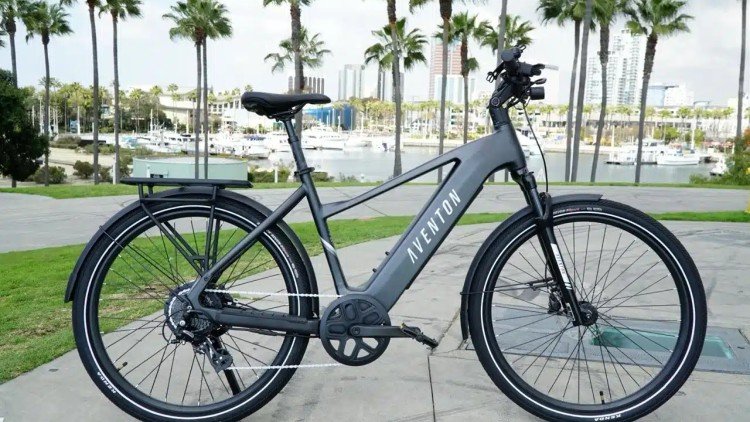
California’s SB-1271, signed into law in September 2024, significantly changes e-bike regulations by restricting throttle use on Class 1 and Class 3 bikes and clarifying a 750W motor limit. This legislation impacts manufacturers, may lead to stricter regulations nationwide, and leaves certain loopholes for manufacturers and riders to navigate as the industry adapts.
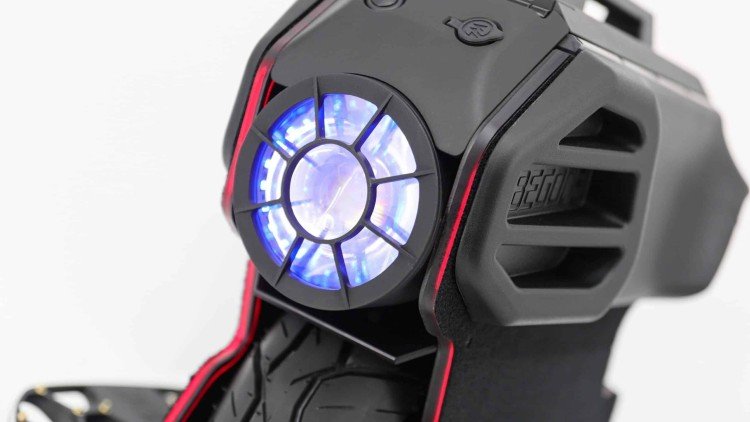
The Begode Mten5 is a lightweight, powerful, and water-resistant electric unicycle, blending the best of the Mten4 and A2. With a 1200W motor, 25-35 mile range, and improved waterproofing, it excels as a short-range commuter. While it offers great versatility, its larger size reduces portability and playful handling compared to previous models.

EUC Ungerground offers a unique, direct-purchase option for Begode and Extreme Bull electric unicycles, bypassing third-party vendors and providing lower prices and earlier availability for new models. Operated via Telegram by Lem Ung, this service is ideal for riders comfortable with self-repair, though lack of extended warranty and limited brand selection may be drawbacks for some enthusiasts.
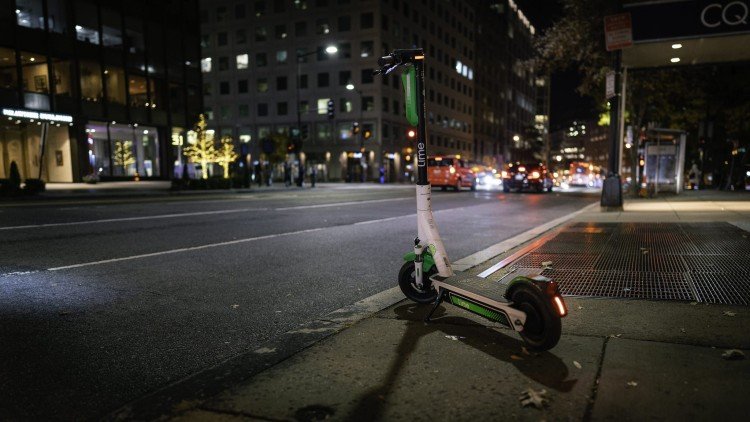
Riding electric scooters or bikes at night can be fun, but it demands extra safety measures. Boost your visibility with good lighting and reflective gear, wear protective clothing and sturdy shoes, ride cautiously, and pick well-lit, low-traffic routes. With these tips, you’ll stay safer and enjoy a worry-free nighttime ride.
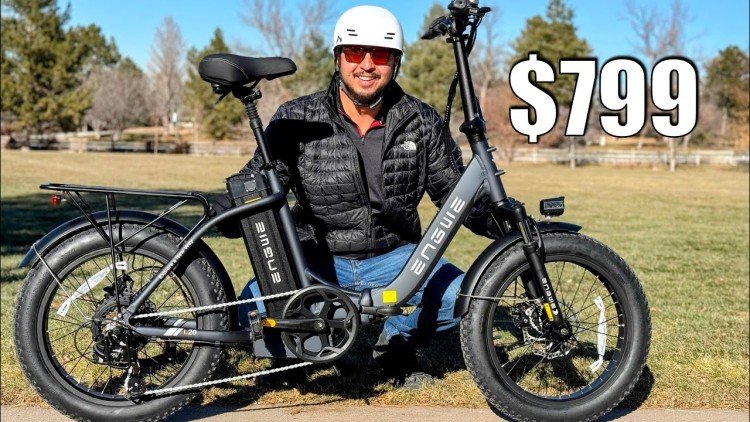
The Engwe L20 2.0 is a budget-friendly, foldable e-bike that impresses with its power, 52V battery, and stylish design. Upgrades like a silent suspension, dual tail/brake light, and durable metal fenders set it apart. While there are minor drawbacks, such as pedal assist delay and no water rating, it’s a strong competitor for urban and off-road riders.
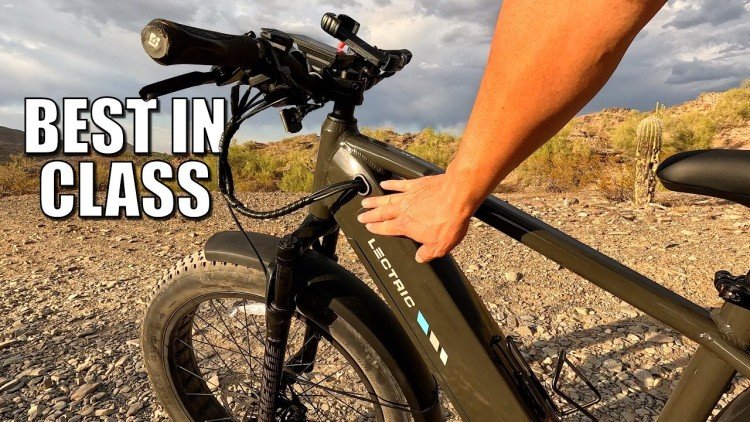
As 2024 ends, Freshly Charged shares their top electric bike picks after hands-on testing. Highlights include the affordable Lectric XP Lite 2.0, the feature-packed GoTrax Tundra, the refreshed Lectric XPeak 2.0, and the versatile Heybike Hauler. Discover standout specs, pricing, and real insights for riders of all levels. Find your perfect e-bike deal this holiday season!