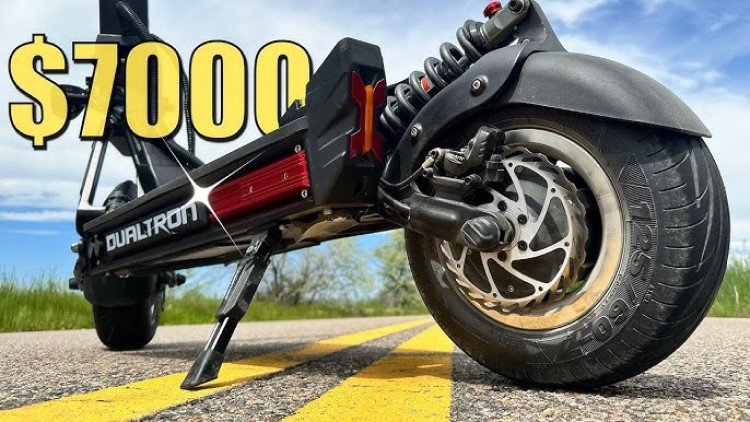
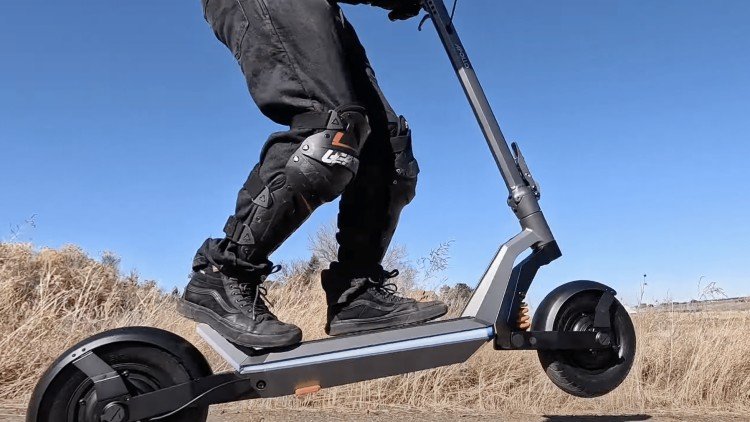
Deck width is one of those specs that rarely makes the headline feature list, but it changes how a scooter actually feels underfoot more than almost anything else. Most standard commuter scooters run a deck around 5.5 to 6.5 inches wide, enough for a single, fairly fixed foot position. Once you cross into genuinely wide territory, closer to 8 or 9 inches and up, that changes: there's real room to shift your stance, spread your feet for extra balance, or reposition on the fly without feeling like you're one wrong step from the edge.
That extra surface area does real mechanical work. A wider base lowers your effective center of gravity and gives you more lateral stability, which matters most exactly when you need it, cornering at speed, riding one-footed briefly to adjust cargo, or just standing comfortably on a long ride instead of locking your feet into one spot the whole way. It's also simply more comfortable for riders with bigger feet, who can feel cramped on a standard deck regardless of how good the rest of the scooter is.
A wider deck generally means a larger, heavier scooter overall, which is part of why the widest decks tend to show up on performance and heavy-duty models built for stability at higher speeds rather than lightweight commuters built for portability. If a wide, planted stance matters more to you than folding it into a closet, this is the category to start from.
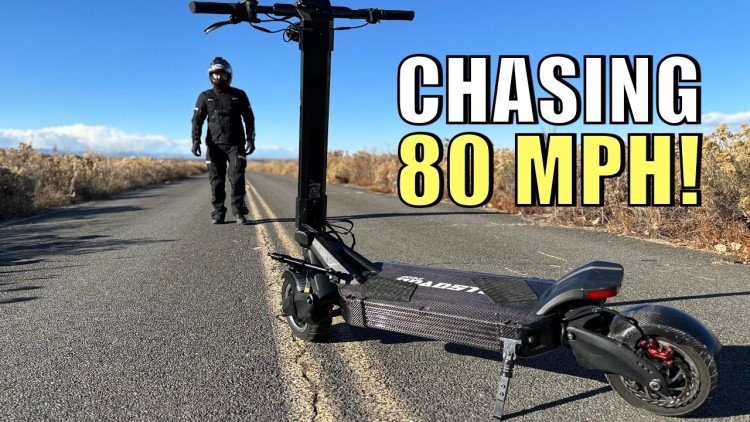
Andrew took the EMOVE Roadster — VoroMotors' fastest production electric scooter on the market — out for a GPS verified speed record attempt, targeting the 80 mph barrier. He did not break it, but he did tie his personal best of 74 mph on a modified unit that was not running its full production brake spec and on a runway that was not quite long enough to fully unwind the throttle. The machine itself was rock solid at speed, but the conditions were not ideal.
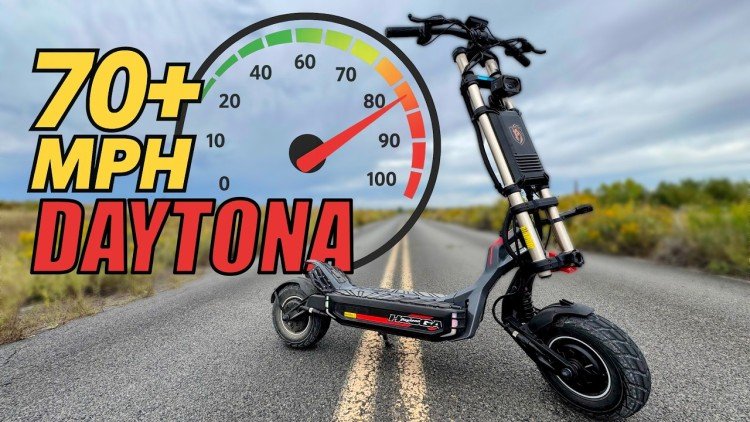
The Hooga Daytona is their flagship hyper scooter sold exclusively by VoroMotors, and we can confirm it earns the title. The Freshly Charged team hit 78 mph via Draggy, praised the four piston DOT hydraulic brakes as the best ever tested on an electric scooter, and found the suspension genuinely capable across both off road trails and highway speeds in the same session. At 152 pounds with a tool dependent fold, this is not a machine you carry up stairs, and buyers should plan real world range around 31 miles under aggressive conditions rather than the spec sheet maximum. The turn signals are too dim for daytime use on a scooter that can do 78 mph, and the included 4 amp charger taking 10 hours to fill a 40Ah battery is a miss at this price point. For the rider who wants the most capable high speed hyper scooter the team has tested — one that actually handles the speed rather than just reaching it — the Daytona makes a strong case, compromises and all.
-medium.jpg)
The Kaabo Warrior 11 Max takes everything that made the Wolf Warrior 11 Plus a landmark scooter and fixes most of the parts that frustrated owners for years: sine wave controllers, adjustable rear suspension, better tires, quick-release motor connectors, and a proper NFC color display. GPS-verified top speed came in at 49 mph with smooth, stable performance at the limit and strong off-road capability. The rear turn signals are too dim to be useful in daylight, the chargers are slow, and the folding latch pin remains a recurring weak point. At $200 over the Pro version, we believe the upgrades justify the ask.
-medium.jpg)
The NAVEE XT5 Pro is what happens when a top-tier European e-mobility brand decides to stop making "toys" and starts making armor-plated tanks. It isn't chasing the ultra-light portability of a commuter scooter; it’s chasing durability and ride feel. With a carbon steel frame that puts aluminum rivals to shame and a "Mecha-style" design that looks like it belongs in a sci-fi film, this is the ultimate "playful" off-roader for the rider who wants to jump curbs and blast through puddles without worries.
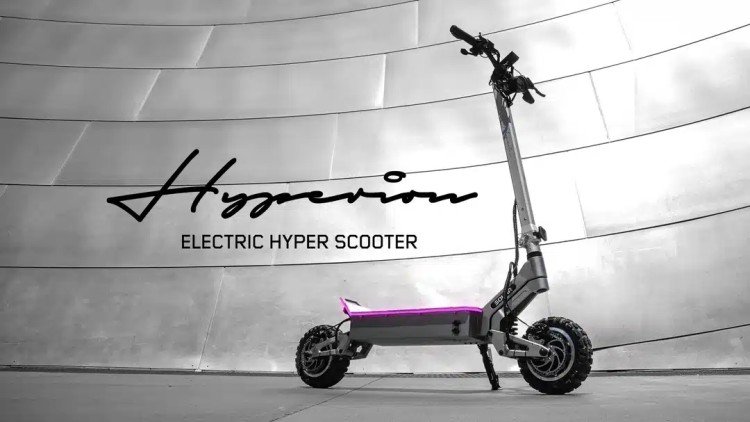
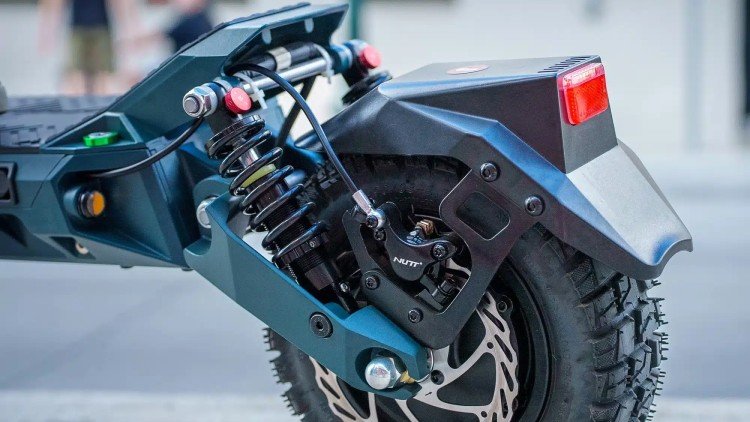
The Gotrax GX3 scooter impresses as Gotrax’s most powerful and futuristic model yet, with standout build quality, smooth adjustable suspension, and great high-speed stability. While it offers excellent features for off-road and city riding, minor quirks like sluggish low-end torque and unconventional brake placement hold it back. Overall, this product is a strong pick at its price point.
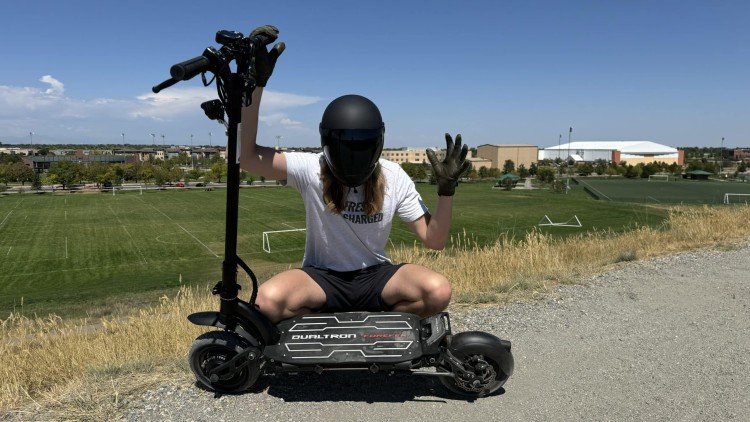
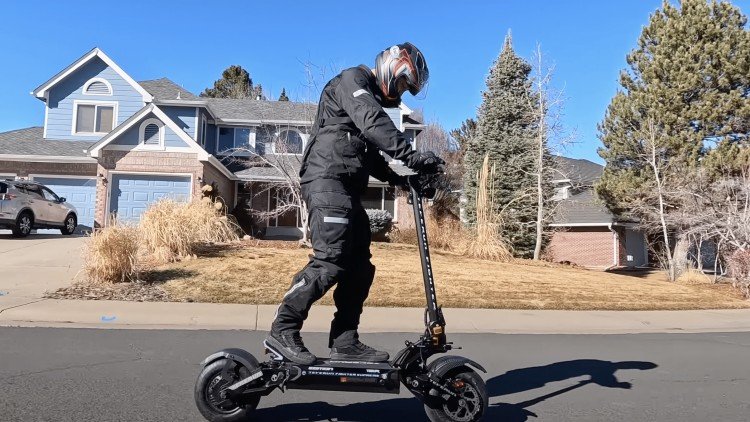
The Teverun Fighter Supreme 7260R impresses with its massive battery, sleek design, and attentive customer service, but falls short on high-speed stability, loud fenders, and lackluster safety features. Performance rivals the Dualtron X Limited, but for its price, improvements to ride stability and practical features like lighting and horn are needed before a wholehearted recommendation.
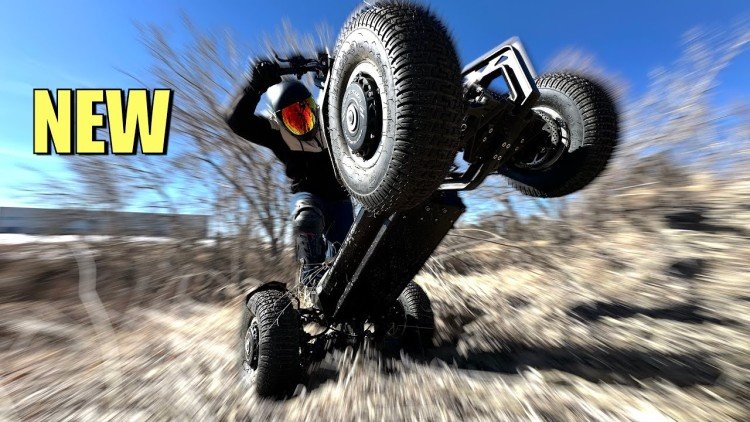
The Teverun Tetra blurs the line between electric scooter and ATV, boasting four massive off-road tires, instant suspension adjustment, and impressive all-terrain capability. With standout features like a huge deck, hidden cables, and app integration, it also comes with drawbacks like tricky tight turns, maintenance needs, and limited light visibility. Ideal for adventurous, hands-on riders.