If you're new to electric bikes, you may have noticed that most of them are marketed with a Class designation. If you're wondering "what the heck is that?", wonder no more! Electric bike classes a way to define the power and capabilities of e-bikes. It's important to note that while classes are based on legal definitions and restrictions, these laws are not universal! They vary significantly from country to country, and within smaller regions (such as US states, or even cities) laws often vary widely.
What Class 2 (usually) means for Electric Bikes in the US and Canada:
- Top speed of 20mph (32kph)
- Motor power of 750 watts or less (this is nominal wattage, not peak)
- Motor power can be activated by pedal assist, and/or by throttle
What Class 2 (usually) means for Electric Bikes in Europe:
Who knows? 🤷 Seriously though, this is a matter of much debate in Europe and rules and availability vary widely from place to place. For most European countries, an e-bike must be limited to 250 watts or less and have a top speed of 25kph (15.5mph), with pedal assist only - that's right, no throttles! If an e-bike is more powerful than that, and especially if it has a throttle, it would technically be considered a moped or light motorcycle; this is typically an L1e-A designation, here is an example of the criteria from Ireland.
To further confuse things, enforcement of e-bike regulations tends to vary even more, with many law enforcement officers not even knowing the laws regarding PEV use in their jurisdictions. For example, in Fort Collins CO it's technically illegal to ride e-bikes on many multi-use trails in the city, but as long as you're riding under 20mph and not being a jerk, no one will care.
The moral of the story: Research laws for your area, and if possible talk to local experts. E-bike shop owners are great for this!
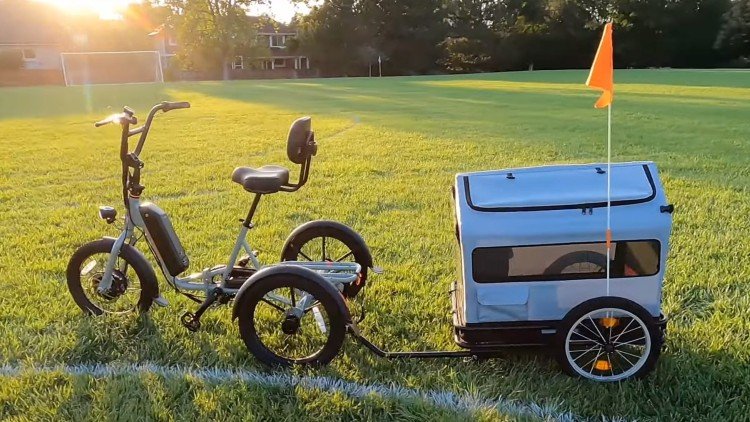
The RadPower RadTrike is a thoughtfully designed electric tricycle ideal for those with mobility challenges. With impressive stability, convenient features like a reverse option and easy-assemble components, it stands out as a user-friendly alternative to traditional bikes. Room for improvement exists in areas like pricing, battery capacity, and component upgrades, but its strengths dominate the experience.
-medium.jpg)
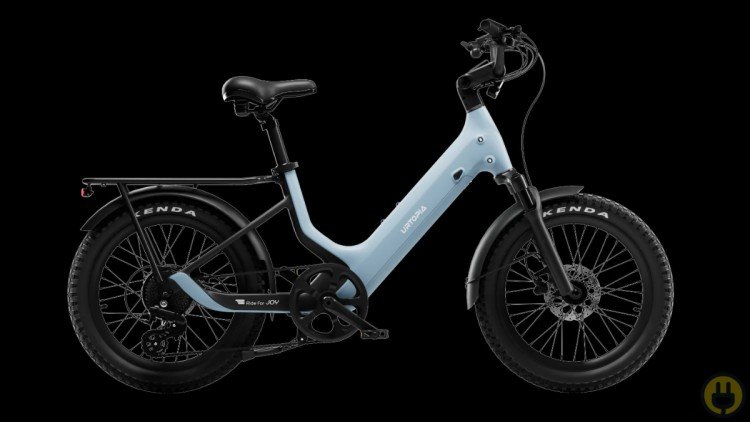
The 2024 Urtopia Carbon Classic Step-Thru is a city-oriented electric bike built around a step-through frame made from aerospace-grade Toray™ carbon fiber, making it notably lightweight at 38 lbs. Designed for urban commuting and everyday riding, it targets riders seeking easy mount/dismount access combined with capable components, including a 750W peak rear hub motor, torque sensor, Shimano 8-speed drivetrain, TEKTRO hydraulic disc brakes, and a removable UL-certified Samsung battery rated for up to 75 miles per charge. Key differentiators include its carbon fiber construction, adjustable handlebar with a wide range of positions, integrated rear rack, and support for both pedal assist and thumb throttle operation.
-medium.jpg)
The 2024 Urtopia Carbon Classic is a lightweight urban and recreational electric bike built around an aerospace-grade Toray™ carbon fiber frame, which Urtopia states is approximately 50% lighter than comparable aluminum frames. It is positioned as a versatile cruiser-style e-bike suited for commuting and leisure riding, offering both pedal assist and thumb throttle modes alongside a torque sensor for a more natural ride feel. Key differentiators include the full carbon fiber frame and fork, a removable UL 2271-certified Samsung battery, and an adjustable handlebar designed to accommodate a wide range of rider heights and riding positions.
-medium.jpg)
The 2024 Urtopia Carbon Fold Step-Thru (Carbon Fold ST) is a folding electric bike from Urtopia designed primarily for urban commuting and riders who prioritize portability. Built around a full carbon fiber frame and fork, it weighs approximately 31 lbs, positioning it at the lightweight end of the folding e-bike segment. Its step-through design and two-step folding mechanism aim to make the bike accessible to a wide range of rider heights and practical for compact storage. Key features include a torque sensor, TEKTRO hydraulic disc brakes, a removable seat post battery, and a Shimano 7-speed drivetrain.
-medium.jpg)
The Mokwheel Flint is a lightweight urban electric bike from Mokwheel, designed primarily for city commuting and everyday riding. Built around a 6061 aluminum alloy frame, it weighs 36 lbs and is positioned as a nimble, efficiency-focused option for riders seeking a balance of performance and portability. The Flint features a dual torque-and-cadence sensor system, Shimano 8-speed gearing, Logan hydraulic disc brakes, and a UL-certified battery rated for up to 70 miles of range. It competes in the commuter e-bike segment for riders who prioritize a lighter, quieter ride experience.
-medium.jpg)
The Mokwheel Flint Pro is a lightweight urban commuter e-bike from Mokwheel E-Bikes, positioned in the city and daily-commuter segment. At 31 lbs, it stands out in its class for portability, and is built around a Gates Carbon Belt Drive for low-maintenance, quiet operation. The bike is designed for riders seeking a practical, all-weather commuter, featuring a dual torque-and-cadence sensor system for natural pedal assist, hydraulic disc brakes, and a claimed range of 50–70 miles per charge. It is available in both Step Over and Step Through frame styles.
-medium.jpg)
-medium.jpg)
-medium.jpg)
-medium.jpg)
The 2024 ZOOZ Ultra Urban (Gen4) is a Class 2 electric bike from Zooz Bikes, designed for urban riders who prioritize performance and durability over feature complexity. Built around a tig-welded 4130 chromoly steel frame, it targets wheelie culture, street riders, and more aggressive cyclists seeking a lightweight yet capable platform. The bike is powered by a 52V, 750W "Thrillmatic" motor and comes in multiple configurations, positioning it as a no-frills, performance-focused option in the mid-range e-bike market.
-medium.jpg)