Two e-bikes can carry identical motor specs and still ride nothing alike, and the sensor behind the pedal assist is usually why. A cadence sensor works on a simple threshold: once the crank turns roughly a quarter rotation, the motor delivers whatever power the assist level is set to, whether you're barely tapping the pedals or standing on them. A torque sensor skips the threshold entirely and reads actual pedaling force instead, scaling the motor's help up and down in step with how hard you're pushing, moment to moment.
That distinction is the whole reason torque sensors have a following of their own. Riders who want the bike to feel like an extension of their own legs, rather than a separate motor cutting in and out, consistently describe torque-based assist as smoother and more predictable, especially through stop-and-go traffic, tight turns, or a climb where fine control matters. It tends to be kinder to the battery too, since the motor isn't spending power at a flat rate regardless of what's actually needed; it's only working as hard as your legs are.
None of that makes torque an automatic upgrade for everyone. The added electronics mean more components, occasional calibration, and a real cost bump over a cadence-based bike. It also demands actual effort. There's no "ghost pedaling" your way to full power the way you can with a cadence sensor, so a rider who wants the motor to do most of the work, or who has limited strength or mobility, may genuinely prefer cadence's flatter, lower-effort assist. Torque sensors are for riders who want the bike to feel like a bicycle first and a motor second.
-medium.jpg)
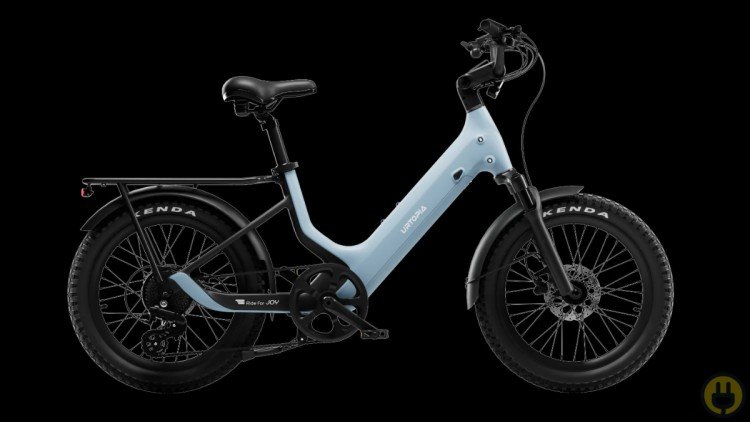
The 2024 Urtopia Carbon Classic Step-Thru is a city-oriented electric bike built around a step-through frame made from aerospace-grade Toray™ carbon fiber, making it notably lightweight at 38 lbs. Designed for urban commuting and everyday riding, it targets riders seeking easy mount/dismount access combined with capable components, including a 750W peak rear hub motor, torque sensor, Shimano 8-speed drivetrain, TEKTRO hydraulic disc brakes, and a removable UL-certified Samsung battery rated for up to 75 miles per charge. Key differentiators include its carbon fiber construction, adjustable handlebar with a wide range of positions, integrated rear rack, and support for both pedal assist and thumb throttle operation.
-medium.jpg)
The 2024 Urtopia Carbon Classic is a lightweight urban and recreational electric bike built around an aerospace-grade Toray™ carbon fiber frame, which Urtopia states is approximately 50% lighter than comparable aluminum frames. It is positioned as a versatile cruiser-style e-bike suited for commuting and leisure riding, offering both pedal assist and thumb throttle modes alongside a torque sensor for a more natural ride feel. Key differentiators include the full carbon fiber frame and fork, a removable UL 2271-certified Samsung battery, and an adjustable handlebar designed to accommodate a wide range of rider heights and riding positions.
-medium.jpg)
The 2024 Urtopia Carbon Fold Step-Thru (Carbon Fold ST) is a folding electric bike from Urtopia designed primarily for urban commuting and riders who prioritize portability. Built around a full carbon fiber frame and fork, it weighs approximately 31 lbs, positioning it at the lightweight end of the folding e-bike segment. Its step-through design and two-step folding mechanism aim to make the bike accessible to a wide range of rider heights and practical for compact storage. Key features include a torque sensor, TEKTRO hydraulic disc brakes, a removable seat post battery, and a Shimano 7-speed drivetrain.
-medium.jpg)
The 2024 Urtopia Carbon 1 Step-Thru is a lightweight electric bike built around a full carbon fiber frame and fork, positioning it as an accessible, low-step option for commuters and everyday riders who prioritize ease of mounting and reduced weight. At 36 lbs, it sits in the premium lightweight e-bike segment and distinguishes itself with an integrated "Smartbar" handlebar unit featuring 4G connectivity, GPS, fingerprint unlock, and an AI assistant. The bike is designed for a range of surfaces—from urban streets to light gravel—and targets riders seeking a blend of smart technology, comfort-oriented geometry, and practical daily usability.
-medium.jpg)
-medium.jpg)
-medium.jpg)
-medium.jpg)
The Cyrusher Cyclone X is a full-suspension electric mountain bike built around a lightweight carbon fiber frame and a Bafang M600 mid-drive motor, positioning it toward performance-oriented off-road riders. It features dual Rockshox air suspension, a torque sensor, SRAM NX 11-speed drivetrain, and SRAM G2 R four-piston hydraulic brakes, distinguishing it from more entry-level eMTBs in its category. The bike is aimed at riders seeking capable trail and mountain performance, with a dropper seatpost and Maxxis tires further supporting technical off-road use. Cyrusher markets the Cyclone X as a balance of premium components and competitive pricing within the carbon eMTB segment.
-medium.jpg)
The Cyrusher Glider is a cargo-focused electric bike from Cyrusher Sports, designed for riders who need to haul heavy loads, transport children or pets, or handle demanding daily commutes. It targets a broad range of use cases—from family errands and small-business deliveries to outdoor adventures—and is distinguished by a torque-sensing pedal assist system, a high payload capacity, and a modular accessory ecosystem that includes cargo kits, child seats, and pannier bags. The bike is built around a 52V electrical system with fat tires and a suspension fork for mixed-terrain comfort.
-medium.jpg)
The Cyrusher Luxe is a moto-style fat-tire electric bike from Cyrusher Sports, positioned as a versatile option for riders seeking a blend of urban commuting capability and light off-road performance. Built around a low-step compact frame, it pairs a 750W rear hub motor and 48V 20Ah battery with 20×4.0" Arisun fat tires, Tektro hydraulic disc brakes, and a Shimano 8-speed drivetrain. The Luxe is designed to appeal to riders who want an all-terrain capable e-bike that remains manageable in city traffic while handling gravel, dirt, and varied terrain.