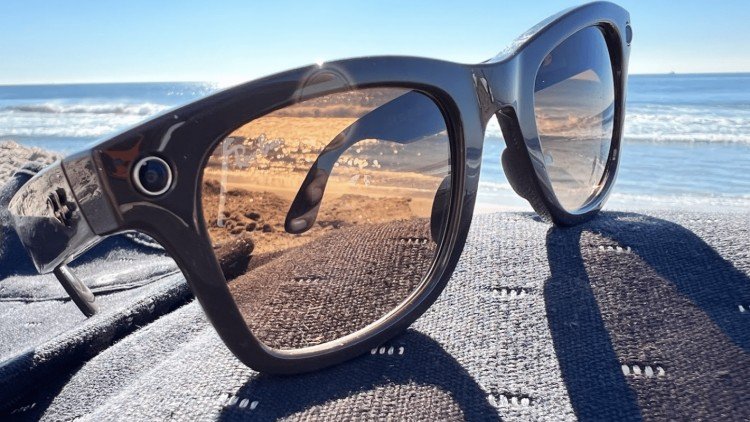
Smart glasses are wearable devices that integrate display technology, sensors, and computing components into a traditional eyeglass form factor. Depending on the model, they may include features such as heads-up displays, augmented reality overlays, cameras, microphones, speakers, and voice-activated controls. These devices are designed to provide hands-free access to information, navigation, communication tools, or media without requiring users to interact with a handheld screen. Some versions prioritize lightweight notification access, while others focus on immersive augmented-reality experiences for professional and consumer applications.
Smart glasses are commonly used in fields such as navigation, fitness, photography, remote work, and industrial workflows where hands-free interaction offers efficiency and convenience. As technology advances, they are increasingly used for real-time translation, accessibility support, training, and entertainment. With improvements in battery life, optics, comfort, and software ecosystems, smart glasses continue to evolve as a bridge between mobile computing and wearable augmented-reality experiences.