-large.jpg "More Robot Mowers Should Copy This Genius Design: Lymow One Robot Mower Review")
The Lymow One is a tank tread robot mower with an aluminum alloy frame, dual rotary mulching blades spinning at 6,000 RPM, and a navigation stack combining RTK GPS and VSLAM, which is a fundamentally different machine from the plastic, razor-blade robots that dominate the category. In a week of real backyard testing it never got stuck, handled 45 degree slopes and 2 inch obstacles without issue, and cut clean stripes even on longer grass. The main criticisms are real: it is loud, heavy at 77.6 lbs, the proprietary blades require purchasing direct from Lymow, the physical display is nearly useless, and the easily accessible battery is a theft risk. For complex or demanding yards it is the most capable robot mower the team has tested; for flat, well-kept suburban lawns the trade-offs may outweigh the gains.
Video Review


Written Review
The robot lawn mower category has a repetitive, at times ineffective design problem. Walk the floor of any big box store and you will see the same machine repeated in slightly different colors: smooth plastic shell, low profile, dinky caster wheels, and tiny razor blades that are essentially disposable. The Lymow team took a look a the competition and made a different set of choices in almost every category, making their flagship product stand out. After a full week of field testing in a real backyard, Jimmy from the Freshly Charged team has a clear verdict on whether those choices pay off with the Lymow One.
- Current price of the Lymow One: https://dada.link/h0QF5e
Built Like It Means It
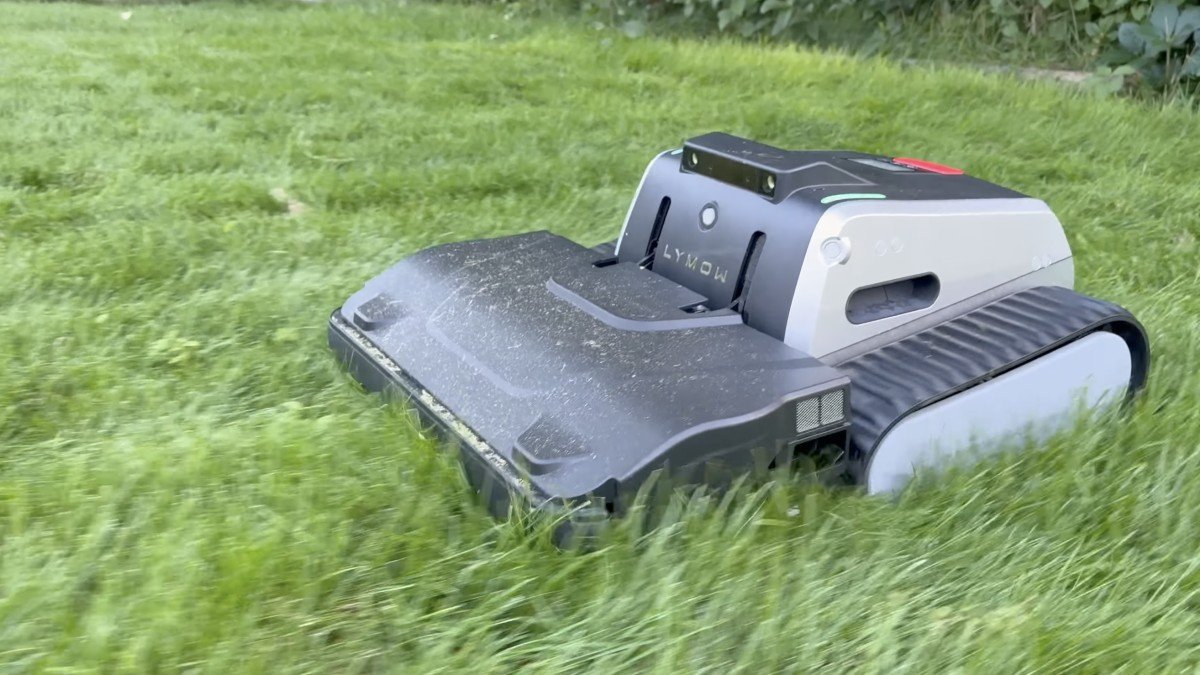
The most immediate thing you might notice about the Lymow One is the build. The frame is aluminum alloy rather than the plastic shells found on most competitors, and at 77.6 lbs it carries a weight that communicates exactly what it is: a serious piece of outdoor equipment. That weight is not incidental. It is a direct consequence of the components Lymow chose to put inside this machine, and most of those choices are defensible. It is also rated IPX6, meaning it handles rain and sprinklers without issue.
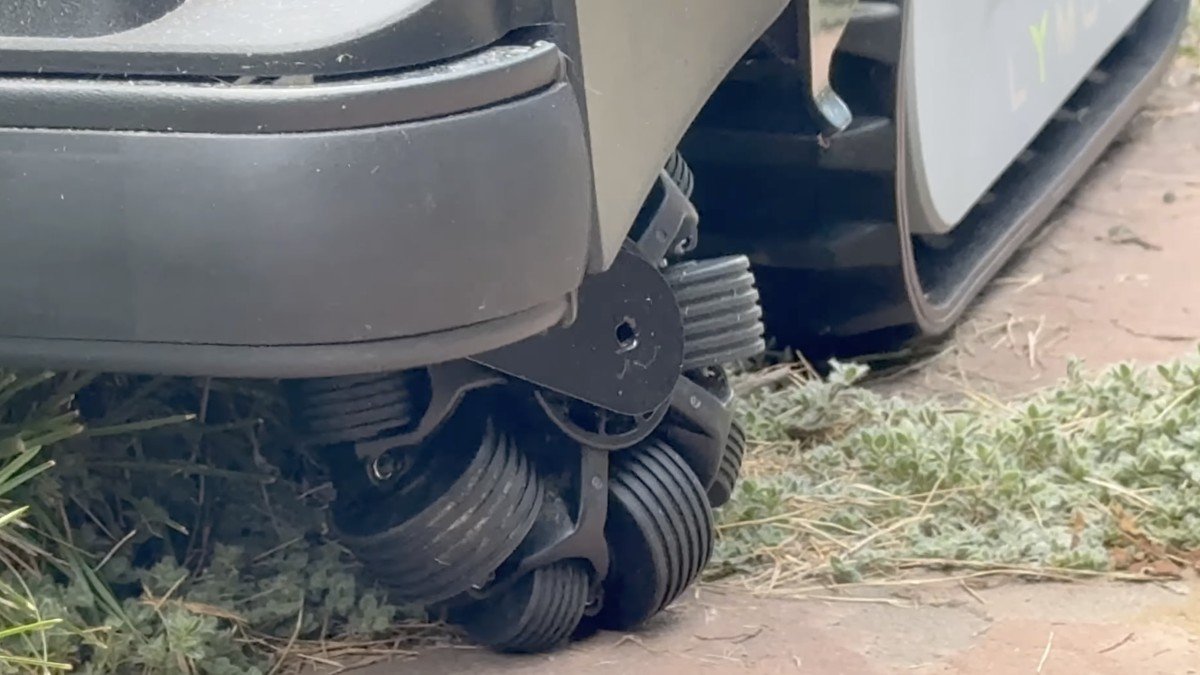
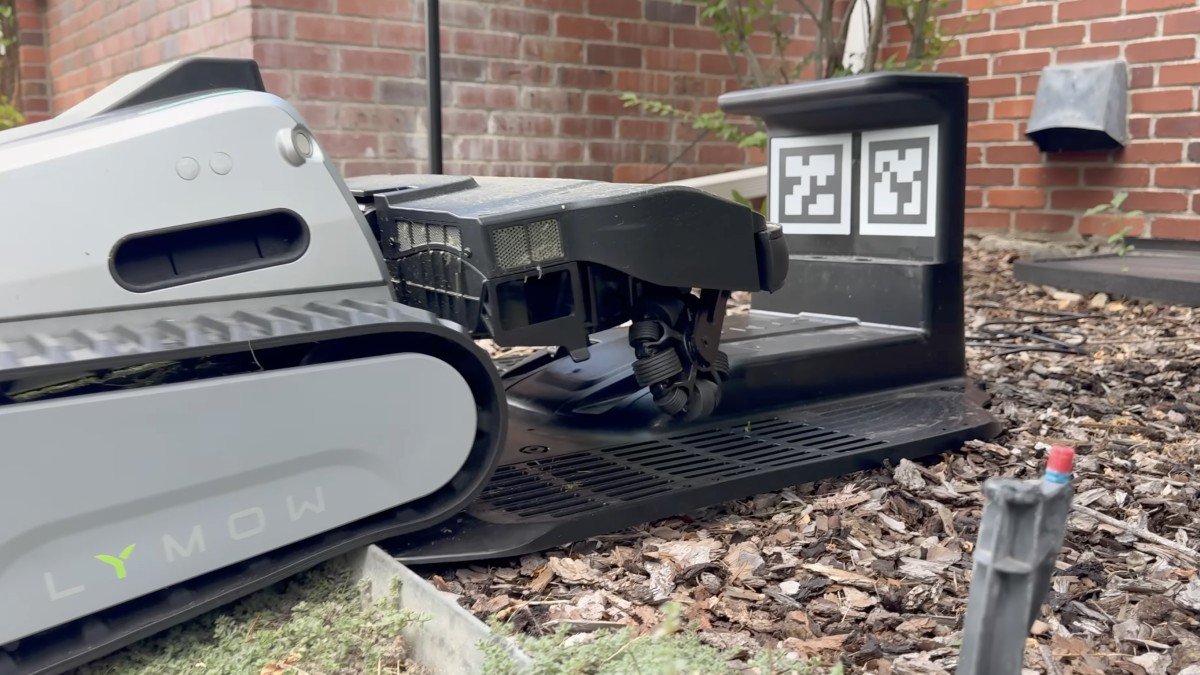
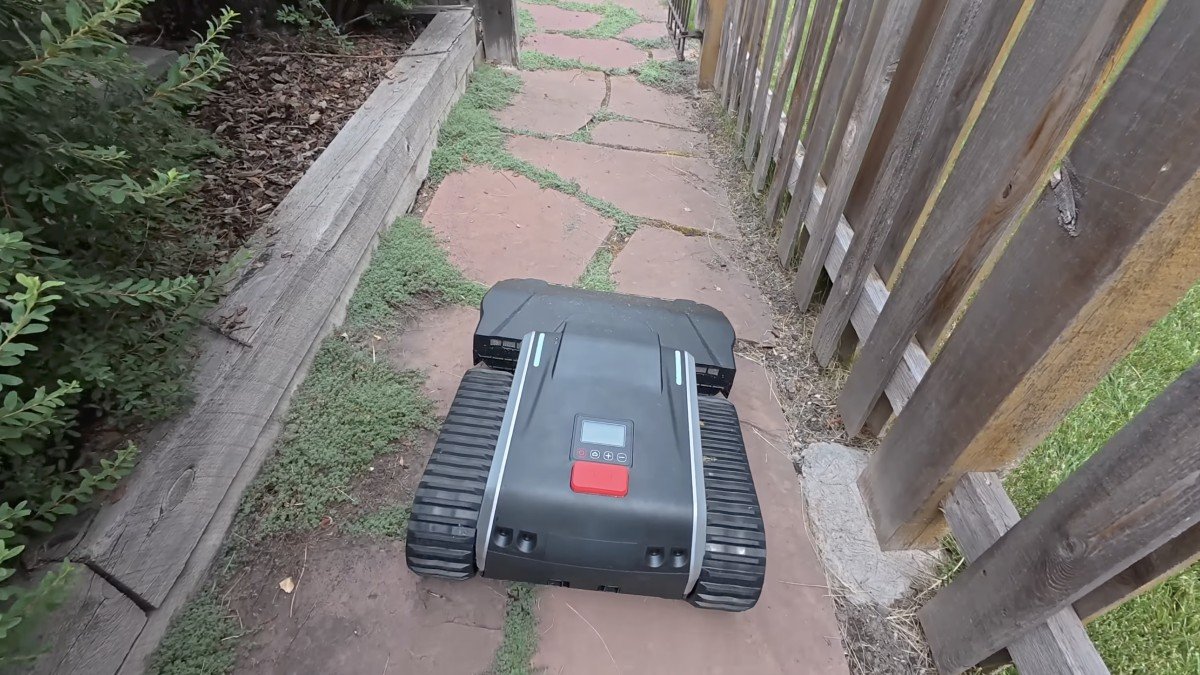
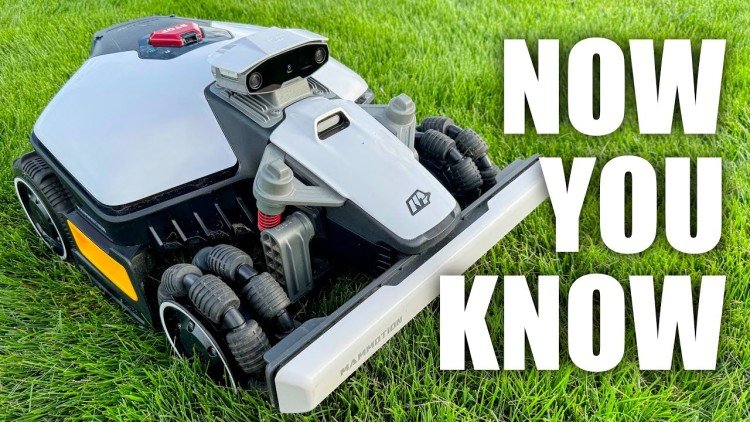
The mobility system is the most visually distinctive element. Instead of caster wheels, the Lymow One runs on tank treads paired with omnidirectional wheels at the front. In practical terms, this enables it to tackle 45 degree slopes, clear 2 inch vertical obstacles, and navigate small stairs without getting stuck. Over a week of mowing a real backyard with sprinkler heads, uneven terrain, and concrete borders, the mower did not get stuck once. The tank tread approach handles the divots and lips that routinely defeat caster wheel designs.
The Blade System
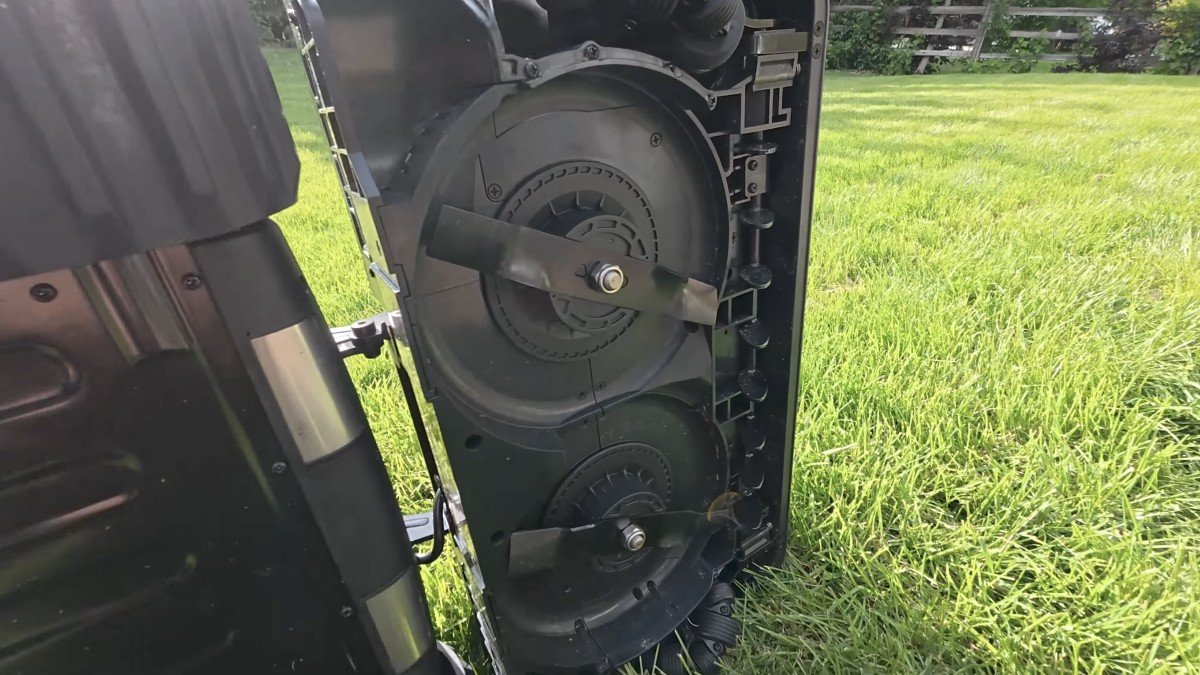
Most robot mowers use small razor blades, which are cheap, replaceable, and adequate for well-maintained lawns. The Lymow One chose a miniature version of what you woulf find on a traditional walk-behind mower: dual rotary mulching blades spanning a 16 inch cutting deck, spinning at up to 6,000 RPM.
The practical difference is twofold. First, the cutting action is cleaner and more powerful, handling longer grass without clogging. Second, the blade design creates a fan-like airflow that pulls grass upright before cutting and ejects the mulch from the side rather than leaving it to pack underneath. The result in field testing was clean lawn stripes even on grass that had gotten ahead of schedule, which is a real-world scenario most robot mowers often handle poorly.
The tradeoff is cost and availability. Standard robot mower razor blades are cheap and widely available online. The Lymow One uses proprietary blades sold through Lymow's website at $20 to $30. No replacement blades ship with the unit. The blades appear durable and you may even be able to sharpen them yourself, which could offset the cost over time, but the dependency on a single source is a legitimate concern for a machine at this price point.
Navigation and Safety
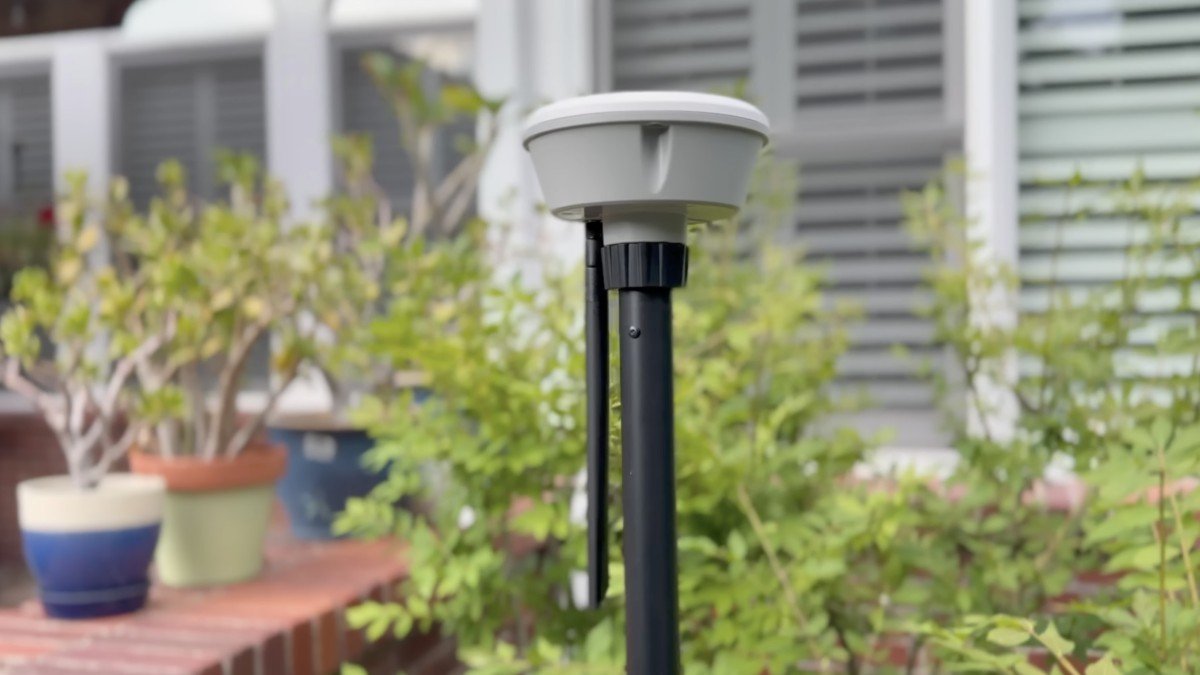
The Lymow One uses a dual navigation stack: RTK GPS for centimeter level positioning accuracy, combined with VSLAM, a visual mapping system that uses camera data to continuously refine the mower's map of the yard. The combination allows it to operate autonomously, avoid obstacles, and perform consistently on challenging terrain without perimeter wire installation.
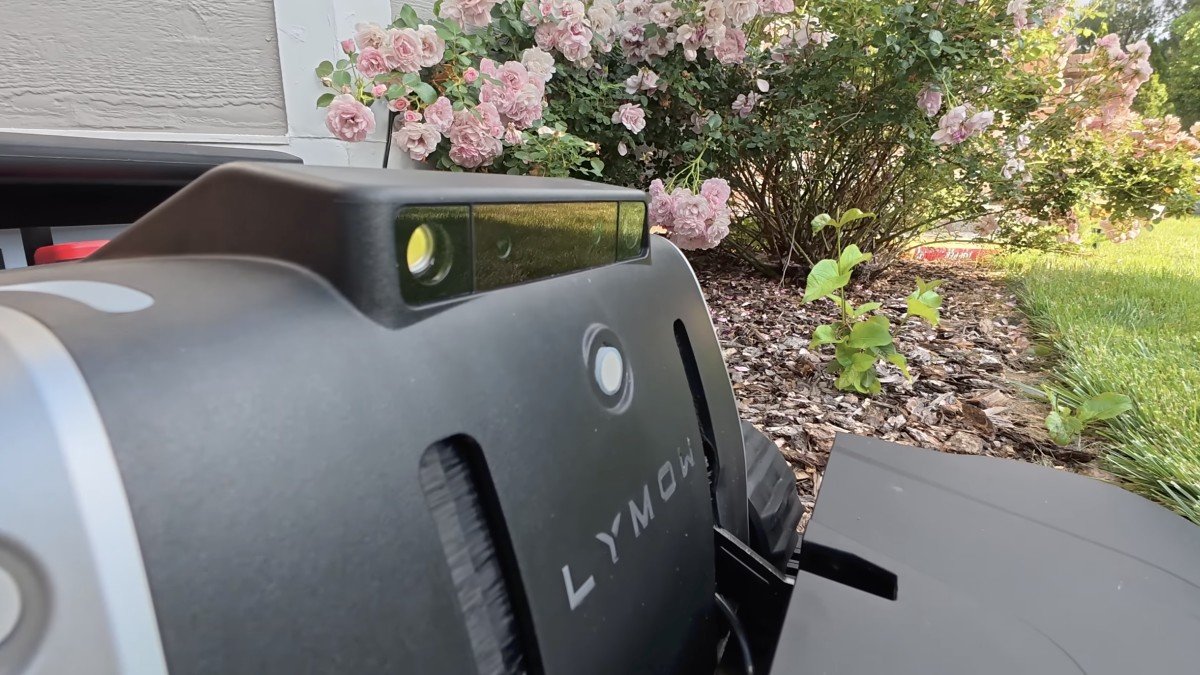
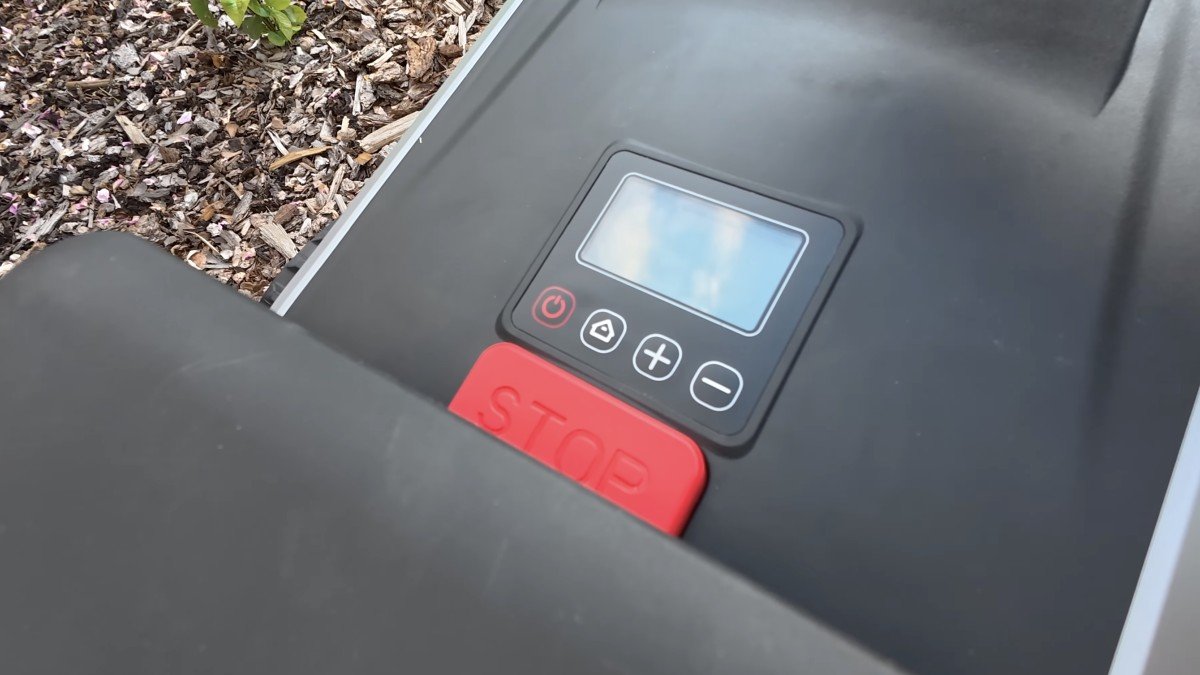
Obstacle detection is handled by AI vision, 5 ultrasonic sensors, and a contact bumper. The system can identify and navigate around pets, children, and garden features. If the mower is lifted it stops immediately, and there is a physical emergency stop button on the unit itself.
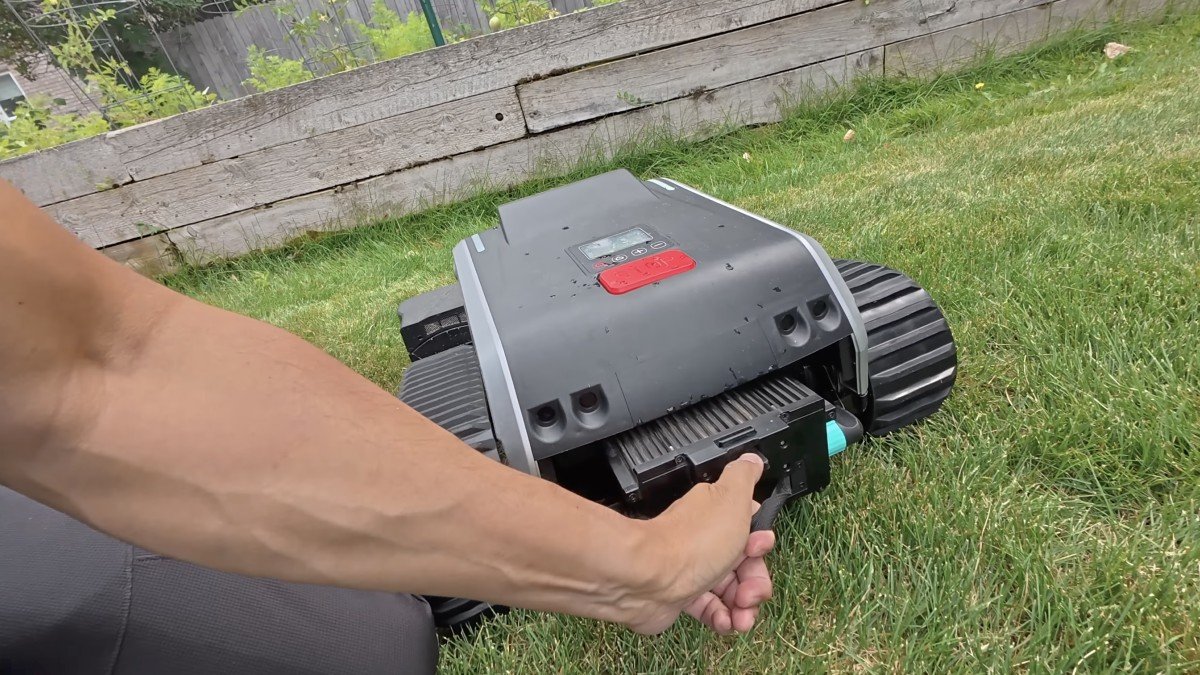
The battery is a lithium iron phosphate unit, chosen for longevity over the lithium ion cells found in most competitors. It is swappable without tools, which is a genuine convenience (but also a theft risk). On a single charge it covers 25,000 square feet, and with automatic recharging cycles it can cover up to 1.73 acres in a day.
App Control
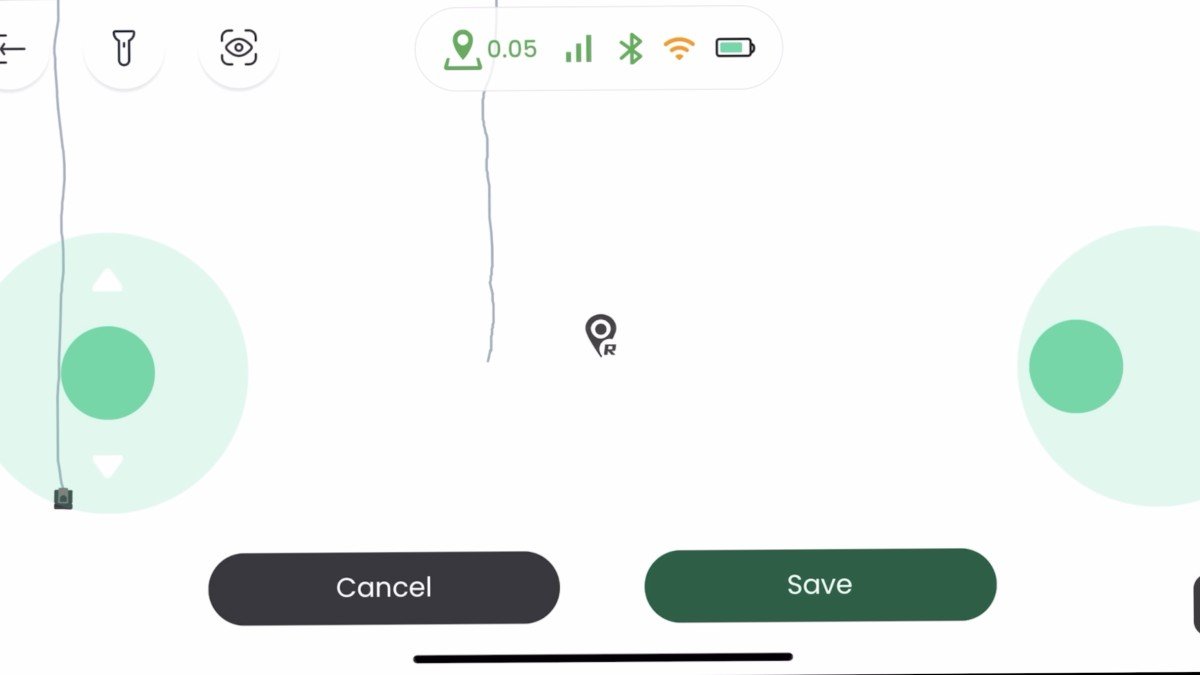
The companion app connects via Bluetooth, Wi-Fi, and 4G, and offers a level of mowing control the team has not seen matched in this category. Zone mapping, schedule programming, stripe pattern selection, speed settings, cutting height adjustment, and blade spin speed are all accessible. The blade speed customization in particular is unusual, as no other robot mower in the team's testing has offered it. The app is functional and covers the bases, though it has some rough edges that will likely be addressed in future updates.
The physical display on the unit itself is a different story. It is hard to read in outdoor lighting, and the information it surfaces is not presented in a way that is immediately interpretable. It functions, but it is clearly behind where the app experience is, and an update to the display UI would be a straightforward quality of life improvement.
What Does Not Work
The Lymow One is noticeably louder than competing robot mowers. The tradeoff is understood: more powerful blades spinning at higher RPM produce more noise. But in practice this means the Lymow One is not a machine you run in the background during an outdoor gathering; although it should be noted that Jimmy reviewed the pre-production unit, and Lymow insisted the noise problem would be dampered on official production. Even with sound lessened, it likely still needs to be scheduled for when the yard is unoccupied, which limits some of the convenience argument.
The weight, at 77.6 lbs, is a real constraint if your yard requires regularly moving the mower between areas. This is not a machine you pick up casually (unless you're Superman). For setups where the mower can be deployed and left to run autonomously without relocation, the weight is irrelevant. While it does pretty well navigating, some setups will always require manual handling. If this is might be frequent for you, it is a genuine limitation worth understanding before buying.
The battery, while conveniently accessible and easily swappable, is arguably too easy to access. It is the single most expensive component on the machine and the current design offers minimal physical deterrent to theft. For a machine that operates unattended outdoors, that is worth factoring into where you choose to deploy it.
The Freshly Charged Verdict
The Lymow One earns its recommendation for yards that the standard robot mower category has always struggled with: uneven terrain, steeper slopes, longer or denser grass, and complex layouts with multiple zones. The tank tread mobility system and rotary blade design solve real problems that caster wheel and razor blade machines paper over. For flat, well-maintained suburban lawns that never get ahead of schedule, the additional power and weight come with trade-offs that may not be necessary. What Lymow has built is a machine that handles robot mowing as an engineering problem rather than a consumer electronics exercise. The result is heavier, louder, and more expensive to maintain than its competitors. It is also, in the situations it was designed for, considerably better. The direction is right, and the execution makes a compelling case for the approach.
- Current price of the Lymow One: https://dada.link/h0QF5e
Related Reviews
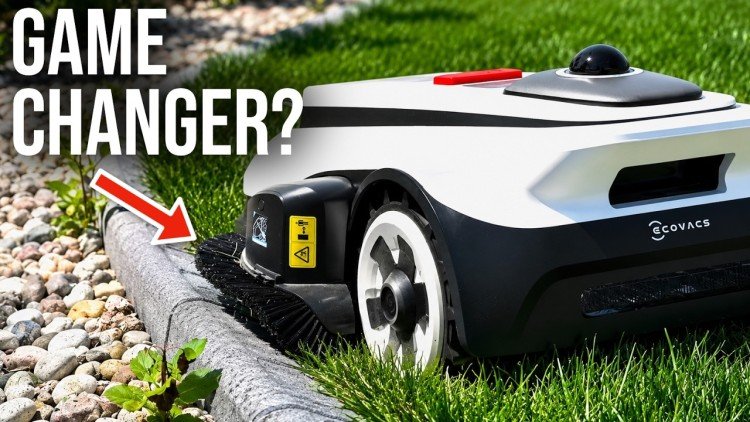
Robot mowers have always had an edge problem, and the ECOVACS GOAT A3000 LiDAR PRO is the first one Jimmy has tested that actually comes close to a wholly autonomous solution. After a few months of real use, the TrueEdge trimmer has not eliminated the string trimmer entirely, but it has reduced the work from cleaning up a full perimeter band to just chasing down a few missed spots. That alone is a major selling point, but the premium feature stack and quality app further the argument to buy.
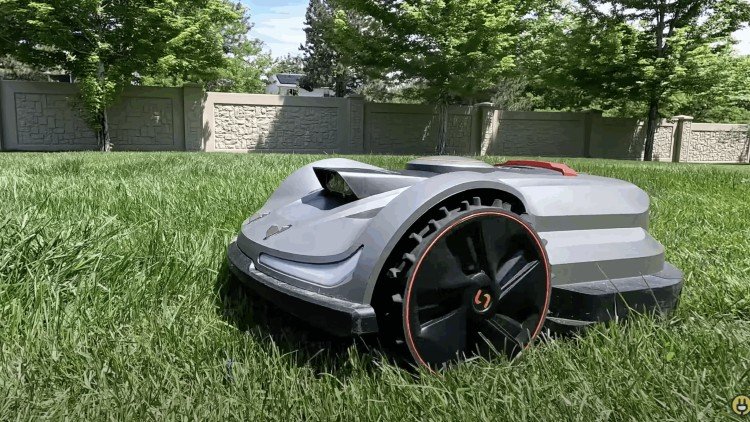
The Sunseeker Elite X7 Plus robotic mower combines advanced features like GPS-RTK mapping, AI obstacle avoidance, all-wheel drive, and ultra-quiet operation, making it a standout for hands-off lawn care. Designed for mid-to-large yards, it excels at handling hills and complex terrain with an intuitive app for setup and control—ideal for tech-savvy homeowners.
-medium.jpg)
The Yarbo is a modular autonomous yard robot that swaps between mower, snowblower, trimmer, and leaf blower attachments on a single base unit. Build quality is premium, the app is solid, and the snowblower attachment is a standout. The mowing performs well on large open lawns but struggles with cut quality in tight, obstacle-heavy areas. The bigger issue is the early-adopter tax: setup is complex, connectivity drops happen, and troubleshooting typically means forums rather than fast support. For large-yard owners who value their time and are comfortable with capable-but-still-maturing technology, it delivers. Everyone else may want to consider other options or wait for the rough edges to smooth out.
-medium.jpg)
The Dreame A3 AWD Pro is a robot mower built for yards that present a real challenge, and after several weeks of testing across hills, exposed roots, and uneven terrain, Andrew found it handled the hard parts better than most. The EdgeMaster 2.0 edge trimming system is genuinely impressive when set up correctly, though the fixed 1.2 inch cutting height is a real limitation for anyone running their lawn taller. The overall ownership experience, from the toolless blade changes to the thoughtful security features, is what makes this one stand out.
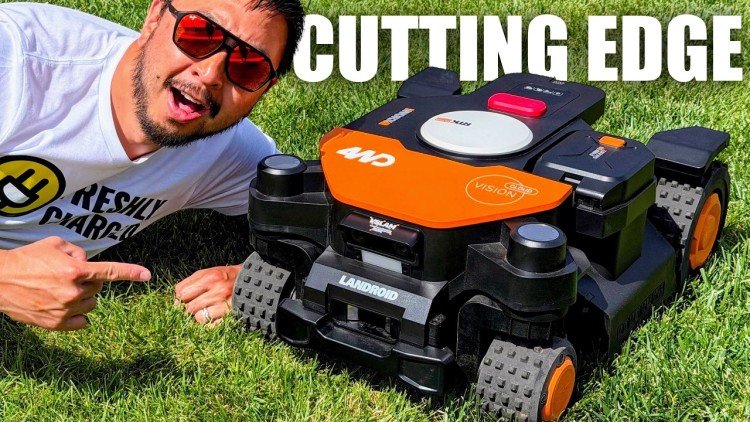
The WORX Landroid Vision Cloud 4WD is the first robot mower Andrew has tested that makes good on all three of its headline promises: no external RTK station, a base station that actually sits against your house, and edge trimming that actually reduces the need for a string trimmer. After a full week of real-world testing across a complex multi-zone yard, the results held up. If you have a demanding yard and a low tolerance for robot mower compromises, this new to the market product is worth a serious look.
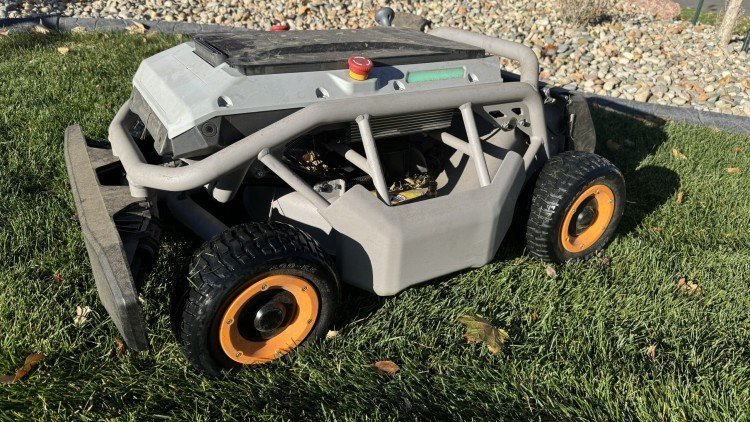
The Mowrator S1 sets itself apart as a powerhouse among robot lawnmowers. Weighing in at 115 lbs and tackling an acre of rough terrain on a charge, it's remote-controlled for direct operation—no fancy apps or boundaries needed. Offering durability, power, and convenience, its main drawbacks are limited water resistance and Android-only updates. Perfect for demanding lawns.
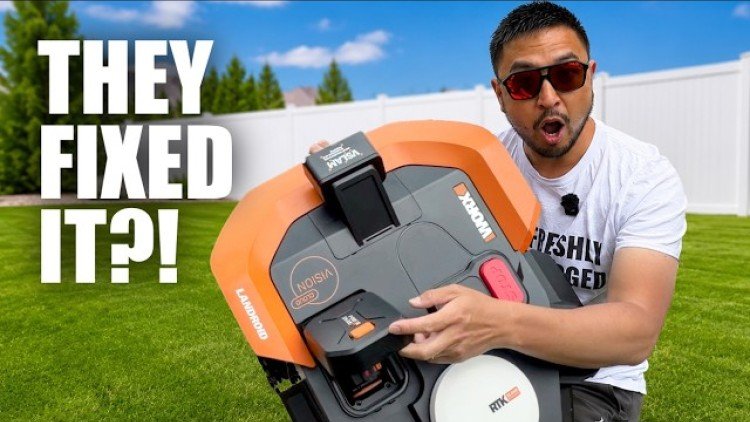
At $1,199, the WORX Landroid Vision Cloud two-wheel drive version makes a strong case for being the most capable budget robot mower the Freshly Charged team has tested. Andrew and Jimmy put it through two weeks of real-world use and came away impressed by two things that have historically let this category down at this price point: auto mapping that actually works and edge trimming that reliably cuts down the manual follow-up work. It is not perfect, but for a flat or moderately complex yard where all-wheel drive is not a requirement, the value for your money is hard to argue with.
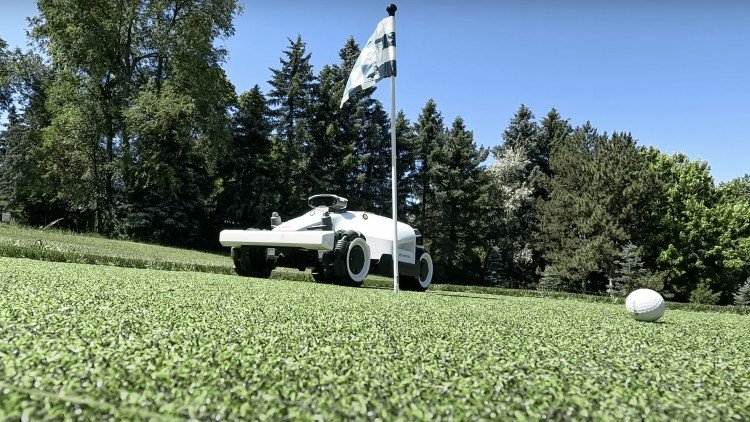
The Mammotion Luba 2 AWD robotic lawn mower impresses with its sleek design, powerful terrain handling, quiet operation, and smart autonomous features, making lawn care easy and efficient. While software updates and pricing could be improved, the Luba 2 shines for those with challenging yards, though flat-lawn owners might prefer alternatives like the Segway Navimow.
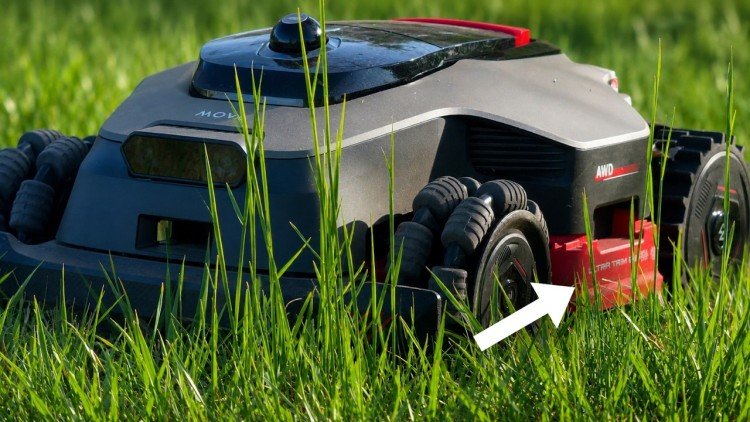
The MOVA LiDAX Ultra 3000 AWD is a high-end robot mower built specifically for yards with traits that would stop most of the competition cold: steep slopes, complex multi-zone terrain, and surfaces that require real traction to navigate. Jimmy put it through some seriously tough conditions, and it handled the job without ever getting lost or needing intervention. It carries a premium price and an app ecosystem that still has room to grow, but for anyone managing a genuinely difficult yard, it's one of the most capable robot mowers we have ever tested.
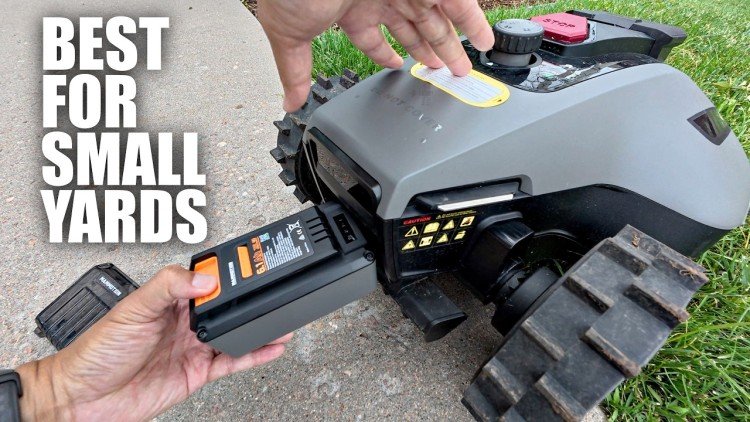
Mammotion's YUKA Mini is a wire-free robot mower built specifically for small urban and suburban yards, and it delivers a feature set that is a pleasant surprise at this price point. Jimmy put it through real-world testing including overgrown grass, surface roots, and an 18-degree hill climb, and the machine held up where it counts. It has limitations, as any robot mower does, but none that change the bottom line: if you have a small yard and you're done pushing a mower, this might be the one for you.
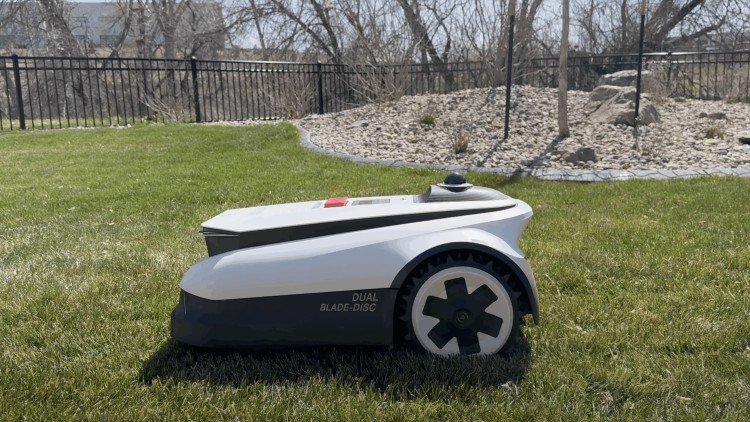
The Mammotion Luba Mini AWD is a compact robot mower built for smaller yards with real terrain challenges. A motor in every wheel, functional suspension, and an open cutting deck make it one of the more capable designs in the category. After six weeks of testing, the Freshly Charged team found it delivers on its core promise, but only for owners willing to put in the setup work. Auto-mapping needs improvement and the $29 dock cover should come in the box. For the right yard, it earns a recommendation from us.
No comments yet…