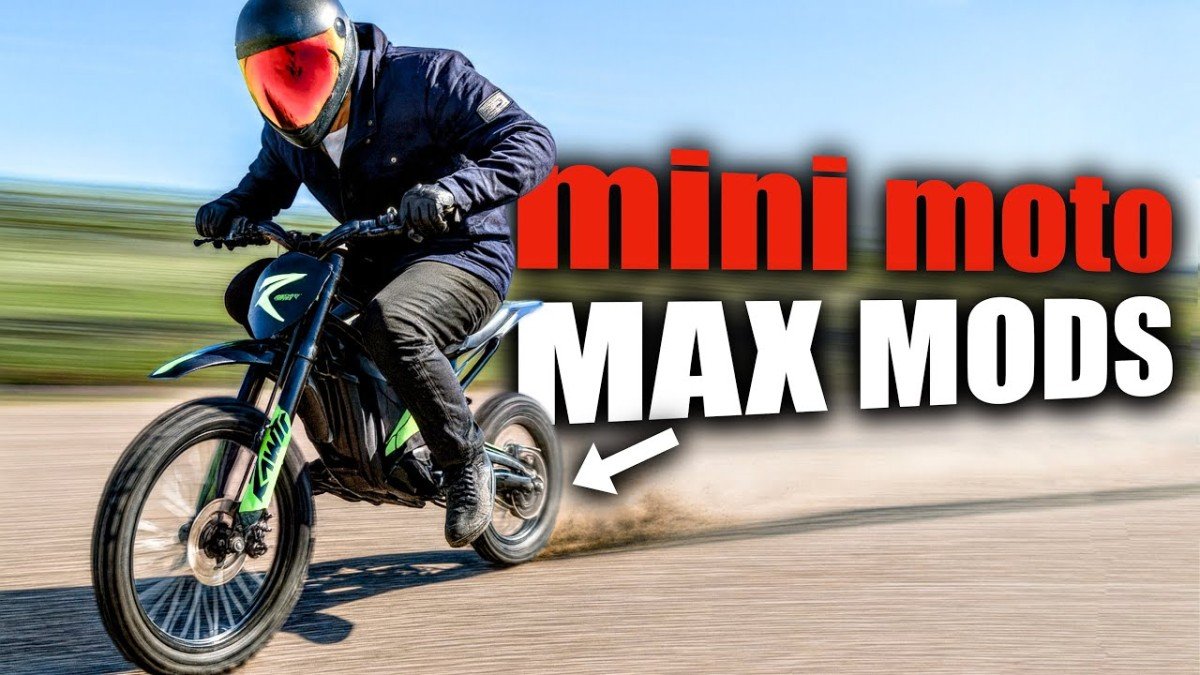
The Rawrr Mantis Mini R is a genuinely well-built mini dirt bike that punches above its size class with premium components, a sinewave controller that delivers smooth and tunable power delivery, and a Bluetooth app that lets you dial the bike up or down depending on who is riding it. The headline feature is the upgrade path: buy the stock R with smaller tires for a younger kid, then swap to the R17 kit as they grow taller and more skilled, without buying a whole new bike. Testing showed the R17 configuration hits 45 mph and counterintuitively produced better acceleration than the stock setup, which the team attributes to tighter chain tension after reassembly. The honest limitations are suspension that bottoms out for riders over roughly 150 pounds, no headlight, no key-based security, and an upgrade kit that ships without any installation instructions. Best suited for families with kids growing into the sport, or adults who want a compact and capable neighborhood pit bike and understand they are riding a mini platform rather than a full sized machine.
Video Review

Written Review
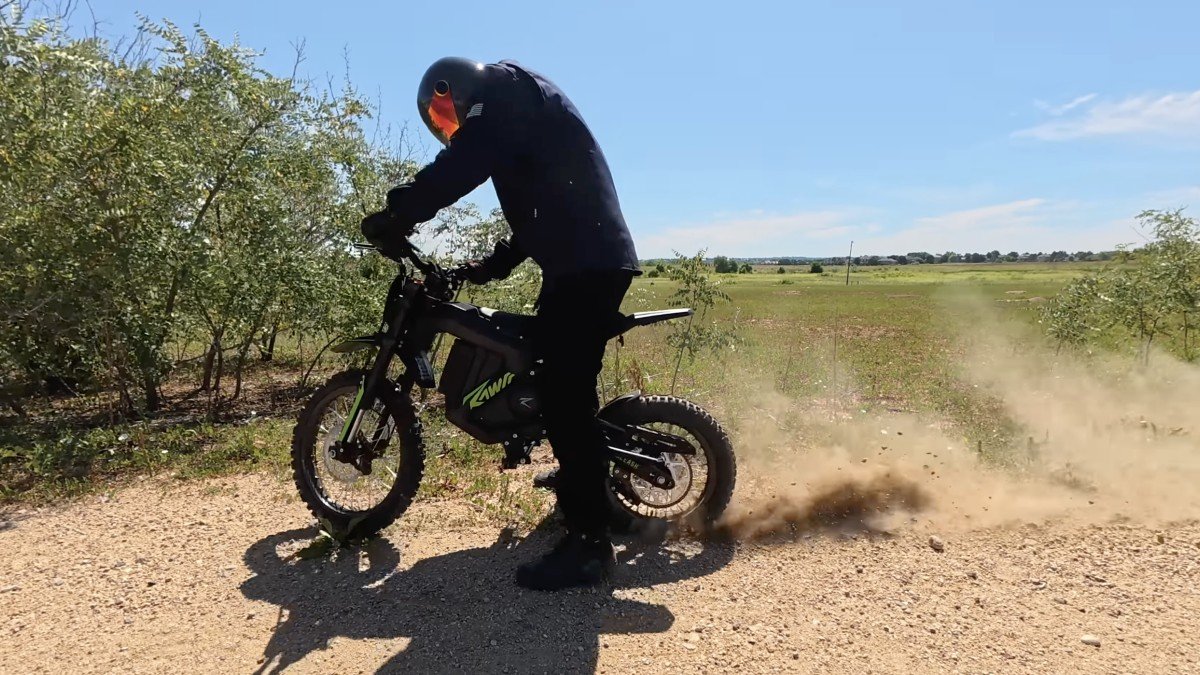
Mini electric dirt bikes have flooded the market, with a surplus looking like cheap platforms built to a price. Per our video review, we found The Rawrr Mantis Mini R as a legitimately spec'd mini eMoto designed to function as an adult bike scaled down, with quality parts that justifies the premium over Amazon alternatives. The Freshly Charged team tested both the stock R configuration and the R17 upgrade over several days of riding, and the headline finding is straightforward: this bike is genuinely fun, the upgrade path is real, and the suspension is the one notable limitation for heavier adult riders.
- Current price of the Mantis Mini R: https://bit.ly/4lCCzK6
- Use coupon code: FreshlyCharged100! to save $100
The Platform
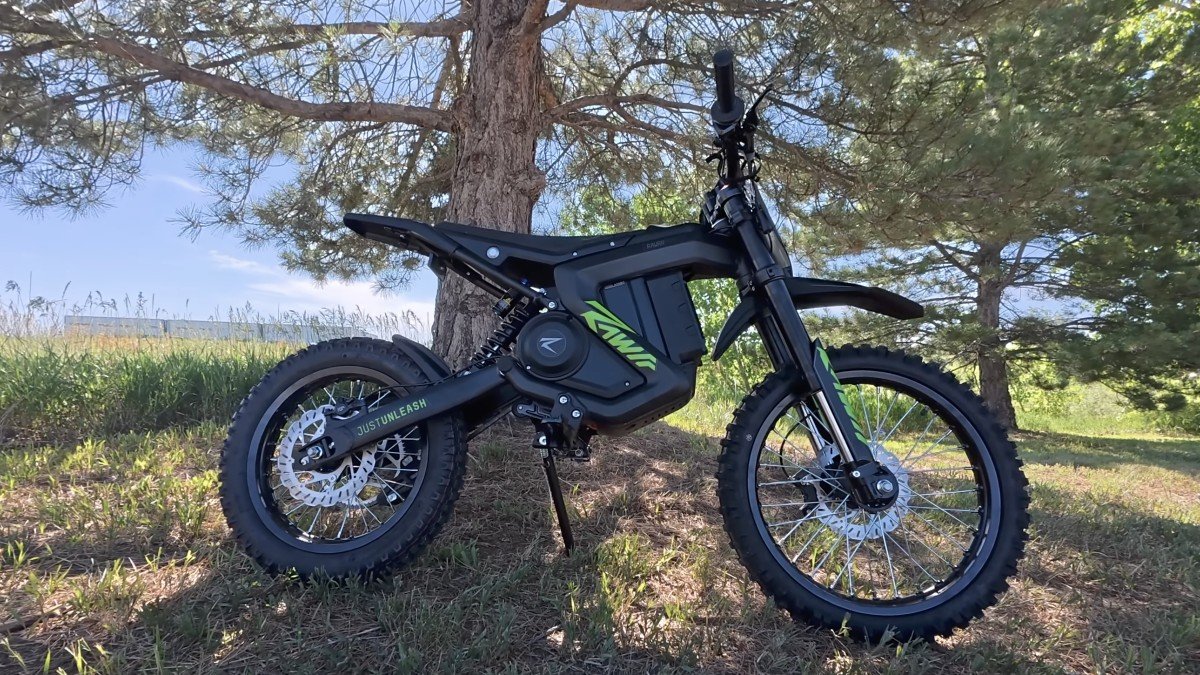
Both versions share the same core: a 72V 20Ah battery (1,440Wh), a 2,000W direct chain drive motor peaking at 4,500W, a sinewave field oriented controller, a color display with three speed modes, and four piston hydraulic brakes up front. The rear runs two piston hydraulic brakes, which is a cost saving decision the team flags as a miss given the front spec.
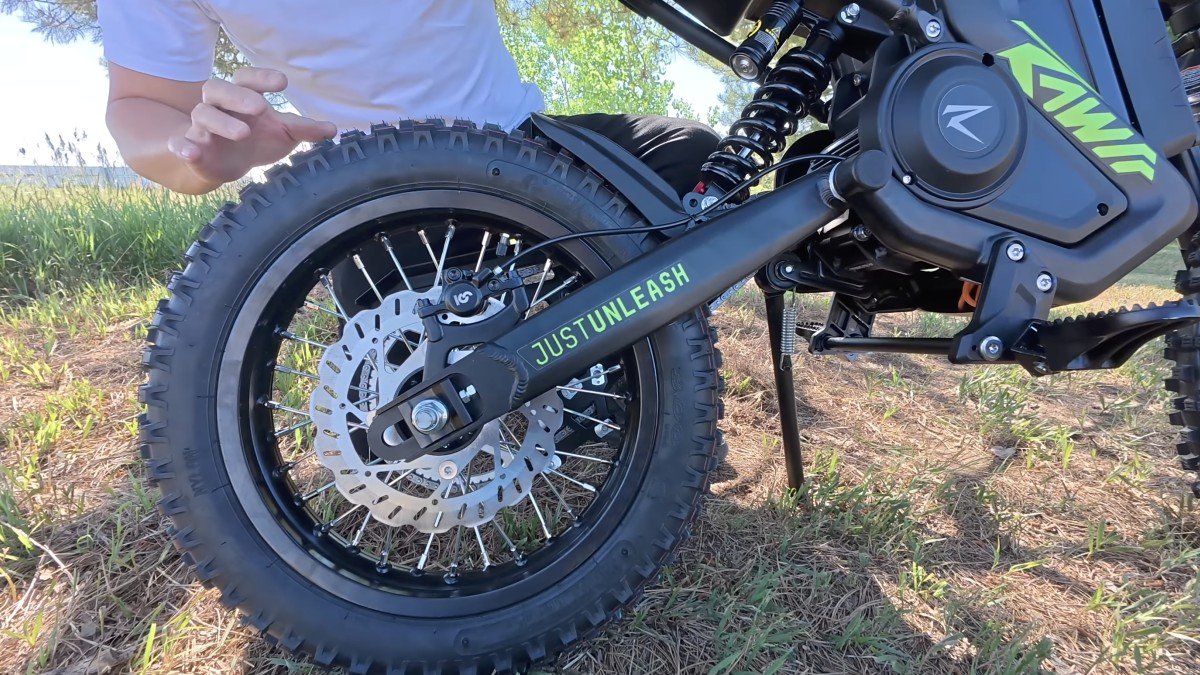
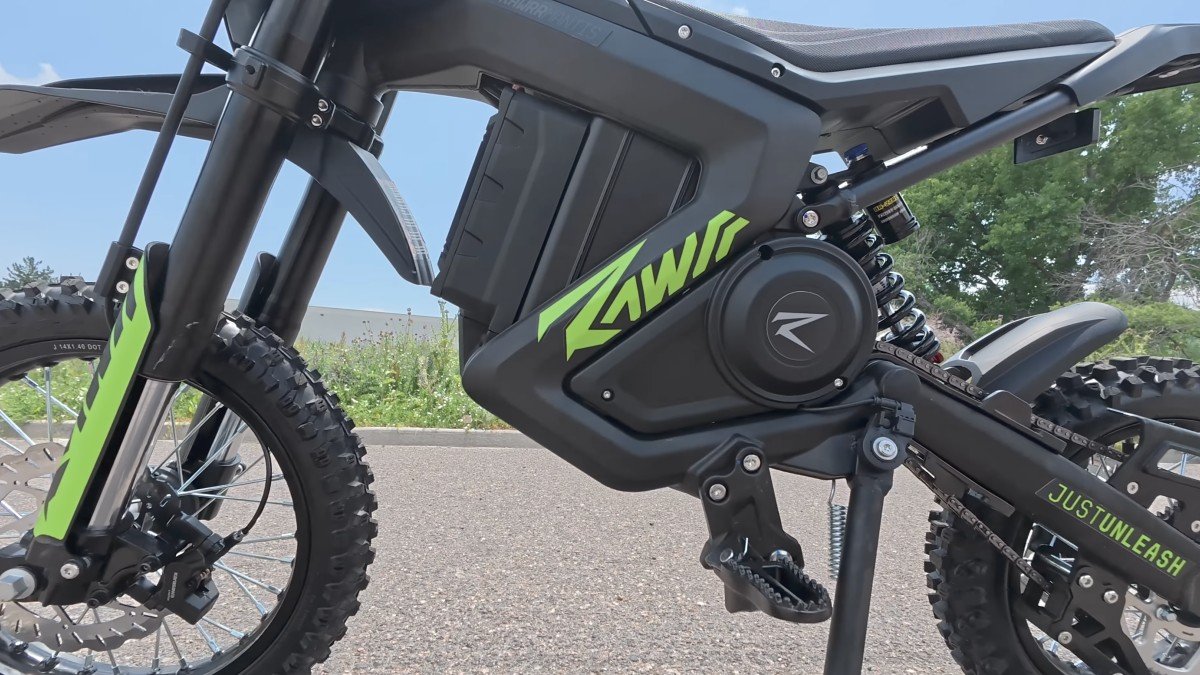
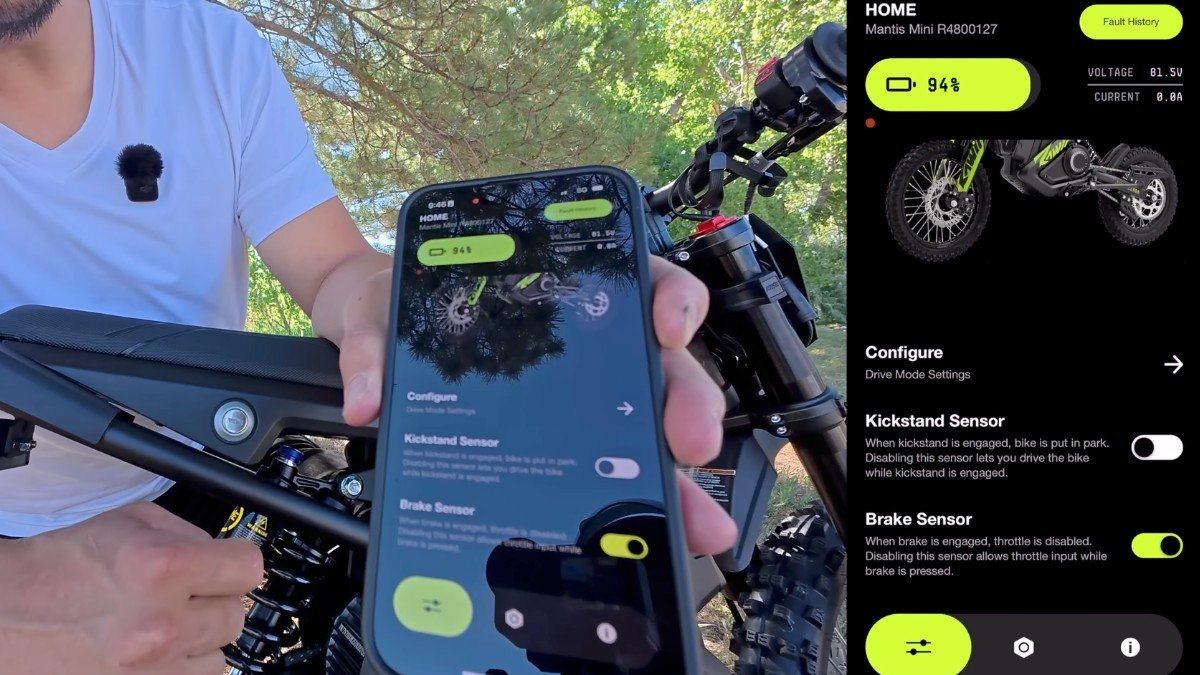
Rear suspension is an adjustable KK unit with rebound and preload adjustment. Front suspension is hydraulic but non adjustable, which becomes relevant for heavier riders. An enclosed Bluetooth app handles speed mode configuration, throttle curve tuning, torque adjustment, kickstand sensor control, and brake sensor override — the last of which allows throttle input with the brake applied, enabling burnouts and wheelies without physical cable disconnection.
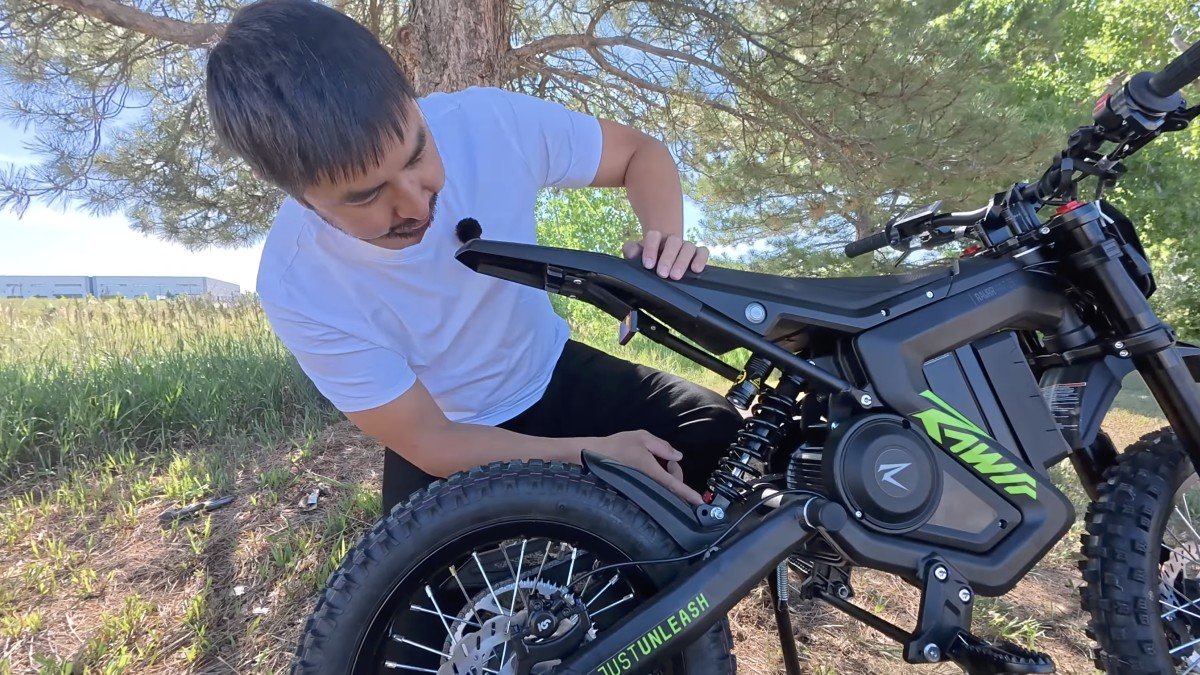
Safety is taken seriously for a bike aimed partly at younger riders, which is really the bare minimum we expect. There are three independent cutoff systems: a standard kill switch, a magnetic tether switch that cuts the motor if the rider separates from the bike, and a breaker switch under the seat. The display can power on with the breaker off, but the motor will not engage, a sensible design that prevents accidental throttle events. The battery is accessible under a seat that pops off cleanly and can be charged in place via an external port or removed and charged separately.
Build quality is the other thing the team wants on the record. The frame, components, and finish communicate premium in a way that direct competitors at lower price points do not. This bike does not look or feel like an Alibaba product. It is designed to be ridden hard, adjusted precisely, and handed down or upgraded rather than replaced.
R vs R17: What the Upgrade Actually Does
The stock Mantis Mini R runs a 14-inch front tire and a 12-inch rear, while the R17 upgrade kit swaps those for a 70/100-17 front and a 3.00-14 rear. That front size jump — 14 to 17 inches — is the meaningful change. It raises the ride height, suits taller riders better, and, as the team found in testing, also raises the top speed ceiling to 45 mph.
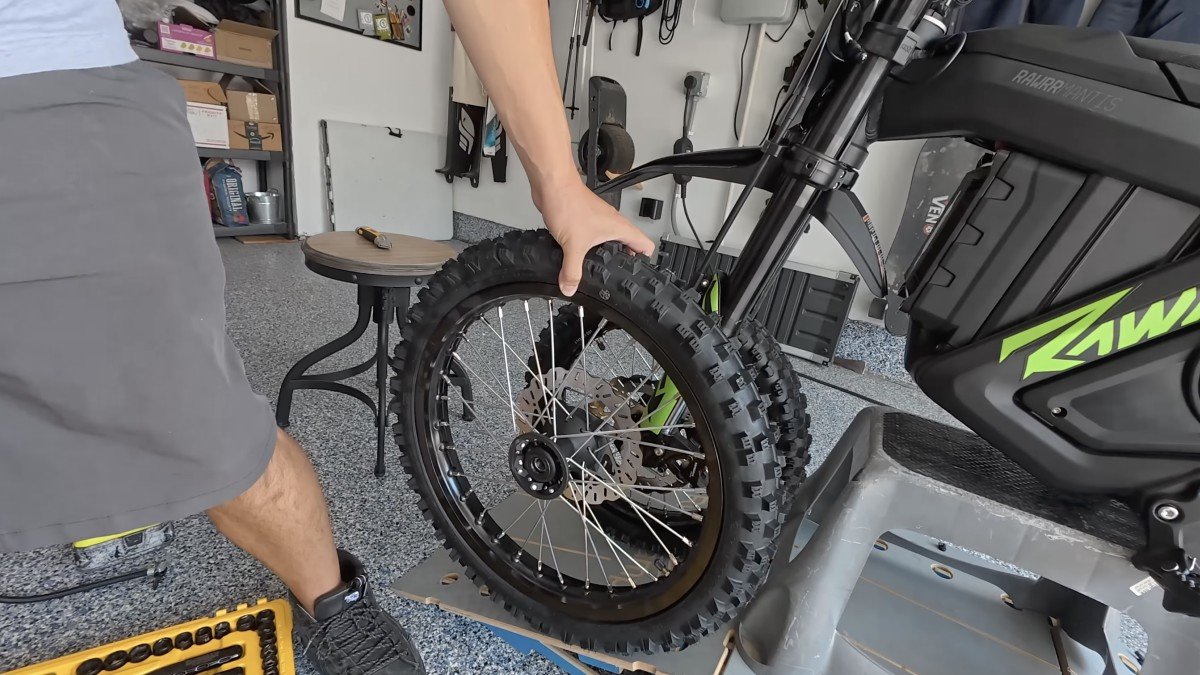
The counterintuitive finding from the team's comparison testing: acceleration was actually better on the R17 configuration, not worse as larger tires would theoretically suggest. The team attributes this to being able to run a tighter chain tension during reassembly. They flag this explicitly as their hypothesis rather than a confirmed engineering outcome, but the measured result was consistent: bigger tires, faster acceleration, higher top speed.
The upgrade kit is available separately, meaning a family can purchase the stock R for a younger child, then buy the kit later as the child grows. Rawrr also sells the R17 as a standalone configuration for buyers who want to skip the smaller setup entirely. The upgrade process is straightforward but comes with a meaningful caveat: there are no official instructions. The team managed it because Andrew has done this type of work before, but first timers will be winging it. Rawrr needs to address this.
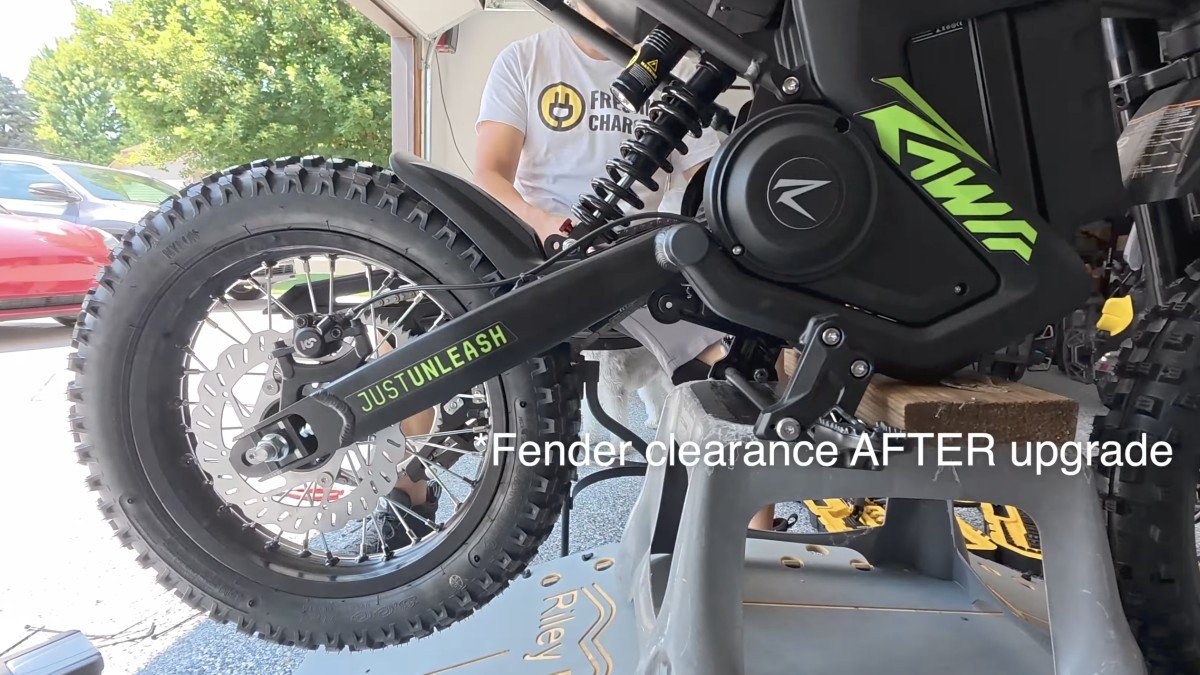
The rear fender is also undersized for the larger tire, making clearance tight enough that the team suggests leaving it off after the swap. A properly sized fender should be included with the kit.
What Works and What Does Not
The sinewave controller is the right choice for a bike that will be ridden by beginners and kids. Throttle response is linear and progressive rather than binary, which means a new rider is not fighting an instant on power surge every time they touch the throttle. The app based tuning system extends this, with throttle curve and torque delivery that can be dialed back for young or inexperienced riders and opened up as skill develops.
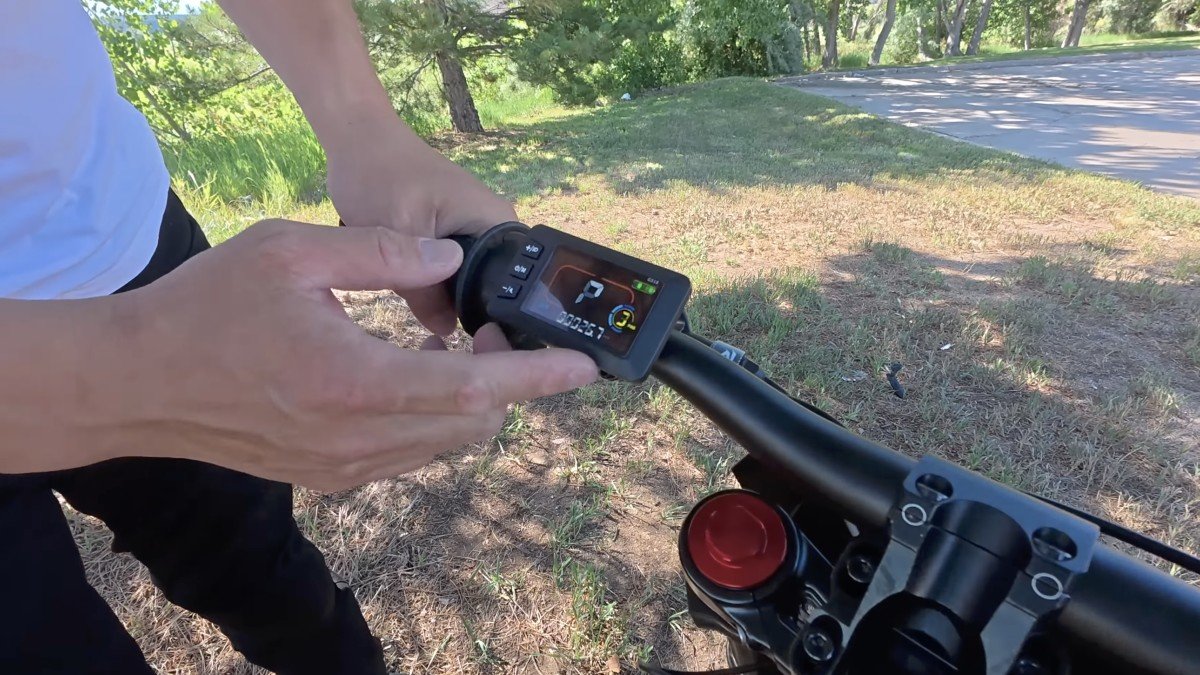
The color display is worth mentioning specifically because most eMoto products at this size still run monochrome units. It is a small detail that signals the quality direction Rawrr is taking the product.
Where the bike falls short is predictable given the platform size: suspension performance for adult sized riders. The front forks have no adjustability, and for anyone over approximately 150 pounds or taller than around 5'3", both ends will bottom out on anything beyond smooth pavement. For lighter riders and children this is not an issue and the suspension is pretty well tuned for that use case. But adults who want to use this as a genuine pit bike or neighborhood runner at full riding weight need to understand the limitation upfront.
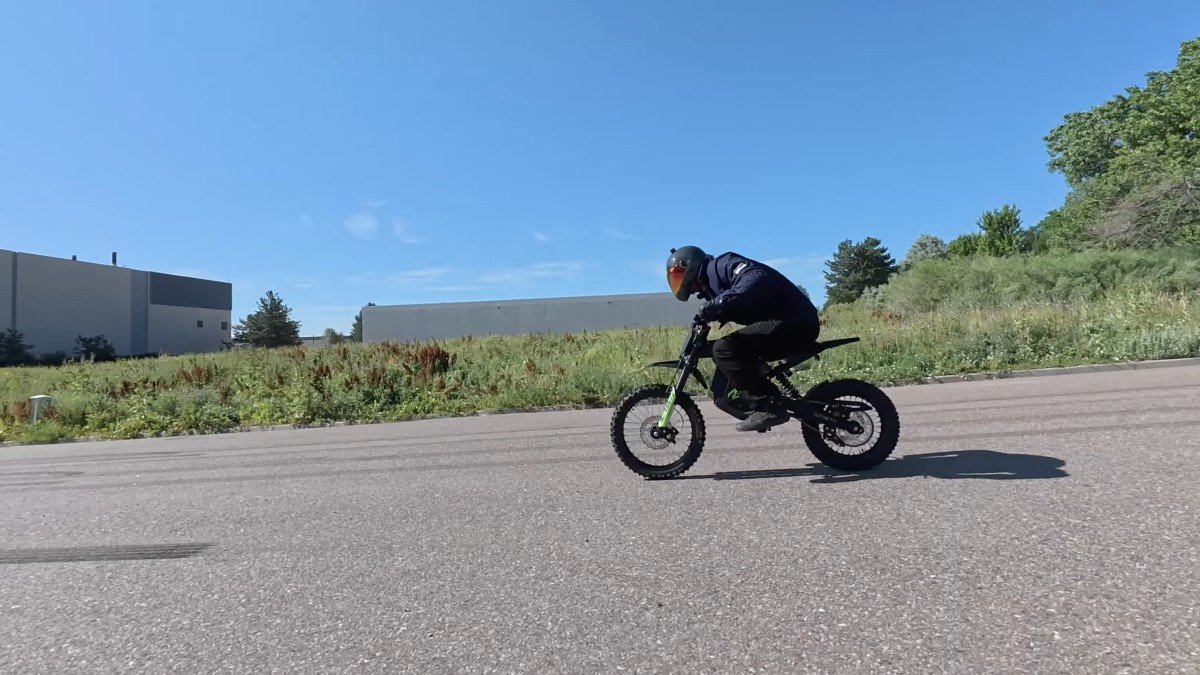
The bike ships without a headlight, which is a real problem for anyone planning to ride at dusk or in lower light conditions. A physical key ignition is also absent, meaning the only way to secure the bike is removing the magnetic tether switch. App based locking would solve this and the feature is not currently available.
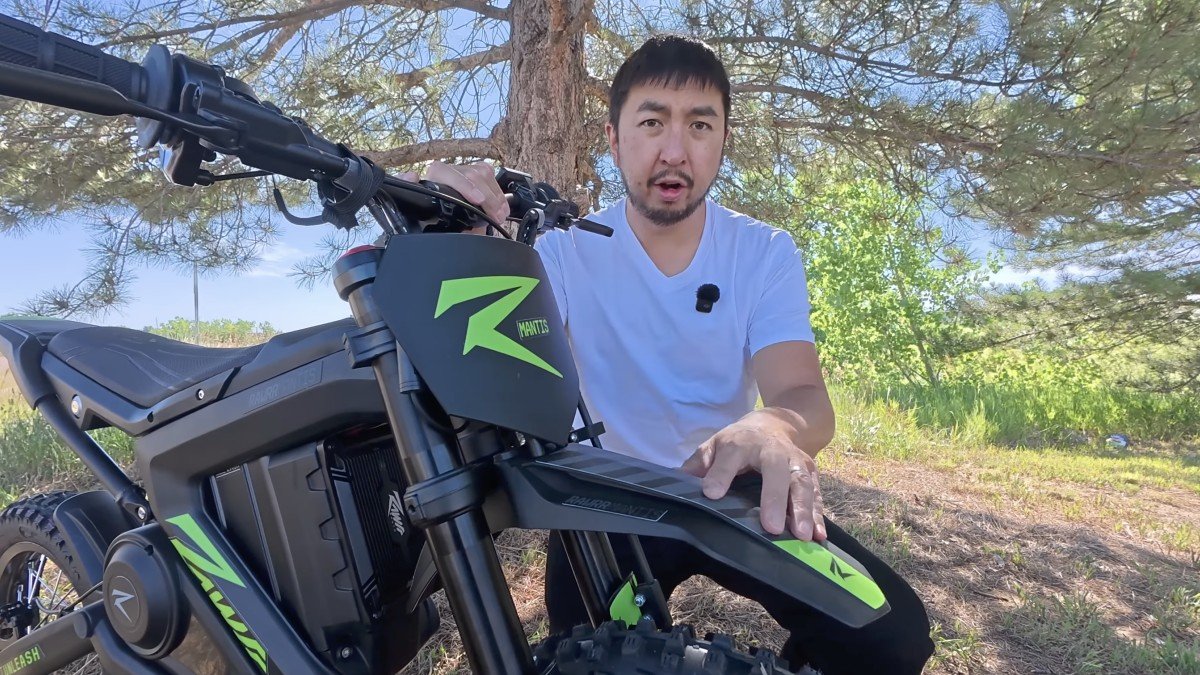
The battery, while adequate for lighter riders, will produce noticeably reduced range under heavier adult loads. It is a function of the pack size relative to the motor output under sustained demand.
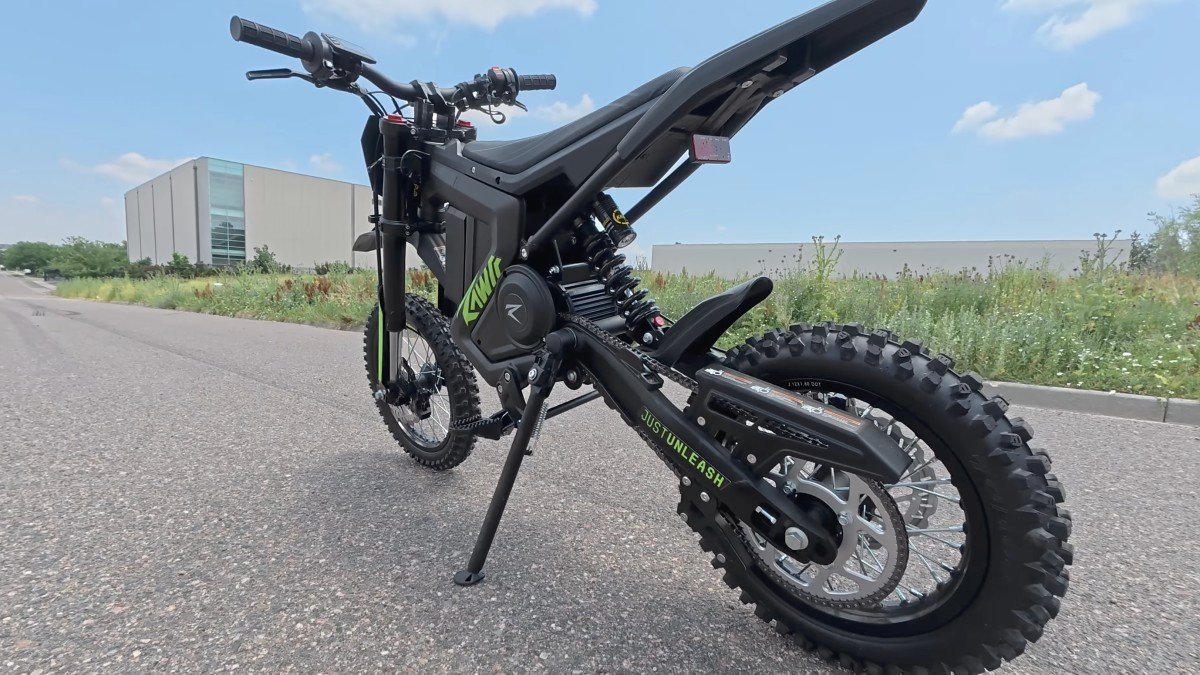
The Freshly Charged Verdict
The clearest use case is families with kids who want a platform that does not become obsolete as the child grows. Start with the stock R configuration, dial down the power in the app for younger or less experienced riders, and upgrade to the R17 kit when size and skill warrant it. The upgrade path is the central value proposition of this bike, and it is executed well enough that it should be the lead reason a family chooses this over competing options at the same price point. Adult riders who want a capable and genuinely fun neighborhood pit bike can enjoy the R17 at the limits of its suspension, with the understanding that it is a mini platform performing admirably above its size class rather than a full sized machine. If the priority is a full adult dirt bike, the Mantis X — with nearly double the battery and a larger overall platform — is the right step up.
- Current price of the Mantis Mini R: https://bit.ly/4lCCzK6
- Use coupon code: FreshlyCharged100! to save $100
Related Reviews
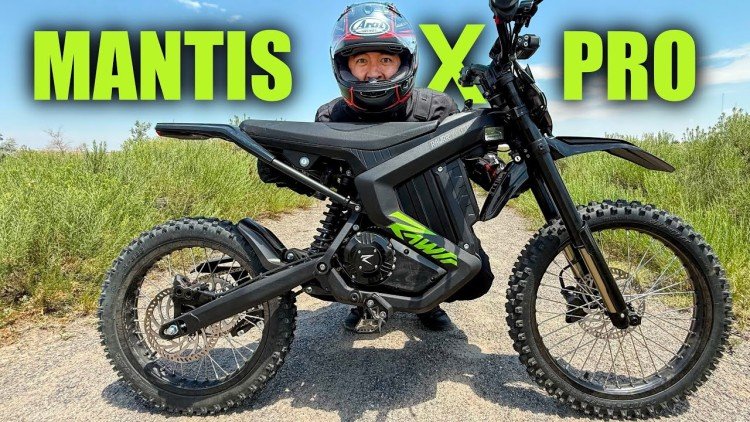
The Rawrr Mantis X Pro takes the proven Mantis X platform and implements some serious upgrades: peak motor output more than doubles to 15,000W, torque jumps to 288 ft-lb, top speed climbs from 50 to 65 mph, and the battery grows to a 72V 35Ah pack using higher quality 50S lithium-ion cells. The safety and lighting upgrades are equally significant: a genuinely bright front light, an added brake light and tail light, larger brake pads with more stopping surface, and a reinforced rear linkage that addresses a known failure point across the category. Real world range under hard riding came out to approximately 26 miles, with 62 miles available in Eco mode (according to Rawrr). The honest caveat is that the turn signal buttons are present but connect to nothing, the off road tires are dangerously slippery on smooth pavement until broken in, and the team felt upgrades to suspension and voltage should have been present for the asking price. Whether the $800 premium over the standard Mantis X is worth it comes down to how much the performance ceiling and safety upgrades matter to the buyer: for riders who want maximum power from the Rawrr lineup, the Pro is the clear answer.
-medium.jpg)
The GHOSTCAT F4X is a 40 mph mini eMoto wearing eBike clothing, and the pedals are there for legal classification purposes rather than actual use. Ride quality is the headline story: the KKE suspension, Maxxis MaxxVenture tires, and power-to-weight ratio combine to produce a genuinely fun and capable machine that does not ride like anything else in the fat tire eBike category. The compromises are real though, including a rear fender that is essentially decorative, battery straps which are an inelegant fix for a mounting design problem, and pedals that will immediately disappoint anyone expecting to use them. GHOSTCAT earns points for US based customer support and for proactively upgrading early adopters at no cost when they improved the controllers. Bottom line: if you want eMoto performance in a package that can legally access bike trails (as of now), this is the most fun way to get there.
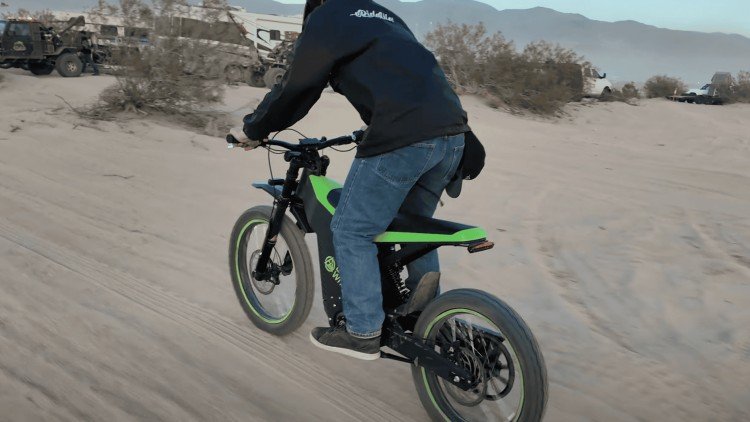
The Extreme Wheel ES, a new mid-tier electric dirt e-bike from Begode’s Extreme Wheel brand, impressed us with its power, security features, and top speed of 54 mph. Its 3,552Wh battery, reverse function, and advanced app connectivity stand out, though we weren’t thrilled with the tire grip or the change from Fastace to DNM suspension. Overall, this product is a strong contender.
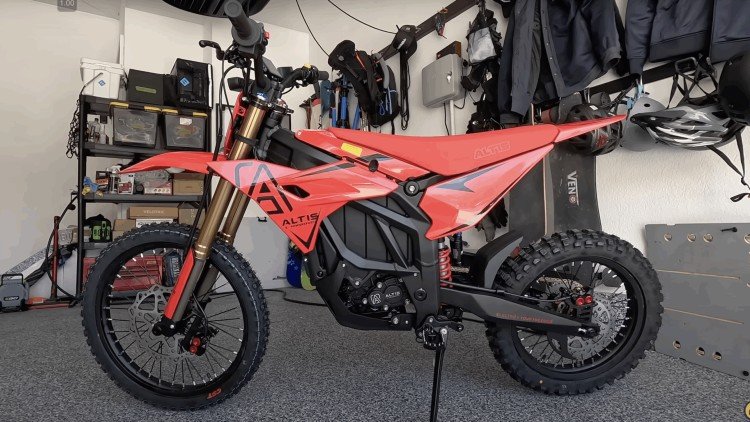
The Altis Sigma MX stands out as the fastest electric dirt bike we've tested, boasting a 64 mph top speed, removable 97.2V battery, 22,500W motor, and impressive build quality. With superior power, range, and features compared to rivals, it’s a game-changer for aggressive riders seeking serious off-road performance at an accessible price.
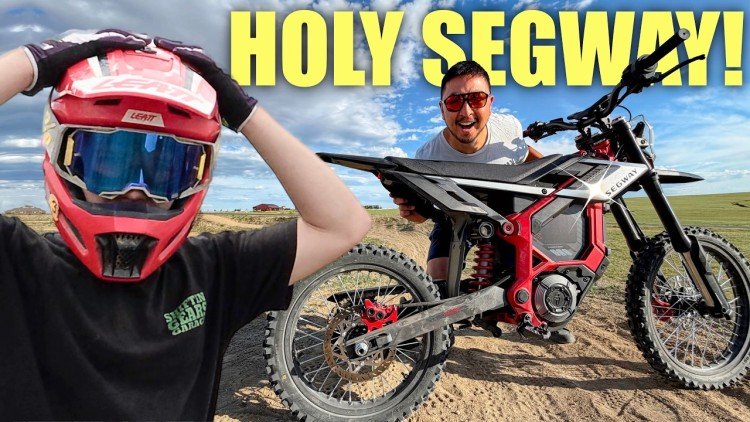
The Segway Xaber 300 is the first electric dirt bike Segway has built from the ground up, and after a full session on a real motocross track with the Gobbo Bros, it earned the kind of endorsement that matters: two experienced riders who came in skeptical and left impressed. The suspension, braking, and power delivery all hold up under hard riding, and the tech and security suite — GPS tracking, AirLock proximity unlock, parental controls, hill hold, and more — has no real peer in the category. The bike is not without its issues, particularly around throttle behavior when the front end is elevated and an e-clutch placement that creates a genuine ergonomic safety concern, plus a wheelie assist feature that was hyped at CES but is missing upon release. For riders serious about off-road performance who also want best-in-class smart features, the Xaber 300 is an attractive contender at its price point.
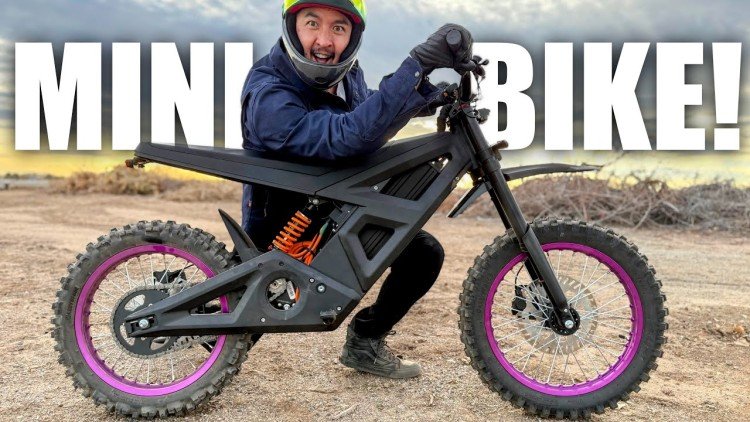
The Extreme Wheel A1 establishes itself as the "power-for-dollar" leader in the mini e-moto category, delivering a 50 mph top speed and high-tier Samsung 50S cells for a $2,499 Minimum Advertised Price. Our field testing confirmed that its 72V system and 4,000W peak motor provide instantaneous throttle response and an impressive acceleration curve. While the A1 offers adult-friendly geometry with its 17-inch front and 16-inch rear tire setup, the budget-friendly price point results in notable technical compromises, including a cast metal frame unsuitable for major jumps and awkward swingarm-mounted footpegs. Additionally, the lack of a functional brake light and kickstand safety sensor are significant oversights for a machine with this much raw muscle. Ultimately, for riders who can overlook these ergonomic and safety trade-offs in favor of a nimble, high-speed "backyard ripper," the A1 represents an unbeatable performance investment in the current sub-$3,000 market.
-medium.jpg)
The Freego Nova 5 has the bones of a competitive 72V electric dirt bike: instant throttle response, DOT-rated four-piston brakes, a 72V 40Ah battery larger than most in the class, and a real-world top speed that beats Freego's own claim. But the Freshly Charged team found loose stem bolts after completing 58 mph speed runs, a disconnected charge cable out of the box, and no kickstand sensor, and at $4,299 those are not minor oversights. Drop the price by $700 and fix the quality control, and this product would become a contender for a serious buyer. At its current ask, there are better options.
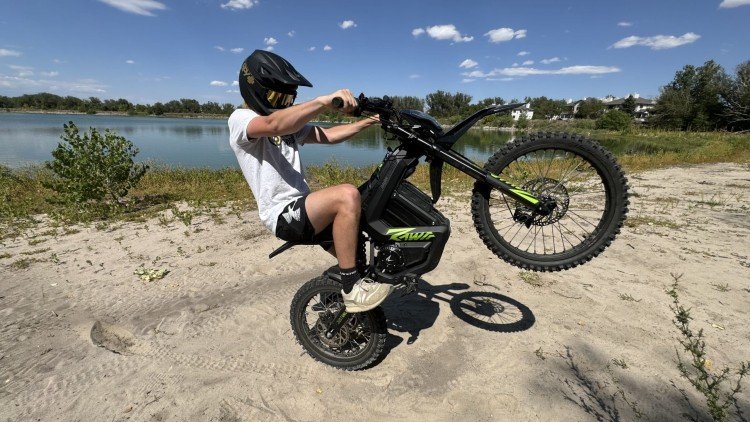
The Rawrr Mantis X stands out as the most affordable electric dirt bike we've tested. Boasting a 72V battery, 50 mph top speed, adjustable suspension, and strong off-road performance; it offers incredible value for budget-conscious riders. While it’s not without flaws—like cheap switchgear and no rear light—its value, power, and unique features for under $3,000 is nearly impossible to beat.
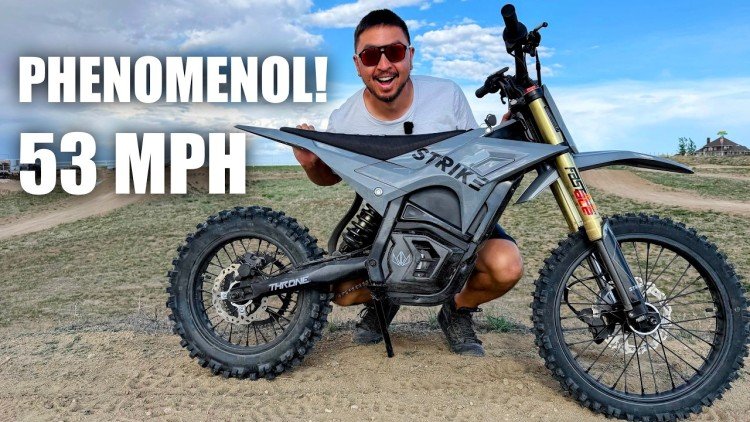
The Strike Shadow 72V, also sold as the SV2, is a 7,000 watt electric pit bike that guest riders Hunter and Gunner Gobbo say rides just like a real CRF150 dirt bike, right down to the cornering grip and wheelie technique. Andrew's testing turned up genuinely premium components for the class, including Fast Ace suspension that outclasses the budget units found on cheaper competitors, though he flagged real safety concerns around unsupported foot pegs and a seat that gets uncomfortable after about half an hour. It is currently priced at around $2,899 and built strictly for off road and closed course riding.
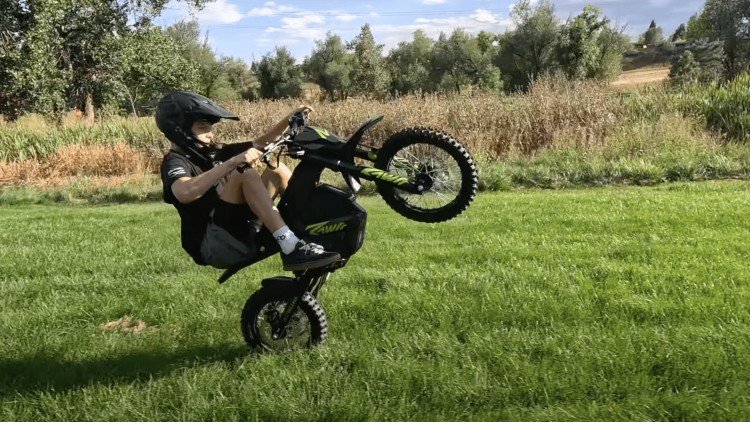
The Rawrr Mantis Mini is a compact, kid-friendly e-dirt bike, perfect for riders aged 8-12 and weighing less than 100 lbs. With punchy low-end torque, portability, and fun aesthetics, it shines as a starter bike. Downsides include its small size, limited features, and a $2,500 price tag for a child’s toy.
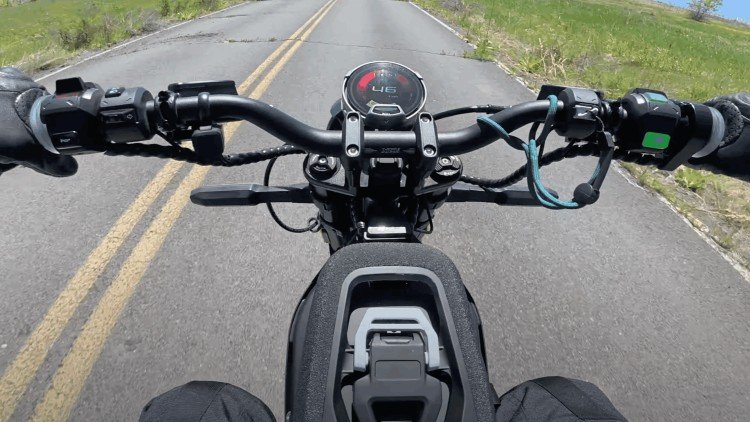
The NIU XQi3 is a feature-rich, street-legal electric dirt bike that blends daily usability with off-road prowess and advanced technology. Boasting a 47 mph unlockable top speed, up to 50-mile range, app integration, and NFC unlocking, it remains a stand out for its smart features and compliance. Practical, powerful, and polished, it’s an ideal legal-ready dirt bike.
No comments yet…