The NOSFET Apex is a legitimate evolution of the Veteran Lynx platform, offering the same proven Leaperkim firmware and motor in a slightly lighter, narrower chassis with one meaningful addition: a DNM air suspension system adjustable from 70mm to 150mm of travel that genuinely works for both street and off road riding. At 85.8 lbs with a 3,200W motor, 151.2V system, and 2,700Wh Samsung 50S battery pack, the specs are strong for the class. The biggest criticism is that the suspension adjustment mechanism on the test unit was difficult (not impossible by any means), but still a frustrating flaw in the wheel's headline feature. Riders who want a EUC that covers both surfaces without buying a dedicated off road machine will find the Apex earns that role, though it comes with some execution gaps (at least on our test unit).
Video Review


Written Review
The premise of the Nosfet Apex is straightforward: take a wheel that competes directly with one of the best-regarded EUCs on the market (and one of Andrew's favorites), the Veteran Lynx, and add a genuinely adjustable suspension system designed for both street riding and off-road. Andrew and Jimmy at Freshly Charged spent serious time on both wheels to find out whether that feature justifies the choice, or whether the Apex is just a dressed-up Lynx without a trolley handle. The short answer: it is not a gimmick...but the execution has rough edges worth knowing about.
- Current price of Nosfet Apex: https://bit.ly/3SYKrJV
What You Are Working With
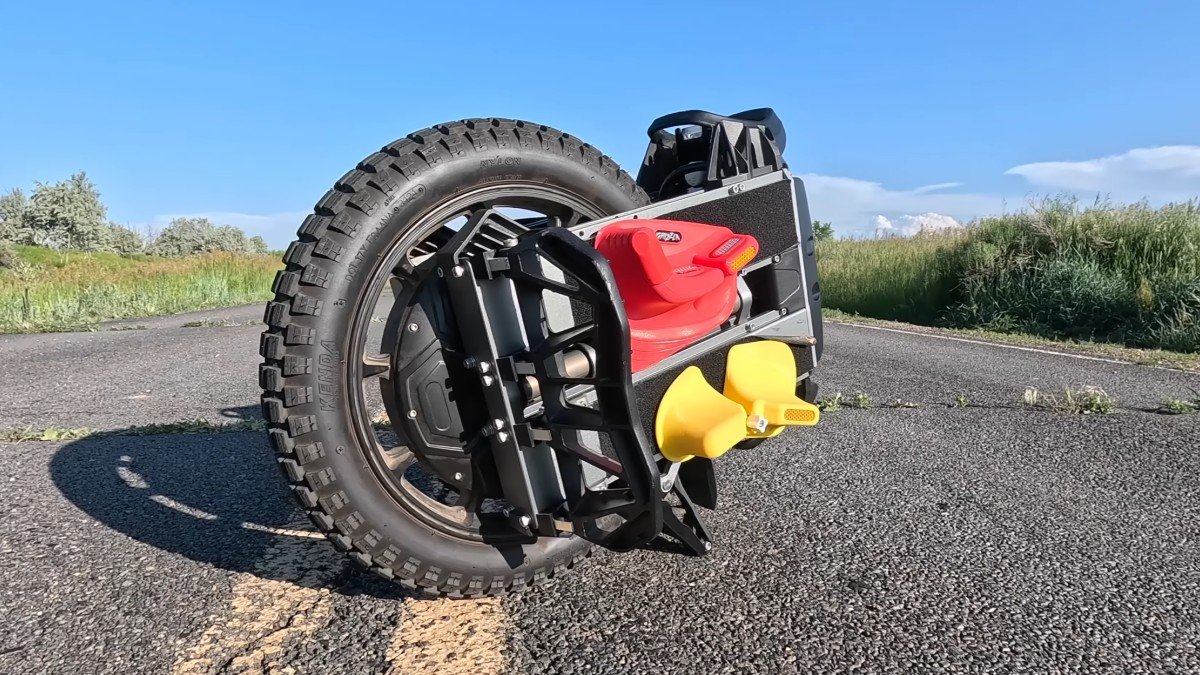
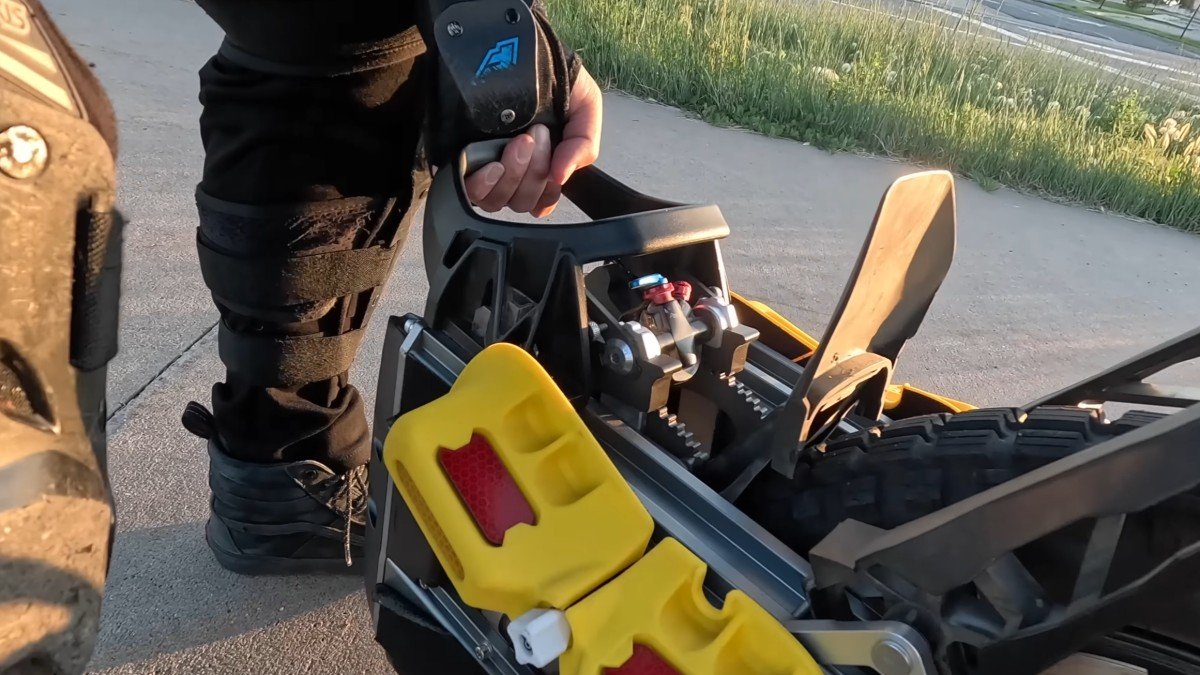
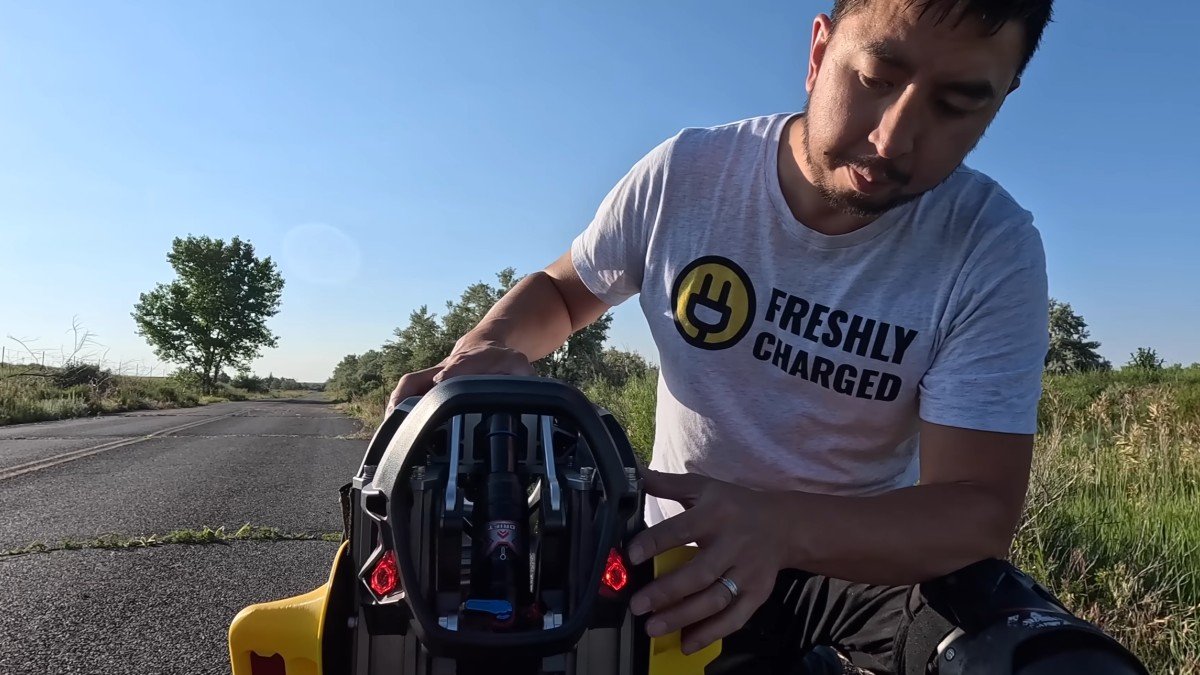
The Apex ships in two suspension configurations — coil or air shock — and the review unit runs DNM air suspension. Travel is adjustable from 70mm up to 150mm via a toolless height adjustment mechanism: two set screws release the collar, the teeth disengage, and you slide to your preferred setting. In theory, this is done in under 30 seconds. In practice, Andrew and Jimmy found their unit would require some manhandling to get it adjusted (more on that shortly).
Power comes from a 3,200W motor rated for real world top speed of 60 mph, backed by a 151.2V system and a 2,700Wh battery pack built from Samsung 50S cells. At 85.8 lbs, the Apex is about 3 lbs lighter than the Lynx and reportedly 20 to 40 lbs lighter than other comparable wheels in its class, meaning easier to transport and significant where other machines can often push triple digits.
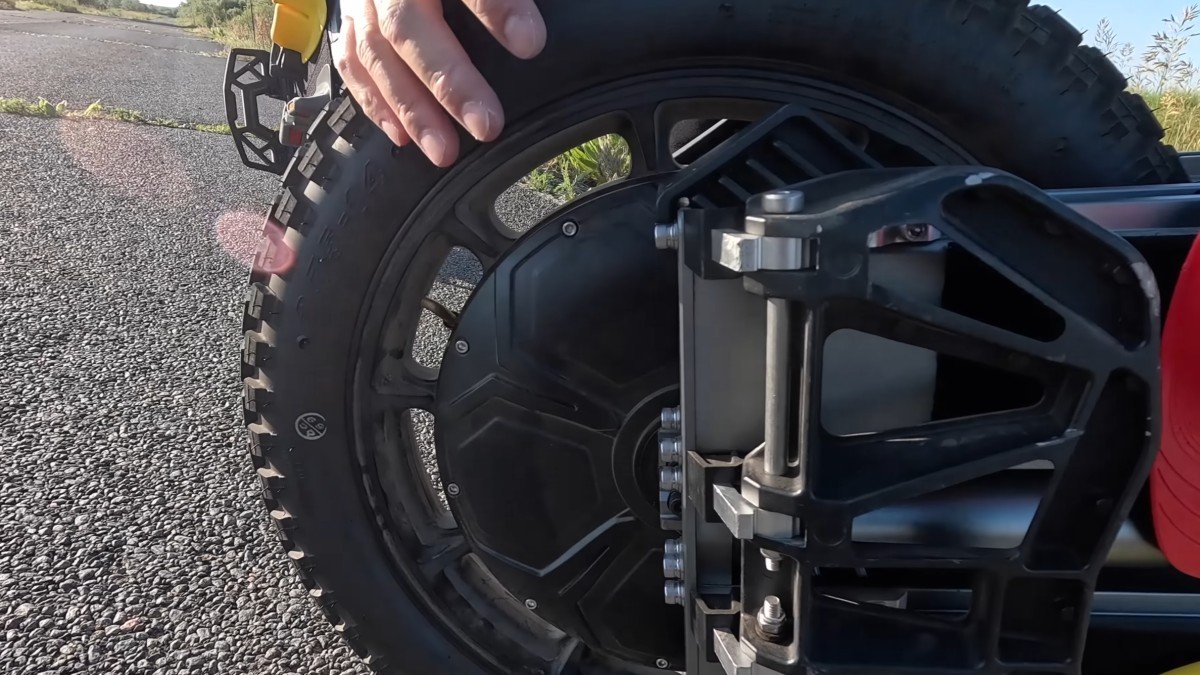
The current production Apex runs a TNT tubeless pneumatic tire in a 2.75-14 sizing, built to handle both off-road and street use without a tube swap. Tubeless construction eliminates pinch flat risk and the failure modes that come with inner tubes, which is a notable safety upgrade on a machine hitting these speeds.
Hardware Walkthrough
The display and menu will be immediately familiar to anyone who has ridden a Leaperkim wheel. The four-button layout is the same, navigation is intuitive, and the menu gives riders control over tilt angle, pedal hardness, and various ride tuning parameters. It also lets riders silence the beeping that plagues EUC menus a quality-of-life detail Andrew specifically flagged as a win.
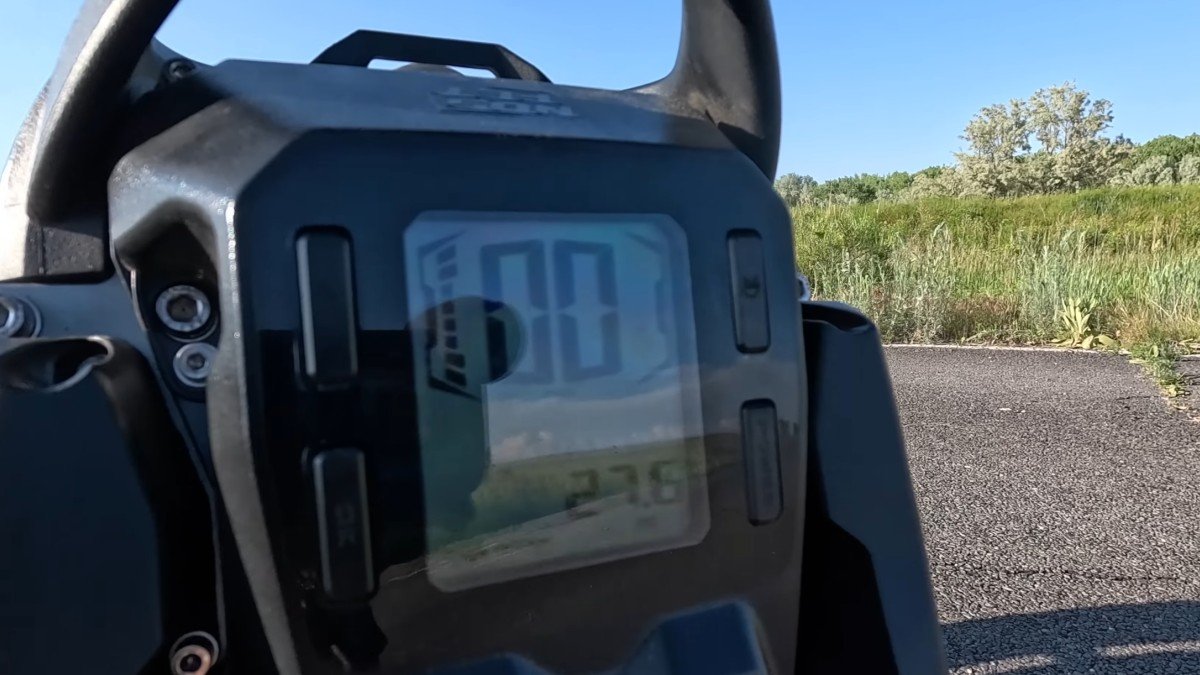
Lighting is more configurable than the norm. The rear tail light runs solid, flashing, or off. The headlight has low, medium, and high beams. Both charge ports sit at the top of the shell, making plug-in with the wheel on its kickstand genuinely easy rather than the awkward floor-level fumble common on competing designs.
Pedals are pretty sizeable for a stock configuration. Andrew put the pin height at 3 to 4mm, comparing well to the 1 to 2mm typically found on comparable stock pedals. The chassis also has multiple handle points front and rear, built for riders who move and maneuver the wheel rather than just commuting on it.
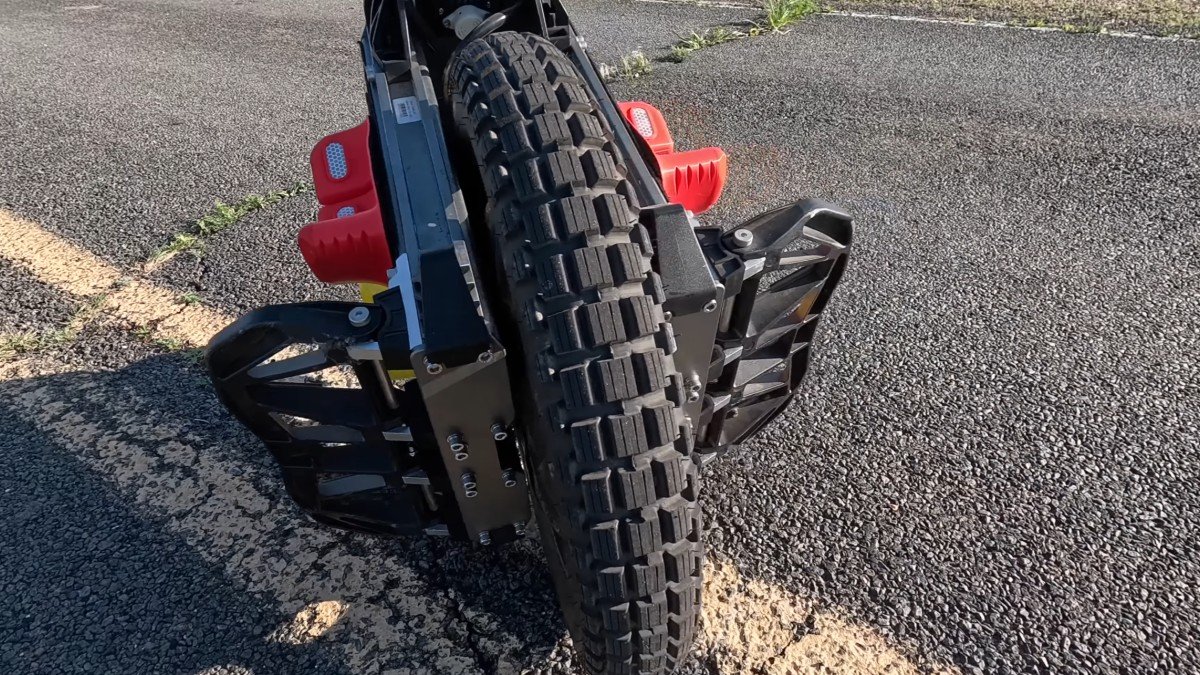
Two design details worth noting: the kickstand is mounted on a pivot rather than rigidly attached, meaning it swings rather than snaps when the wheel rolls in a fall. And all external handles, bumpers, and plastic covers are bolt-on replaceable components designed to protect the main body in a crash.
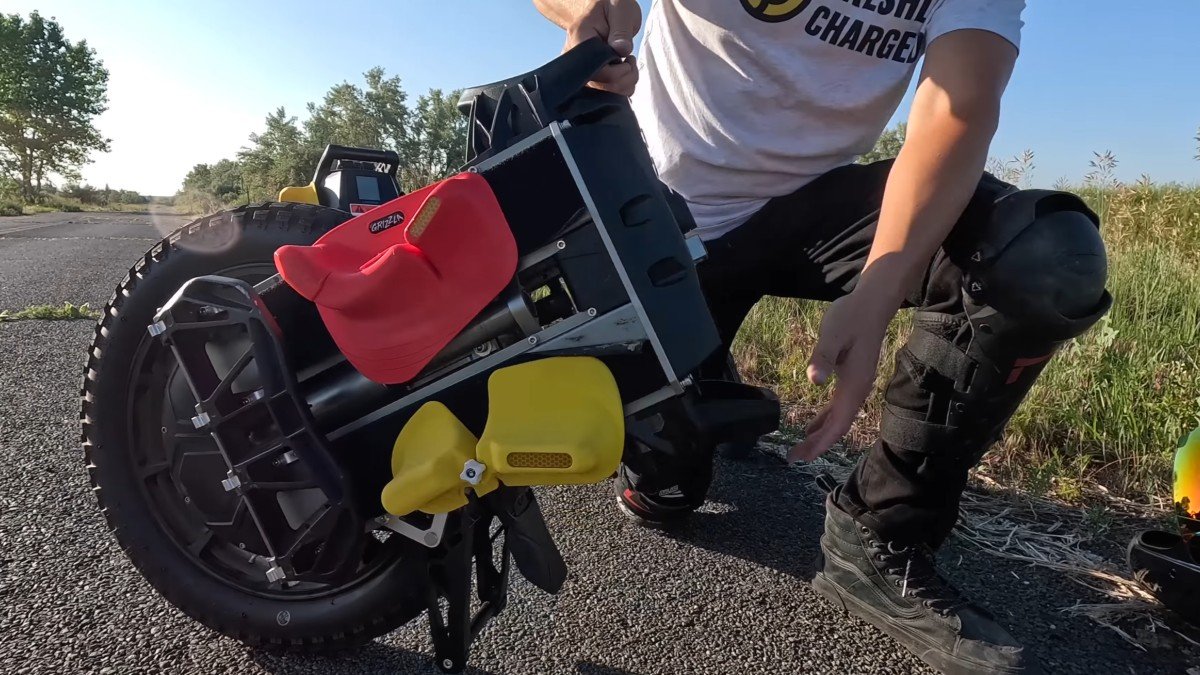
What is absent is a trolley handle, though the Apex is relatively tall at maximum height. Jimmy frames this as an intentional move, as trolley handles on EUCs are usually the first component to break, and a machine engineered for riders by riders probably thought it was more of a gimmick add-on than a necessity. However, Andrew disagrees and thinks the price point justifies including one. Both are fair takes, and the absence will matter more to some riders than others.

The Ride
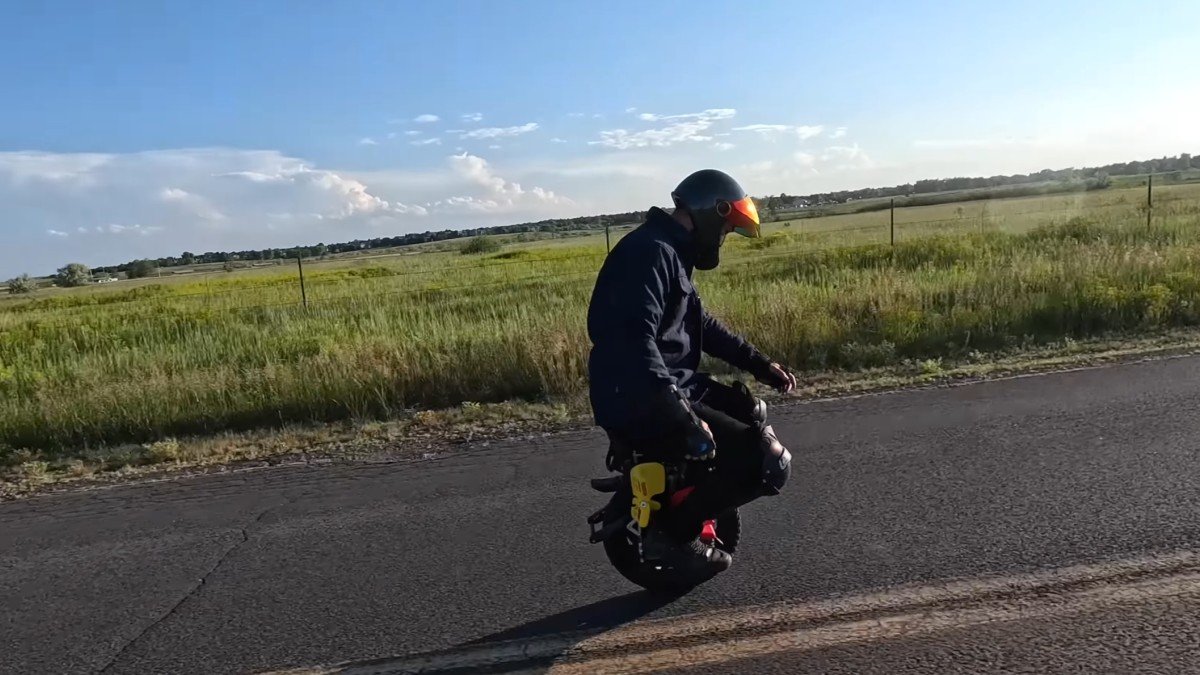
The suspension adjustment is the whole point of this wheel, and it works as advertised once you understand the tradeoff. At maximum height, travel is at its fullest and the ride is noticeably cushier, with Andrew riding down several flights of stairs at the highest setting and reporting zero bottoming out. At lower settings, travel compresses and the ride firms up, which is actually what you want for speed runs on pavement where a planted, tight feel outperforms a floaty one.

The Leaperkim firmware has always been a platform strength, and the Apex is no exception. Andrew describes it as smooth and confidence-inspiring rather than aggressively twitchy. The 151.2V system delivers enough performance for most riders without needing to chase higher-voltage alternatives like Begode. The narrower profile compared to the Lynx is also a real benefit for riders with shorter or less stocky legs, and the seated riding position is comfortable thanks to well-positioned handles that make transitions between sitting and standing natural during longer sessions.
Where the Apex Falls Short
The suspension adjustment mechanism is the most important feature on this wheel and also its most frustrating implementation. The test unit initially required serious effort to unlock and adjust, but later adjustments indicate this may be a test-unit issue or something that becomes easier within a short amount of time. Andrew noted that the park-to-street transition in the second half of the ride clocked in under 30 seconds once things were cooperating...but "cooperating" is doing a lot of work in that sentence. A first-use adjustment experience that requires wrestling with the wheel is a poor first impression for the feature that is supposed to be the whole selling point.
The companion app is Android only, with no iOS support. To us, that is a surprising and meaningful gap for a significant portion of the market.
At just 50 miles on the test unit, an adhesive trim piece on the body was already visibly peeling away from the shell. Whether this is a production quality control issue or an isolated unit problem cannot be confirmed from a single sample, but it is worth noting.
The suspension stanchions — the slider tubes running along each side — will accumulate dirt and grime with off-road use, requiring regular cleaning if the adjustability is being used as intended.
Finally, the air valve access for suspension pump inflation is poorly positioned, sitting against one of the handles at an angle that blocks standard long-nozzle pumps, including the Fox Air pump the Freshly Charged team uses. A small-head pump fits, but it is unnecessary friction on routine maintenance.
The Freshly Charged Verdict
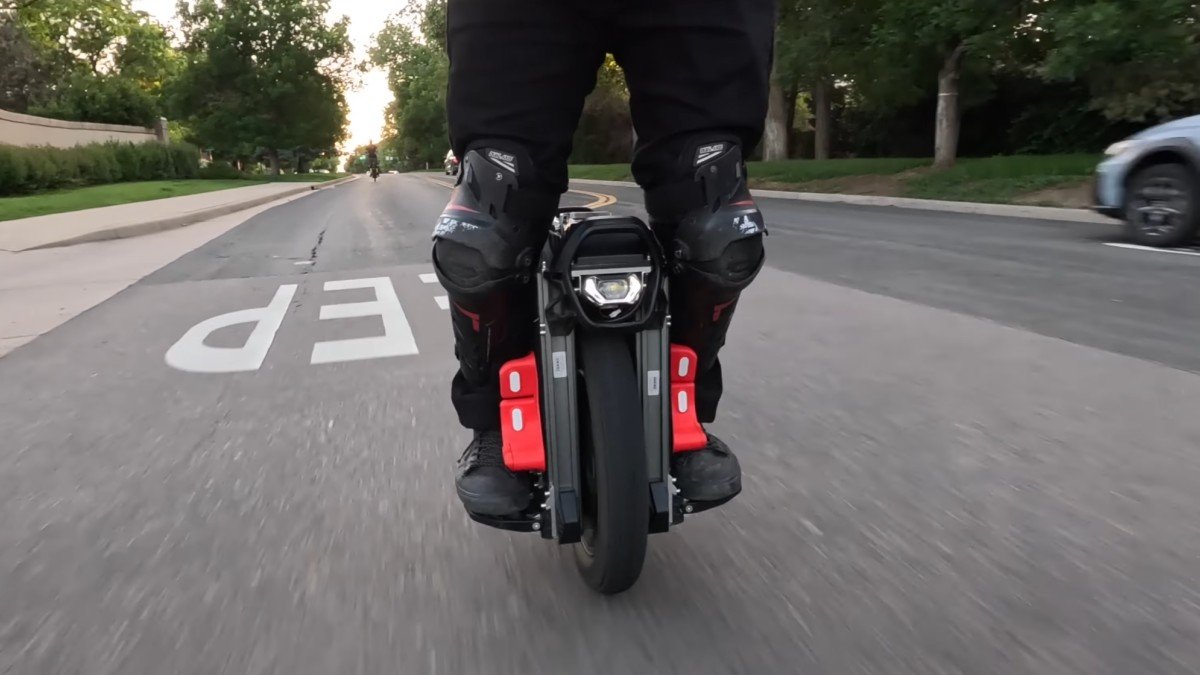
Both wheels share the same motor, the same wheel size, and the same Leaperkim platform. The Apex is marginally lighter, comes in at a lower price point, and adds the adjustable DNM air suspension. If a rider wants one wheel that can handle off-road trails and still perform well at speed on pavement, the adjustable suspension makes the Apex the right call over the Lynx. If that versatility is not a priority, the Lynx is a proven, excellent wheel with nothing significantly wrong with it. The Apex earns its place, but go in knowing that the suspension mechanism needs to be broken in and that there are a few execution gaps which disappointed us for this price tier.
- Current price of Nosfet Apex: https://bit.ly/3SYKrJV
EUC Comparison Tool
Use our Freshly Charged EUC Comparison Tool to evaluate this product alongside other options. Compare and organize electric unicylces by factors such as price, top speed, battery capacity, and more.
No comments yet…