-large.jpg)
Video Content
Written Content
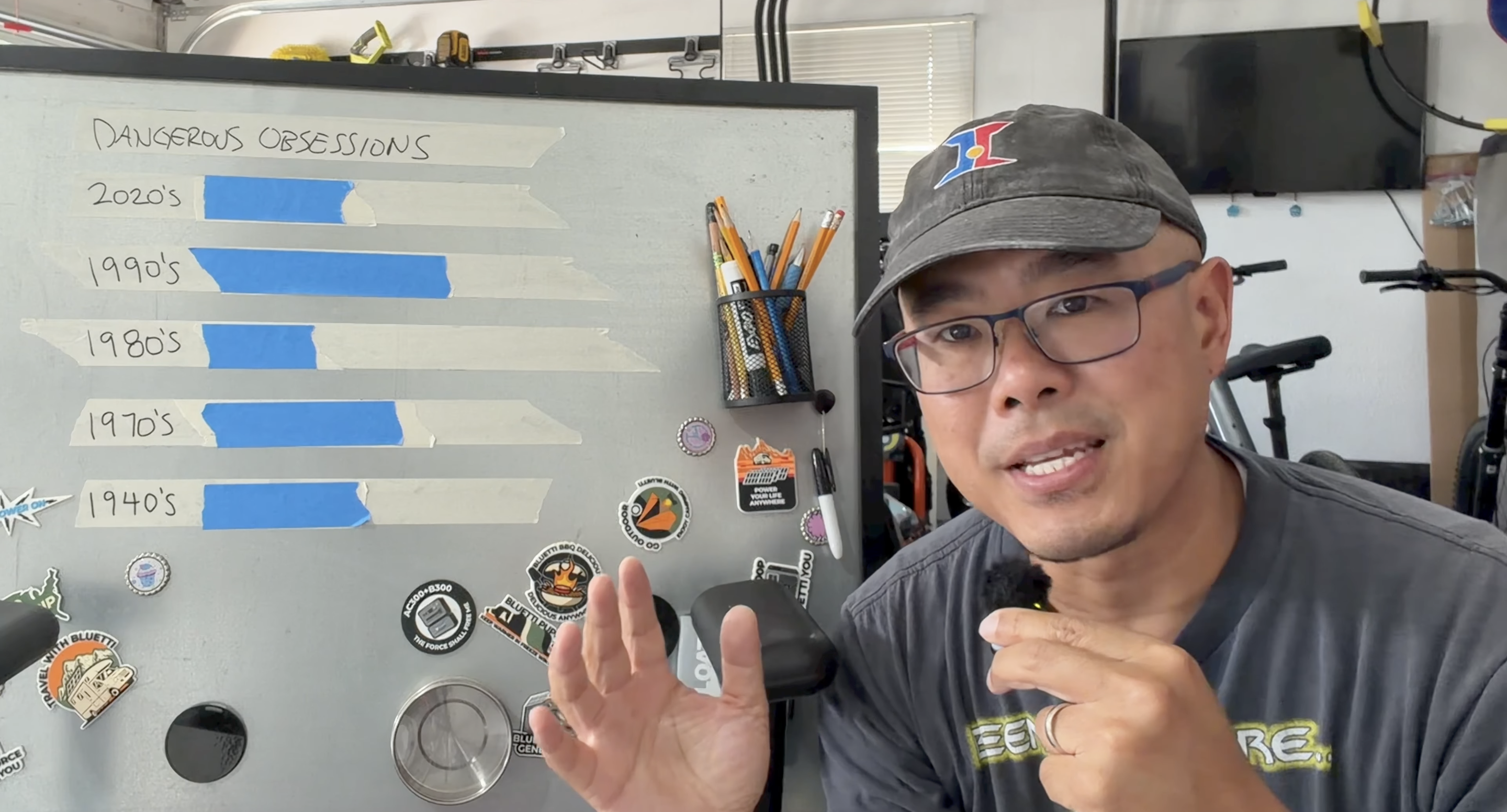
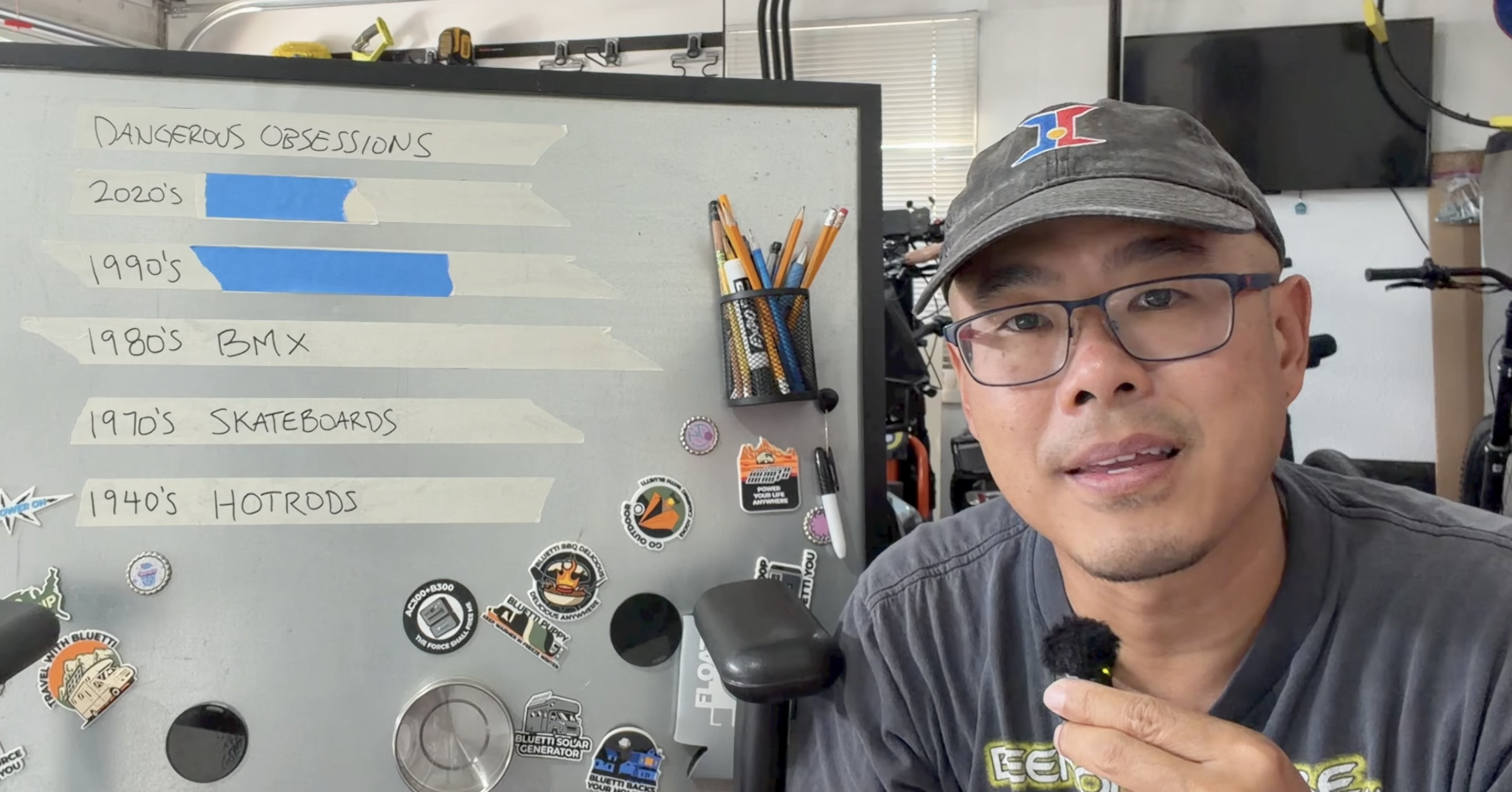
Every generation produces a hobby that adults are convinced will end civilization. The details change, but the initial panic is familiar. Jimmy has spent eight years watching public opinion shift on electric rideables, and he took some steps back in perspective to look at a longer arc of repeating history. Below details five moments in American history where the pattern played out almost identically, and what they collectively suggest about where things go from here.
The Five Obsessions
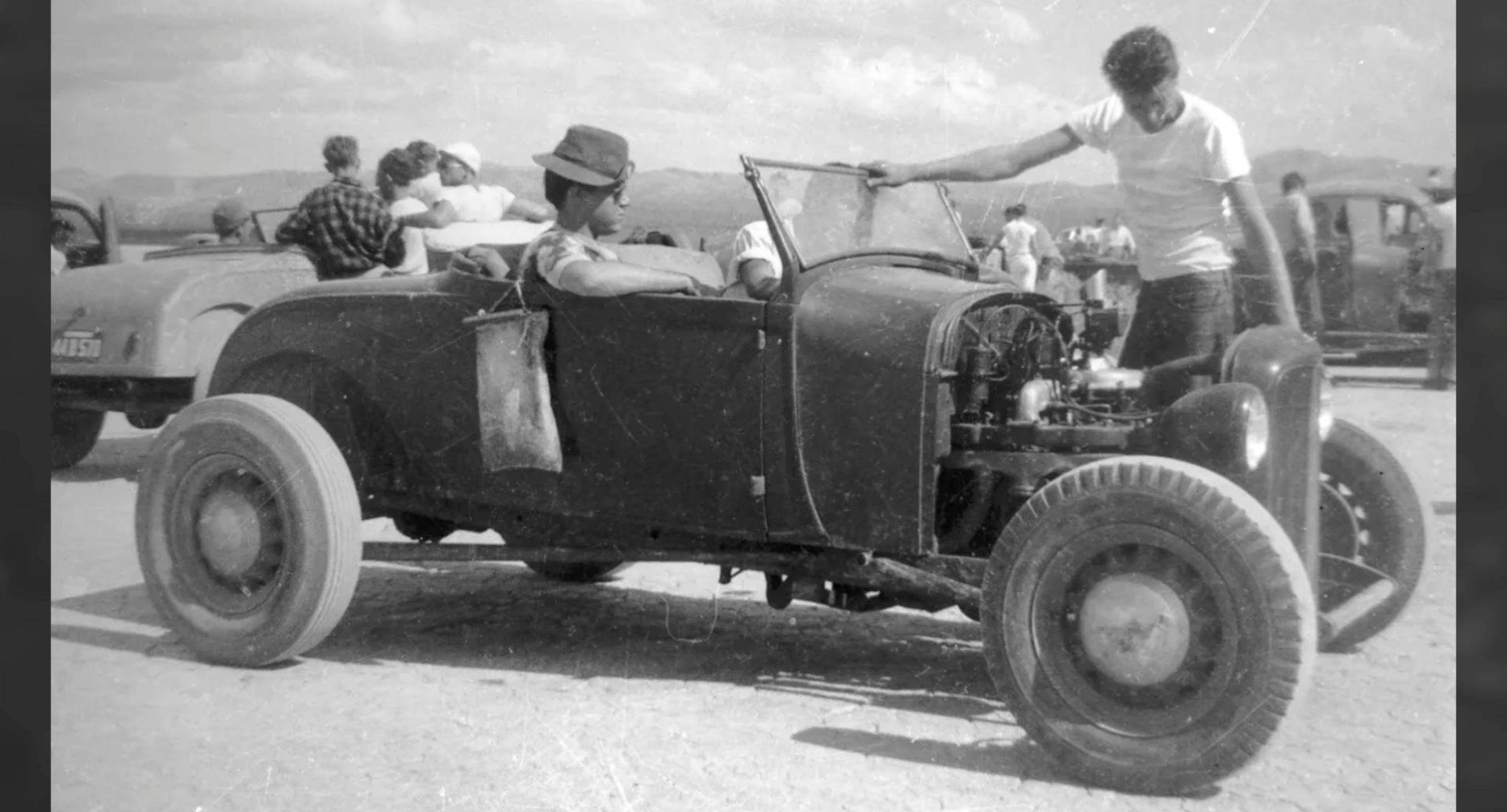
Hot Rods: 1940s. When World War II ended, new cars were nearly impossible to get. Young people responded the way they always do when conventional options are scarce: improvisation. They bought cheap old cars, stripped them down, made them faster, and started racing each other on public streets. This was followed by newspapers filled with warnings about reckless teenagers, communities demanding crackdowns, and people parroting, "these things are going to kill somebody." What actually happened was that communities built drag strips, the NHRA created sanctioned competition, and the same passion that had been playing out on public roads found a structure that let it survive. Instead of disappearing, hot road culture matured to survive.
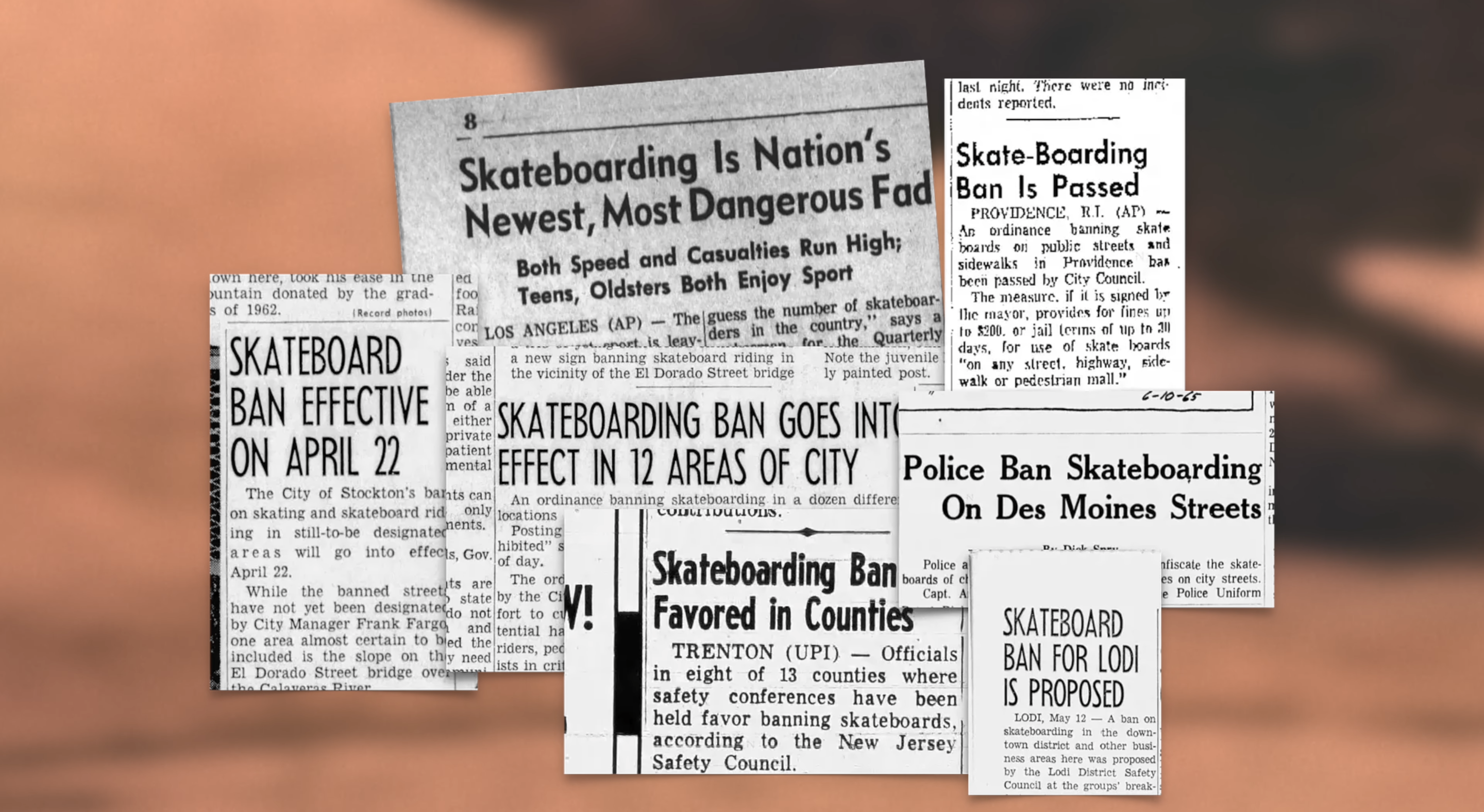
Skateboarding: 1970s. Kids carrying wooden boards with small wheels became a target of public scrutiny almost immediately. Businesses chased them away, cities posted bans, and the complaints mirrored what we saw with hotrods: dangerous destructive, attracting the wrong crowd. Today, Tony Hawk is a household name, skateboarding is an Olympic sport, and skate parks are built with public tax dollars in communities across the country. Again, what changed was not the skateboard, but the culture around it and the willingness of communities to build or support legal places to ride.
BMX: 1980s. Children launching bicycles off staircases and doing wheelies in the street produced the same adult reaction as everything before it: calls for intervention, parental alarm, police involvement. The resolution followed the same script: organized competition, dedicated parks, coaching and mentorship. Bikes stayed around, and "recklessness" found an appropriate venue.
Snowboarding: 1990s. This is perhaps the clearest example of the pattern, because the ban was literal. Ski resorts turned snowboarders away at the gates, not for breaking rules, not for dangerous behavior, but simply for the equipment strapped to their feet. The sport was considered too disruptive to coexist with skiing, but today it sits in the Olympics, X Games, and on many family ski trips. The idea that snowboarding would ruin skiing is almost comically wrong in retrospect.
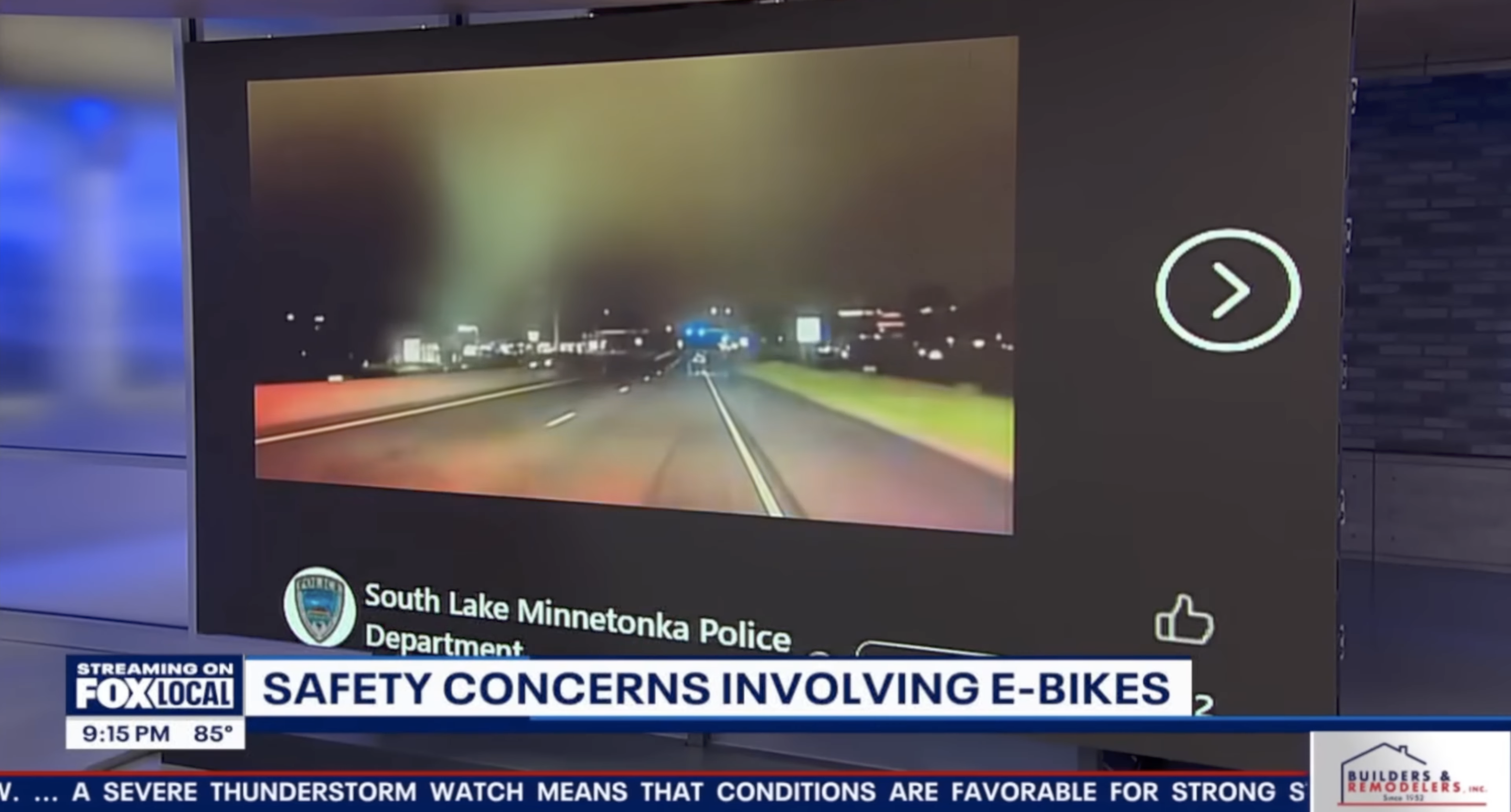
Electric dirt bikes and e-motos: now. The language being used today is the same language used in every prior chapter, and calls for bans are getting louder. Based on the patterns detailed above, Jimmy's point is not that the critics are entirely wrong, but that they are asking the wrong question.
What Is Actually Different This Time
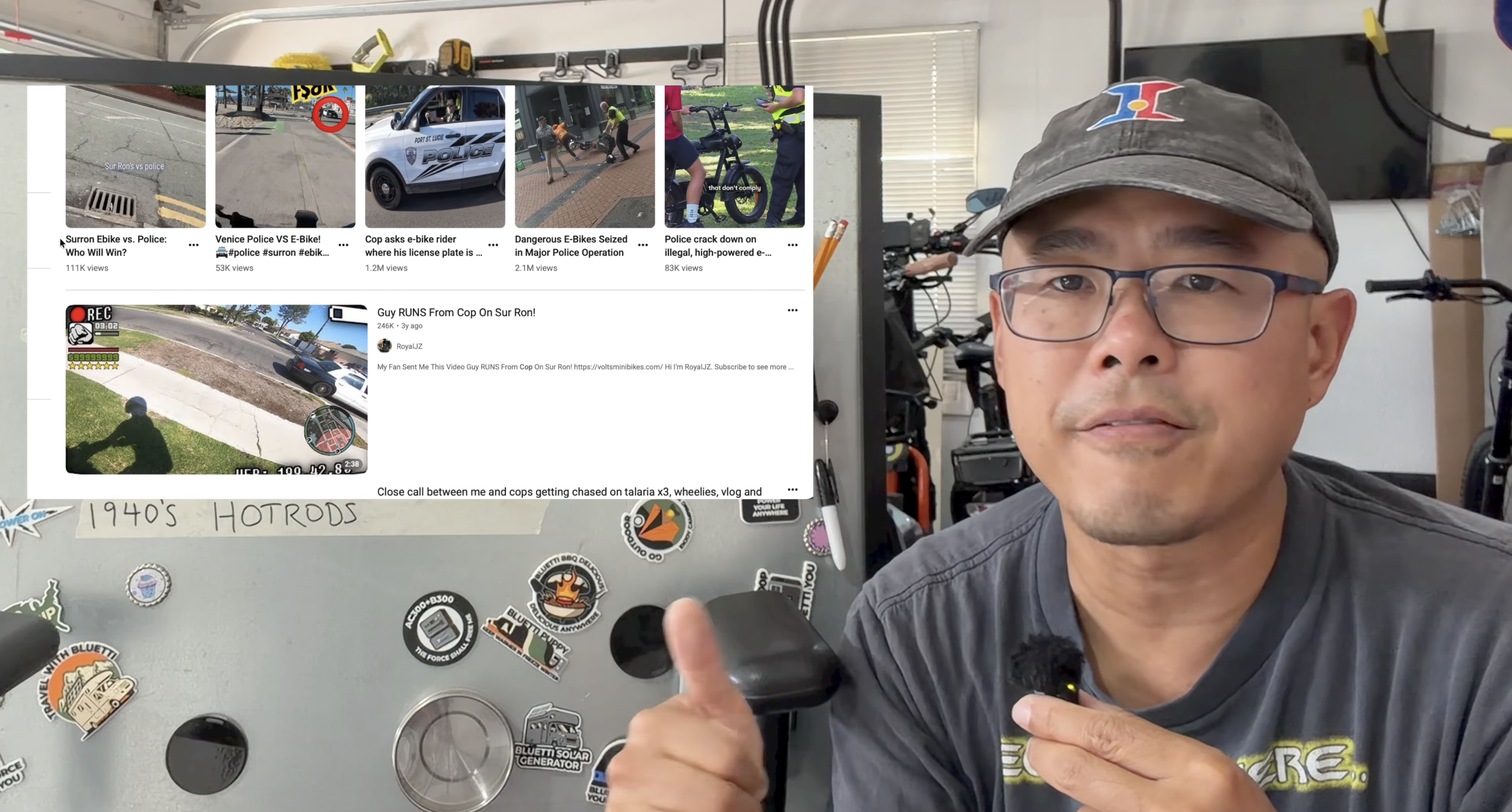
Jimmy is careful not to argue that today's situation is identical to what came before. There is one variable that genuinely changes the equation: social media. Hot rod kids were not chasing viral moments, nor were skateboarders performing for algorithms. Today, the most outrageous behavior gets the most reach, and we are inherently creatures of imitation. Wheelies through traffic, running from police, and near misses posted for maximum engagement get amplified in a way that has no historical precedent. The underlying dynamic is the same, but the technological accelerant is new. That distinction matters for how we think about solutions, because a ban on machines does nothing to the underlying algorithm and culture problem which rewards chaos over competence and responsibility.
The Pattern and What It Suggests
Pooling all five examples together, we can identify something consistent in how each resolved. None of these activities survived because society ignored the risk, but because communities eventually learned to distinguish between banning an activity and addressing the bad behavior within it. Drag strips were built so illegal street racing had a legitimate alternative. Skate parks gave skateboarders somewhere to go. BMX got organized competition. Snowboarding got access. In each case, the solution was creating structure and space rather than elimination.
The version of that solution Jimmy sees for electric rideables involves parents who actually teach responsible riding, influencers who model good behavior rather than chaos, communities that build legal riding spaces, and riders who hold each other accountable rather than celebrating the worst examples in the group. That is how the prior chapters moved forward...but will this one follow the same arc, or get derailed by the speed at which outrage and misinformation now travel on the internet?
Why This Argument Matters for the Electric Rideable Community
There is something worth sitting with in the observation that every hobby on this list is now something parents do with their kids. Hot rods became a family passion. Skateboarding became a common father-son activity. Snowboarding can be a family trip. The things that looked most threatening from the outside became, over time, entry points for intergenerational connection. Jimmy's argument is that electric rideables are on the same trajectory — not despite the current panic, but as a predictable next chapter in a story that is all too familiar. History does not guarantee that outcome, but it does suggest the odds are better than the headlines imply.
Check Out This Related Post
• The Real Problem With Electric Bikes and Electric Dirt Bikes
No comments yet…