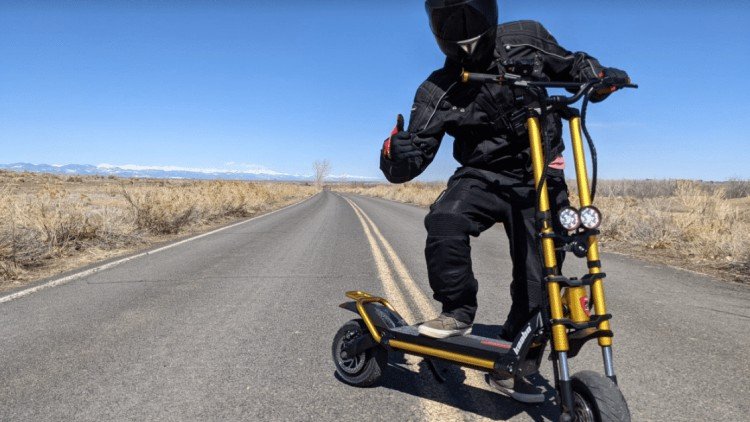
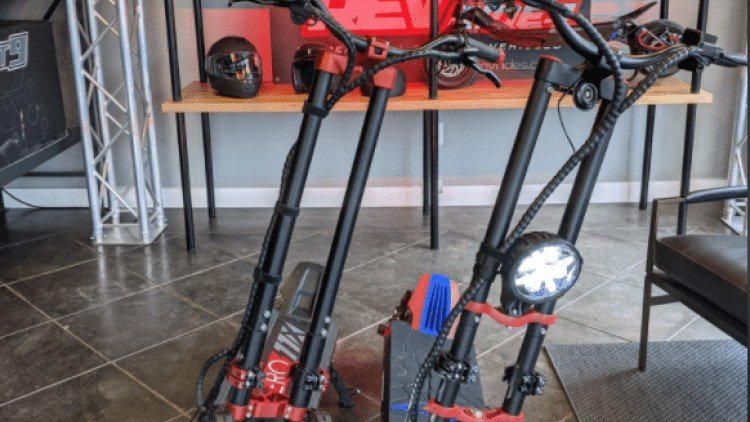
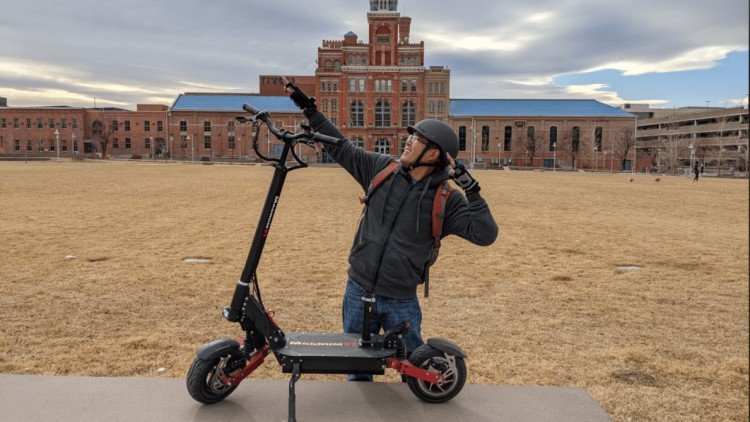
Most electric scooters on the market are built around a rider in the 150–200 lb range, with weight limits typically topping out at 220 lbs or 265 lbs on most entry-level and commuter models. If you weigh more than that, the scooter doesn't just feel a little sluggish; the frame is genuinely operating outside its design tolerance, which shows up as sagging suspension, overworked motors, and brakes that fade faster than they should. Our Heavy-Duty category starts at a 300 lb weight limit, the point where manufacturers stop treating high capacity as a nice-to-have and start building around it from the frame up.
That reinforcement is real, not just a bigger number on a spec sheet. Scooters in this class typically use dual-stem aluminum frames instead of a single support post, which spreads load across two points rather than concentrating stress where the stem meets the deck. They also step up to 48V systems at minimum, with serious heavy-duty models running 60V or 72V architecture; as the extra voltage keeps the motor from overheating as it draws more current to maintain torque under a heavier rider. Pair that with wider decks (9 inches and up), beefier pneumatic tires, and — critically — hydraulic disc brakes, which deliver the 30–50% more stopping force a 300 lb rider needs and self-adjust as pads wear, unlike mechanical brakes that fade and require manual tuning.
The range within this category is wide. A 300–330 lb rating covers a lot of well-built commuter-style options, but the top of the heavy-duty class climbs much higher — some models are rated for 400, 500, even 600+ lbs. If you're near the upper end of your own weight range, it's worth sizing up rather than buying right at the limit: manufacturers rate these numbers as a hard ceiling, not a comfortable cruising weight, and giving yourself a buffer preserves the range, acceleration, and braking performance you're paying extra for in the first place.
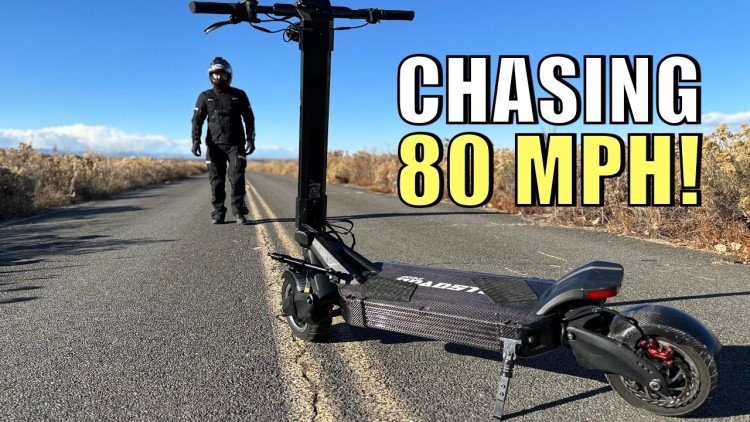
Andrew took the EMOVE Roadster — VoroMotors' fastest production electric scooter on the market — out for a GPS verified speed record attempt, targeting the 80 mph barrier. He did not break it, but he did tie his personal best of 74 mph on a modified unit that was not running its full production brake spec and on a runway that was not quite long enough to fully unwind the throttle. The machine itself was rock solid at speed, but the conditions were not ideal.