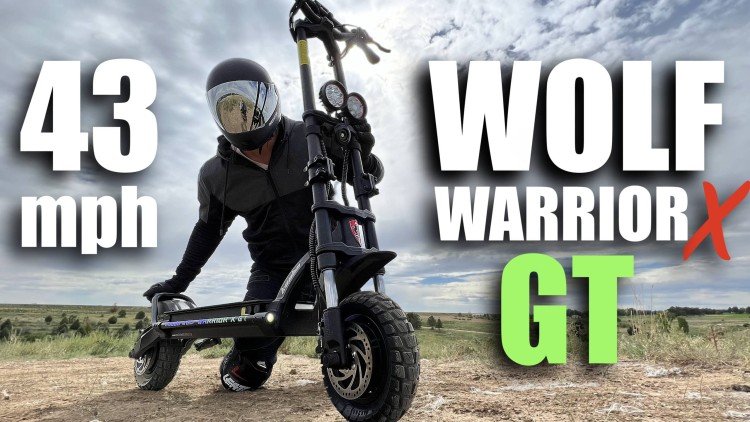
Not every "powerful" scooter is actually built for hills. Motor wattage is the clearest signal of which side of that line a scooter falls on, and the market has settled into a fairly consistent tiering: scooters in the 250 to 350W range are made for flat ground and the occasional gentle slope, 500 to 750W models handle most everyday urban inclines without much drama, and it's not until you cross into the 1000W and up class that a scooter is genuinely built for steep, sustained climbing. That 1000W mark is where our Hill Climbing category starts, and it's not a number we picked arbitrarily. It shows up again and again across independent scooter buying guides as the point where a motor stops merely coping with hills and starts being designed around them.
Watts tell you the ceiling, but torque is what actually does the work of fighting gravity, and this is where things get a little murkier. Torque, measured in Newton-meters, is the twisting force at the wheel that overcomes an incline; a motor can have plenty of wattage on paper and still feel weak on a climb if it's not delivering enough torque to match. The catch is that torque specs aren't nearly as consistently published as wattage is, and the numbers that do exist vary more than you'd expect. The Varla Eagle One, a scooter built specifically for hills and rough terrain, runs dual 1000W motors but lists only 36 Nm of torque, while some buying guides recommend 40 Nm or more for hilly commutes. Rather than filter this category on torque, which would quietly exclude plenty of genuinely hill-capable scooters that simply don't publish the spec, we've built it around wattage instead, since it's the number nearly every manufacturer actually reports.
A couple of things worth knowing before you buy. First, check whether that wattage figure is continuous (nominal) or peak: peak is the burst number a motor can hit for a few seconds, while continuous is what it can sustain going up a long climb without overheating, and it's the continuous rating that matters most on an actual hill. Second, if your commute includes anything approaching San Francisco or Seattle grade hills (both cities have streets in the 17 to 18 percent grade range), dual-motor scooters have a real advantage: putting power to both wheels distributes the load and delivers meaningfully more climbing torque than a single motor can manage alone, especially once grades start pushing past 15 to 20 degrees.
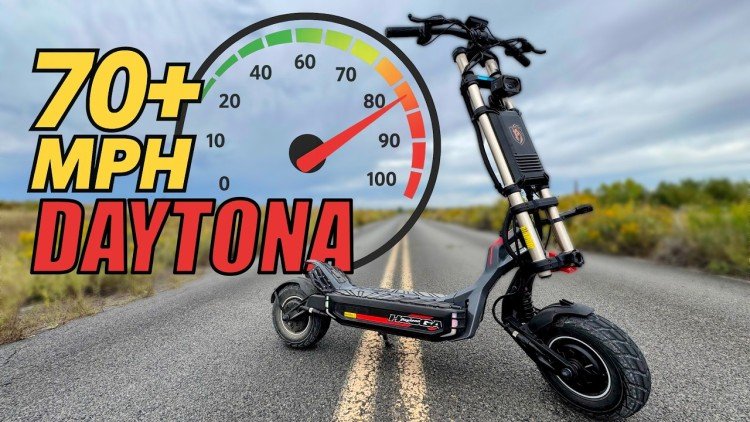
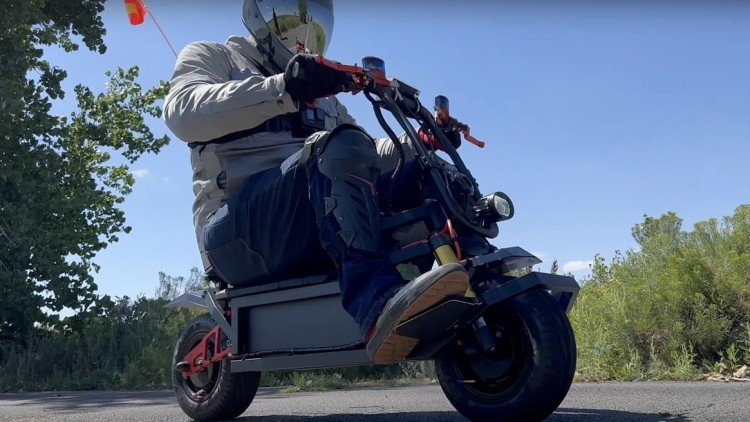
The Hooga Daytona is their flagship hyper scooter sold exclusively by VoroMotors, and we can confirm it earns the title. The Freshly Charged team hit 78 mph via Draggy, praised the four piston DOT hydraulic brakes as the best ever tested on an electric scooter, and found the suspension genuinely capable across both off road trails and highway speeds in the same session. At 152 pounds with a tool dependent fold, this is not a machine you carry up stairs, and buyers should plan real world range around 31 miles under aggressive conditions rather than the spec sheet maximum. The turn signals are too dim for daytime use on a scooter that can do 78 mph, and the included 4 amp charger taking 10 hours to fill a 40Ah battery is a miss at this price point. For the rider who wants the most capable high speed hyper scooter the team has tested — one that actually handles the speed rather than just reaching it — the Daytona makes a strong case, compromises and all.
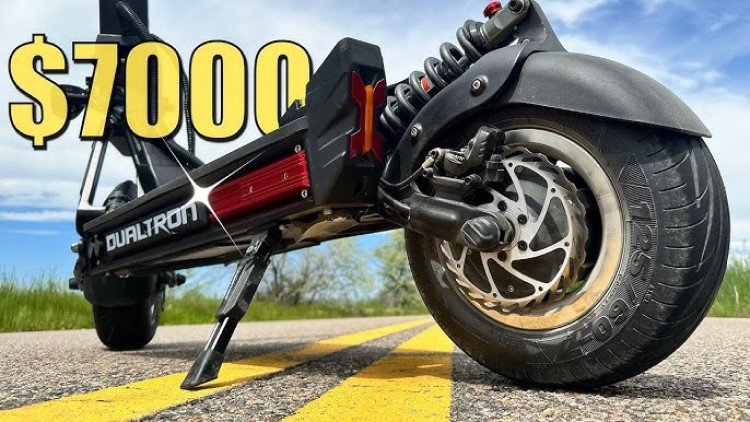
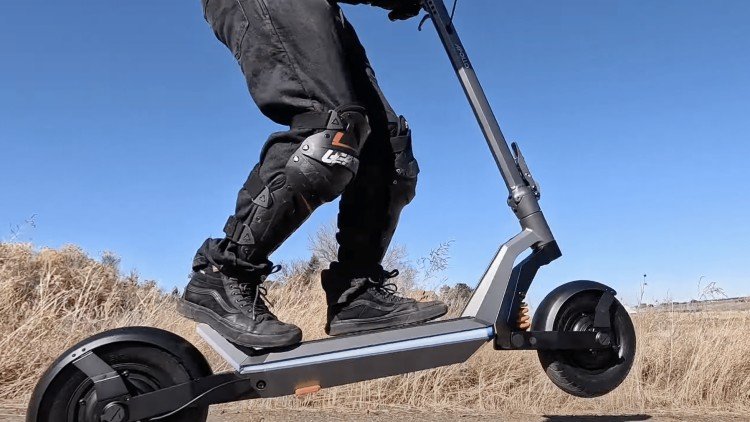
-medium.jpg)
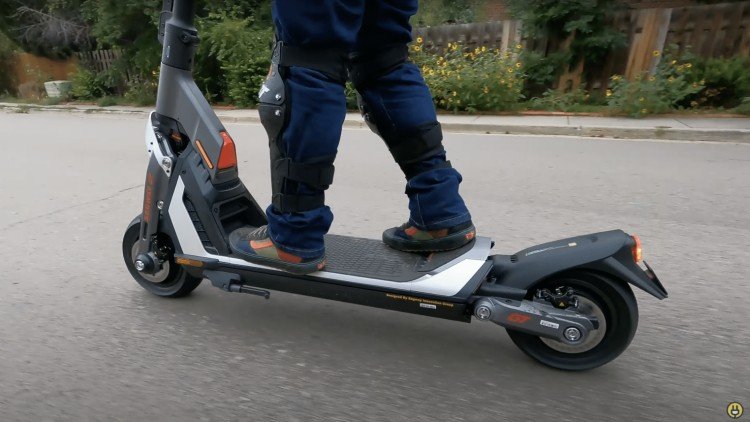
The Segway GT2 electric scooter stands out with its futuristic OLED display, powerful acceleration, robust build, and high-tech features like app integration and adjustable suspension. While it offers a thrilling and stylish ride, limitations such as a modest top speed, limited range, display glare, heft, and premium price may affect its appeal for some users.
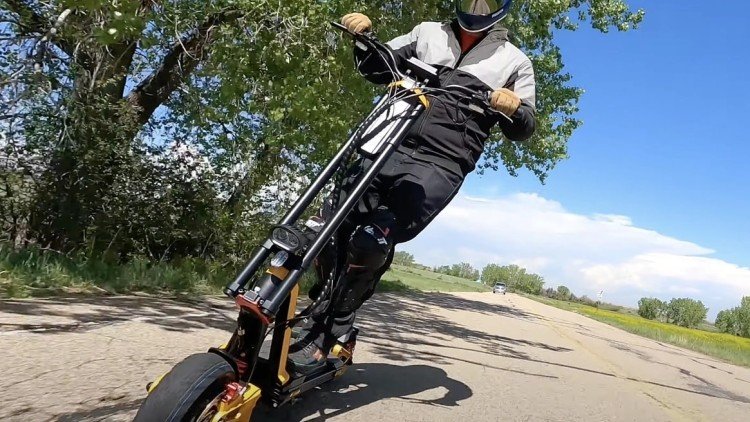
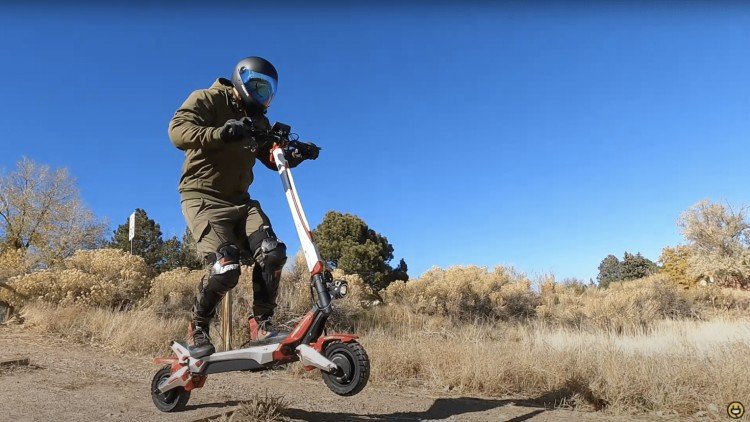
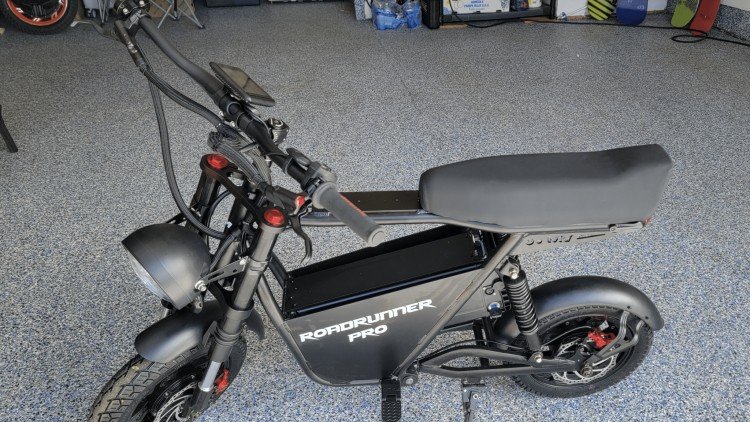
The EMOVE RoadRunner Pro, Voromotors’ latest electric scooter, boasts powerful dual 2000W motors, long-range battery, dual suspension, and user-friendly features like easy tire changes and a crisp TFT display. While its high speed, comfort, and eco-friendliness impress, drawbacks include heavy weight, lack of portability, and a higher price point. Great for commuters seeking performance.
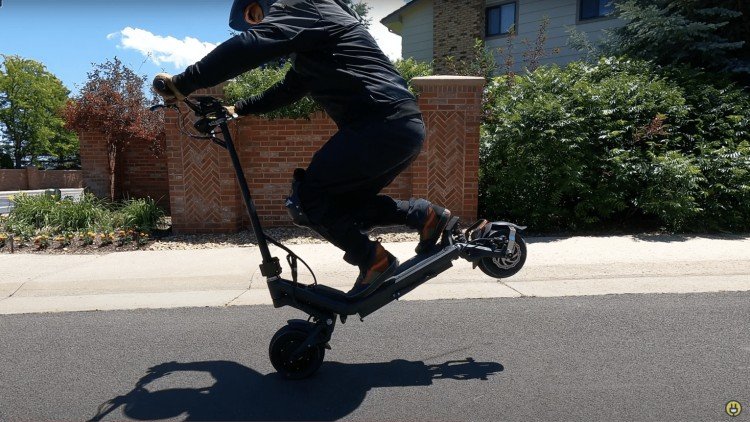
New NAMI KLIMA MAX Electric Scooter Review – The best 10 inch scooter we’ve tested
January 4th, 2024