Watts get most of the attention on a spec sheet, but torque is the number that actually decides how a hill feels. It's the twisting force the motor delivers to the wheel, and it's what determines whether a climb feels effortless or like the bike is straining against its own limits. A flat-terrain city bike gets by fine on 35 to 50 Nm. Add a real hill to the commute and that same bike starts to labor, which is exactly the gap this category is built to close.
60 Nm is where hill-capable torque starts, and it's a threshold that shows up again and again across the market once you're comparing bikes built for grades rather than flat pavement. Below it, climbs tend to sap speed and drain the battery faster as the motor strains to compensate. Above it, a bike can hold pace up an incline without leaning on max assist the entire way, which matters for anyone riding the same hilly route twice a day.
Before the chase the highest number available, know that more torque isn't free. Past roughly 100 Nm, returns start to diminish. Batteries drain faster, wheels are more prone to spinning on loose or wet pavement, and a motor built for aggressive mountain-bike climbing is often more power than a daily commute actually calls for. For someone riding hills on the way to work rather than tackling technical singletrack, a bike in the 60 to 90 Nm range typically hits the mark without the excess.
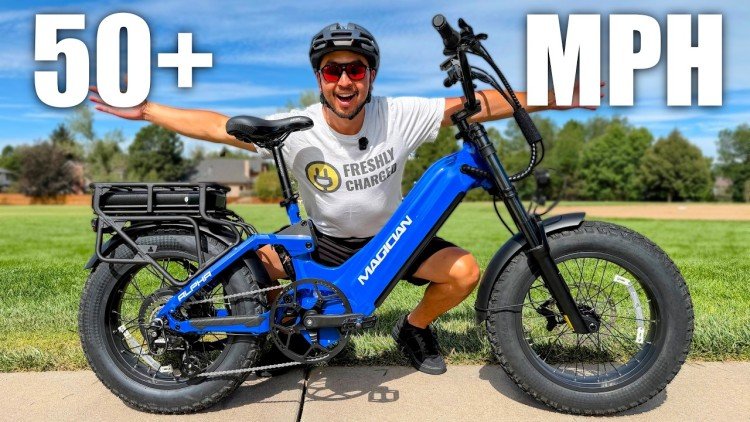
The Magician Alpha Mini is a compact 72V fat tire e-bike that hits real-world speeds over 50 mph while staying surprisingly quiet, the kind of sleeper build that doesn't scream for attention the way a Sur-Ron does. Andrew's testing turned up genuinely impressive torque on steep climbs, a smooth dual-battery system, and thoughtful touches like quick-release tire changes and reinforced rear spokes, though missing turn signals and a horn as standard equipment feel like a disappointing omission at this speed and price. It is a strong pick for riders who want real power performance without the loud, look-at-me presence of other bikes in this class.
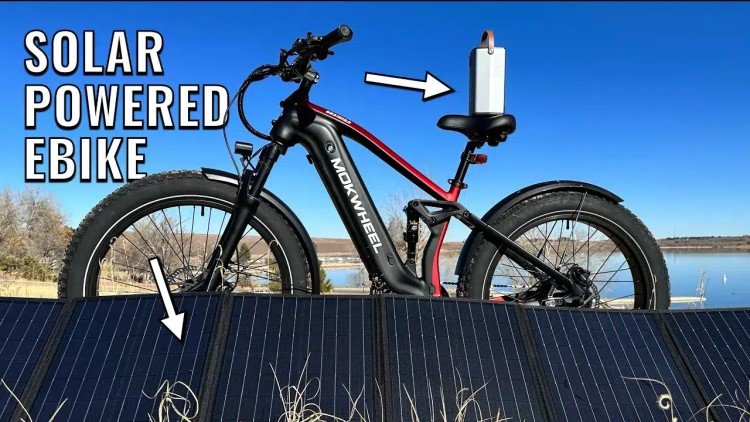
The Mokwheel Obsidian stands out as the first fat tire, full suspension e-bike designed for solar power. With a quality build, smooth suspension, ergonomic ride, and an easy-to-read display, it excels on varied terrain. Downsides include a heavy solar setup, dim front light, and small display. Overall, it’s a compelling, solar-ready choice for adventurous riders.
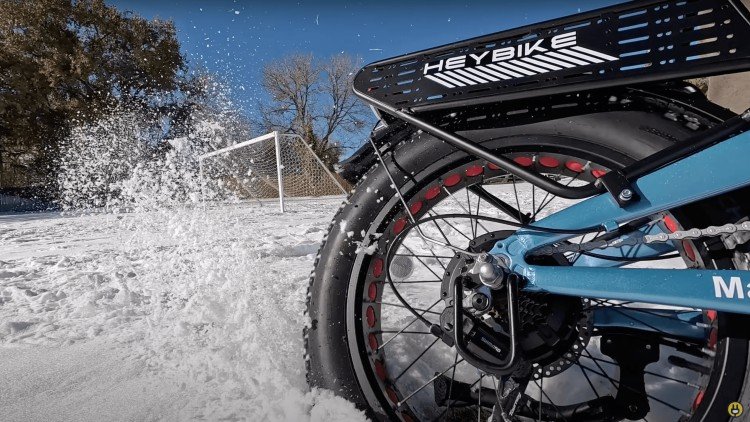
The Heybike Mars 2.0 brings significant upgrades, transitioning to a class 3 e-bike with robust 20" x 4" fat tires, enhanced portability, a comfy suspension seatpost, and smart Bluetooth app connectivity. While it impresses in performance and style, minor drawbacks like basic components and limited app features prevent it from being flawless, but overall, it’s a compelling, innovative ride.
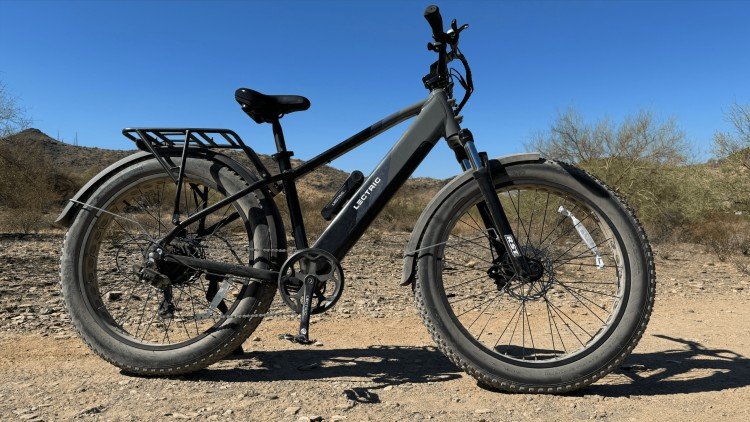
The Lectric XPeak is Lectric eBikes’ first full-sized, off-road-ready fat tire e-bike, boasting a 1310W peak motor, RST Renegade front fork, and 26×4” tires. Rigorously safety-tested and priced at $1,299, it blends premium components and certifications rarely found at this price. Preorders include $450 in accessories and a one-year warranty.
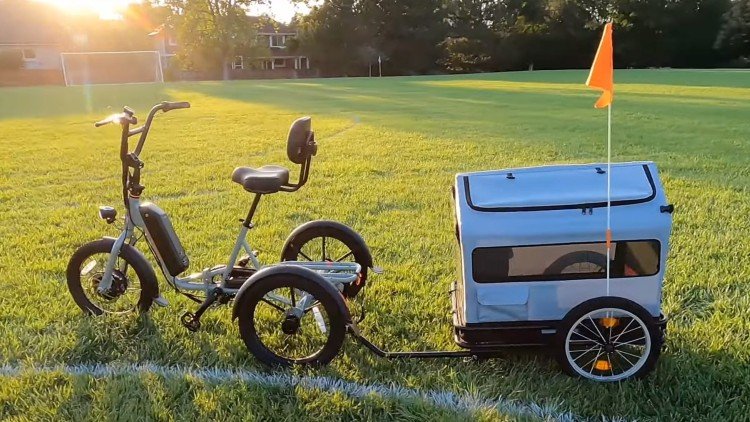
The RadPower RadTrike is a thoughtfully designed electric tricycle ideal for those with mobility challenges. With impressive stability, convenient features like a reverse option and easy-assemble components, it stands out as a user-friendly alternative to traditional bikes. Room for improvement exists in areas like pricing, battery capacity, and component upgrades, but its strengths dominate the experience.
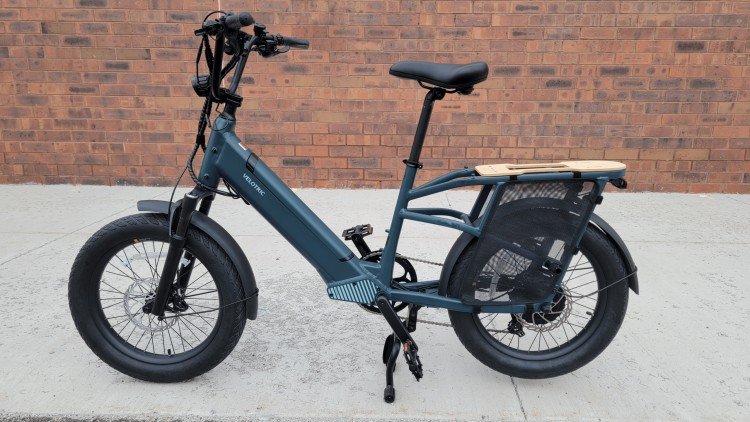
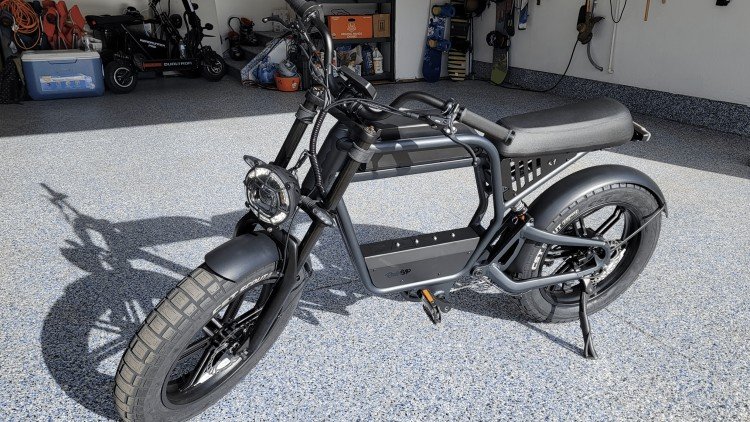
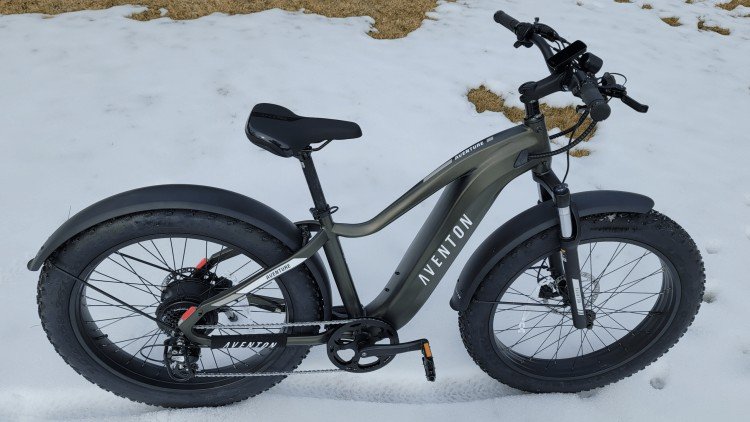
The Aventon Aventure.2 fat tire ebike delivers notable upgrades, including a torque sensor for a smoother, more natural ride, integrated lighting with turn signals, and Tektro hydraulic brakes. Backed by US-based support and eco-friendly packaging, it offers tech-savvy features like a Bluetooth app and vibrant display, making it an excellent choice for all-season riders seeking performance and innovation.