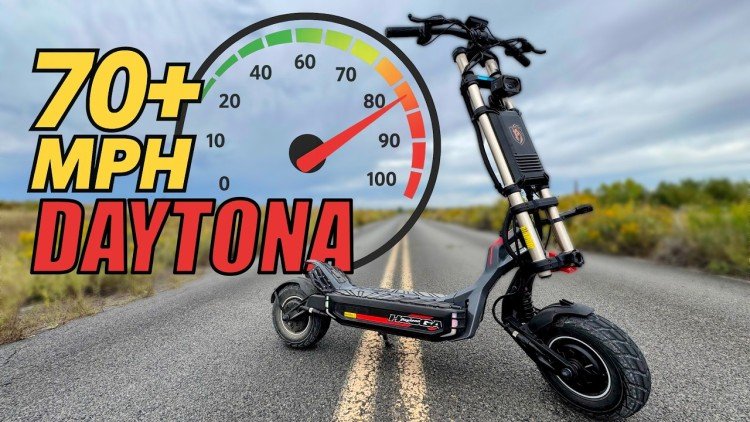
Not every "powerful" scooter is actually built for hills. Motor wattage is the clearest signal of which side of that line a scooter falls on, and the market has settled into a fairly consistent tiering: scooters in the 250 to 350W range are made for flat ground and the occasional gentle slope, 500 to 750W models handle most everyday urban inclines without much drama, and it's not until you cross into the 1000W and up class that a scooter is genuinely built for steep, sustained climbing. That 1000W mark is where our Hill Climbing category starts, and it's not a number we picked arbitrarily. It shows up again and again across independent scooter buying guides as the point where a motor stops merely coping with hills and starts being designed around them.
Watts tell you the ceiling, but torque is what actually does the work of fighting gravity, and this is where things get a little murkier. Torque, measured in Newton-meters, is the twisting force at the wheel that overcomes an incline; a motor can have plenty of wattage on paper and still feel weak on a climb if it's not delivering enough torque to match. The catch is that torque specs aren't nearly as consistently published as wattage is, and the numbers that do exist vary more than you'd expect. The Varla Eagle One, a scooter built specifically for hills and rough terrain, runs dual 1000W motors but lists only 36 Nm of torque, while some buying guides recommend 40 Nm or more for hilly commutes. Rather than filter this category on torque, which would quietly exclude plenty of genuinely hill-capable scooters that simply don't publish the spec, we've built it around wattage instead, since it's the number nearly every manufacturer actually reports.
A couple of things worth knowing before you buy. First, check whether that wattage figure is continuous (nominal) or peak: peak is the burst number a motor can hit for a few seconds, while continuous is what it can sustain going up a long climb without overheating, and it's the continuous rating that matters most on an actual hill. Second, if your commute includes anything approaching San Francisco or Seattle grade hills (both cities have streets in the 17 to 18 percent grade range), dual-motor scooters have a real advantage: putting power to both wheels distributes the load and delivers meaningfully more climbing torque than a single motor can manage alone, especially once grades start pushing past 15 to 20 degrees.
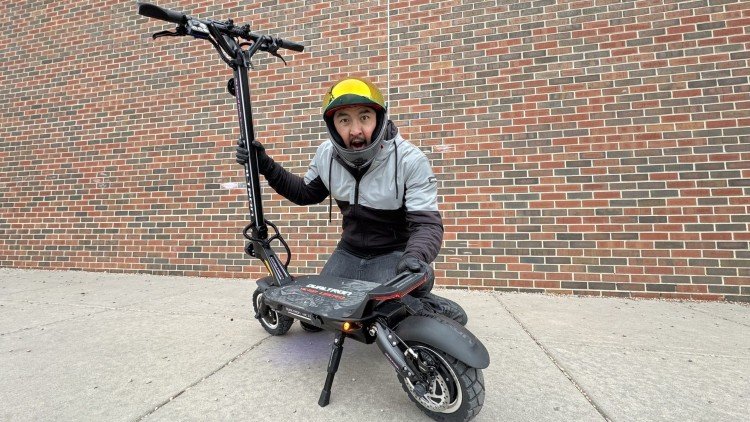
A Dual Motor Electric Scooter represents the ultimate tier of performance and redundant reliability in the micro-mobility world. While single-motor scooters are designed for efficiency on flat ground, dual-motor systems utilize independent hub motors in both the front and rear wheels to create a "two-wheel-drive" experience. This configuration effectively doubles the available traction and torque, allowing the scooter to deliver a net force that single-motor counterparts simply cannot match. Whether you are launching from a dead stop or navigating complex urban traffic, the instantaneous acceleration of a dual-motor setup provides a level of responsiveness that is as much a safety feature as it is a performance one.
The defining advantage of this category is its unrivaled hill-climbing capability. In cities with steep gradients or mountainous terrain, a single motor often struggles, leading to overheating and significant speed drops. By distributing the workload across two independent power units, dual-motor scooters maintain their velocity on inclines that would stall lesser machines. This shared load also increases the longevity of the electrical components, as neither motor is forced to operate at its absolute thermal limit for extended periods. In 2026, most premium dual-motor models also feature "Single/Dual" drive toggles, giving riders the flexibility to switch to a power-saving mode for flat cruising or engage "Turbo" mode for maximum torque when the road gets tough.
Beyond raw power, dual-motor scooters offer superior stability on "low-grip" surfaces such as wet pavement, gravel, or dirt trails. Because both wheels are actively pulling and pushing the chassis, the risk of wheel-slip is drastically reduced compared to rear-heavy single-motor designs. This category is typically paired with high-capacity 60V or 72V battery systems and advanced Sine Wave controllers for ultra-smooth power delivery. While they are generally heavier than entry-level models, the trade-off is a robust, high-performance vehicle capable of carrying heavier loads and conquering the most demanding landscapes with ease.
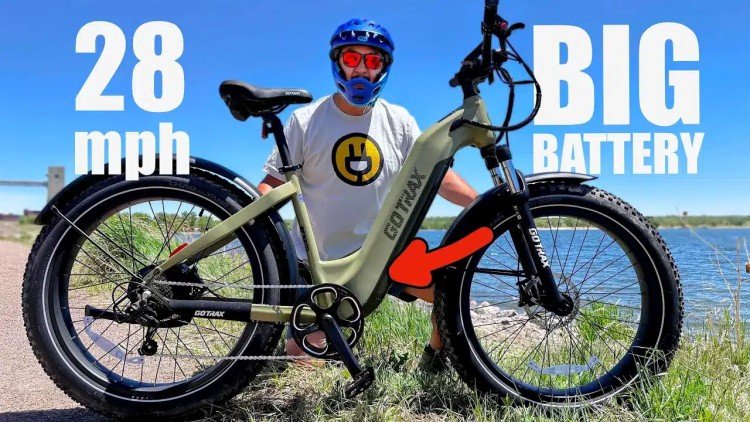
Two e-bikes can carry identical motor specs and still ride nothing alike, and the sensor behind the pedal assist is usually why. A cadence sensor works on a simple threshold: once the crank turns roughly a quarter rotation, the motor delivers whatever power the assist level is set to, whether you're barely tapping the pedals or standing on them. A torque sensor skips the threshold entirely and reads actual pedaling force instead, scaling the motor's help up and down in step with how hard you're pushing, moment to moment.
That distinction is the whole reason torque sensors have a following of their own. Riders who want the bike to feel like an extension of their own legs, rather than a separate motor cutting in and out, consistently describe torque-based assist as smoother and more predictable, especially through stop-and-go traffic, tight turns, or a climb where fine control matters. It tends to be kinder to the battery too, since the motor isn't spending power at a flat rate regardless of what's actually needed; it's only working as hard as your legs are.
None of that makes torque an automatic upgrade for everyone. The added electronics mean more components, occasional calibration, and a real cost bump over a cadence-based bike. It also demands actual effort. There's no "ghost pedaling" your way to full power the way you can with a cadence sensor, so a rider who wants the motor to do most of the work, or who has limited strength or mobility, may genuinely prefer cadence's flatter, lower-effort assist. Torque sensors are for riders who want the bike to feel like a bicycle first and a motor second.
Braking is the one system on a scooter you shouldn't compromise on, because the difference between brake types shows up exactly when it matters most — in a sudden stop. Mechanical disc brakes work by pulling a cable to clamp the pads, and cables stretch with use, so the lever gradually needs more travel to deliver the same stopping power, and periodic adjustment becomes a normal part of ownership. Hydraulic disc brakes replace that cable with sealed fluid pressure instead, which means the lever feel stays consistent from the first ride to the thousandth, and the system compensates for pad wear on its own.
The performance gap is measurable, not just a feel thing. Testing has found hydraulic disc brakes stopping in roughly 3 to 4 meters from 15.5 mph, compared to 4 to 5 meters for mechanical disc brakes and 5 to 6 meters for drum brakes, a real difference in a scenario where a few extra feet is the gap between a close call and a collision. Hydraulic systems also dissipate heat better under repeated hard braking, which matters most on steep descents or stop-and-go city traffic where a scooter's brakes rarely get a break.
The give-and-take here is that hydraulic brakes add a bit of weight and cost compared to mechanical or drum setups, and if they ever do need servicing, qualified hydraulic brake technicians aren't as universally available as mechanical repair, so upkeep can be pricier. For anyone riding a heavier, faster, or higher-power scooter, or just riding often enough that consistent, predictable stopping power matters, that tradeoff is almost always worth it.
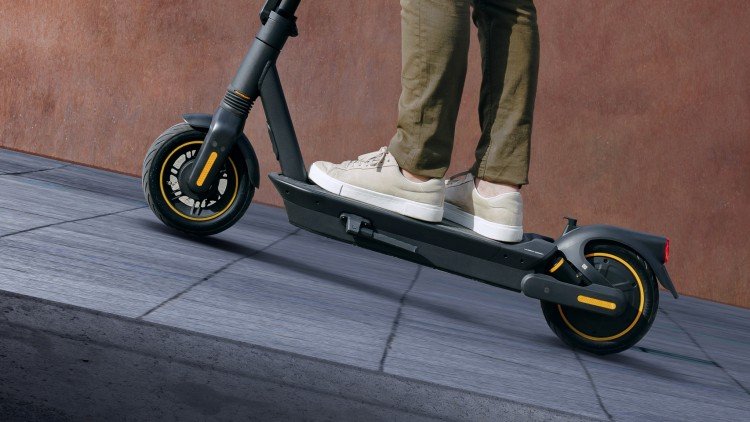
The average electric scooter now sells for over $1,100, which makes this category what it sounds like: everything that stays below what most people actually spend, from true budget picks up through the segment reviewers consistently call the value sweet spot. The jump from a sub $500 scooter into the $500 to $1,000 range isn't just a bigger number, it tends to be the point where real suspension shows up, batteries start becoming swappable instead of fixed, and features like turn signals, app connectivity, and puncture-resistant tires move from rare to expected.
If you're deciding where in this range to land, think about it in terms of what you're solving for rather than how much you want to spend. Sticking closer to $500 gets you a capable, no-frills commuter that will happily handle a short daily ride. Moving toward $1,000 buys real comfort upgrades: dual suspension that actually smooths out cracked pavement, batteries with enough capacity to stop thinking about range anxiety, and build quality that tends to hold up over years rather than months. Past this $1,000 ceiling is where scooters start competing on raw performance, top speed, off-road capability, extreme range, rather than everyday practicality, so this category is really the full range of what a genuinely useful commuter scooter looks like before you start paying for extras most riders don't need.

E-bike access rules are not one national standard right now, they're a patchwork that changes by state, by city, and often by the individual trail or park you're riding. A bike that's legal on the road might be banned on a nearby mountain bike trail. A trail that welcomed Class 1 e-bikes last year might still be closed to Class 2 and Class 3 this year. Multi-class configurable bikes exist to handle exactly that mess: one physical bike that can be genuinely switched between Class 1 (pedal assist only, capped at 20 mph), Class 2 (throttle-enabled, capped at 20 mph), and Class 3 (pedal assist to 28 mph, no throttle), rather than being locked into whichever class it shipped in.
That flexibility has gotten more useful, not less, as access rules keep splitting apart by class. Some of the newest trail expansions are Class 1 only, some state parks limit paved paths to Class 1 and Class 2 while excluding Class 3 entirely, and national parks generally don't recognize Class 2 or Class 3 as e-bikes at all. A rider who wants to hit a Class-1-only trail on Saturday and use full Class 3 assist for a Monday commute doesn't need two bikes if the one they own can legitimately do both.
At the end of the day, there is some scrutiny to discuss. Regulators have started paying closer attention to bikes marketed around "unlocking" extra speed rather than genuinely switching between compliant class settings, and at least one state has written that distinction directly into a 2026 law update. The honest use case here is accurate reconfiguration, dialing the bike down to match a trail's posted class requirement or up to a road's legal ceiling, not a workaround for exceeding limits altogether. Some trail systems also expect a bike's current class to match its factory documentation or label, so if you're riding a configurable bike, it's worth actually setting it correctly for wherever you're headed, not just leaving it maxed out by default.
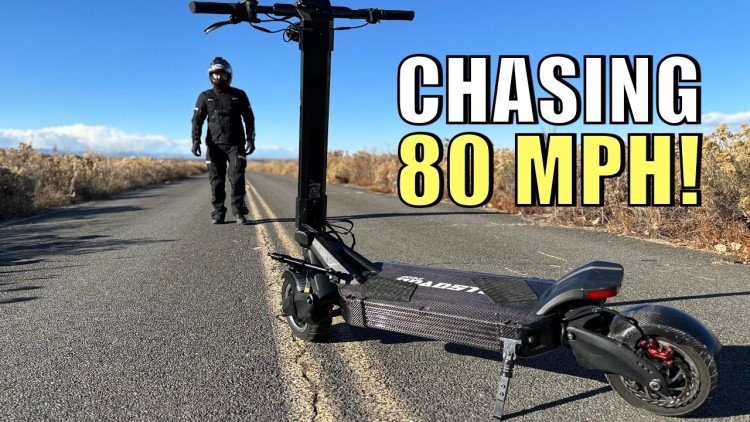
Most electric scooters on the market are built around a rider in the 150–200 lb range, with weight limits typically topping out at 220 lbs or 265 lbs on most entry-level and commuter models. If you weigh more than that, the scooter doesn't just feel a little sluggish; the frame is genuinely operating outside its design tolerance, which shows up as sagging suspension, overworked motors, and brakes that fade faster than they should. Our Heavy-Duty category starts at a 300 lb weight limit, the point where manufacturers stop treating high capacity as a nice-to-have and start building around it from the frame up.
That reinforcement is real, not just a bigger number on a spec sheet. Scooters in this class typically use dual-stem aluminum frames instead of a single support post, which spreads load across two points rather than concentrating stress where the stem meets the deck. They also step up to 48V systems at minimum, with serious heavy-duty models running 60V or 72V architecture; as the extra voltage keeps the motor from overheating as it draws more current to maintain torque under a heavier rider. Pair that with wider decks (9 inches and up), beefier pneumatic tires, and — critically — hydraulic disc brakes, which deliver the 30–50% more stopping force a 300 lb rider needs and self-adjust as pads wear, unlike mechanical brakes that fade and require manual tuning.
The range within this category is wide. A 300–330 lb rating covers a lot of well-built commuter-style options, but the top of the heavy-duty class climbs much higher — some models are rated for 400, 500, even 600+ lbs. If you're near the upper end of your own weight range, it's worth sizing up rather than buying right at the limit: manufacturers rate these numbers as a hard ceiling, not a comfortable cruising weight, and giving yourself a buffer preserves the range, acceleration, and braking performance you're paying extra for in the first place.
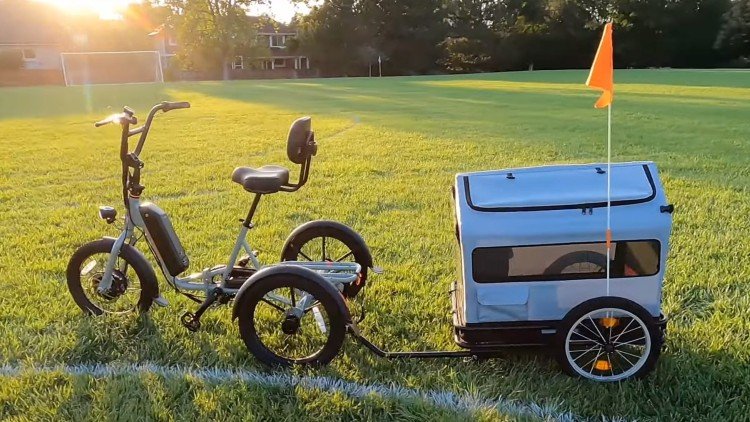
If you're new to electric bikes, you may have noticed that most of them are marketed with a Class designation. If you're wondering "what the heck is that?", wonder no more! Electric bike classes a way to define the power and capabilities of e-bikes. It's important to note that while classes are based on legal definitions and restrictions, these laws are not universal! They vary significantly from country to country, and within smaller regions (such as US states, or even cities) laws often vary widely.
What Class 2 (usually) means for Electric Bikes in the US and Canada:
- Top speed of 20mph (32kph)
- Motor power of 750 watts or less (this is nominal wattage, not peak)
- Motor power can be activated by pedal assist, and/or by throttle
What Class 2 (usually) means for Electric Bikes in Europe:
Who knows? 🤷 Seriously though, this is a matter of much debate in Europe and rules and availability vary widely from place to place. For most European countries, an e-bike must be limited to 250 watts or less and have a top speed of 25kph (15.5mph), with pedal assist only - that's right, no throttles! If an e-bike is more powerful than that, and especially if it has a throttle, it would technically be considered a moped or light motorcycle; this is typically an L1e-A designation, here is an example of the criteria from Ireland.
To further confuse things, enforcement of e-bike regulations tends to vary even more, with many law enforcement officers not even knowing the laws regarding PEV use in their jurisdictions. For example, in Fort Collins CO it's technically illegal to ride e-bikes on many multi-use trails in the city, but as long as you're riding under 20mph and not being a jerk, no one will care.
The moral of the story: Research laws for your area, and if possible talk to local experts. E-bike shop owners are great for this!
-medium.jpg)
Plenty of scooters get called "off-road" because they're painted in aggressive colors and shipped with chunky-looking tires. Actual off-road capability comes down to two things working together: suspension and tires, and a scooter needs both to genuinely qualify, not just one or the other. Our Off-Road & All-Terrain category is built around that pairing.
Suspension is the clearer of the two. A single front shock is common on commuter scooters and helps take the edge off rough pavement, but it doesn't hold up once you're off pavement entirely. Real off-road performance calls for suspension at both the front and rear, distributing impact across the whole scooter instead of concentrating it wherever the front wheel happens to land. Every scooter in this category has suspension on both ends.
Tires matter just as much, and material matters. Pneumatic (air-filled) tires flex and absorb impact in a way solid tires simply can't, which translates directly into better traction on loose dirt, gravel, and grass, and a noticeably smoother ride over roots and ruts. Wheel size plays a role too: 10 inches or larger is generally considered the baseline for handling real terrain, since smaller wheels tend to get caught on obstacles that a bigger wheel just rolls over. It's worth noting that a well-built solid tire paired with strong dual suspension can still deliver a genuinely capable ride, so tire material alone isn't the whole story, but pneumatic tires remain the more common and more reliable choice across the scooters built specifically for this kind of riding.
What you actually need from this category depends on where you're riding. Grass and light gravel are forgiving enough that most pneumatic-tired scooters handle them fine. Dirt trails with roots and rocks are where dual suspension stops being a nice-to-have and starts being the difference between a comfortable ride and a jarring one. And if hills are part of the terrain too, pair anything in this category with enough motor power to keep momentum on loose or soft ground, since a scooter that's built to absorb impact still needs the torque to push through it.
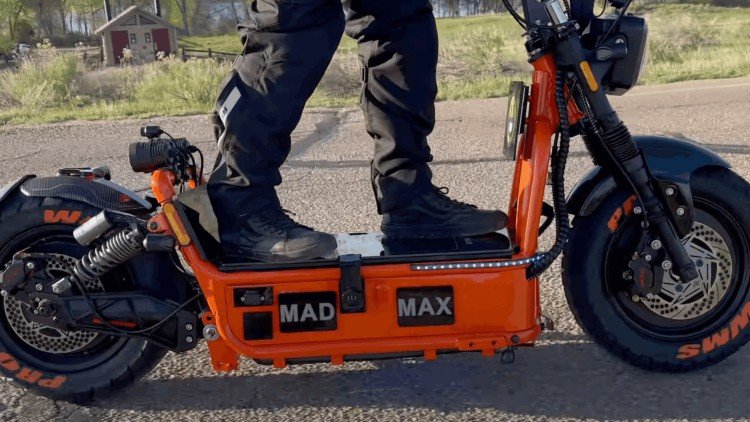
Range claims on electric scooter spec sheets are some of the least trustworthy numbers in the industry. Manufacturers typically test under ideal conditions: a light rider around 150 to 170 lbs, flat pavement, eco mode, low constant speed, then print that number on the box. Ride it the way most people actually ride, faster, with hills, at your real body weight, and you'll typically see somewhere between 60 and 80 percent of that advertised figure. A scooter "rated" for 40 miles might genuinely get you 25 to 30 in normal use, which is a meaningful gap if you're planning your commute around it.
That's why this category is built around minimum range rather than the headline number. A scooter qualifies as Long-Range here if its lowest stated range, the worst case a manufacturer is willing to put their name on, still clears 30 miles. That's a real bar. Most brands only publish one optimistic figure and stop there; the models in this category are ones whose manufacturers were upfront enough to disclose what you'll actually get on a bad day, not just a good one, and that number still held up at 30 plus miles.
Range ultimately comes down to battery capacity, measured in watt-hours, along with motor efficiency and how the scooter manages power delivery across its speed modes. Bigger batteries mean more range, but they also mean more weight and a higher price, so the scooters that land here tend to be built specifically around endurance rather than portability. If your commute is long, your terrain is hilly, or you just hate thinking about the charge percentage, this is the category to start from. Just keep in mind that even a genuine 30 mile minimum will shrink further if you're a heavier rider, riding in cold weather, or leaning on turbo mode more than eco.
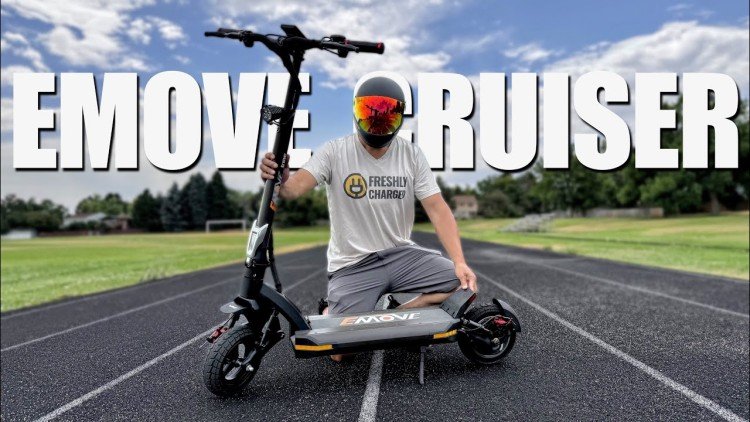
Deck width is one of those specs that rarely makes the headline feature list, but it changes how a scooter actually feels underfoot more than almost anything else. Most standard commuter scooters run a deck around 5.5 to 6.5 inches wide, enough for a single, fairly fixed foot position. Once you cross into genuinely wide territory, closer to 8 or 9 inches and up, that changes: there's real room to shift your stance, spread your feet for extra balance, or reposition on the fly without feeling like you're one wrong step from the edge.
That extra surface area does real mechanical work. A wider base lowers your effective center of gravity and gives you more lateral stability, which matters most exactly when you need it, cornering at speed, riding one-footed briefly to adjust cargo, or just standing comfortably on a long ride instead of locking your feet into one spot the whole way. It's also simply more comfortable for riders with bigger feet, who can feel cramped on a standard deck regardless of how good the rest of the scooter is.
A wider deck generally means a larger, heavier scooter overall, which is part of why the widest decks tend to show up on performance and heavy-duty models built for stability at higher speeds rather than lightweight commuters built for portability. If a wide, planted stance matters more to you than folding it into a closet, this is the category to start from.
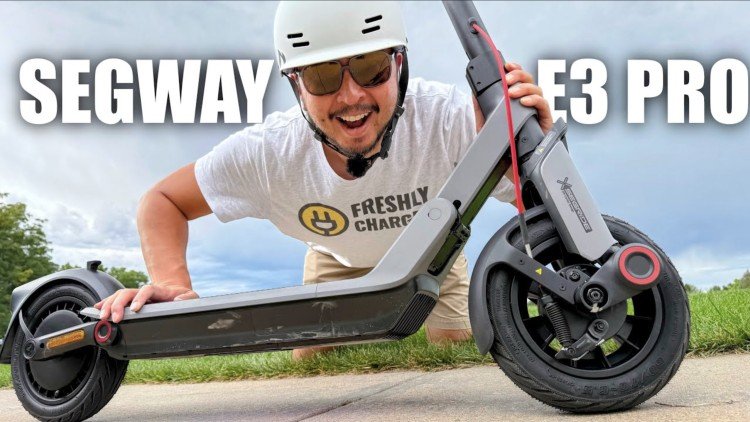
The "Commuter" category is defined by the seamless integration of micro-mobility into daily life. Unlike high-performance models that prioritize speed, these scooters are engineered for the "last mile", which is the gap between your front door, public transit, and the office. To qualify for this category, a scooter must strike a delicate balance between functional range and portability, typically maintaining a total weight of 40 lbs or less. This weight limit is the industry standard for "true portability," ensuring the vehicle can be comfortably carried up stairs, stowed under a desk, or lifted onto a bus without specialized effort.
Practicality is the driving force behind the design of these machines. A premium commuter scooter features a rapid-fold mechanism—often operable in under three seconds—and a compact footprint that allows it to vanish into tight urban spaces. In 2026, the focus has shifted toward "zero-maintenance" hardware. This includes the use of puncture-proof tires, drum brakes that are protected from the elements, and high-efficiency single motors that provide enough torque for city bridges while maximizing battery longevity. These scooters are not meant for racing; they are built for the reliability and consistency required by a daily 9-to-5 schedule.
Safety and durability are equally critical in the commuter class. Because these vehicles are frequently used in varying weather conditions and high-traffic areas, they prioritize high-visibility lighting systems and robust water-resistance (IP) ratings. Modern commuters also look for "smart" features like app-integrated locking, GPS tracking, and regenerative braking, which subtly recharges the battery during every stop. When you choose a scooter from this category, you aren't just buying a gadget; you are investing in a reliable, lightweight alternative to the car that simplifies urban navigation and eliminates the stress of parking.