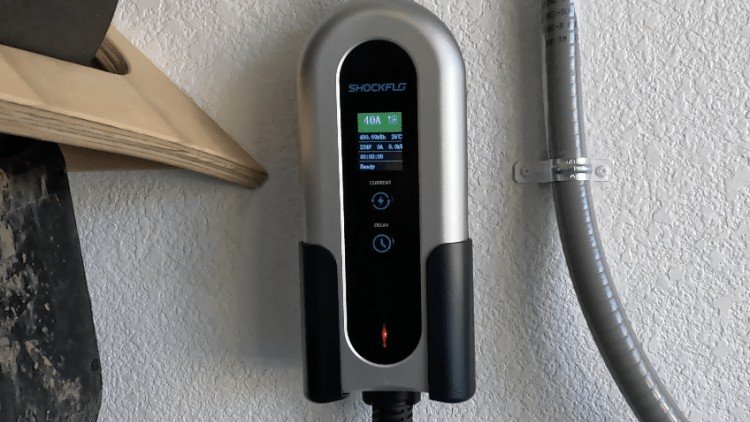
Portable electric vehicle chargers are compact charging units designed to power electric vehicles when fixed charging stations aren’t available. These devices typically plug into standard household outlets or compatible higher-output sockets and provide Level 1 or Level 2 charging depending on the model. Many include adjustable amperage settings, interchangeable plug adapters, and built-in safety features such as temperature monitoring, surge protection, and waterproof housing. Their small size makes them easy to store in a vehicle trunk, travel bag, or garage.
These chargers are commonly used by EV owners who need flexibility, whether for road trips, camping, commuting, or emergency backup charging. They’re particularly valuable for drivers without access to a dedicated home charging station or for those who frequently encounter varying outlet types. As EV adoption continues to grow, portable chargers offer a practical and reliable solution to extend driving range and reduce range anxiety, making charging more accessible wherever a powered outlet is available.

Smart glasses are wearable devices that integrate display technology, sensors, and computing components into a traditional eyeglass form factor. Depending on the model, they may include features such as heads-up displays, augmented reality overlays, cameras, microphones, speakers, and voice-activated controls. These devices are designed to provide hands-free access to information, navigation, communication tools, or media without requiring users to interact with a handheld screen. Some versions prioritize lightweight notification access, while others focus on immersive augmented-reality experiences for professional and consumer applications.
Smart glasses are commonly used in fields such as navigation, fitness, photography, remote work, and industrial workflows where hands-free interaction offers efficiency and convenience. As technology advances, they are increasingly used for real-time translation, accessibility support, training, and entertainment. With improvements in battery life, optics, comfort, and software ecosystems, smart glasses continue to evolve as a bridge between mobile computing and wearable augmented-reality experiences.

Smart sofas are modern seating systems that integrate technology for comfort, convenience, and connectivity. These sofas often include powered reclining mechanisms, adjustable lumbar support, built-in massagers, or heated seating. Many models incorporate USB ports, wireless charging pads, speakers, and integrated lighting to support entertainment and device use without requiring additional furniture or accessories. Increasingly, smart sofas may also connect to mobile apps or smart home ecosystems, enabling users to customize settings and store preferred configurations.
These sofas are typically used in living rooms, home theaters, or multipurpose spaces where comfort and functionality are priorities. They appeal to users looking to enhance relaxation, streamline entertainment setups, or bring more customization to home furnishings. As smart home technology continues to expand into everyday furniture, smart sofas represent a growing category that merges ergonomics, convenience, and digital integration.
-medium.jpg)
Smart sprinklers and connected irrigation systems that use app control, automation, or sensor-based technology to manage lawn and garden watering.

A smart toilet is an all-in-one fixture that integrates electronic bidet and hygiene functions directly into the toilet unit. Common features include heated seating, adjustable warm water cleansing, a warm air dryer, self-cleaning nozzles, automatic flushing, and built-in deodorization. Smart toilets are designed for standard floor-mount installation and typically require a nearby electrical outlet in addition to standard plumbing connections.