Electric bikes, or e-bikes, are bicycles equipped with electric motors and rechargeable battery systems that assist the rider’s pedaling effort. They typically feature one of three assist systems: pedal-assist, throttle control, or a hybrid of both. Battery capacity, motor wattage, and sensor types vary across models, allowing riders to choose between lightweight city commuting setups or high-performance configurations built for speed and range. Many e-bikes include features such as integrated lighting, display screens, multiple assist levels, and regenerative braking. Depending on the design, motors may be located in a wheel hub or integrated with the crank system for more natural pedaling dynamics.
These bikes are used for commuting, fitness, cargo transport, off-road riding, and casual recreation. They appeal to riders who want the benefits of cycling with reduced strain, longer range, or easier travel across hills, wind, or long distances. With advancements in battery efficiency, motor design, and frame integration, electric bikes have become a practical transportation solution in cities, suburbs, and rural areas. Their combination of accessibility, efficiency, and versatility has made them one of the fastest-growing categories in personal electric transportation.
-medium.jpg)
The Antic from Future Motion is the first production ready self wheelie bike on the market, and after two separate sessions including one crash that served as a hard learned safety lesson, the Freshly Charged team came away with a nuanced take on a product that is genuinely exciting but not without its rough edges. The wheelie system works, the speed is real, and the experience of doing something most people assumed they could never do is as rewarding as advertised. But the stock tires are a notable compromise, the seat design becomes uncomfortable during extended wheelie sessions, basic accessories are missing at a price point that should include them, and the mode indicator system is not prominent enough to prevent the exact kind of accident Jimmy experienced firsthand when he forgot wheelie assist was disabled. Stacked against the Wheelie Fun Bike prototype the team also tested, the Antic trades a more polished ride experience for immediate availability and a lower price point, with Andrew favoring the Wheelie Fun Bike for safety feel and ride comfort, and Jimmy leaning toward the Antic for its real world accessibility. If you want to understand the full picture of what this bike gets right, where it falls short, and whether it belongs in your garage, the following review is worth the read.
-medium.jpg)
The Wheelie Fun Bike V1 is the world's first self-wheelying mini bike: a 72V electric mini bike built by The Float Life around a dedicated self-balancing wheelie system that does exactly what the name promises. Press and hold the wheelie button, the front wheel lifts, and the bike's self-balancing technology holds you at a controlled angle indefinitely, with a smooth, gradual let-down when you release. That means no looping out, no sudden drops, no consequence for getting the balance point wrong. Claiming 30+ mph and 30+ miles of range (with real-world testing confirming 31 mph sustained uphill), the bike is legitimately capable as a mini e-bike on its own merits, but the headline is the riding experience: a flow-state, weight-shifting, hip-controlled skill that feels somewhere between an electric unicycle and a dirt bike wheelie, and that total beginners can meaningfully progress on within a single session. It's not the most practical thing we've ever tested — it's not trying to be — but as a pure experience machine that makes one of riding culture's most aspirational skills genuinely accessible, the Wheelie Fun Bike V1 is one of the most uniquely fun products to come through the Freshly Charged garage.

The Aventon Level 4 ADV is a mid-drive commuter e-bike built around a fundamentally different philosophy than most of its competition: instead of chasing the biggest numbers, it chases a smarter ride. The Aventon Ultro S mid-drive motor (750W rated, 100Nm peak torque) paired with a Shimano CUES 10-speed electronic drivetrain and the bike's AutoShift and Auto Mode pedal assist systems work together to create a riding experience that autonomously manages gear selection and power output in real time, leaving the rider to simply pedal and enjoy the scenery. The 800Wh Samsung battery, 100mm suspension fork, Tektro hydraulic brakes front and rear, 50mm suspension seat post, integrated GPS security with remote lockdown capability, and dual UL certifications (UL 2849 and UL 2271) round out a spec sheet that justifies the premium price point. Plus there is Aventon's extensive dealer network for real-world service support. The absence of a brake light is a genuine safety oversight that needs to be addressed, the throttle is an optional add-on rather than included, and the price will give budget-conscious buyers pause... but for the daily commuter who wants a refined, intelligent, theft-resistant bike that rides more like a high-end road bike than a utility hauler, the Level 4 ADV should be a contender.
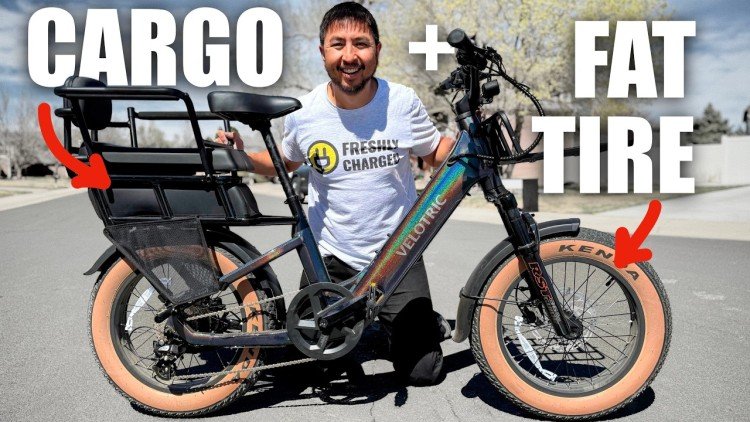
The Velotric GoMad is a short-tail cargo e-bike that bridges the gap between utility hauler and legitimate commuter, built around a 750W rear hub motor (1,300W peak) with 85Nm of torque, 20x4" Kenda fat tires, and a custom ride mode that unlocks throttle up to 20 mph and pedal assist up to 28 mph simultaneously, a combination that's rare in the cargo segment. The 802Wh battery, RST Guide hydraulic suspension fork with 100mm of travel, Tektro hydraulic brakes, TFT LCD display, and 500 lb payload capacity round out a spec sheet that punches well above what most compact cargo bikes offer, and Velotric backs it all with dual UL certifications, IPX6 water resistance (IPX7 battery), Apple Find My integration, and a 1,200+ dealer network for real-world service support makes the GoMad worth a long look.

The Velotric Tempo is one of the most unique lightweight city ebikes we’ve tested, combining an experience that feels natural with smart features such as Pulse Mode heart-rate training. In this review, we test the ride, tech, and real-world performance to see if this is the best lightweight commuter ebike you can buy right now.
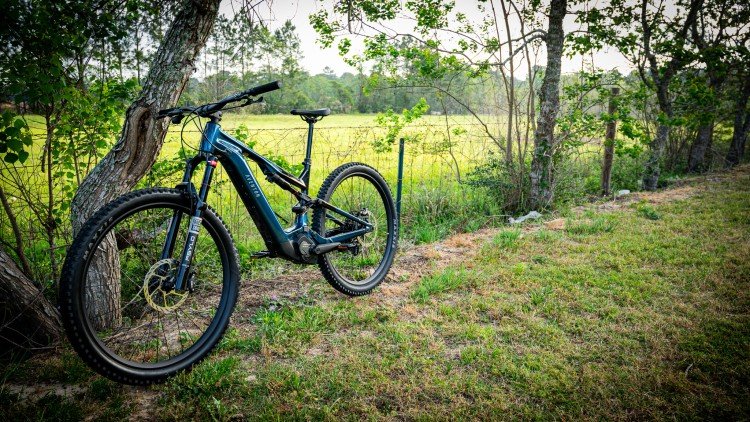
The Aventon Current ADV is a heavy-hitting trail machine designed to shred, not just survive. With a massive 120Nm of torque from the Ultro X mid-drive and a rock-solid RockShox suspension, this bike turns the most intimidating climbs into your personal playground. It’s a masterclass in modern geometry, balancing a planted, stable feel on high-speed descents with enough "pop" to keep things playful on the tight stuff. If you're looking for high-end carbon performance and integrated tech without the $10,000 price tag, the Current ADV is ready to rip.

The Aventon Current eMTB might be the most disruptive electric mountain bike of the year. With premium components, advanced tech, and a surprisingly aggressive price, Aventon is challenging the traditional eMTB market in a big way.
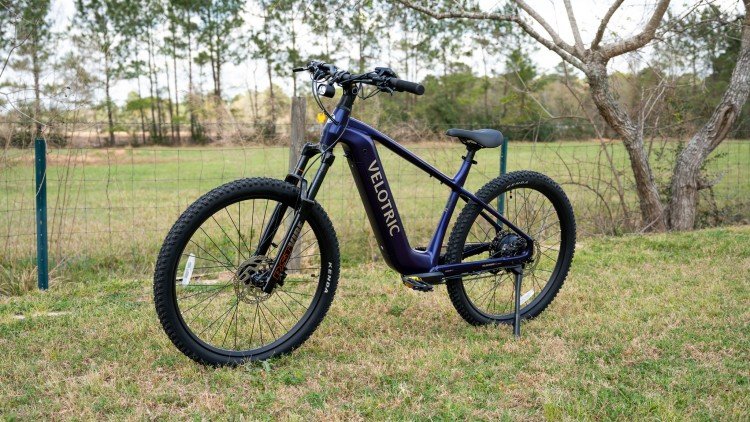
The Velotric Summit 2 is what happens when a brand stops trying to shout over the competition with marketing buzzwords and starts building a vehicle that actually solves real-world problems. This isn't just another generic hub-drive e-bike; it’s a refined, capable, and surprisingly intelligent machine that aims to bridge the gap between "commuter" and "off-road adventurer." If you’re tired of the "e-bike dork" look and want something that performs like an extension of your own body rather than a clunky electric toy, keep reading.

It wheelies, bruh! No, seriously, this thing wheelies by itself. It sounds easier than it actually is, but the Future Motion guys have cooked up something really cool to start our 2026 review season off with a bang! Check out the review to see why we're so pumped on the Antic.
-medium.jpg)
The Aventon Pace 4 Step-Through is not trying to be everything to everyone, and that is exactly what makes it work. It is a refined, tech-forward cruiser built for riders who want a natural cycling feel with just enough electric assist to make every ride feel effortless. After a full field session with the Freshly Charged team, it earned its place as one of the cleanest options in the cruiser category that will be loved by riders seeking the more natural cycling experience.
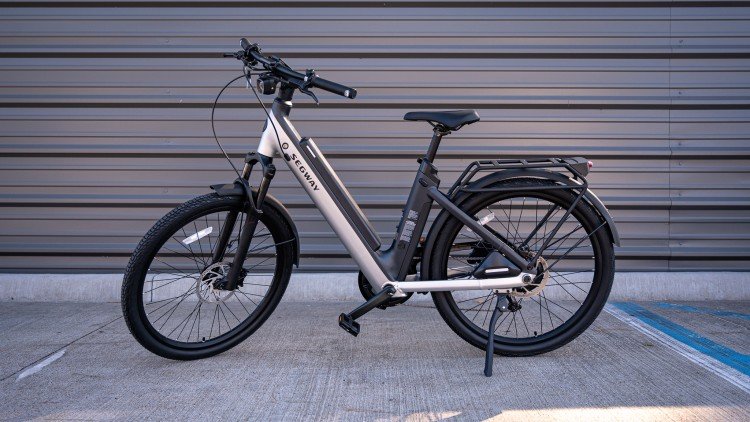
The Segway Myon is what happens when you stop building e-bikes like toys and start building them like vehicles. This isn't just a commuter; it’s a masterclass in refinement. Featuring industry-leading electronic shifting from Shimano and Segway’s proprietary TurboTuned™ torque sensor, the Myon eliminates the jerky, unrefined feel of standard e-bikes, delivering power that feels like a natural extension of your legs. It crushes hills with a peak output of 1500W and glides through the city with a stealthy, whisper-quiet confidence.
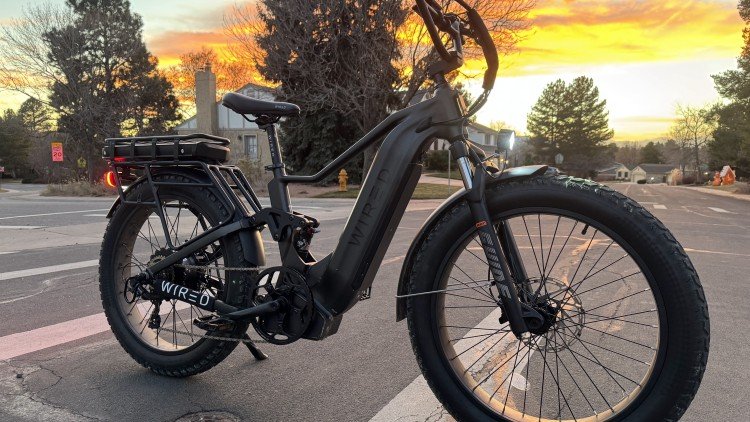
The Wired Warrior is a "Clark Kent" style power performance machine that packs a massive 72V system and an exclusive 5000W peak motor into a full-size, stable frame. While it looks like a premium fat-tire bicycle, our testing proved it is a high-speed monster capable of hitting a GPS-verified 52 mph and demolishing steep hills that would stall most competitors. It balances this raw, "unhinged" acceleration with expert-level safety features like 10-gauge spokes and a 56T chainring to prevent ghost pedaling, making it the definitive choice for riders who want elite e-moto performance without the legal profile of an electric dirt bike.