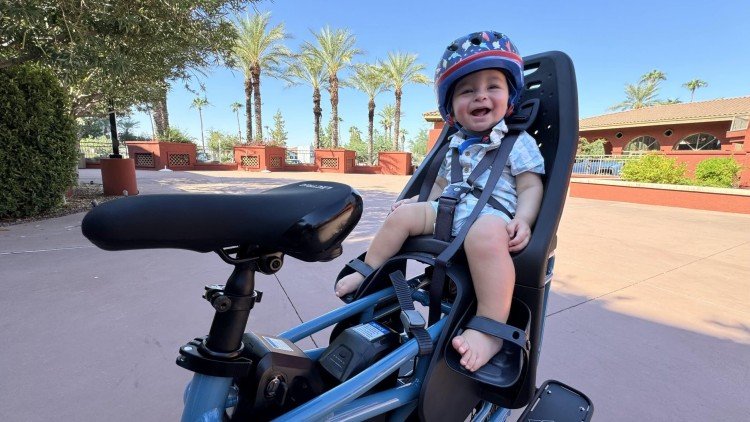
Electric bikes, or e-bikes, are bicycles equipped with electric motors and rechargeable battery systems that assist the rider’s pedaling effort. They typically feature one of three assist systems: pedal-assist, throttle control, or a hybrid of both. Battery capacity, motor wattage, and sensor types vary across models, allowing riders to choose between lightweight city commuting setups or high-performance configurations built for speed and range. Many e-bikes include features such as integrated lighting, display screens, multiple assist levels, and regenerative braking. Depending on the design, motors may be located in a wheel hub or integrated with the crank system for more natural pedaling dynamics.
These bikes are used for commuting, fitness, cargo transport, off-road riding, and casual recreation. They appeal to riders who want the benefits of cycling with reduced strain, longer range, or easier travel across hills, wind, or long distances. With advancements in battery efficiency, motor design, and frame integration, electric bikes have become a practical transportation solution in cities, suburbs, and rural areas. Their combination of accessibility, efficiency, and versatility has made them one of the fastest-growing categories in personal electric transportation.
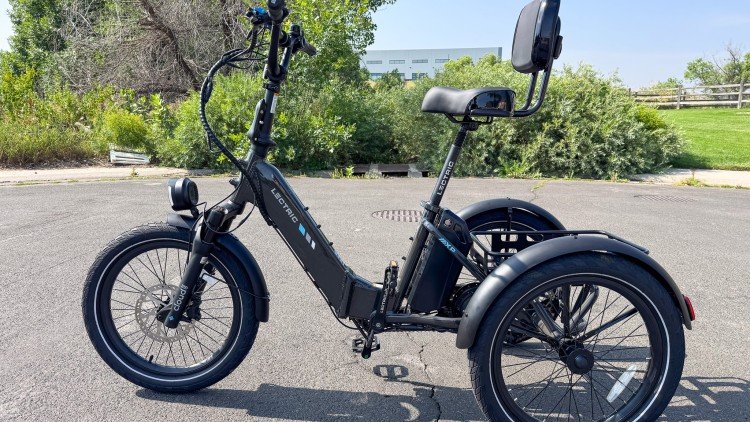
The Lectric XP Trike 2 is a stable, comfort-focused electric trike designed for riders seeking a safe, practical, and confident ride. Ideal for older adults, those with balance concerns, or anyone desiring three-wheel stability, it features a powerful motor, long range, hydraulic brakes, and easy adjustability—making it a standout option under $2,000.
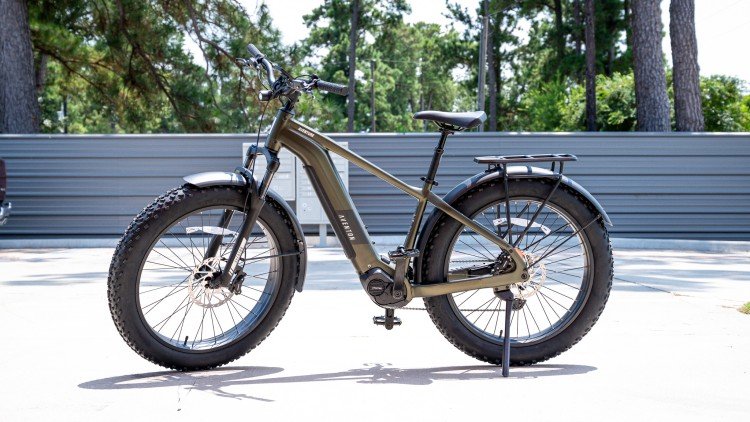
The Aventon Aventure M is ideal for riders seeking one versatile e-bike for both commuting and trail adventures. Featuring smart tech, a powerful mid-drive motor, auto-shifting, robust brakes, and premium comfort, it’s designed for those who appreciate innovation without sacrificing a genuine cycling feel. It’s a standout choice for tech-savvy, comfort-focused e-bikers.
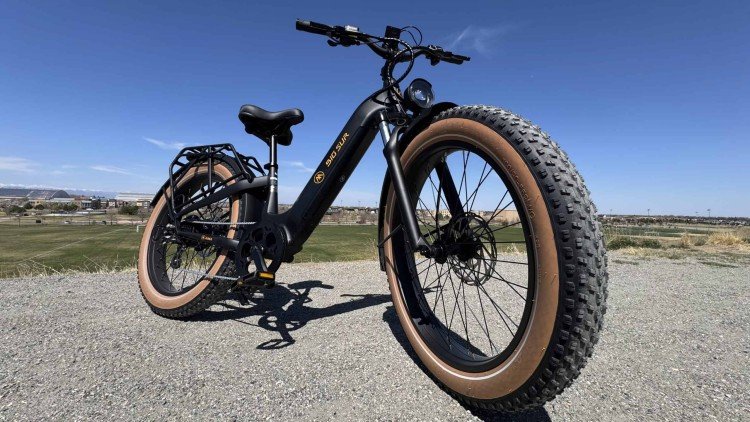
The AIMA Big Sur is a class 3 fat tire e-bike that features a robust 750W motor, 28 mph top speed, and a high-capacity 48V 15Ah battery. With natural-feeling torque sensor pedal assist, front coil suspension, and quality Shimano/Tektro components, it excels on both roads and light off-road. It's heavy but comfortable, making it a strong value choice.
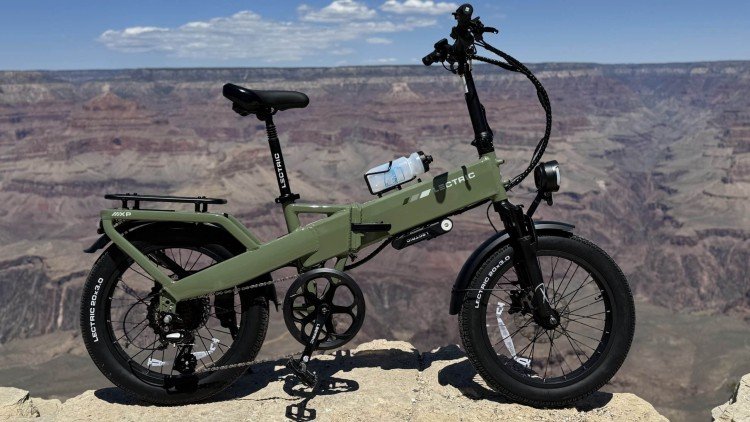
The Lectric XP 4.0 folding fat tire e-bike impresses with major upgrades, including a torque sensor, hydraulic brakes, better display, and an improved drivetrain—all starting at just $999. Available in 500W and 750W versions, it offers features normally found on pricier bikes, making it an unbeatable value for budget-conscious riders seeking modern performance and portability.
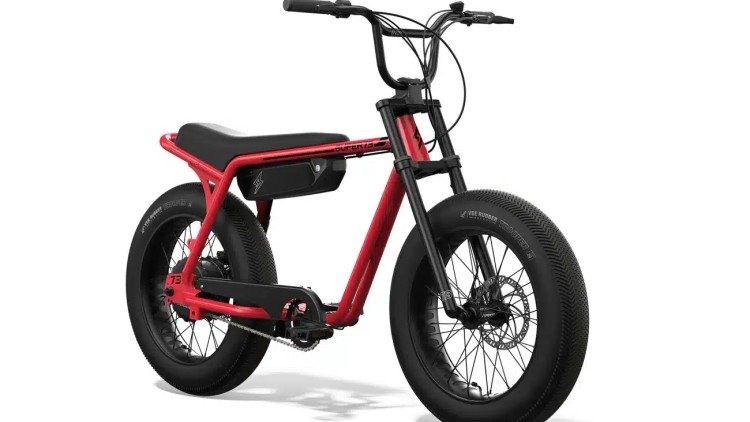
The Super73 Z Miami stands out in the electric bike market with its bold design, fat tires, and strong performance. Available in Core and SE models, it offers features like customizable batteries, a 500W motor, and up to 35 miles of range. The SE adds suspension and hydraulic brakes, enhancing comfort and stopping power for urban adventures.
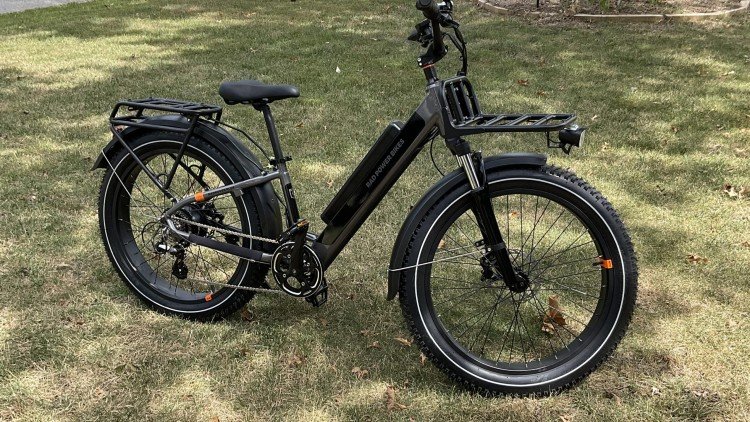
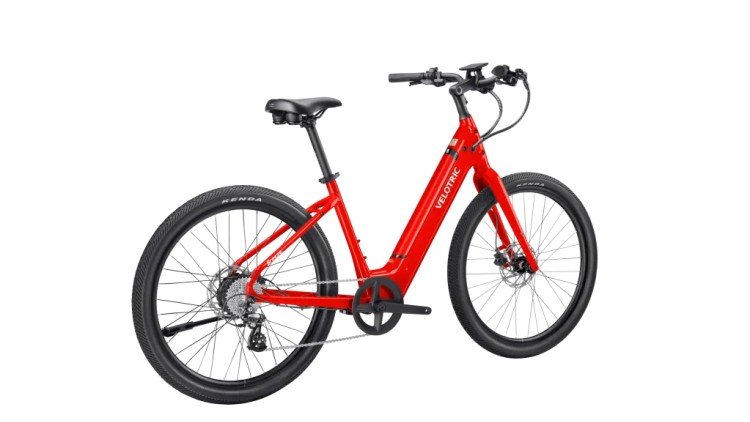
The Velotric Breeze 1 blends commuter speed with cruiser comfort, offering a lightweight, tech-rich e-bike at 48 lbs and up to 28 mph. With a powerful 750W motor, torque/cadence sensor, color display, and Apple FindMy tracking, it delivers performance and value. Downsides include no included rack/fenders and a fully rigid frame, but overall it’s a standout urban option.
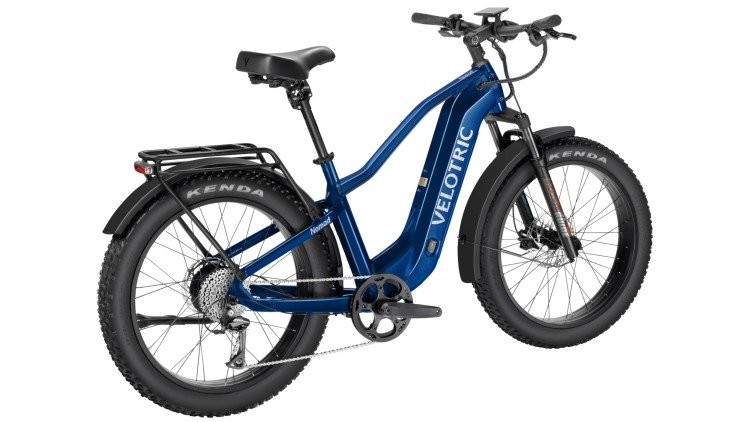
Our detailed review of the Velotric Nomad 2 highlights its impressive UL-rated battery, high-quality components, and unique sensor swap feature for customizable ride feel. With a range of 65 miles, 750W motor, and 1000 lbs towing capacity, this stylish e-bike stands out—though its 72-lb weight makes it less maneuverable than lighter models.
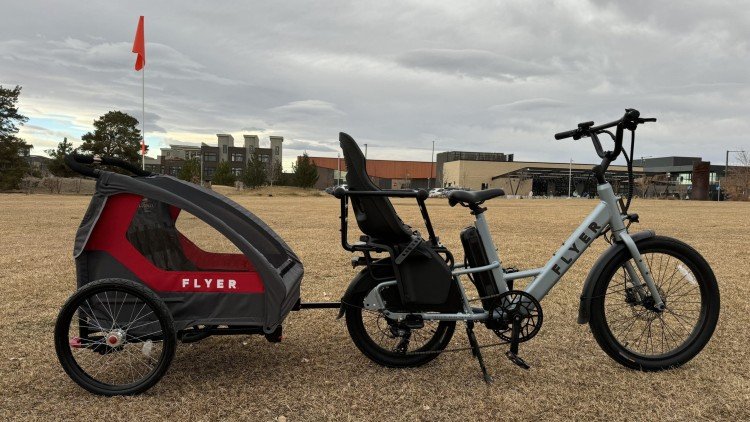
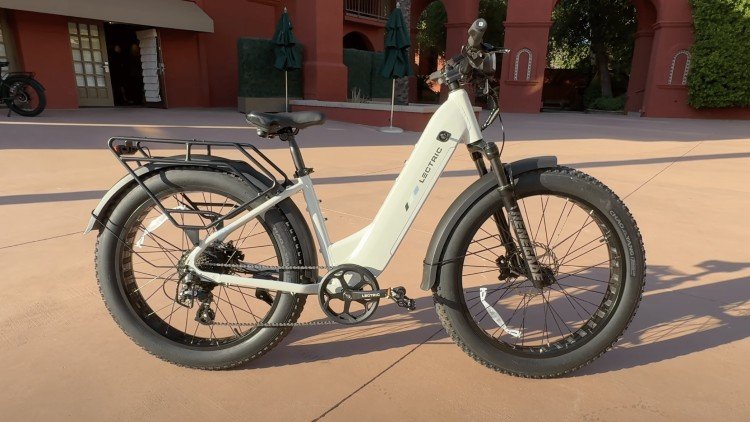
The new Lectric XPeak 2.0 brings notable upgrades, including a torque sensor, reinforced frame, improved derailleur, and a color LCD display, building on the reliable, affordable legacy of the original. While improvements like puncture-resistant tires and better grips enhance performance, some aspects like battery removal and headlight strength could use refinement. It’s a stellar long-range value e-bike.