-medium.jpg)
The Dashmoto Dash 3 is a full carbon fiber mobility scooter capable of 18 mph with an FAA compliant removable battery, and it genuinely opened up experiences for Andrew's 72-year-old mom that were not possible before — Disneyland, Zion National Park, and trails near her house she had never been able to access due to her knees. However, at nearly $4.4k, the product arrives with a criticism list that is hard to ignore: a jerky throttle in sport mode, no brake light, no mirror, no horn, a rear bag sold separately for over $100, and a QC issue on the delivered unit where a loose battery was disconnecting on bumps. The Dash 3 is a capable lightweight mobility scooter, but Dashmoto needs to close the gap between the price and the execution.
-medium.jpg)
-medium.jpg)
The Dreame A3 AWD Pro is a robot mower built for yards that present a real challenge, and after several weeks of testing across hills, exposed roots, and uneven terrain, Andrew found it handled the hard parts better than most. The EdgeMaster 2.0 edge trimming system is genuinely impressive when set up correctly, though the fixed 1.2 inch cutting height is a real limitation for anyone running their lawn taller. The overall ownership experience, from the toolless blade changes to the thoughtful security features, is what makes this one stand out.
-medium.jpg)
Lumos made their name on smart helmet lighting, and the Sonorus is the fullest expression of that expertise yet: a gyro-activated brake light system, front and rear turn signals, and near-360-degree LED visibility that holds up in real-world riding conditions. To round it out, there is a MIPS-certified shell and replaceable electronics module, as well as a mesh intercom system that keeps up to 15 riders connected. The intercom works well in line-of-sight conditions but falls short of the advertised one-mile range claim, which is the main drawback of this tech-packed product.
-medium.jpg)
The Lectric XPress2 is a $1,399 commuter eBike that punches well above its price bracket on hardware quality, and is also backed by the best post-purchase support Andrew knows of after eight years of reviewing. The field testing detailed below covers everything from top speed runs, real-world range estimates, as well as a direct head-to-head comparison against a sibling Lectric model on a paved mountain trail in Colorado. The criticisms are legitimate and worth reading — particularly around the lack of any tracking ecosystem and a packaging situation that delayed the review entirely — but they do not undermine the core case for this bike at the price.
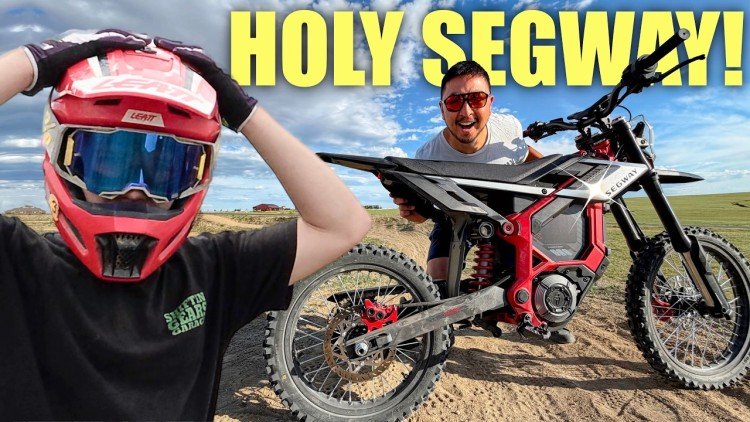
The Segway Xaber 300 is the first electric dirt bike Segway has built from the ground up, and after a full session on a real motocross track with the Gobbo Bros, it earned the kind of endorsement that matters: two experienced riders who came in skeptical and left impressed. The suspension, braking, and power delivery all hold up under hard riding, and the tech and security suite — GPS tracking, AirLock proximity unlock, parental controls, hill hold, and more — has no real peer in the category. The bike is not without its issues, particularly around throttle behavior when the front end is elevated and an e-clutch placement that creates a genuine ergonomic safety concern, plus a wheelie assist feature that was hyped at CES but is missing upon release. For riders serious about off-road performance who also want best-in-class smart features, the Xaber 300 is an attractive contender at its price point.
-medium.jpg)
The Beatbot AquaSense X is a premium robot pool cleaner with AI-guided navigation, a self-cleaning dock, and best-in-class performance across floors, walls, waterlines, and surface skimming. The AstroRinse station is a legitimately impressive piece of engineering that automates nearly everything, but it comes with strict placement requirements and a water usage footprint that will not suit every potential buyer. Price is the biggest obstacle, and the team is candid that Beatbot's own less expensive models will cover most of what this one does. If you have the budget, the right installation environment, and a low tolerance for touching pool debris, this is the most capable hands-free pool cleaning system available today.
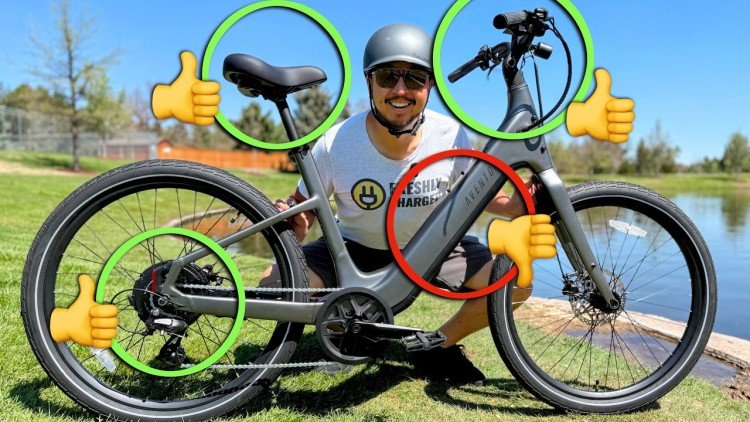
The Aventon Pace 5 is a comfort-first pavement cruiser that packs more technology than anything else in its class, and Andrew and Jimmy put it through a full field session to see if the hardware lives up to the spec sheet. The headline additions are a regen braking system uncommon at this price point and a serious security stack, both of which held up well in testing. The criticisms are short, and the biggest one has more to do with Aventon's own lineup than anything wrong with the bike itself.
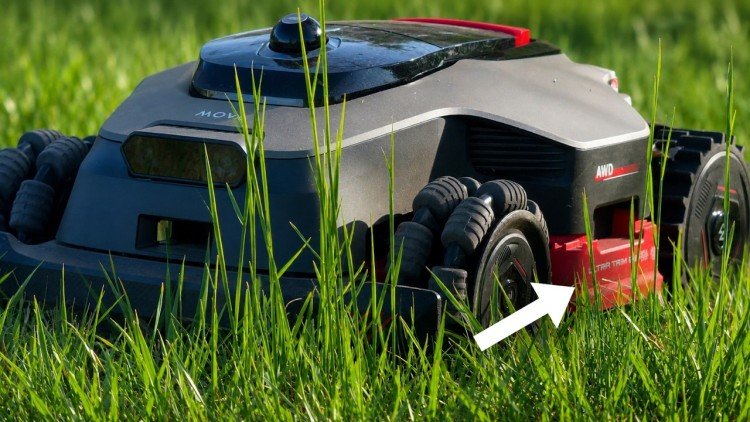
The MOVA LiDAX Ultra 3000 AWD is a high-end robot mower built specifically for yards with traits that would stop most of the competition cold: steep slopes, complex multi-zone terrain, and surfaces that require real traction to navigate. Jimmy put it through some seriously tough conditions, and it handled the job without ever getting lost or needing intervention. It carries a premium price and an app ecosystem that still has room to grow, but for anyone managing a genuinely difficult yard, it's one of the most capable robot mowers we have ever tested.
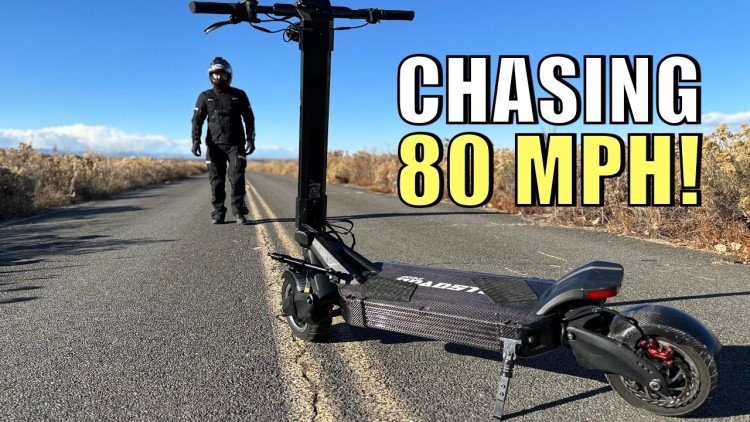
Andrew took the EMOVE Roadster — VoroMotors' fastest production electric scooter on the market — out for a GPS verified speed record attempt, targeting the 80 mph barrier. He did not break it, but he did tie his personal best of 74 mph on a modified unit that was not running its full production brake spec and on a runway that was not quite long enough to fully unwind the throttle. The machine itself was rock solid at speed, but the conditions were not ideal.
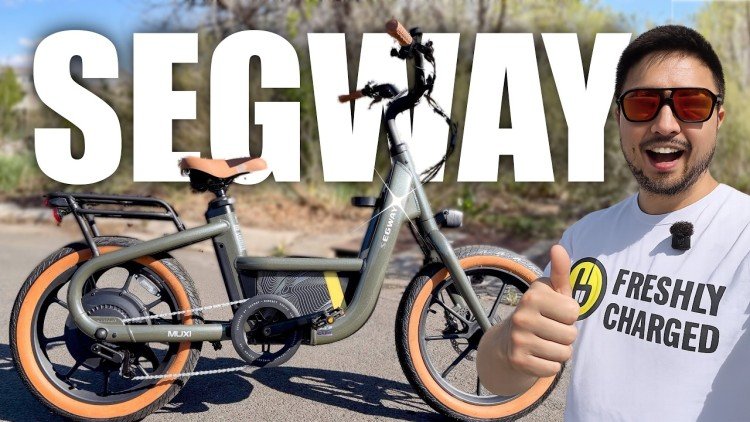
The Segway Muxi is a short-tail cargo eBike that combines genuine beach cruiser comfort with one of the deepest technology stacks the Freshly Charged team has encountered at this price point, covering everything from adaptive hill assist and regenerative braking to AirLock wireless security and rear radar collision warnings. Andrew put it through a full field session testing each of those systems in real conditions, and most of them hold up. There are legitimate criticisms, such as no fenders at $1,699, no front suspension, and a passenger kit that leaves your passenger with nothing to hold. None of these undercut the core case too severely, but they are thins to know before you buy. If you want a bike that has a quality build, is good looking, and has an impressive tech stack for commuters, the Muxi is available through the Segway dealer network.
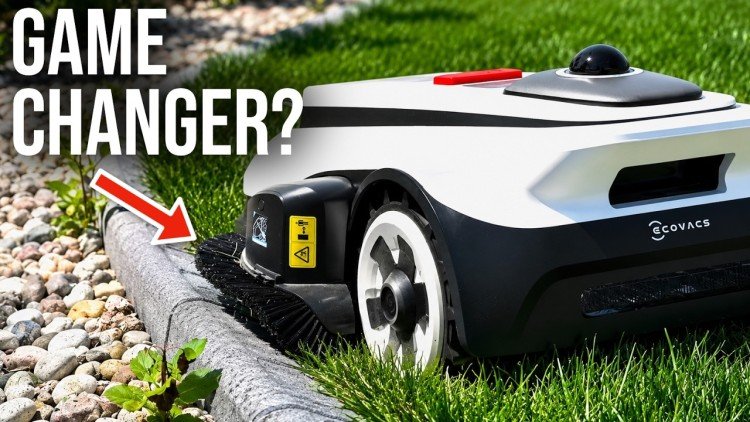
Robot mowers have always had an edge problem, and the ECOVACS GOAT A3000 LiDAR PRO is the first one Jimmy has tested that actually comes close to a wholly autonomous solution. After a few months of real use, the TrueEdge trimmer has not eliminated the string trimmer entirely, but it has reduced the work from cleaning up a full perimeter band to just chasing down a few missed spots. That alone is a major selling point, but the premium feature stack and quality app further the argument to buy.
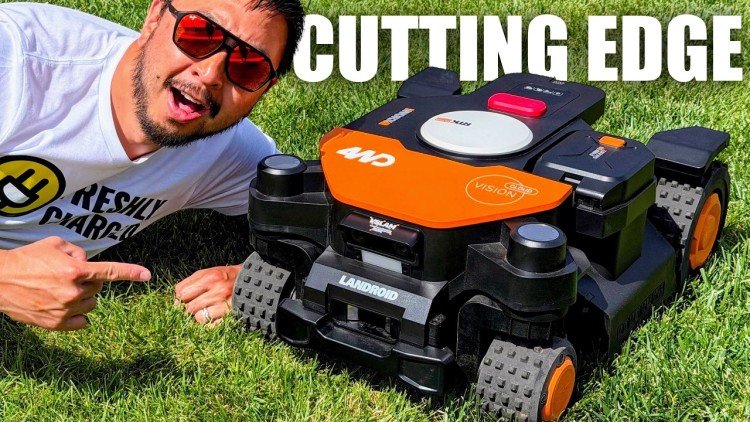
The WORX Landroid Vision Cloud 4WD is the first robot mower Andrew has tested that makes good on all three of its headline promises: no external RTK station, a base station that actually sits against your house, and edge trimming that actually reduces the need for a string trimmer. After a full week of real-world testing across a complex multi-zone yard, the results held up. If you have a demanding yard and a low tolerance for robot mower compromises, this new to the market product is worth a serious look.