Not every "powerful" scooter is actually built for hills. Motor wattage is the clearest signal of which side of that line a scooter falls on, and the market has settled into a fairly consistent tiering: scooters in the 250 to 350W range are made for flat ground and the occasional gentle slope, 500 to 750W models handle most everyday urban inclines without much drama, and it's not until you cross into the 1000W and up class that a scooter is genuinely built for steep, sustained climbing. That 1000W mark is where our Hill Climbing category starts, and it's not a number we picked arbitrarily. It shows up again and again across independent scooter buying guides as the point where a motor stops merely coping with hills and starts being designed around them.
Watts tell you the ceiling, but torque is what actually does the work of fighting gravity, and this is where things get a little murkier. Torque, measured in Newton-meters, is the twisting force at the wheel that overcomes an incline; a motor can have plenty of wattage on paper and still feel weak on a climb if it's not delivering enough torque to match. The catch is that torque specs aren't nearly as consistently published as wattage is, and the numbers that do exist vary more than you'd expect. The Varla Eagle One, a scooter built specifically for hills and rough terrain, runs dual 1000W motors but lists only 36 Nm of torque, while some buying guides recommend 40 Nm or more for hilly commutes. Rather than filter this category on torque, which would quietly exclude plenty of genuinely hill-capable scooters that simply don't publish the spec, we've built it around wattage instead, since it's the number nearly every manufacturer actually reports.
A couple of things worth knowing before you buy. First, check whether that wattage figure is continuous (nominal) or peak: peak is the burst number a motor can hit for a few seconds, while continuous is what it can sustain going up a long climb without overheating, and it's the continuous rating that matters most on an actual hill. Second, if your commute includes anything approaching San Francisco or Seattle grade hills (both cities have streets in the 17 to 18 percent grade range), dual-motor scooters have a real advantage: putting power to both wheels distributes the load and delivers meaningfully more climbing torque than a single motor can manage alone, especially once grades start pushing past 15 to 20 degrees.
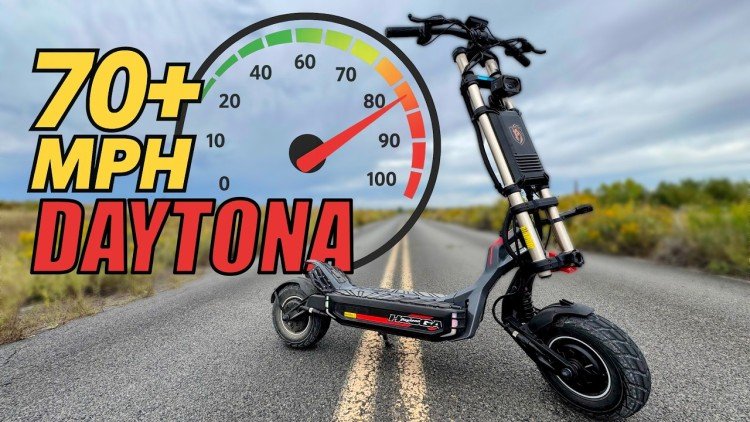
The Hooga Daytona is their flagship hyper scooter sold exclusively by VoroMotors, and we can confirm it earns the title. The Freshly Charged team hit 78 mph via Draggy, praised the four piston DOT hydraulic brakes as the best ever tested on an electric scooter, and found the suspension genuinely capable across both off road trails and highway speeds in the same session. At 152 pounds with a tool dependent fold, this is not a machine you carry up stairs, and buyers should plan real world range around 31 miles under aggressive conditions rather than the spec sheet maximum. The turn signals are too dim for daytime use on a scooter that can do 78 mph, and the included 4 amp charger taking 10 hours to fill a 40Ah battery is a miss at this price point. For the rider who wants the most capable high speed hyper scooter the team has tested — one that actually handles the speed rather than just reaching it — the Daytona makes a strong case, compromises and all.
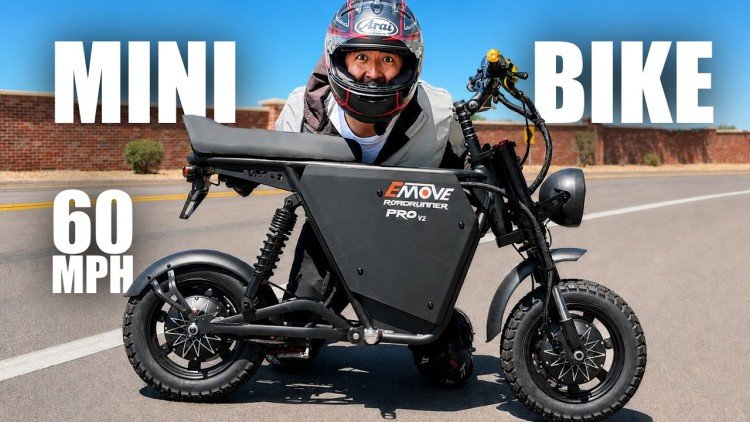
The EMOVE RoadRunner Pro V2 is a sit-down electric scooter capable of high speeds, and it fixes nearly every problem the original had: stronger frame, a 72V system upgrade, DOT motorcycle-grade brakes with 203mm rotors, stiffer suspension, and dramatically better high-speed stability. Andrew and Jimmy put it through the usual paces of Freshly Charged testing, including a brake test, side-by-side comparison with the V1, and a top speed run, coming away with a few criticisms. The V2 is heavier, pricier, and not without rough edges, but as a compact high-performance machine that can fly under the radar due to its small size, it made an impression in every way that counts.
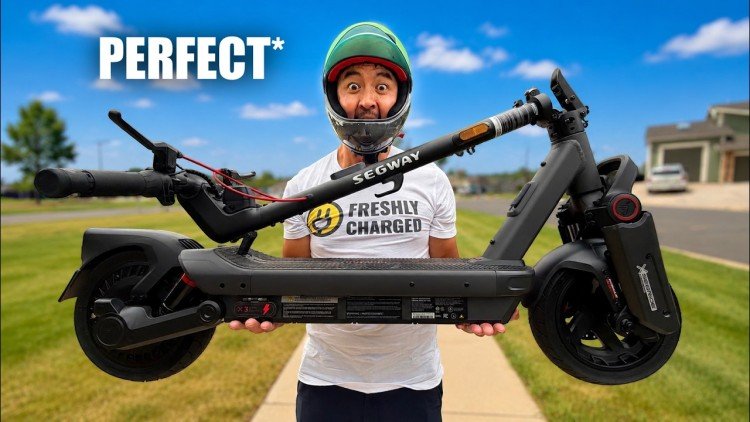
Segway's Max G3 Plus takes an already excellent commuter scooter and sharpens it further: a stronger motor, more usable range, and rear turn signals finally visible in traffic; all wrapped in a riding experience that feels expertly refined. It's a model upgrade rather than a reinvention, so a few rough edges remain, like mechanical rather than hydraulic brakes and a boost-mode activation that's actually gotten fussier than before. Even so, it remains the most complete, tech-loaded scooter in the commuter category, and most of what's left to criticize could be fixed with software updates.
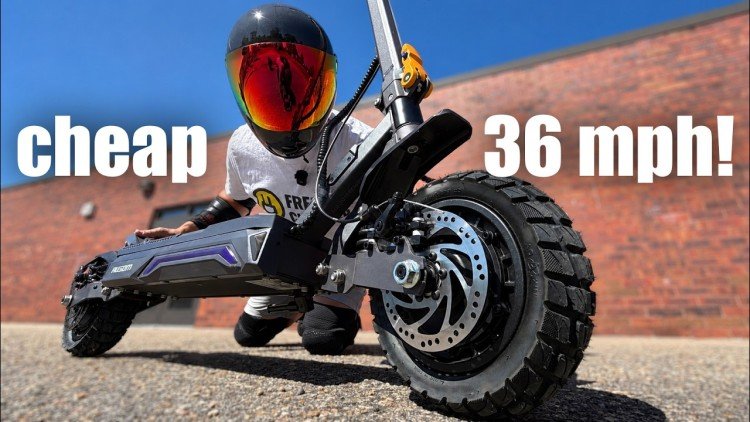
The Ausom GoSoul 2 Pro is a $799 dual motor scooter that actually hits its claimed 36 mph top speed — 36.5 mph GPS verified — making it the fastest electric scooter our team has tested at this price point. Andrew and Jimmy put it through extensive real world testing, covering everything from hill climbs, brake tests, and power slides, coming away impressed by the value packed into the price point: tubeless tires, NFC and PIN security, accurate display, and dual motor hill climbing capability that most scooters in this class simply cannot match. The criticism list is worth mentioning but very manageable — the center steering notch takes adjustment, the deck needs grip tape, and the turn signal button needs a redesign — but none of it changes the enthusiasm we have for this product.
-medium.jpg)
The Kaabo Warrior 11 Max takes everything that made the Wolf Warrior 11 Plus a landmark scooter and fixes most of the parts that frustrated owners for years: sine wave controllers, adjustable rear suspension, better tires, quick-release motor connectors, and a proper NFC color display. GPS-verified top speed came in at 49 mph with smooth, stable performance at the limit and strong off-road capability. The rear turn signals are too dim to be useful in daylight, the chargers are slow, and the folding latch pin remains a recurring weak point. At $200 over the Pro version, we believe the upgrades justify the ask.
-medium.jpg)
The InMotion RS Jet brings 72V dual motor performance to the most accessible price point the Freshly Charged team has seen in the electric scooter market, and field testing confirmed it over-delivers on InMotion's own stated top speed with runs approaching 54 mph. The sine wave controllers, touchscreen display, and app-based security system all punch above the price, while the criticisms, primarily the awkward suspension adjustment process, front-only turn signals, and a loose steering damper bolt on Andrew's unit, are real but fixable. For riders who want genuine hyper scooter performance without the premium tier tax, the RS Jet is worth. checking out.
-medium.jpg)
The Gspace Mars GTR hits 70 mph in real-world testing, carries a 72V 45Ah Samsung-cell battery, and undercuts comparable hyper scooters by $200 to $800. The ride is stable, smooth, and genuinely fast. The criticisms are real, particularly the inadequate horn, the jumpy battery meter, and a below-par unboxing experience, but none of them change what the scooter delivers once you are on it. For riders who want top-tier speed and range without the top-tier price, the Mars GTR makes a strong case for itself.
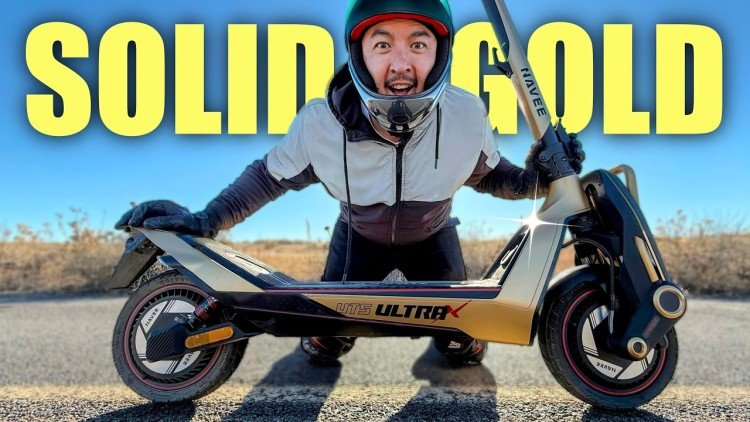
The NAVEE UT5 Ultra X is a flagship-tier electric scooter that makes a strong case for itself on build quality, ride stability, and smart feature integration, even if the price-to-battery ratio gives some buyers pause. Powered by dual 1,200W motors peaking at 4,800W combined, riding on 12-inch tubeless self-healing tires with hydraulic suspension and 130mm hydraulic disc brakes at both ends, it's a mechanically capable machine that proved itself in real-world testing, hitting a GPS-verified 42.9 mph and handling rough road surfaces at speed without drama. The app ecosystem is one of the better implementations in the segment, with adjustable traction control, regen braking tuning, scheduled charging, and Apple Find My all onboard. The gold colorway is genuinely sharp rather than gimmicky, the build is rattle-free and solid, and the UL certification adds a layer of safety credibility that matters at this price point. The weak spots are an outdated display, underwhelming headlight and horn, limited suspension travel, and a 22.3Ah battery that feels modest for a $2,499 ask. However, for riders cross-shopping the Kaabo Mantis who want something more structurally confidence-inspiring, the UT5 Ultra X is a compelling answer.
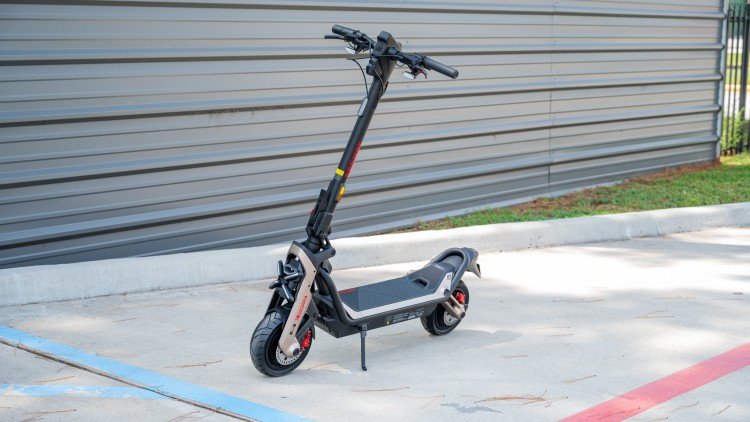
The Segway GT3 Pro is designed for riders who crave speed, premium quality, and smart tech within a street-focused scooter. With a top speed of 50 mph, 7,000W peak power, hydraulic suspension, and robust app features, it's ideal for serious enthusiasts—not commuters. It prioritizes stability, safety, and build quality over sheer portability or off-road ambitions.
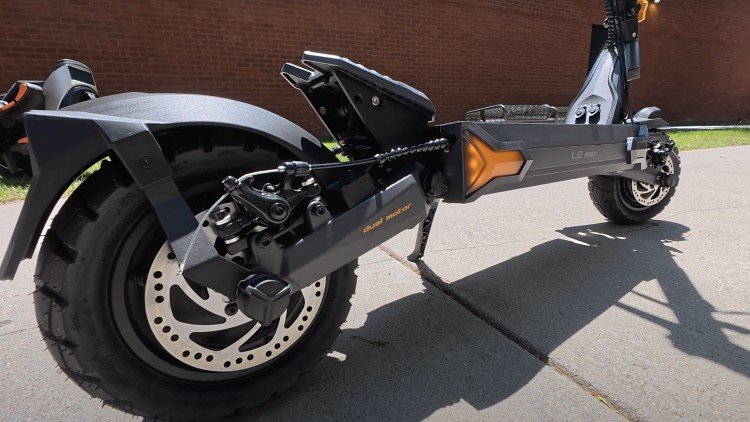
The Ausom L2 Max Dual Motor is a standout budget electric scooter, offering premium features like dual 1000W motors, tubeless tires, NFC card reader, and eye-catching design for just $899. With a 40mph top speed, long range, and practical details like USB phone charging, it delivers impressive value for both new and experienced riders.
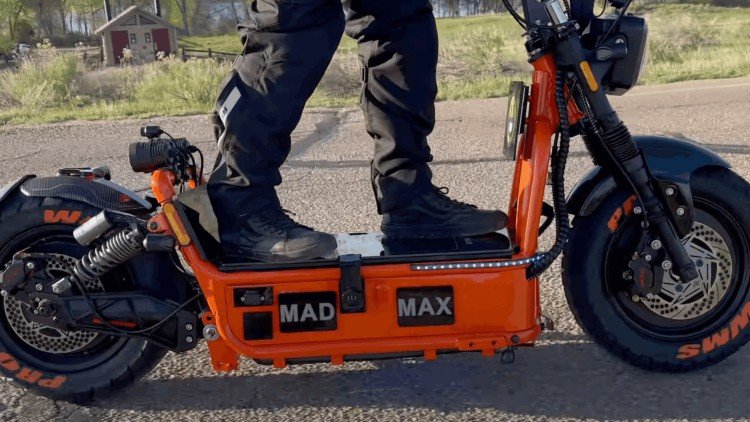
The Will Mason Mad Max Pro X sets a new bar for electric scooters, boasting a 90 mph top speed, 110-mile range, luxury features like Apple CarPlay, and extensive customization. While not portable, its impressive performance, robust build, and host of high-end tech make it a standout choice for those seeking the ultimate scooter experience.
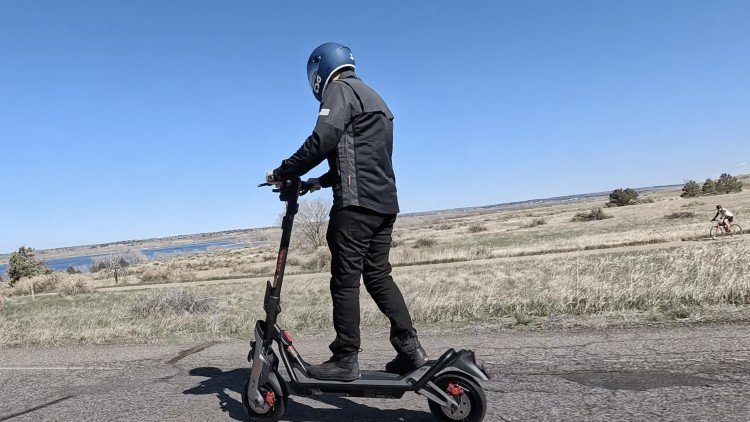
The Segway GT3 distinguishes itself in the premium electric scooter market with its exceptional build quality, rigid tubular frame, advanced tech features, and thoughtful app integration. While not the fastest or most portable scooter, the GT3 offers a smooth, confident ride and innovative details—making it a top choice for discerning commuters, despite its weight and premium price.