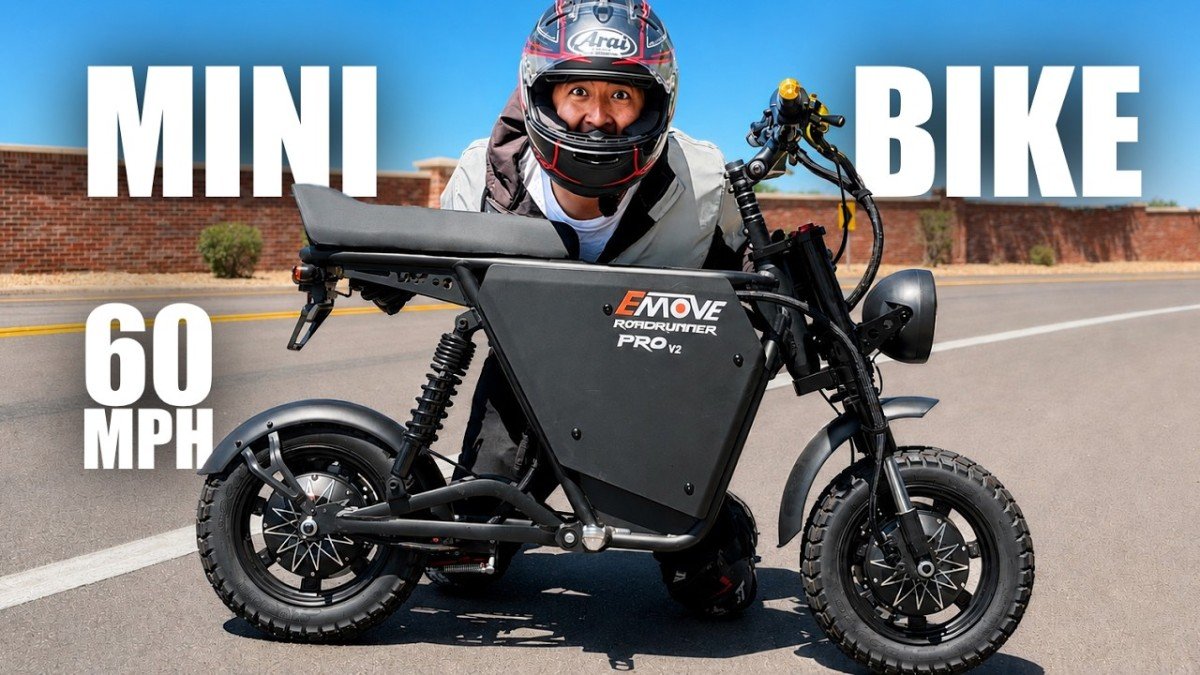
The EMOVE RoadRunner Pro V2 is a sit-down electric scooter capable of high speeds, and it fixes nearly every problem the original had: stronger frame, a 72V system upgrade, DOT motorcycle-grade brakes with 203mm rotors, stiffer suspension, and dramatically better high-speed stability. Andrew and Jimmy put it through the usual paces of Freshly Charged testing, including a brake test, side-by-side comparison with the V1, and a top speed run, coming away with a few criticisms. The V2 is heavier, pricier, and not without rough edges, but as a compact high-performance machine that can fly under the radar due to its small size, it made an impression in every way that counts.
Buy with our link to save $50!
Enter code Gotscooter at checkout
Written Review
The original EMOVE RoadRunner Pro was a wildly fun machine with an extensive list of problems, and the V2 is what happens when a manufacturer actually listens and addresses specific problems in the following model. Andrew and Jimmy put the RoadRunner Pro V2 through a full day of riding, a brake test, a top speed run, and a side-by-side comparison with the V1, and the verdict is that this is a significantly better machine than its predecessor.
- Current price of the EMOVE RoadRunner Pro V2: https://bit.ly/3YxKVun
- Use coupon code: GotScooter to save $50
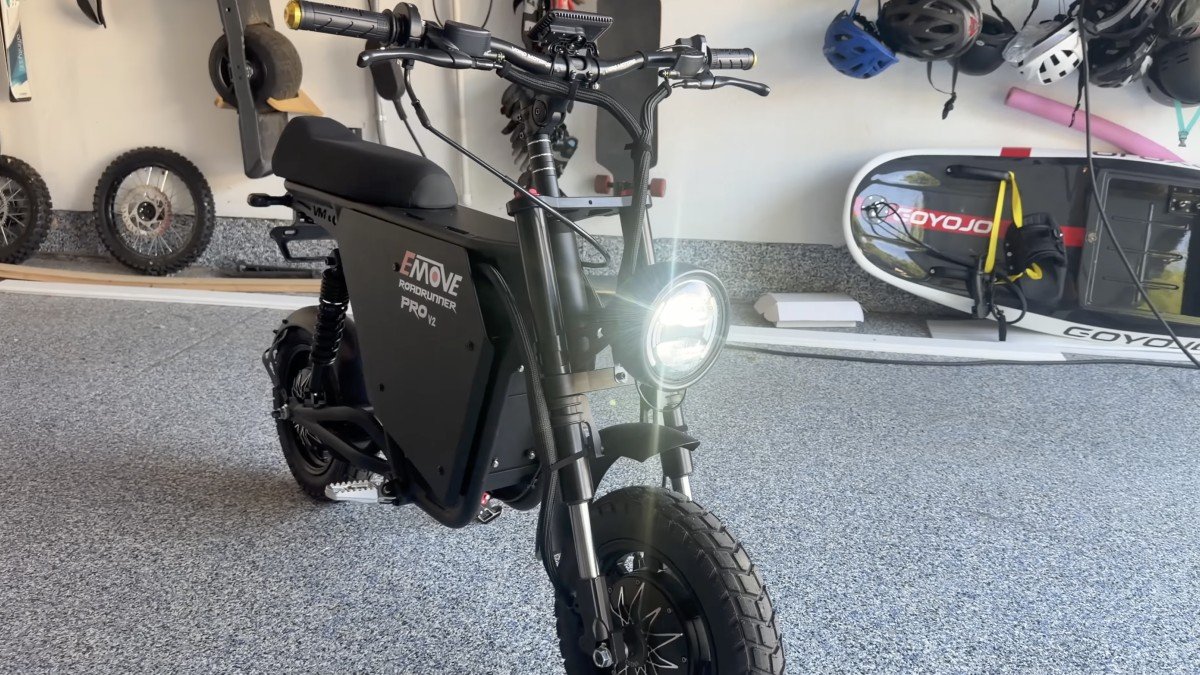
What It Is
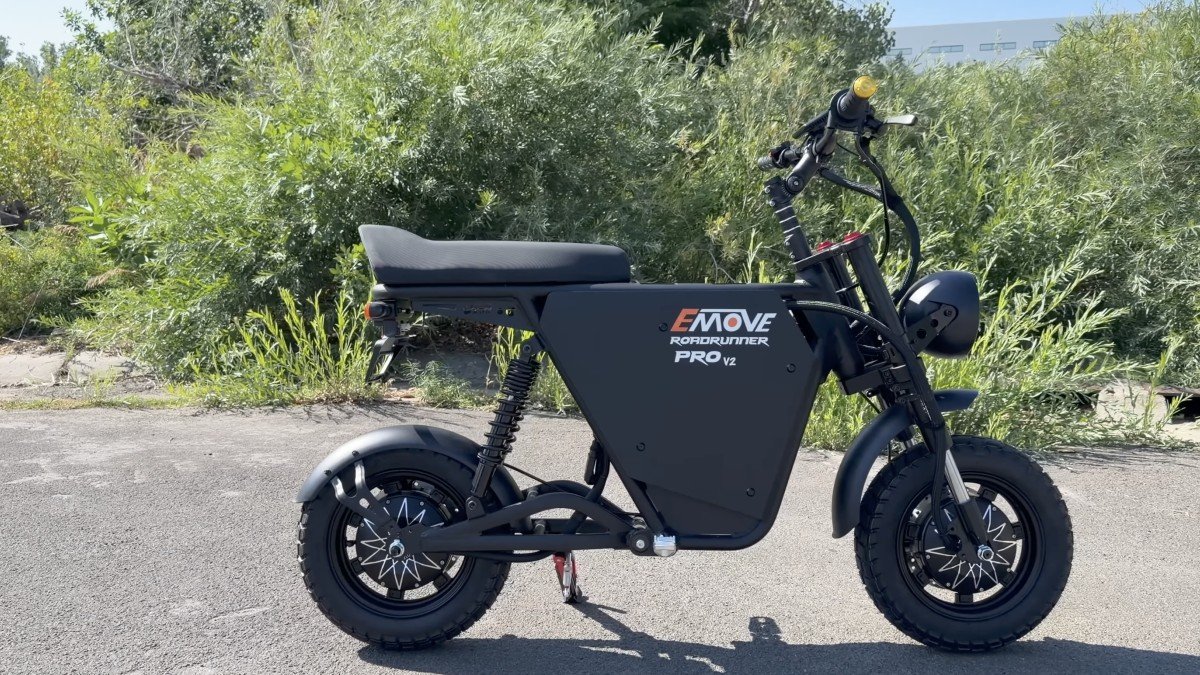
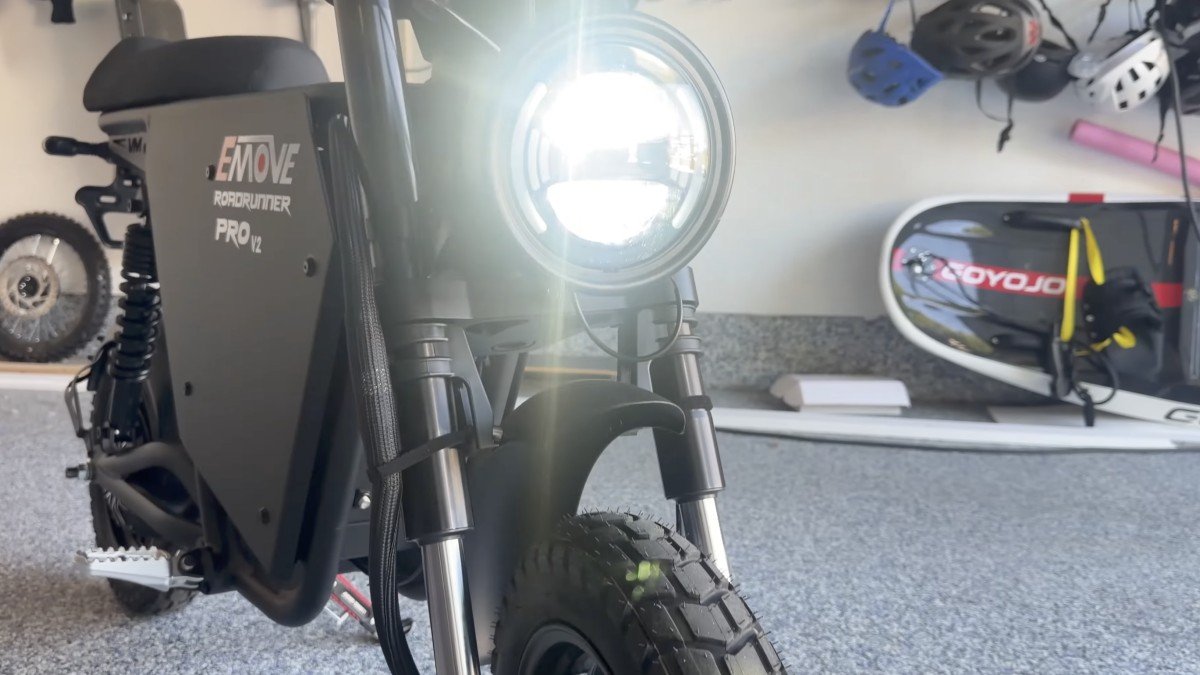
While it might look like a bike at first glance, the RoadRunner Pro V2 is classified as a sit-down electric scooter. VoroMotors has used that term for years and is sticking with it, though the machine sits closer to an e-moto in size and behavior than anything you would call a scooter in casual conversation. It is small enough to look unthreatening at a glance, which is part of the appeal amidst crackdowns on PEVs. Andrew notes that passing traffic at 50-plus mph on something this compact generates a very different reaction than doing it on a full-sized e-moto. No one sees it coming.
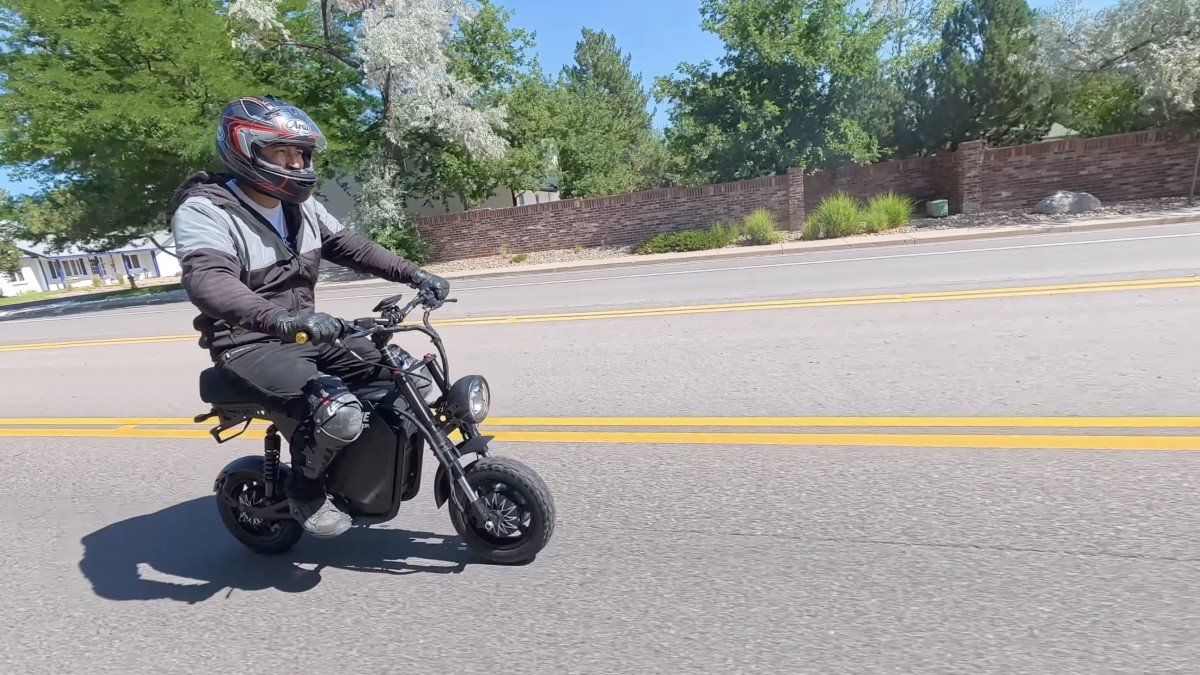
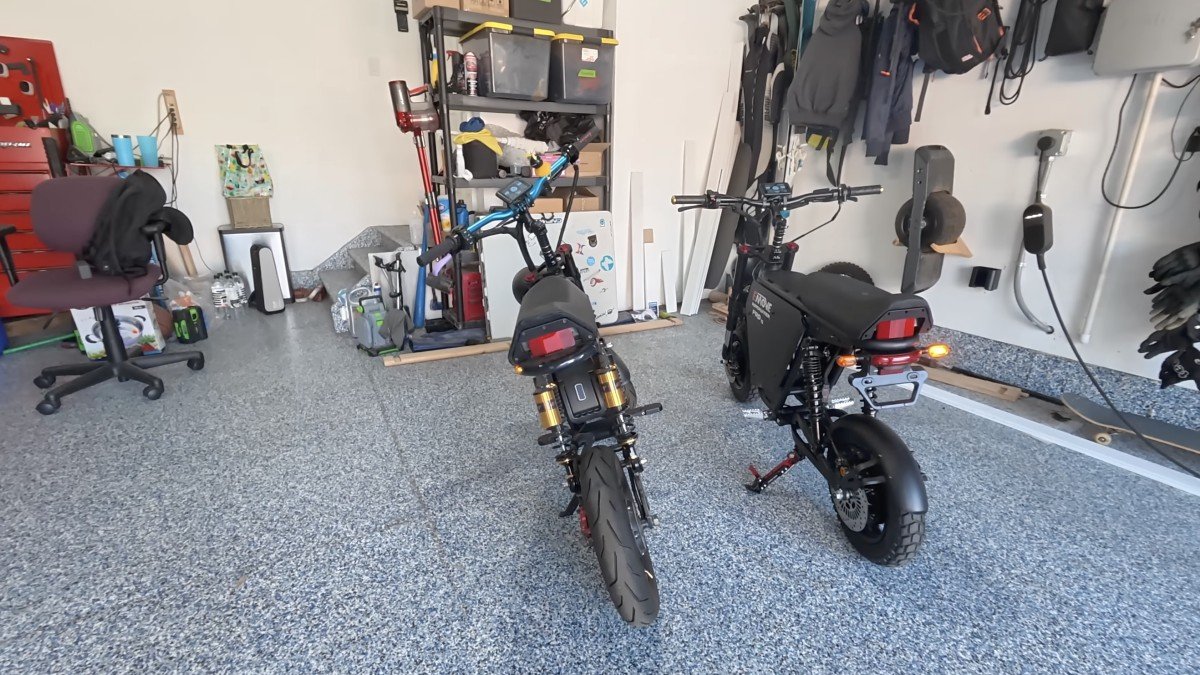
V1 vs V2: What Actually Changed
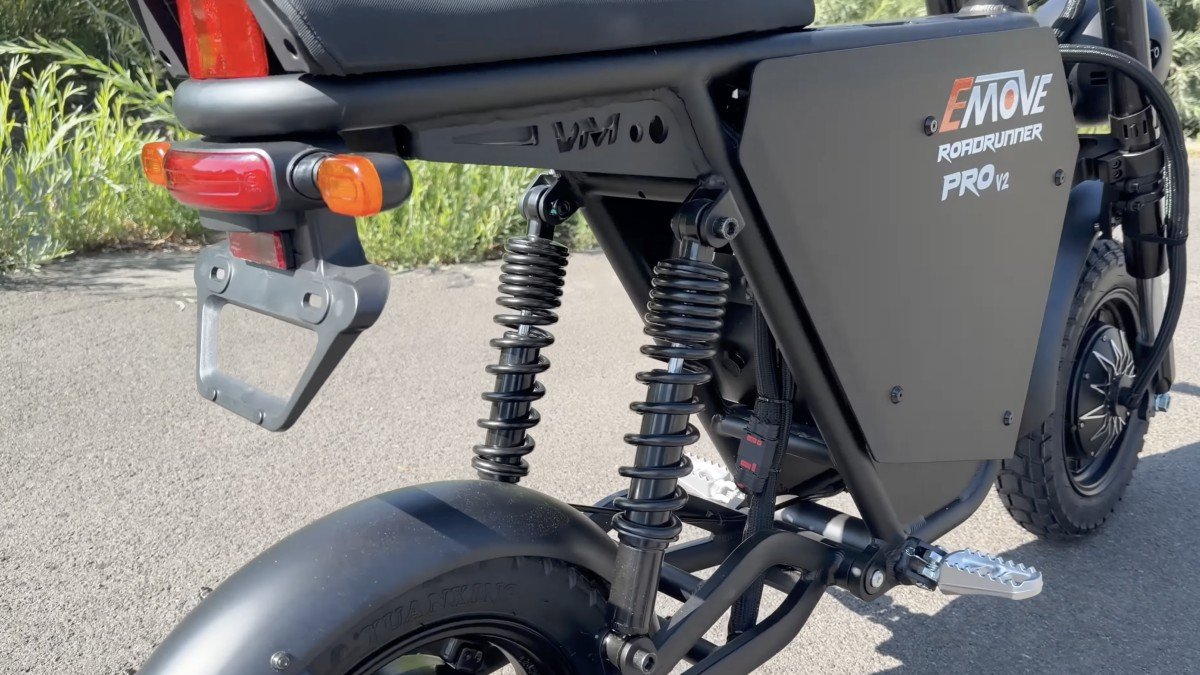
The frame is the biggest structural story. The V1 routed its cables internally through the frame, which required drilling holes that progressively weakened the structure. VoroMotors tried to reinforce around those holes, ultimately abandoned the approach, and moved cable routing to the exterior on the V2. The frame is also visibly wider and more rigid, and Andrew can feel the difference at speed.
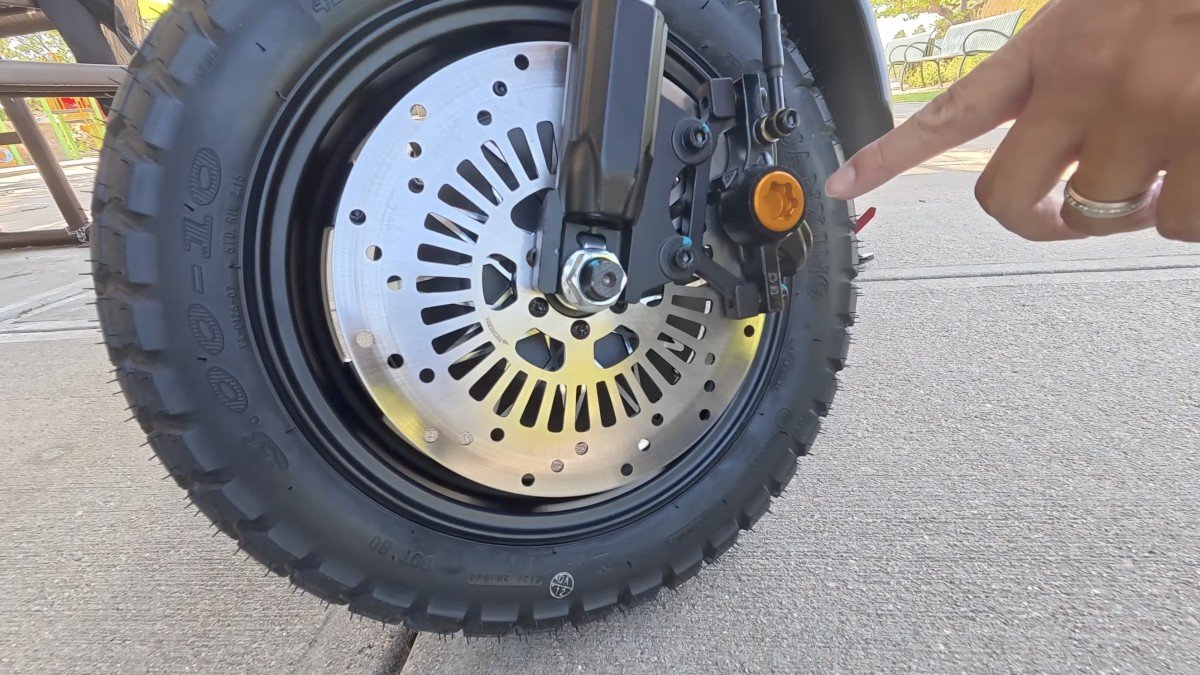
The voltage system jumped from 60V to 72V. The motors grew substantially, with each 2,000W unit now peaking at 4,200W, for a combined peak of 8,400W across both. The brakes are the other headline upgrade: the V1 ran Zoom hydraulic brakes designed for e-bikes and scooters, which Andrew describes as inadequate for a machine of this capability. The V2 uses DOT approved motorcycle-grade hydraulic brakes with 203mm rotors, nearly double the rotor size of the previous version. Brake pad thickness increased proportionally; Andrew estimates the DOT pads will last several thousand miles against the few hundred typical of the Zoom units.
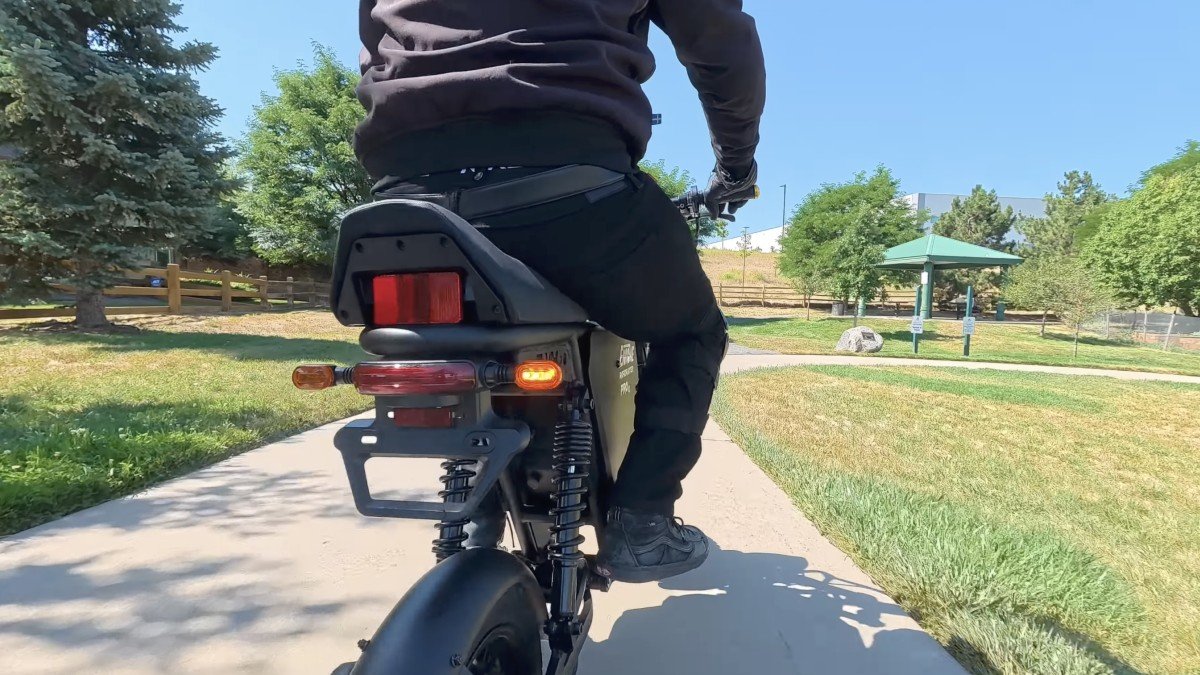
The rear end is redesigned with cleaner, brighter integrated turn signals and a tail light that doubles as a brake light. The kickstand, widely criticized on the V1 for causing the bike to lean dramatically in storage, is genuinely improved. The foot pegs are now welded to the frame rather than clamped with Allen bolts. A 20 mph speed limiter button sits discretely at the rear, allowing riders to cap the machine at a legally compliant speed in jurisdictions that require registration or licensing above that threshold.
Hardware at a Glance
The dual motors with a 8,400W combined peak output run through a 72V 50A sine wave controller. The sine wave controller is why the power delivery feels smooth rather than aggressive, with Andrew describing it as buttery, not arm-wrenching. The standard battery is a 72V 40Ah pack with approximately 40 miles of claimed range. A 72V 60Ah upgrade is available and bumps the claimed figure to 50 miles, though Andrew questions why a 50% larger battery only delivers 25% more claimed range and sets realistic expectations at 20 to 25 miles for riders like him who are not shy with the throttle.
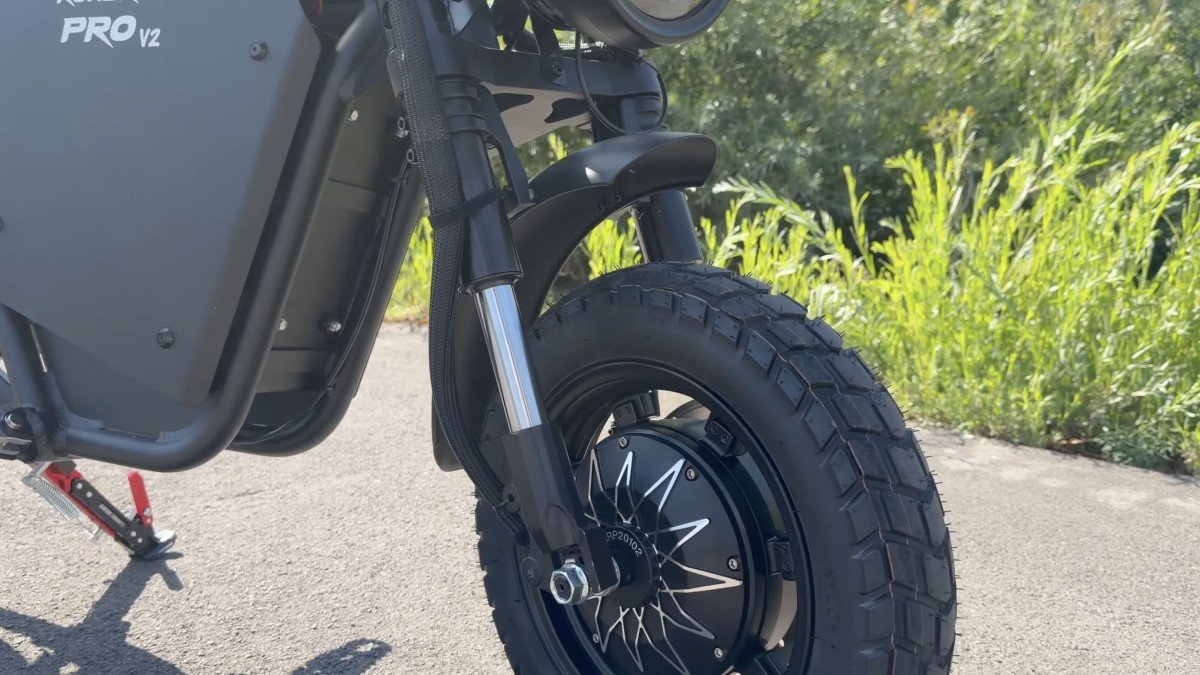
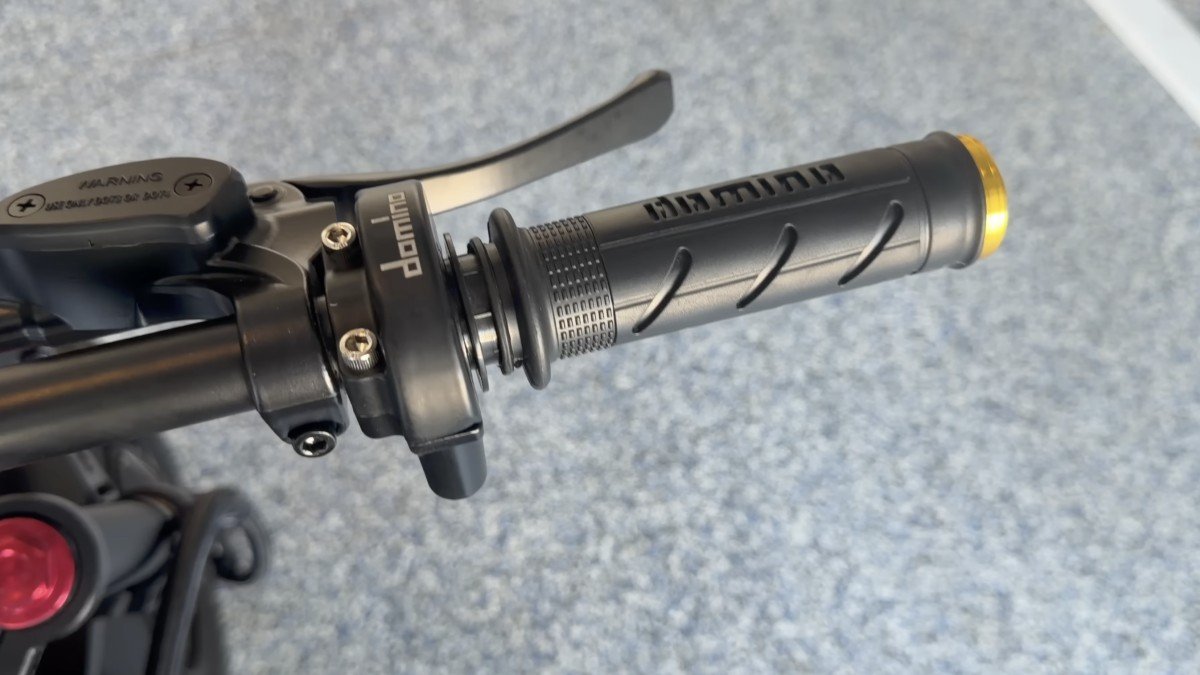
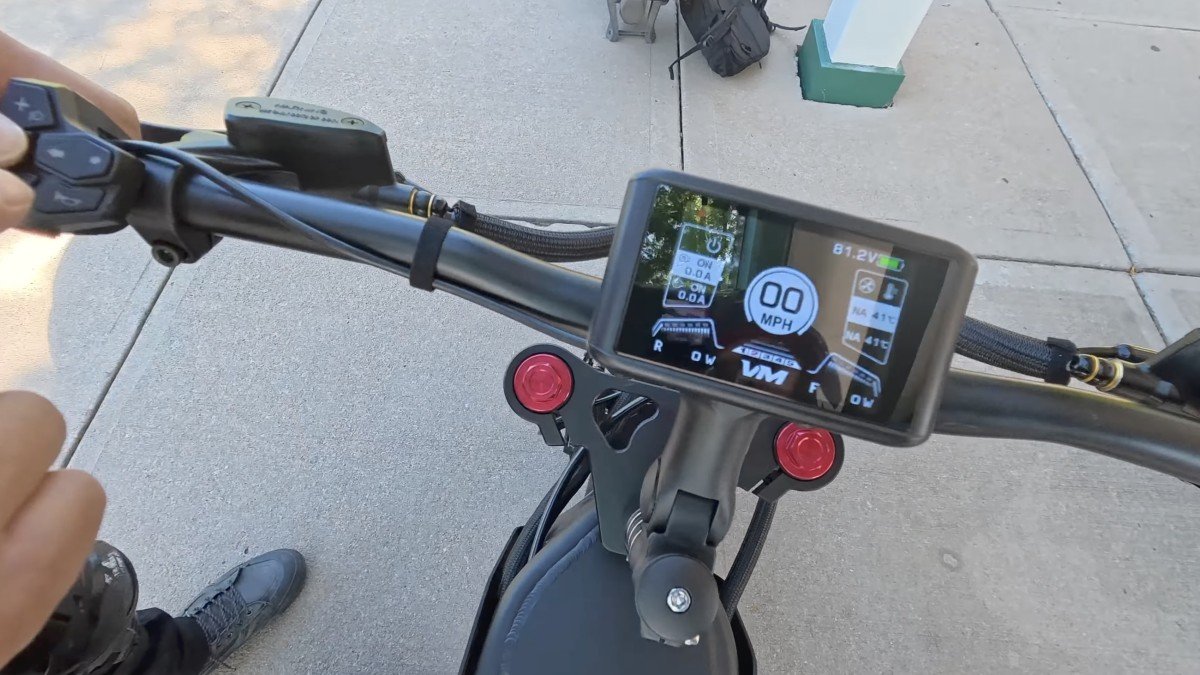
Tires are 14x3-inch tubeless pneumatics on a split-rim design that allows tire changes without specialized equipment. A dual crown fork handles front suspension. Rear suspension is stiffer than the V1, which contributes directly to high-speed stability. Adjustable handlebars allow height to be set via removable rings in the stem. A Domino full-twist throttle with gold-accented end caps and DOT hydraulic brake levers on both sides complete the cockpit. The TFT LCD display carries over from the V1 paired with a cleaner, more modern upgraded control module.
Performance and Ride Quality
At 90% charge, Andrew hit 58.5 mph GPS verified while the display read approximately 53 mph. That 5 mph discrepancy runs consistently across the speed range — when the display reads 25, actual speed is closer to 30. Andrew flags this as a potential issue beyond simple calibration: getting pulled over while the display reads a legal speed and the officer's radar says otherwise is a real scenario on a machine like this.
The brake test produced concrete numbers: 16 feet from 20 mph to zero, and 24 feet from 30 mph to zero. The tires slid slightly under hard braking at 30 mph, which Andrew attributes to new tire stiffness that softens with use. He would prefer PMT tires on a machine of this capability, but the stock rubber is functional.
Stability is the most significant real-world improvement over the V1. Andrew was not comfortable pushing the original RoadRunner Pro past 50 mph. On the V2, he describes the ride at speed as ultra-stable with no instinct to back off. The stiffer rear suspension and wider frame are the likely contributors. Curb drops and off-camber pavement during the ride produce noticeably less rattling than the V1, though the machine is not entirely silent.
What We Loved
The brake upgrade alone justifies a significant portion of the price premium. DOT motorcycle-grade hardware on a machine capable of 58 mph is not an optional nicety, and the V1 never had it. The stability improvement at high speed is the other headline, and it is real. The sine wave controller makes the power delivery approachable enough that Andrew describes the V2 as a genuine couples vehicle: smooth enough for a nervous new rider in a low speed mode, fast enough to satisfy an experienced one at full send. The PIN security system, the 20 mph compliance button, and the modular panel design for easy future upgrades round out a feature list that shows genuine product maturity compared to the V1. VoroMotors is US-based with a physical warehouse, parts inventory, and warranty support, which is an important distinction in a category where cheaper alternatives arrive by drop-ship with no after-purchase infrastructure.
What Could Be Better
The turn signals do not auto-cancel, and Andrew demonstrated the consequences live: he rode extended stretches with his signal on without realizing it. On a machine at speed in traffic, that is a real communication problem. Front turn signals are absent entirely, which Andrew considers an oversight on something this low to the ground.
The PIN entry system is button-based rather than a touchpad, which Jimmy compares to multi-tap texting on an old flip phone. It works and it is slow, and a simpler unlock method would be welcome.
The battery is no longer easily removable. This affects riders who charge indoors, those preparing for winter storage, and anyone concerned about battery theft when locking up outside.
The charge port placement is genuinely poor. It sits low on the frame in a position that is both difficult to access and awkward to route a cable through. Andrew had a frustrating time getting the machine charged the night before the review and made a point of flagging it.
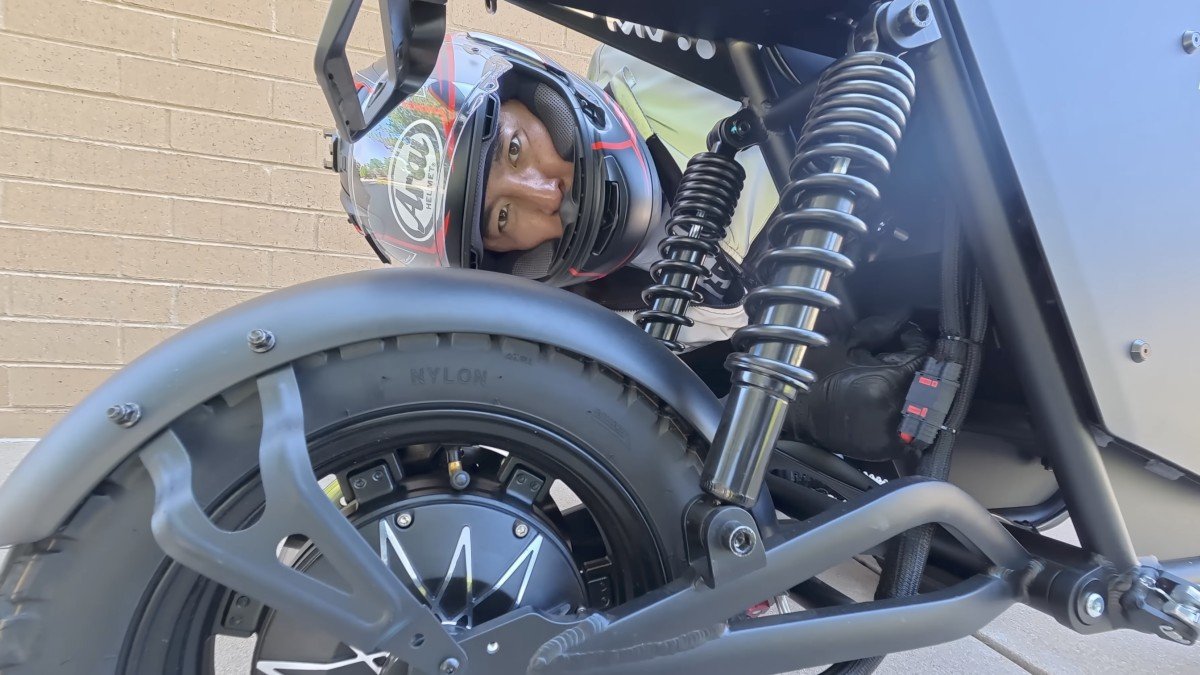
At 135 lbs, the V2 requires freight shipping and is not a machine you throw in the back of a car casually. Combined with a price approaching $4,000 in the large battery configuration, buyers are in territory where full-sized e-moto comparisons become inevitable. The RoadRunner Pro V2 offers a different riding experience and a smaller social footprint than a full-sized machine, and those are real advantages for the right buyer.
The Freshly Charged Verdict
The EMOVE RoadRunner Pro V2 is what the V1 should have been. The frame is structurally sound, the brakes are finally appropriate for the speed capability, the stability at high speeds is confidence-inspiring, and VoroMotors has clearly absorbed the criticism from their first version and acted on most of it. If you want one of the fastest, most maneuverable, and least conspicuous high-speed electric machines on the market, the RoadRunner Pro V2 makes a strong case. Just budget time for the charge port and remember to cancel out your turn signals!!
- Current price of the EMOVE RoadRunner Pro V2: https://bit.ly/3YxKVun
- Use coupon code: GotScooter to save $50
Electric Scooter Comparison Tool
Use our Freshly Charged Electric Scooter Comparison Tool to evaluate this product alongside other options. Compare and organize scooters by factors such as price, top speed, battery capacity, and more.
Related Reviews
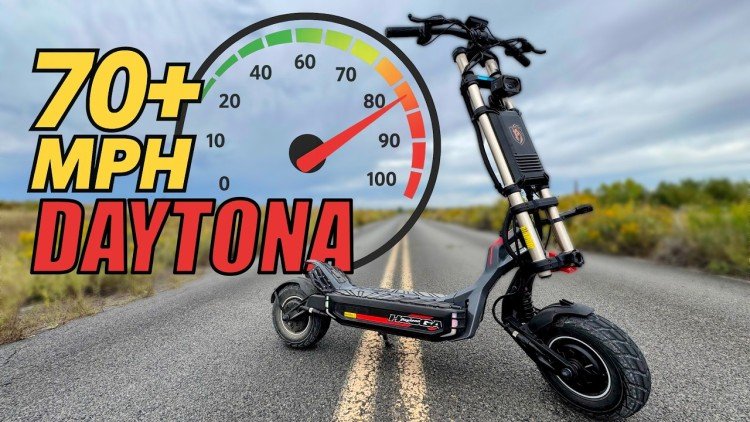
The Hooga Daytona is their flagship hyper scooter sold exclusively by VoroMotors, and we can confirm it earns the title. The Freshly Charged team hit 78 mph via Draggy, praised the four piston DOT hydraulic brakes as the best ever tested on an electric scooter, and found the suspension genuinely capable across both off road trails and highway speeds in the same session. At 152 pounds with a tool dependent fold, this is not a machine you carry up stairs, and buyers should plan real world range around 31 miles under aggressive conditions rather than the spec sheet maximum. The turn signals are too dim for daytime use on a scooter that can do 78 mph, and the included 4 amp charger taking 10 hours to fill a 40Ah battery is a miss at this price point. For the rider who wants the most capable high speed hyper scooter the team has tested — one that actually handles the speed rather than just reaching it — the Daytona makes a strong case, compromises and all.
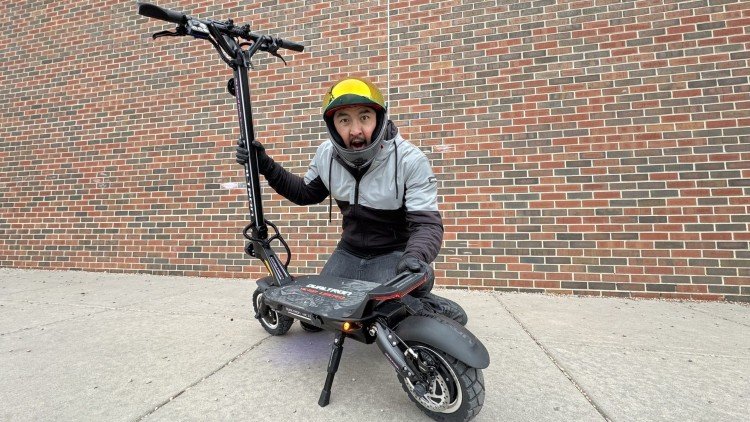
The Dualtron Victor Limited addresses past issues with improved stem strength, a water resistance rating, as well as fast charging. It boasts a powerful 50mph top speed, 65-mile range, tubeless tires, and an appealing design. Notable upgrades include a crisp EY4 display, robust horn, and under-glow lighting; though riders may find packaging, suspension stiffness, and some ergonomic choices less ideal.
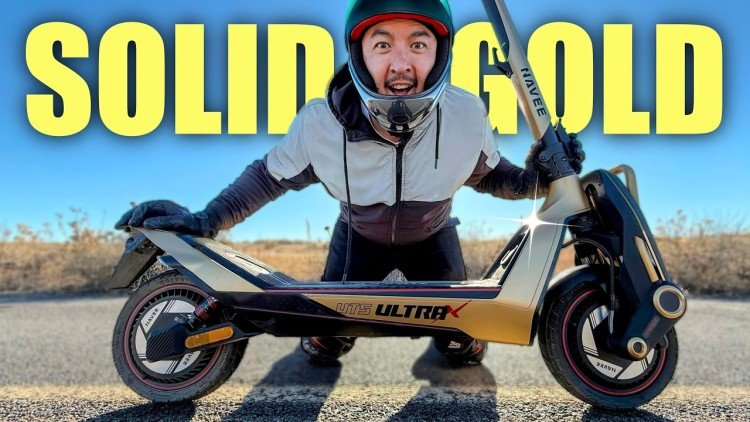
The NAVEE UT5 Ultra X is a flagship-tier electric scooter that makes a strong case for itself on build quality, ride stability, and smart feature integration, even if the price-to-battery ratio gives some buyers pause. Powered by dual 1,200W motors peaking at 4,800W combined, riding on 12-inch tubeless self-healing tires with hydraulic suspension and 130mm hydraulic disc brakes at both ends, it's a mechanically capable machine that proved itself in real-world testing, hitting a GPS-verified 42.9 mph and handling rough road surfaces at speed without drama. The app ecosystem is one of the better implementations in the segment, with adjustable traction control, regen braking tuning, scheduled charging, and Apple Find My all onboard. The gold colorway is genuinely sharp rather than gimmicky, the build is rattle-free and solid, and the UL certification adds a layer of safety credibility that matters at this price point. The weak spots are an outdated display, underwhelming headlight and horn, limited suspension travel, and a 22.3Ah battery that feels modest for a $2,499 ask. However, for riders cross-shopping the Kaabo Mantis who want something more structurally confidence-inspiring, the UT5 Ultra X is a compelling answer.
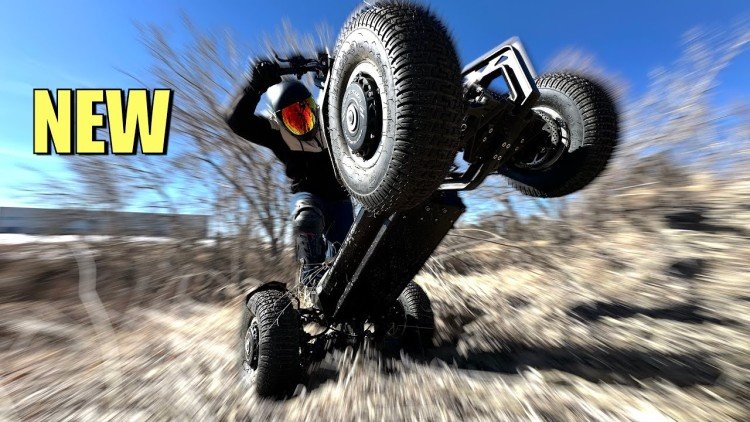
The Teverun Tetra blurs the line between electric scooter and ATV, boasting four massive off-road tires, instant suspension adjustment, and impressive all-terrain capability. With standout features like a huge deck, hidden cables, and app integration, it also comes with drawbacks like tricky tight turns, maintenance needs, and limited light visibility. Ideal for adventurous, hands-on riders.
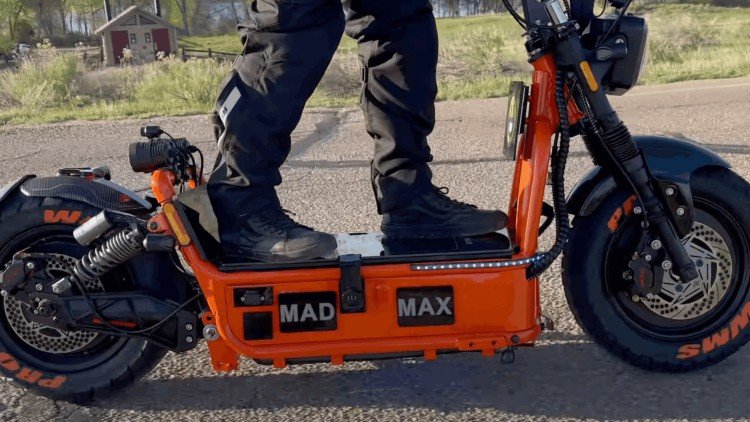
The Will Mason Mad Max Pro X sets a new bar for electric scooters, boasting a 90 mph top speed, 110-mile range, luxury features like Apple CarPlay, and extensive customization. While not portable, its impressive performance, robust build, and host of high-end tech make it a standout choice for those seeking the ultimate scooter experience.
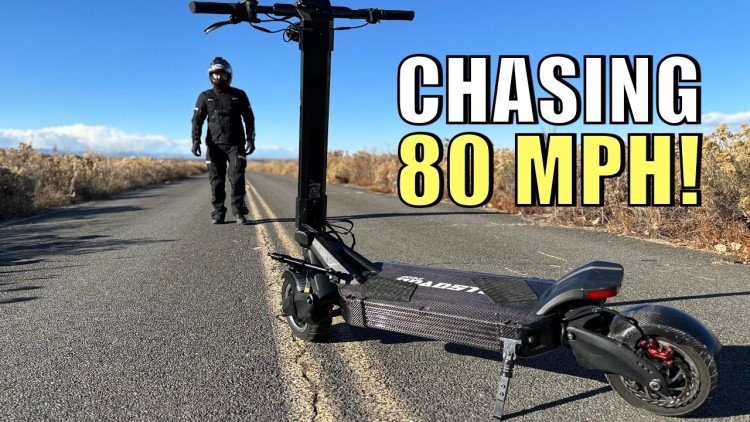
Andrew took the EMOVE Roadster — VoroMotors' fastest production electric scooter on the market — out for a GPS verified speed record attempt, targeting the 80 mph barrier. He did not break it, but he did tie his personal best of 74 mph on a modified unit that was not running its full production brake spec and on a runway that was not quite long enough to fully unwind the throttle. The machine itself was rock solid at speed, but the conditions were not ideal.
-medium.jpg)
The Kaabo Warrior 11 Max takes everything that made the Wolf Warrior 11 Plus a landmark scooter and fixes most of the parts that frustrated owners for years: sine wave controllers, adjustable rear suspension, better tires, quick-release motor connectors, and a proper NFC color display. GPS-verified top speed came in at 49 mph with smooth, stable performance at the limit and strong off-road capability. The rear turn signals are too dim to be useful in daylight, the chargers are slow, and the folding latch pin remains a recurring weak point. At $200 over the Pro version, we believe the upgrades justify the ask.
-medium.jpg)
The VMAX VX2 Hub is a heavily updated commuter scooter that earns its reputation as the best hill climbing single motor scooter the Freshly Charged team has tested, holding 25 mph on grades where most competitors fall apart, and clearing a 23 degree incline with a short run up. Draggy verified top speed of 36 mph is rare for a single motor machine, and the redesigned suspension, display, folding mechanism, and turn signals represent genuine improvements over previous VX2 generations. The compromises are real though: the headlight is too dim for safe night riding, two speed modes is not enough at this performance level, and mechanical disc brakes feel like a cost cut on a scooter at this price point. If hills are the core problem and portability matters, this is the scooter to beat in its class.
No comments yet…