Most electric scooters on the market are built around a rider in the 150–200 lb range, with weight limits typically topping out at 220 lbs or 265 lbs on most entry-level and commuter models. If you weigh more than that, the scooter doesn't just feel a little sluggish; the frame is genuinely operating outside its design tolerance, which shows up as sagging suspension, overworked motors, and brakes that fade faster than they should. Our Heavy-Duty category starts at a 300 lb weight limit, the point where manufacturers stop treating high capacity as a nice-to-have and start building around it from the frame up.
That reinforcement is real, not just a bigger number on a spec sheet. Scooters in this class typically use dual-stem aluminum frames instead of a single support post, which spreads load across two points rather than concentrating stress where the stem meets the deck. They also step up to 48V systems at minimum, with serious heavy-duty models running 60V or 72V architecture; as the extra voltage keeps the motor from overheating as it draws more current to maintain torque under a heavier rider. Pair that with wider decks (9 inches and up), beefier pneumatic tires, and — critically — hydraulic disc brakes, which deliver the 30–50% more stopping force a 300 lb rider needs and self-adjust as pads wear, unlike mechanical brakes that fade and require manual tuning.
The range within this category is wide. A 300–330 lb rating covers a lot of well-built commuter-style options, but the top of the heavy-duty class climbs much higher — some models are rated for 400, 500, even 600+ lbs. If you're near the upper end of your own weight range, it's worth sizing up rather than buying right at the limit: manufacturers rate these numbers as a hard ceiling, not a comfortable cruising weight, and giving yourself a buffer preserves the range, acceleration, and braking performance you're paying extra for in the first place.
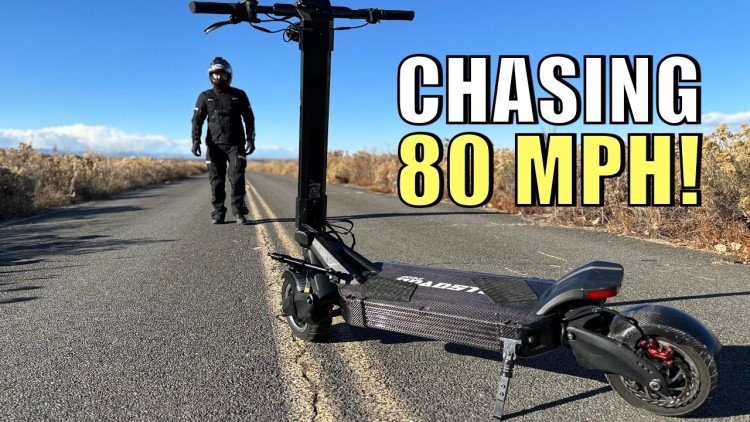
Andrew took the EMOVE Roadster — VoroMotors' fastest production electric scooter on the market — out for a GPS verified speed record attempt, targeting the 80 mph barrier. He did not break it, but he did tie his personal best of 74 mph on a modified unit that was not running its full production brake spec and on a runway that was not quite long enough to fully unwind the throttle. The machine itself was rock solid at speed, but the conditions were not ideal.
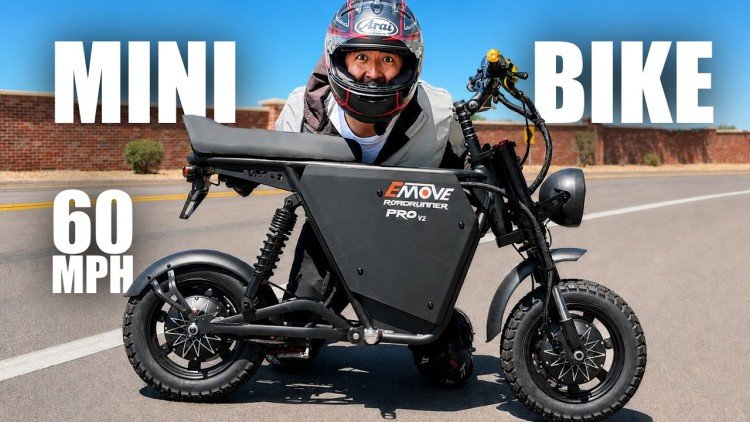
The EMOVE RoadRunner Pro V2 is a sit-down electric scooter capable of high speeds, and it fixes nearly every problem the original had: stronger frame, a 72V system upgrade, DOT motorcycle-grade brakes with 203mm rotors, stiffer suspension, and dramatically better high-speed stability. Andrew and Jimmy put it through the usual paces of Freshly Charged testing, including a brake test, side-by-side comparison with the V1, and a top speed run, coming away with a few criticisms. The V2 is heavier, pricier, and not without rough edges, but as a compact high-performance machine that can fly under the radar due to its small size, it made an impression in every way that counts.
-medium.jpg)
The Dashmoto Dash 3 is a full carbon fiber mobility scooter capable of 18 mph with an FAA compliant removable battery, and it genuinely opened up experiences for Andrew's 72-year-old mom that were not possible before — Disneyland, Zion National Park, and trails near her house she had never been able to access due to her knees. However, at nearly $4.4k, the product arrives with a criticism list that is hard to ignore: a jerky throttle in sport mode, no brake light, no mirror, no horn, a rear bag sold separately for over $100, and a QC issue on the delivered unit where a loose battery was disconnecting on bumps. The Dash 3 is a capable lightweight mobility scooter, but Dashmoto needs to close the gap between the price and the execution.
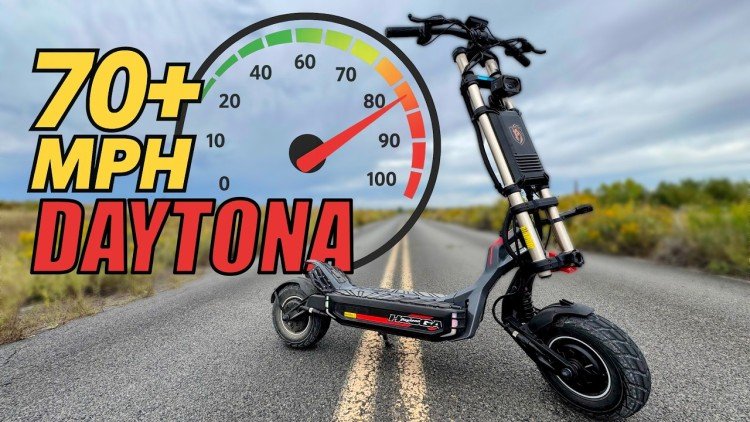
The Hooga Daytona is their flagship hyper scooter sold exclusively by VoroMotors, and we can confirm it earns the title. The Freshly Charged team hit 78 mph via Draggy, praised the four piston DOT hydraulic brakes as the best ever tested on an electric scooter, and found the suspension genuinely capable across both off road trails and highway speeds in the same session. At 152 pounds with a tool dependent fold, this is not a machine you carry up stairs, and buyers should plan real world range around 31 miles under aggressive conditions rather than the spec sheet maximum. The turn signals are too dim for daytime use on a scooter that can do 78 mph, and the included 4 amp charger taking 10 hours to fill a 40Ah battery is a miss at this price point. For the rider who wants the most capable high speed hyper scooter the team has tested — one that actually handles the speed rather than just reaching it — the Daytona makes a strong case, compromises and all.
-medium.jpg)
The NAVEE NT5 Ultra X is a dual-motor electric scooter targeting the sub-$2,000 market with 40 mph top speeds, tubeless pneumatic tires, traction control, and a genuinely useful app ecosystem. The Freshly Charged team found it to be one of the better-riding scooters tested at this price point, with nimble handling, strong braking performance, and a build quality that reflects NAVEE's years of product refinement in the European market. The battery capacity trails several competitors at the same price, and hardware choices like mechanical disc brakes, a low-mounted headlight, and the absence of a horn are real concessions for a scooter operating at these speeds. The display looks dated and rear turn signals are missing, both reasonable asks at this tier.
-medium.jpg)
The Kaabo Warrior 11 Max takes everything that made the Wolf Warrior 11 Plus a landmark scooter and fixes most of the parts that frustrated owners for years: sine wave controllers, adjustable rear suspension, better tires, quick-release motor connectors, and a proper NFC color display. GPS-verified top speed came in at 49 mph with smooth, stable performance at the limit and strong off-road capability. The rear turn signals are too dim to be useful in daylight, the chargers are slow, and the folding latch pin remains a recurring weak point. At $200 over the Pro version, we believe the upgrades justify the ask.
-medium.jpg)
The InMotion RS Jet brings 72V dual motor performance to the most accessible price point the Freshly Charged team has seen in the electric scooter market, and field testing confirmed it over-delivers on InMotion's own stated top speed with runs approaching 54 mph. The sine wave controllers, touchscreen display, and app-based security system all punch above the price, while the criticisms, primarily the awkward suspension adjustment process, front-only turn signals, and a loose steering damper bolt on Andrew's unit, are real but fixable. For riders who want genuine hyper scooter performance without the premium tier tax, the RS Jet is worth. checking out.
-medium.jpg)
The Gspace Mars GTR hits 70 mph in real-world testing, carries a 72V 45Ah Samsung-cell battery, and undercuts comparable hyper scooters by $200 to $800. The ride is stable, smooth, and genuinely fast. The criticisms are real, particularly the inadequate horn, the jumpy battery meter, and a below-par unboxing experience, but none of them change what the scooter delivers once you are on it. For riders who want top-tier speed and range without the top-tier price, the Mars GTR makes a strong case for itself.
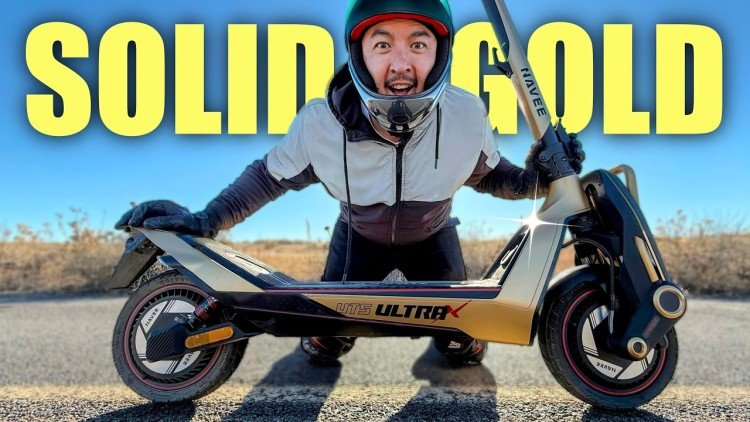
The NAVEE UT5 Ultra X is a flagship-tier electric scooter that makes a strong case for itself on build quality, ride stability, and smart feature integration, even if the price-to-battery ratio gives some buyers pause. Powered by dual 1,200W motors peaking at 4,800W combined, riding on 12-inch tubeless self-healing tires with hydraulic suspension and 130mm hydraulic disc brakes at both ends, it's a mechanically capable machine that proved itself in real-world testing, hitting a GPS-verified 42.9 mph and handling rough road surfaces at speed without drama. The app ecosystem is one of the better implementations in the segment, with adjustable traction control, regen braking tuning, scheduled charging, and Apple Find My all onboard. The gold colorway is genuinely sharp rather than gimmicky, the build is rattle-free and solid, and the UL certification adds a layer of safety credibility that matters at this price point. The weak spots are an outdated display, underwhelming headlight and horn, limited suspension travel, and a 22.3Ah battery that feels modest for a $2,499 ask. However, for riders cross-shopping the Kaabo Mantis who want something more structurally confidence-inspiring, the UT5 Ultra X is a compelling answer.
-medium.jpg)
The NAVEE XT5 Pro is what happens when a top-tier European e-mobility brand decides to stop making "toys" and starts making armor-plated tanks. It isn't chasing the ultra-light portability of a commuter scooter; it’s chasing durability and ride feel. With a carbon steel frame that puts aluminum rivals to shame and a "Mecha-style" design that looks like it belongs in a sci-fi film, this is the ultimate "playful" off-roader for the rider who wants to jump curbs and blast through puddles without worries.
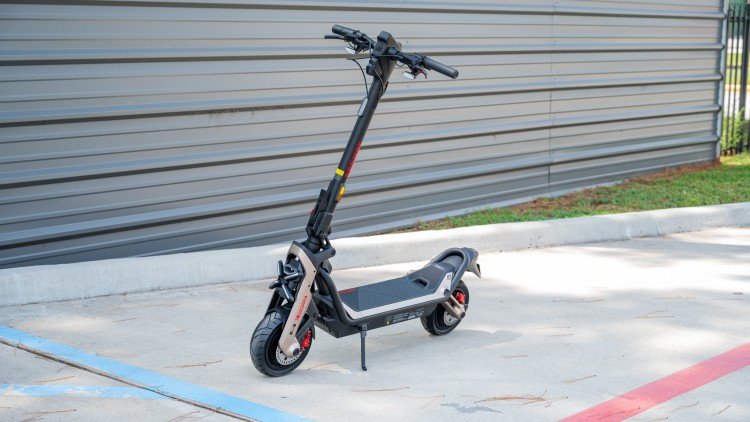
The Segway GT3 Pro is designed for riders who crave speed, premium quality, and smart tech within a street-focused scooter. With a top speed of 50 mph, 7,000W peak power, hydraulic suspension, and robust app features, it's ideal for serious enthusiasts—not commuters. It prioritizes stability, safety, and build quality over sheer portability or off-road ambitions.
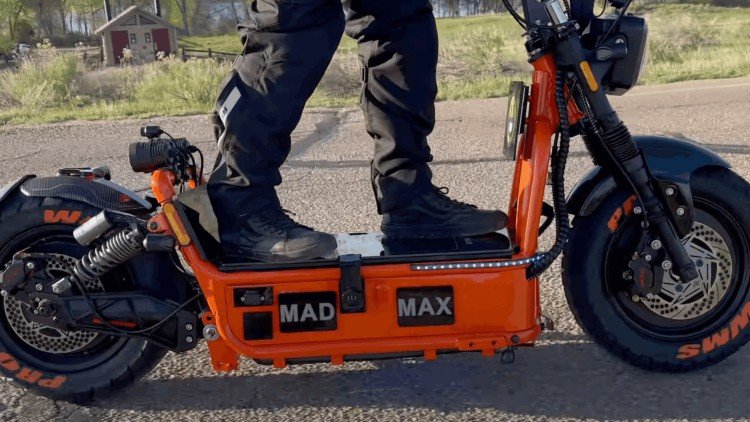
The Will Mason Mad Max Pro X sets a new bar for electric scooters, boasting a 90 mph top speed, 110-mile range, luxury features like Apple CarPlay, and extensive customization. While not portable, its impressive performance, robust build, and host of high-end tech make it a standout choice for those seeking the ultimate scooter experience.