What makes an electric bike "affordable"? The answer this question will differ from person to person, and where you live is a big determining factor. Dropping a couple thousand bucks on an e-bike makes a lot more financial sense in a city with good cycling infrastructure, where it can become your primary transportation and quickly pay for itself. If you live somewhere with poor cycling infrastructure or "way out in the boonies", then your e-bike may be more of a hobby purchase and the price tag suddenly seems a lot heftier.
For our purposes, we've set our "affordable" threshold at $2,000 USD; if it costs less than that, it's in!
E-bikes in this category provide a good price-to-value ratio, offering good performance while skipping some of the fancy bells and whistles that more premium (and expensive) alternatives offer. While it can be tempting to look for the cheapest e-bike possible, we actually advise against this! A good rule of thumb to follow, at least in the US, is that an e-bike will cost at least $1,200 if it's a product of worthwhile quality.
Yes, there are exceptions, and even in this day and age you can still find electric bikes for less than $1,000 USD, but these brands tend to compromise too much on quality and offer little or no post-purchase support. The lower the price, the more caution you should exercise as a buyer! Research online, read consumer reviews, and (of course) read our expert opinions here to get the Freshly Charged take.

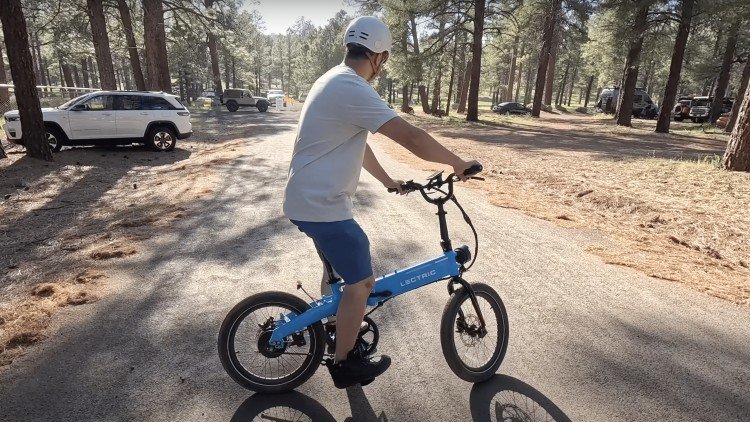
The Velotric Tempo is one of the most unique lightweight city ebikes we’ve tested, combining an experience that feels natural with smart features such as Pulse Mode heart-rate training. In this review, we test the ride, tech, and real-world performance to see if this is the best lightweight commuter ebike you can buy right now.
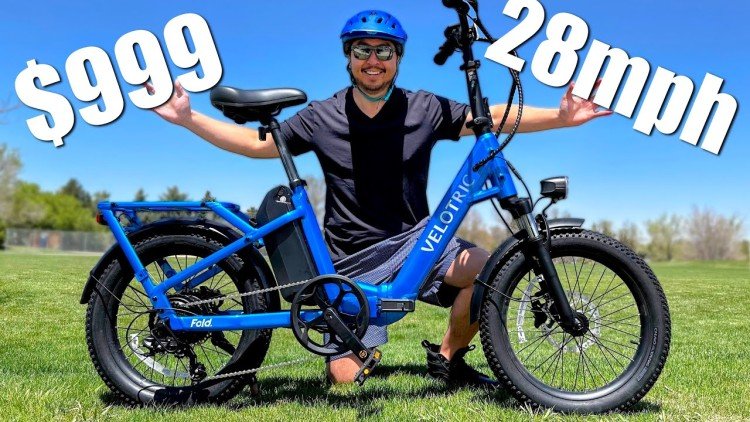
The Velotric Fold 1 surprises with its compact foldability, robust 28 mph performance, and exceptional battery and water resistance—all for $999. Praised for thoughtful features like metal fenders, a low step-thru, and well-managed cables, it has a few downsides like plastic pedals and a less powerful controller, but offers strong value in the budget e-bike market.
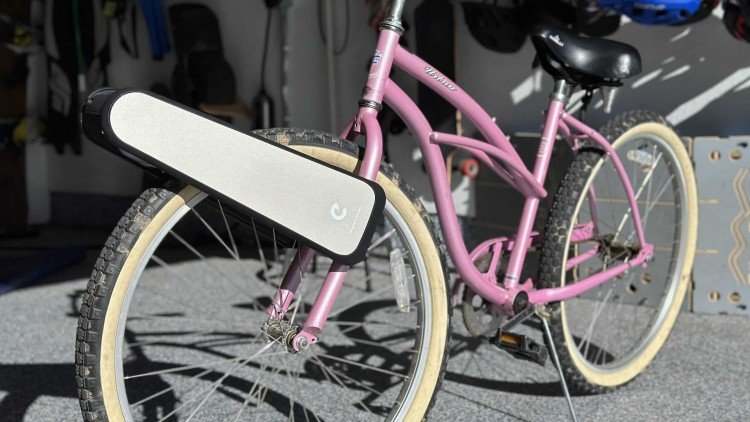
The Clip is a lightweight, portable e-bike conversion kit that instantly transforms any regular bike into an electric ride within seconds—no tools required. With two affordable models, quick charge times, and super easy installation, the Clip is perfect for commuters looking for a convenient and travel-friendly e-bike solution—though it’s not compatible with front suspension bikes.
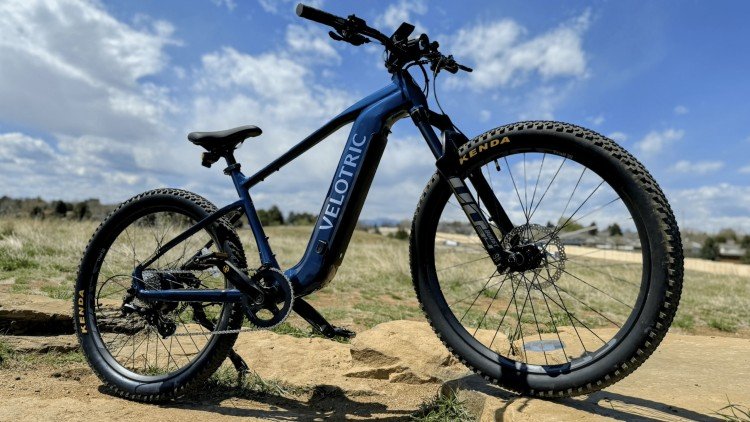
The Velotric Summit 1 impresses as a true e-mountain bike under $1800, outperforming many budget rivals with its 750-watt motor, reliable Shimano hydraulic brakes, and durable design. Despite minor flaws like basic pedals and app limitations, it stands out for value, trail capability, and thoughtful features, making it highly recommended for budget-conscious riders.

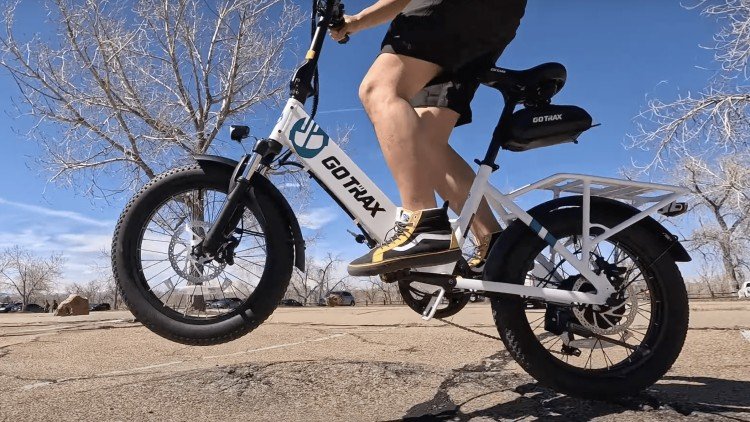
The GoTrax F1 V2 is our most affordable reviewed E-Bike, boasting a 50-mile range, up to 20 mph speed, and impressive features for its budget price. With a foldable design, included accessories, and easy maintenance, this class-2 E-Bike stands out. Read our full review for detailed insights, specs, and exclusive savings codes!
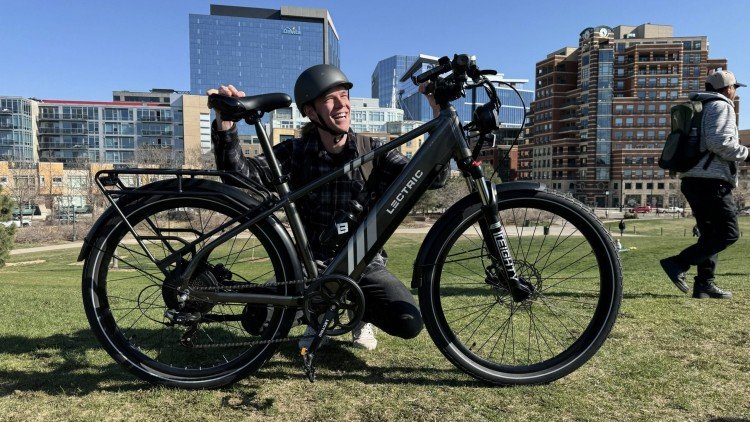
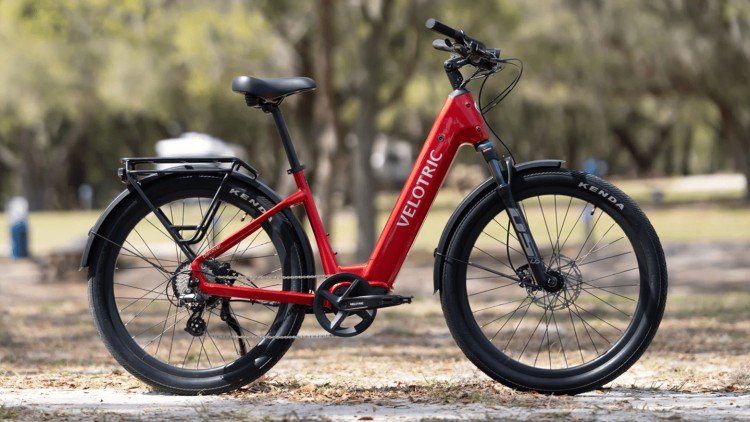

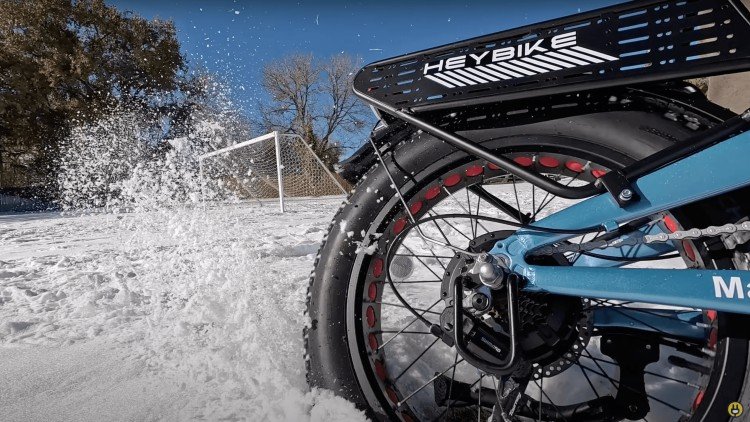
The Heybike Mars 2.0 brings significant upgrades, transitioning to a class 3 e-bike with robust 20" x 4" fat tires, enhanced portability, a comfy suspension seatpost, and smart Bluetooth app connectivity. While it impresses in performance and style, minor drawbacks like basic components and limited app features prevent it from being flawless, but overall, it’s a compelling, innovative ride.
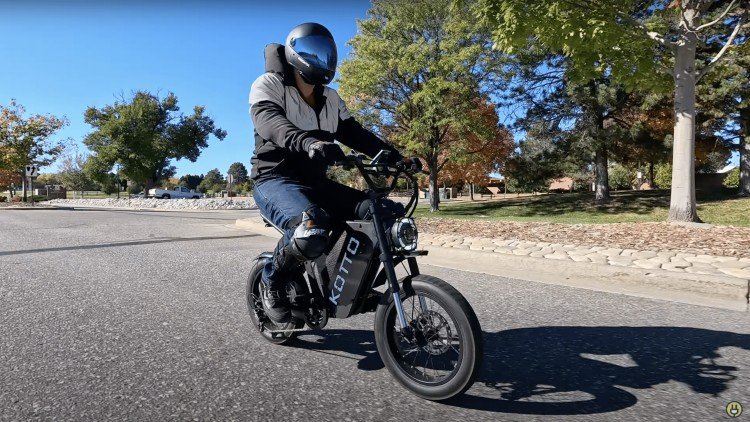
The KOTTO 750L e-bike boasts a sleek design, impressive battery life, and smooth suspension, making it a stylish choice with strong after-sales support. However, it disappoints with lackluster performance, speed limitations, and some cheap components. It’s best suited for riders who value looks, ride comfort, and safety over high speed or pedaling efficiency.