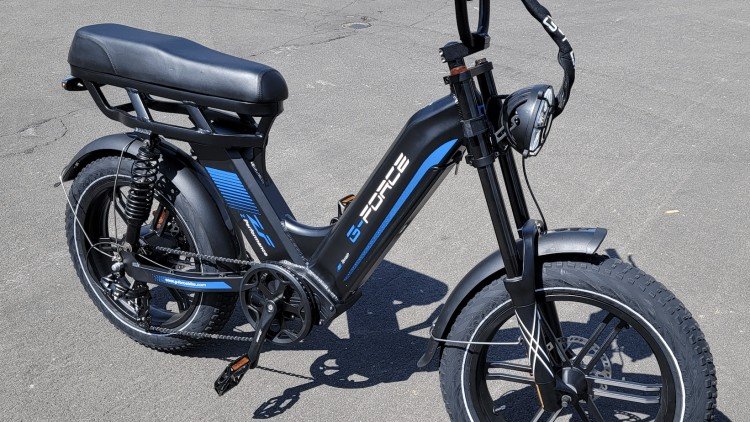
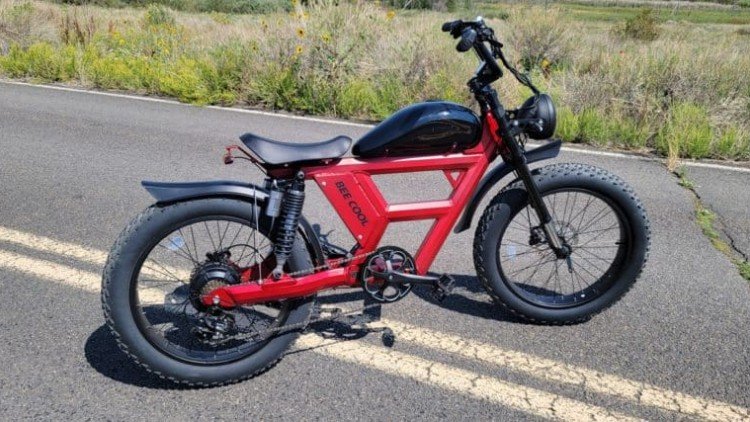
A full-suspension e-bike pairs a front suspension fork with a rear shock and pivot linkage, so both wheels can move independently to absorb impacts instead of just the front. That's the key difference from a hardtail, which handles the front bump but sends everything from the rear wheel straight into the frame and the rider.
Presence of full suspension shows up most on rough terrain. With the rear wheel able to track the ground over roots, rocks, and loose surfaces instead of skipping over them, you get real traction gains on technical climbs and descents, plus a noticeably smoother, less fatiguing ride on anything that isn't pavement. It's not just a trail-riding perk, either: the same rear shock that soaks up a rock garden also takes the edge off potholes and cracked pavement on a daily commute, which is why full suspension has found its way onto plenty of bikes that never see a mountain.
The concessions are that full-suspension bikes typically run a few pounds heavier than a comparable hardtail, cost more upfront, and need periodic servicing on the shock and pivot bearings that a hardtail simply doesn't have. On smooth pavement or a long climb, some of that rear suspension energy gets absorbed into the shock instead of pushing you forward, an effect riders call pedal bob, so a hardtail (or no suspension at all) stays the more efficient choice for flat, paved commuting. If your riding regularly leaves pavement, though, that efficiency loss is a small price for the extra control.
-medium.jpg)
The Aventon Aventure 3 is a versatile, tech-savvy fat tire ebike designed for riders who want comfort, performance, and safety without the hefty price tag. With features like GPS tracking, torque/cadence sensor options, custom ride settings, and a robust build, it’s ideal for all-season use, bigger riders, and those valuing peace of mind and style.
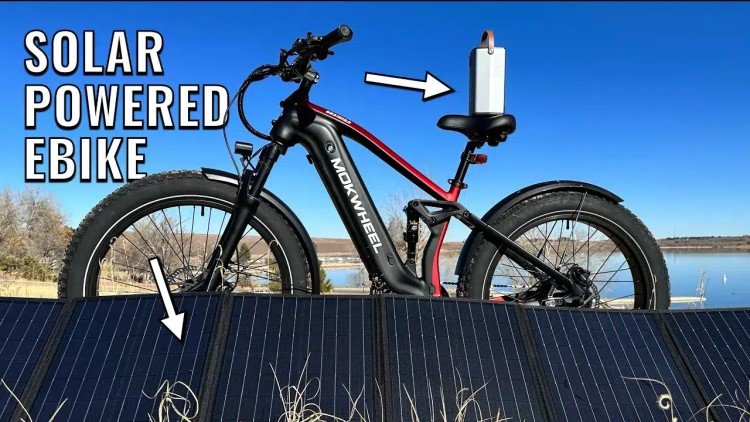
The Mokwheel Obsidian stands out as the first fat tire, full suspension e-bike designed for solar power. With a quality build, smooth suspension, ergonomic ride, and an easy-to-read display, it excels on varied terrain. Downsides include a heavy solar setup, dim front light, and small display. Overall, it’s a compelling, solar-ready choice for adventurous riders.
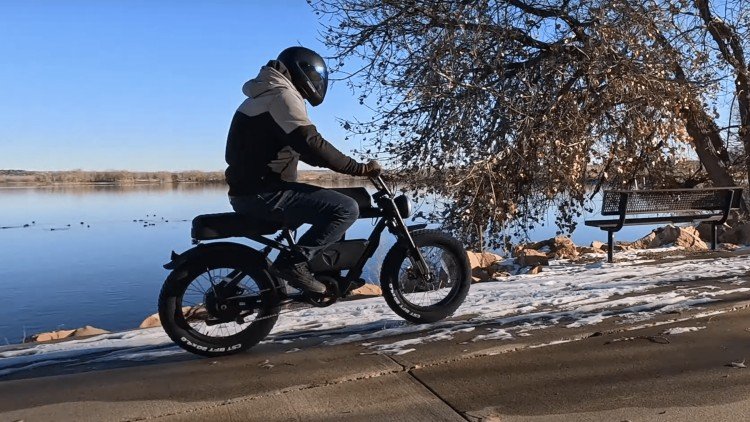
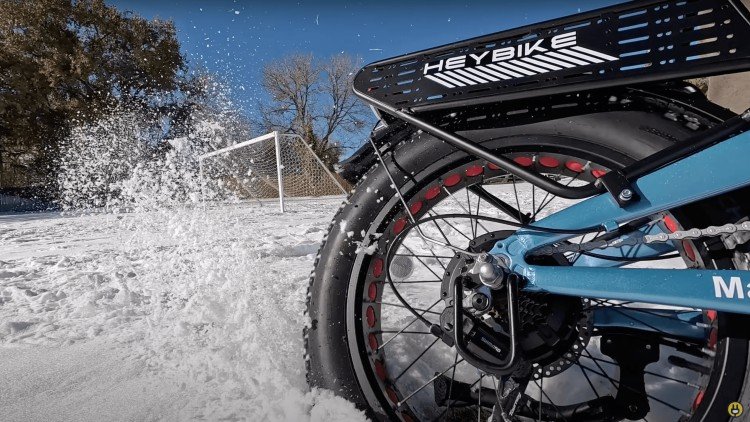
The Heybike Mars 2.0 brings significant upgrades, transitioning to a class 3 e-bike with robust 20" x 4" fat tires, enhanced portability, a comfy suspension seatpost, and smart Bluetooth app connectivity. While it impresses in performance and style, minor drawbacks like basic components and limited app features prevent it from being flawless, but overall, it’s a compelling, innovative ride.
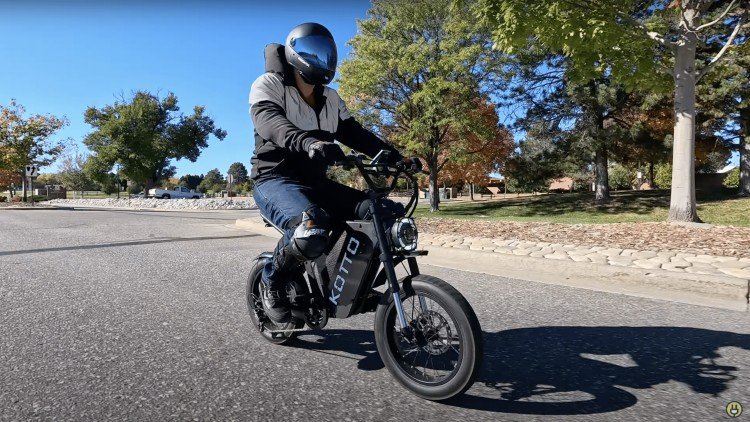
The KOTTO 750L e-bike boasts a sleek design, impressive battery life, and smooth suspension, making it a stylish choice with strong after-sales support. However, it disappoints with lackluster performance, speed limitations, and some cheap components. It’s best suited for riders who value looks, ride comfort, and safety over high speed or pedaling efficiency.
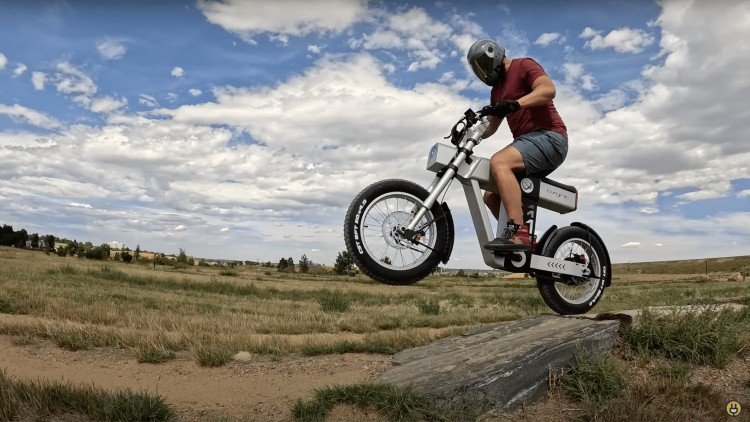
The ASYNC A1 E-Bike dazzles with its futuristic, Cybertruck-inspired design, robust 1200W motor, huge battery, and off-road capabilities. Comfort and tech-forward features make it exciting, though its weight, limited adjustability, loudness, and some app shortcomings may deter some riders. Still, it's a bold, standout choice for those seeking innovation and style in their ride.
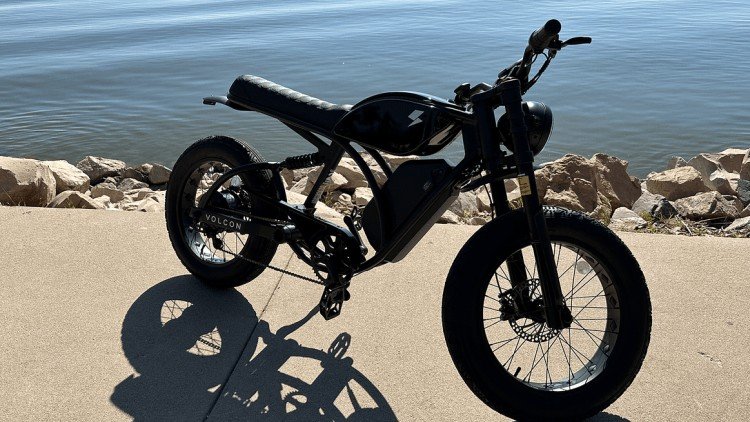
The Volcon Brat stands out as an ebike with bold motorcycle aesthetics, robust features like 31 mph throttle speed, full suspension, and hydraulic disc brakes. While practical elements and durability impress, issues like ineffective fenders, non-integrated battery, and stiff suspension highlight areas for improvement. A top pick for motorcycle enthusiasts venturing into ebikes.
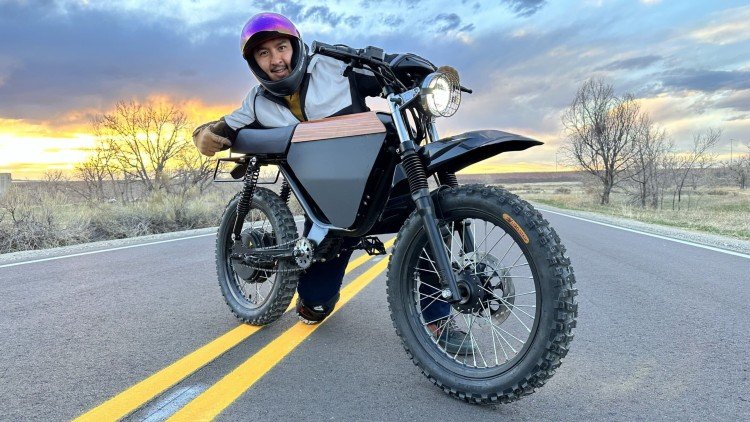
The ONYX RCR from ONYX Motorbikes is a retro-inspired electric bike that blurs the line between ebike and motorcycle with speeds over 55 mph, smooth acceleration, and powerful features. While it boasts a massive battery, strong brakes, and excellent customer service, drawbacks include ineffective pedals, weak bottom-end torque, and some design flaws.
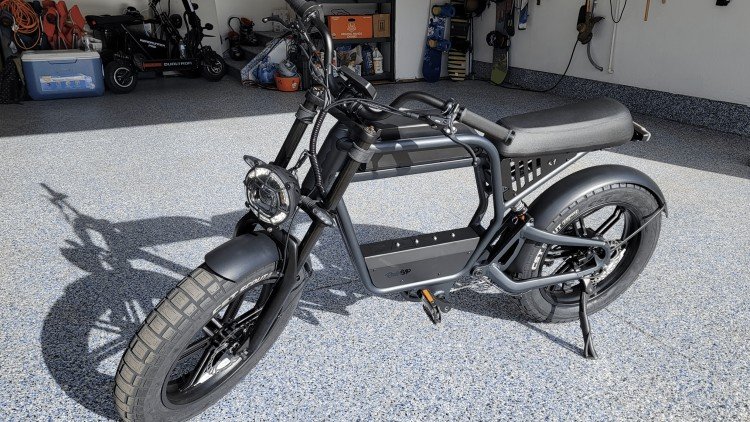
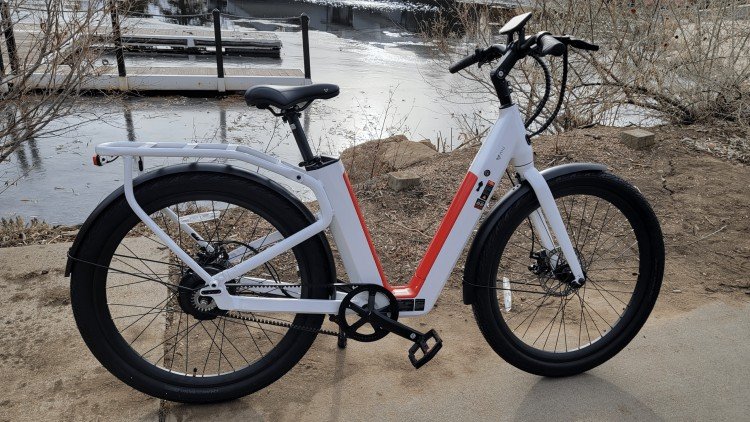
The NIU BQi-C3 Pro marks NIU’s entry into the e-bike market with standout features like a Gates Carbon Drive, dual UL-certified batteries, and a premium TFT color display. While lacking suspension and equipped with mechanical disc brakes, its low-maintenance design and excellent range make it an attractive commuter choice for smooth pavement and everyday rides.