Most e-bikes advertise somewhere between 20 and 60 miles of range, which covers the average commute with room to spare but not much beyond it. This category is for the bikes built to go further: a 60-mile advertised range is where the market itself starts drawing the line between "standard" and "long range," and everything here clears that bar, some by a wide margin, with the biggest dual-battery setups pushing well past 100.
Getting there almost always comes down to one thing: a bigger battery. More watt-hours means more range, but it also means more weight on the frame and a higher price tag, so long-range bikes tend to run heavier and cost more than a standard commuter with a smaller pack. For a lot of riders that tradeoff is worth it: fewer mid-week charges, more room for an unplanned detour, and enough buffer that hills, cold weather, or a heavier rider don't turn a comfortable range into an anxious one.
That said, be aware that advertised range is almost always tested under close-to-ideal conditions, flat roads, the lowest assist setting, a lighter rider. Real-world range typically comes in 20 to 50 percent below the advertised figure once you factor in hills, wind, cargo, and a normal mix of assist levels. A bike advertised at 80 miles might realistically deliver 45 to 65 in everyday riding. That doesn't make the number meaningless, it's still the best way to compare bikes against each other, just treat it as a ceiling rather than a guarantee.
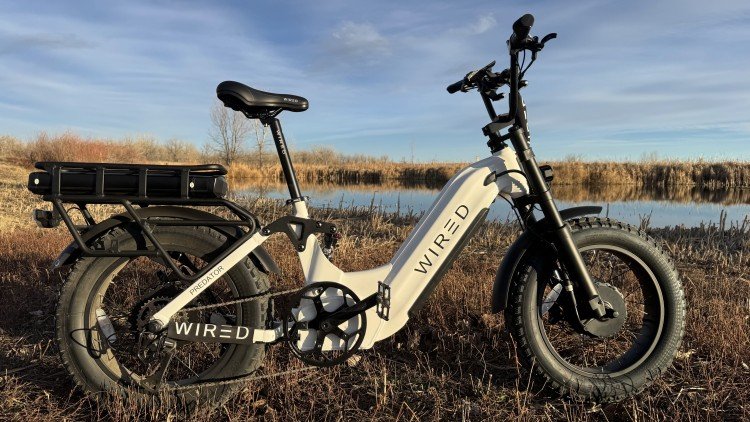
The Wired Viper is an exceptionally high-performance 20x4 fat tire eBike that blurs the line between a traditional bicycle and an electric motorcycle. Featuring massive 72V 35Ah batteries and a dual-motor system capable of an 8,000W peak output, this "compact monster" can reach speeds of over 55 mph with acceleration so aggressive it can easily trigger wheelies. Despite its raw power, the bike offers a premium and stable ride thanks to high-end components like an Exsho Cowboy dual crown fork, 4-piston hydraulic brakes, and a highly customizable display that allows riders to tame the motor behavior. While it is likely too heavy and "unhinged" for beginners or casual commuters, the Viper stands out as a top-tier choice for adrenaline seekers who want maximum torque and long-range performance in a smaller, step-through frame.
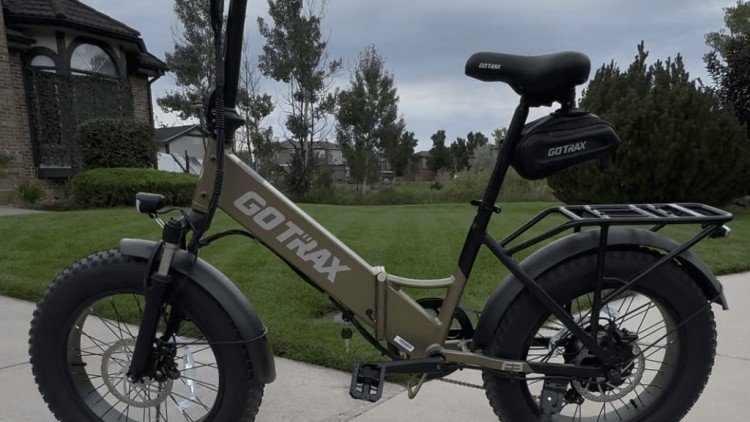
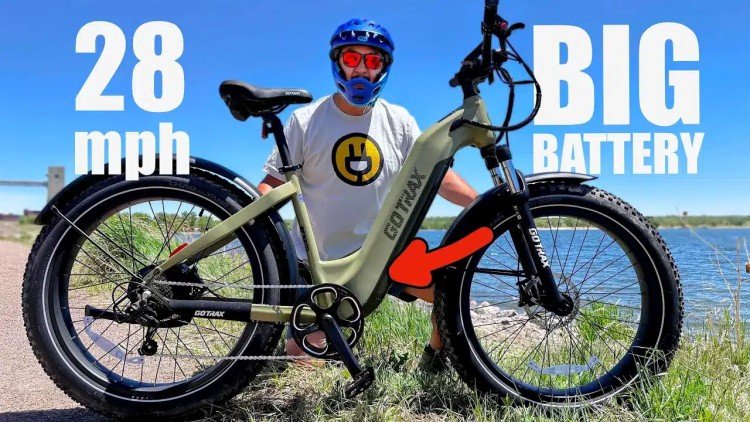
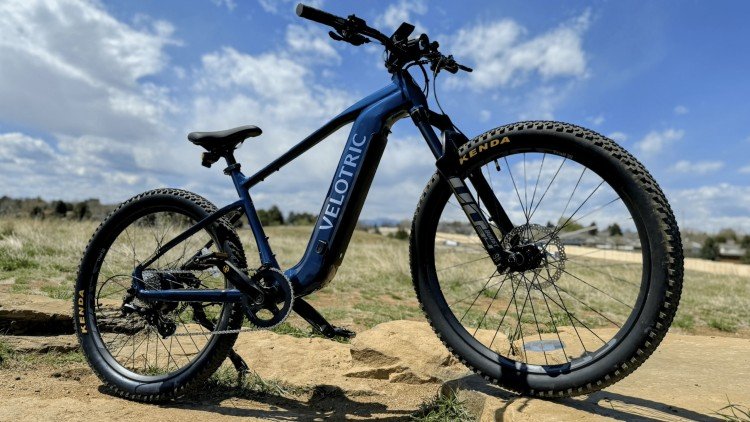
The Velotric Summit 1 impresses as a true e-mountain bike under $1800, outperforming many budget rivals with its 750-watt motor, reliable Shimano hydraulic brakes, and durable design. Despite minor flaws like basic pedals and app limitations, it stands out for value, trail capability, and thoughtful features, making it highly recommended for budget-conscious riders.
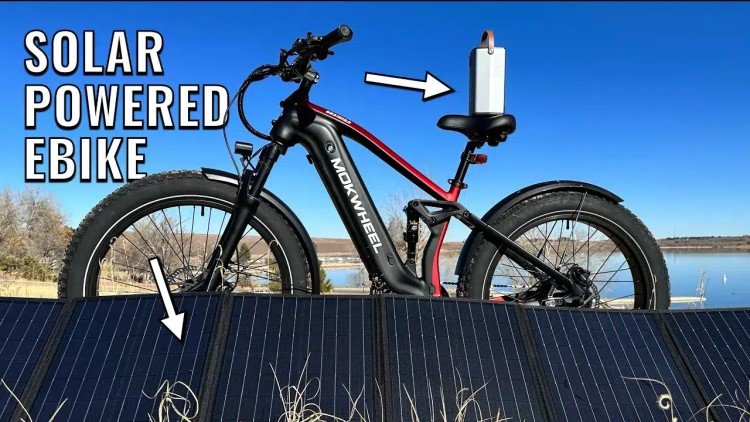
The Mokwheel Obsidian stands out as the first fat tire, full suspension e-bike designed for solar power. With a quality build, smooth suspension, ergonomic ride, and an easy-to-read display, it excels on varied terrain. Downsides include a heavy solar setup, dim front light, and small display. Overall, it’s a compelling, solar-ready choice for adventurous riders.
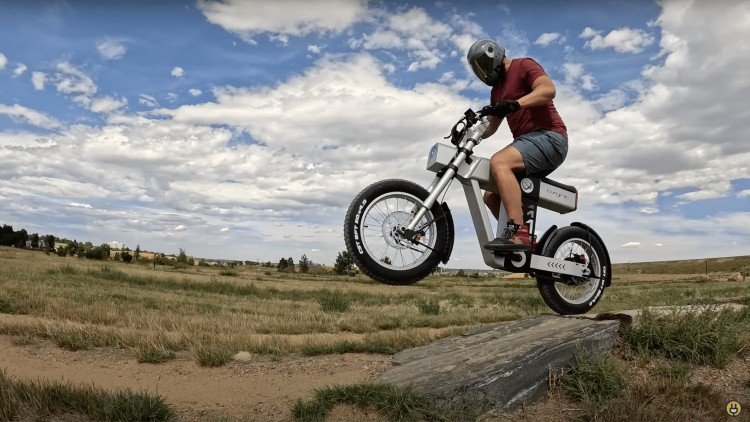
The ASYNC A1 E-Bike dazzles with its futuristic, Cybertruck-inspired design, robust 1200W motor, huge battery, and off-road capabilities. Comfort and tech-forward features make it exciting, though its weight, limited adjustability, loudness, and some app shortcomings may deter some riders. Still, it's a bold, standout choice for those seeking innovation and style in their ride.
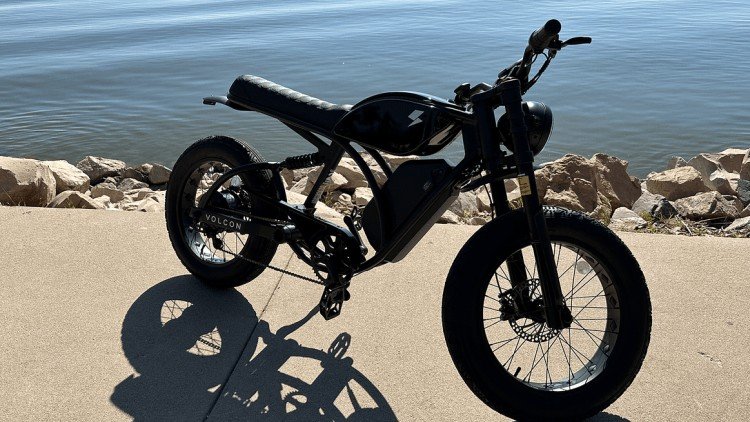
The Volcon Brat stands out as an ebike with bold motorcycle aesthetics, robust features like 31 mph throttle speed, full suspension, and hydraulic disc brakes. While practical elements and durability impress, issues like ineffective fenders, non-integrated battery, and stiff suspension highlight areas for improvement. A top pick for motorcycle enthusiasts venturing into ebikes.
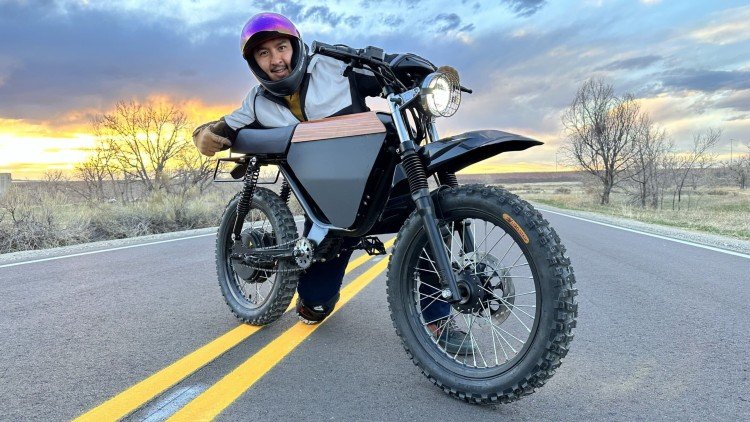
The ONYX RCR from ONYX Motorbikes is a retro-inspired electric bike that blurs the line between ebike and motorcycle with speeds over 55 mph, smooth acceleration, and powerful features. While it boasts a massive battery, strong brakes, and excellent customer service, drawbacks include ineffective pedals, weak bottom-end torque, and some design flaws.
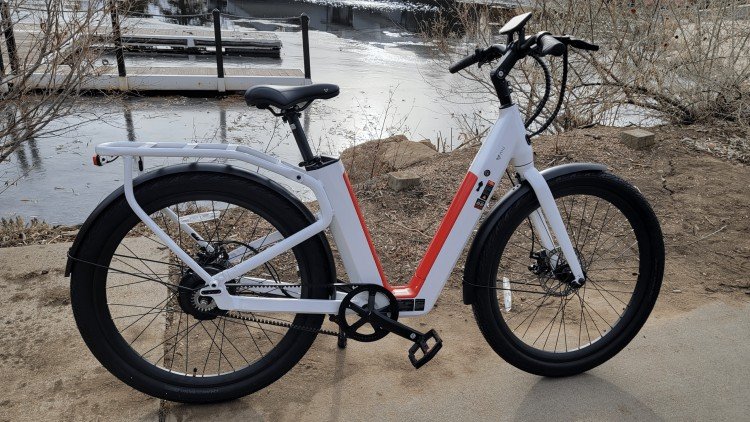
The NIU BQi-C3 Pro marks NIU’s entry into the e-bike market with standout features like a Gates Carbon Drive, dual UL-certified batteries, and a premium TFT color display. While lacking suspension and equipped with mechanical disc brakes, its low-maintenance design and excellent range make it an attractive commuter choice for smooth pavement and everyday rides.