E-bike access rules are not one national standard right now, they're a patchwork that changes by state, by city, and often by the individual trail or park you're riding. A bike that's legal on the road might be banned on a nearby mountain bike trail. A trail that welcomed Class 1 e-bikes last year might still be closed to Class 2 and Class 3 this year. Multi-class configurable bikes exist to handle exactly that mess: one physical bike that can be genuinely switched between Class 1 (pedal assist only, capped at 20 mph), Class 2 (throttle-enabled, capped at 20 mph), and Class 3 (pedal assist to 28 mph, no throttle), rather than being locked into whichever class it shipped in.
That flexibility has gotten more useful, not less, as access rules keep splitting apart by class. Some of the newest trail expansions are Class 1 only, some state parks limit paved paths to Class 1 and Class 2 while excluding Class 3 entirely, and national parks generally don't recognize Class 2 or Class 3 as e-bikes at all. A rider who wants to hit a Class-1-only trail on Saturday and use full Class 3 assist for a Monday commute doesn't need two bikes if the one they own can legitimately do both.
At the end of the day, there is some scrutiny to discuss. Regulators have started paying closer attention to bikes marketed around "unlocking" extra speed rather than genuinely switching between compliant class settings, and at least one state has written that distinction directly into a 2026 law update. The honest use case here is accurate reconfiguration, dialing the bike down to match a trail's posted class requirement or up to a road's legal ceiling, not a workaround for exceeding limits altogether. Some trail systems also expect a bike's current class to match its factory documentation or label, so if you're riding a configurable bike, it's worth actually setting it correctly for wherever you're headed, not just leaving it maxed out by default.

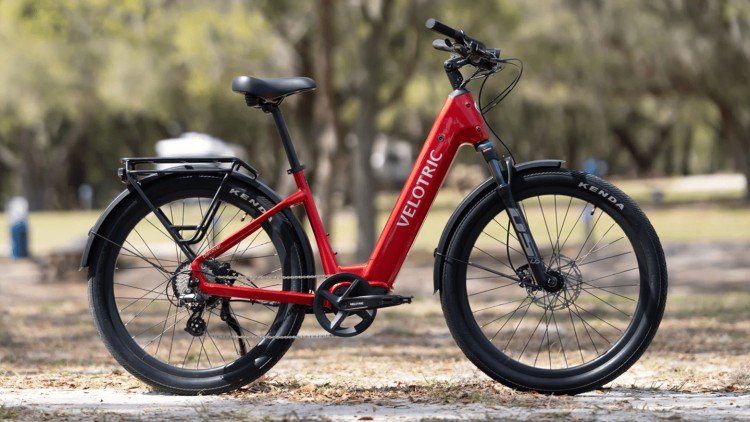
The Velotric Tempo is one of the most unique lightweight city ebikes we’ve tested, combining an experience that feels natural with smart features such as Pulse Mode heart-rate training. In this review, we test the ride, tech, and real-world performance to see if this is the best lightweight commuter ebike you can buy right now.
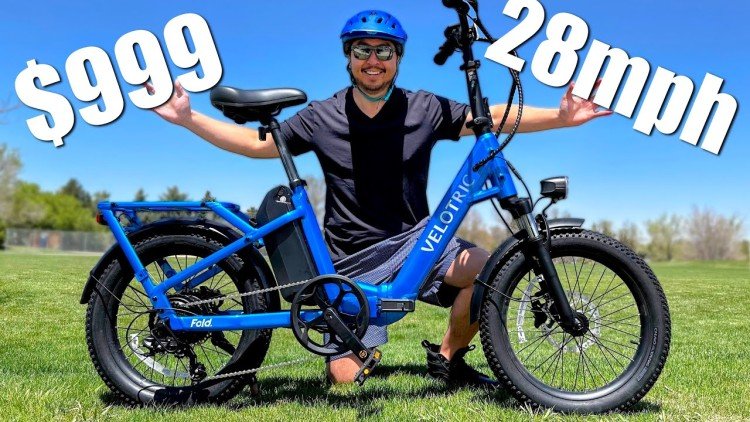
The Velotric Fold 1 surprises with its compact foldability, robust 28 mph performance, and exceptional battery and water resistance—all for $999. Praised for thoughtful features like metal fenders, a low step-thru, and well-managed cables, it has a few downsides like plastic pedals and a less powerful controller, but offers strong value in the budget e-bike market.
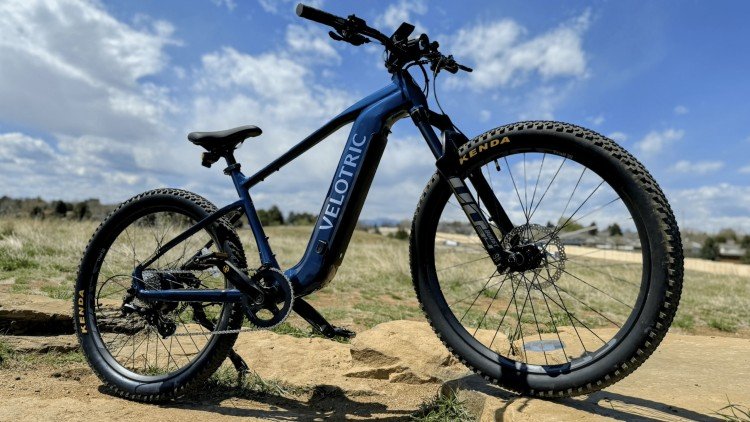
The Velotric Summit 1 impresses as a true e-mountain bike under $1800, outperforming many budget rivals with its 750-watt motor, reliable Shimano hydraulic brakes, and durable design. Despite minor flaws like basic pedals and app limitations, it stands out for value, trail capability, and thoughtful features, making it highly recommended for budget-conscious riders.
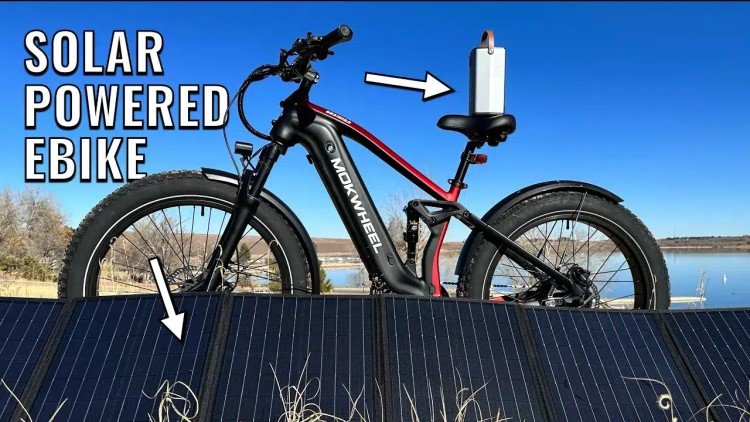
The Mokwheel Obsidian stands out as the first fat tire, full suspension e-bike designed for solar power. With a quality build, smooth suspension, ergonomic ride, and an easy-to-read display, it excels on varied terrain. Downsides include a heavy solar setup, dim front light, and small display. Overall, it’s a compelling, solar-ready choice for adventurous riders.
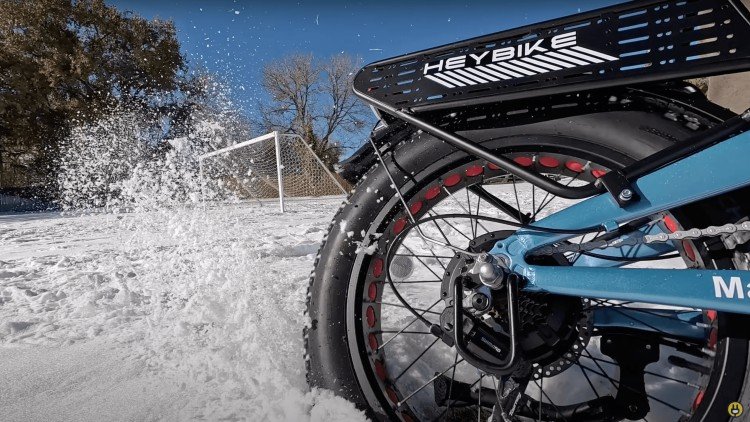
The Heybike Mars 2.0 brings significant upgrades, transitioning to a class 3 e-bike with robust 20" x 4" fat tires, enhanced portability, a comfy suspension seatpost, and smart Bluetooth app connectivity. While it impresses in performance and style, minor drawbacks like basic components and limited app features prevent it from being flawless, but overall, it’s a compelling, innovative ride.
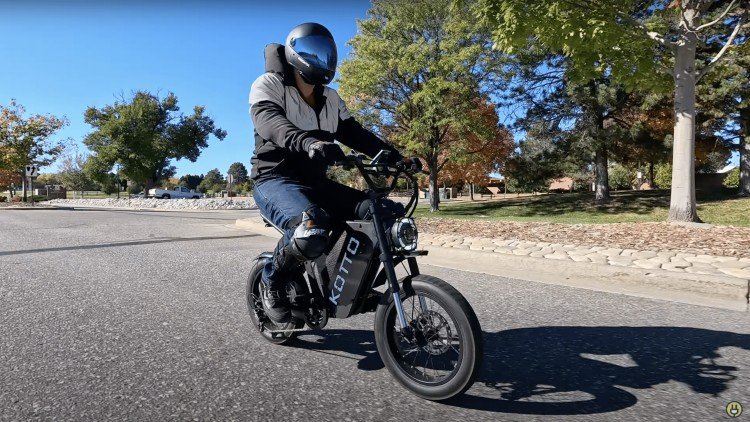
The KOTTO 750L e-bike boasts a sleek design, impressive battery life, and smooth suspension, making it a stylish choice with strong after-sales support. However, it disappoints with lackluster performance, speed limitations, and some cheap components. It’s best suited for riders who value looks, ride comfort, and safety over high speed or pedaling efficiency.
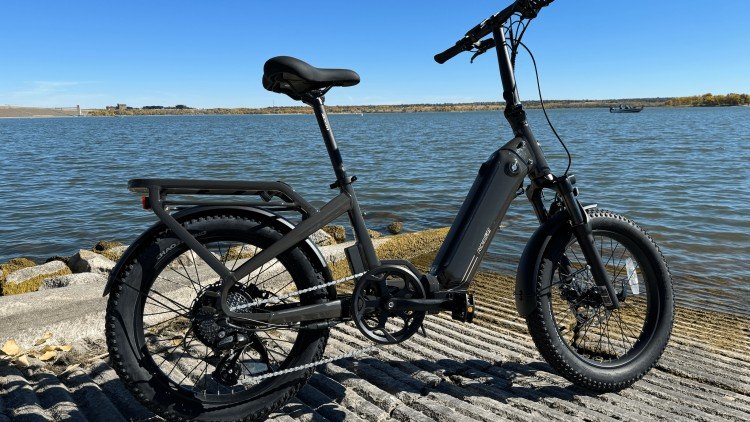
The Ride1Up Portola stands out in the budget foldable eBike market with its sleek design, robust hydraulic brakes, smooth gear shifting, impressive suspension, and user-friendly features—all for just $995. Minor drawbacks exist, but its superior benefits make it a top contender for affordable, high-quality electric bikes, perfect for daily commuting and weekend adventures.
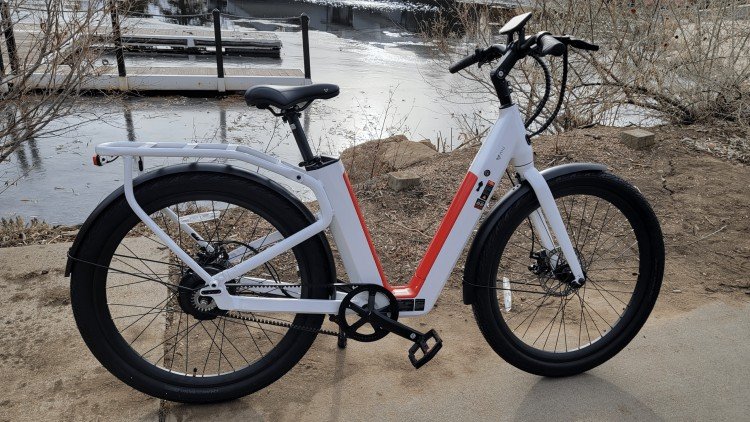
The NIU BQi-C3 Pro marks NIU’s entry into the e-bike market with standout features like a Gates Carbon Drive, dual UL-certified batteries, and a premium TFT color display. While lacking suspension and equipped with mechanical disc brakes, its low-maintenance design and excellent range make it an attractive commuter choice for smooth pavement and everyday rides.