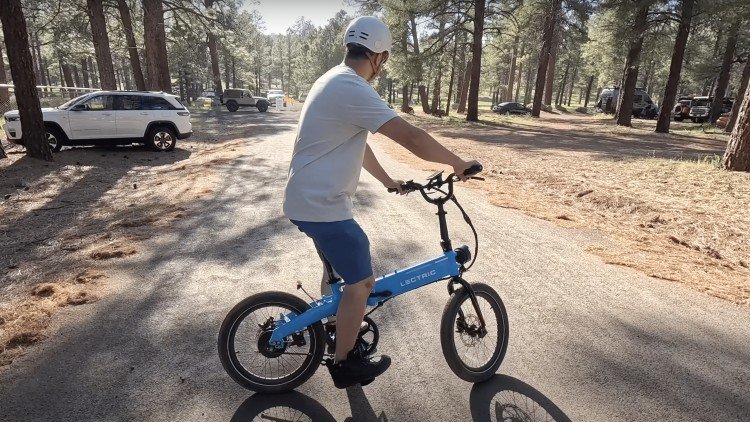
E-bike access rules are not one national standard right now, they're a patchwork that changes by state, by city, and often by the individual trail or park you're riding. A bike that's legal on the road might be banned on a nearby mountain bike trail. A trail that welcomed Class 1 e-bikes last year might still be closed to Class 2 and Class 3 this year. Multi-class configurable bikes exist to handle exactly that mess: one physical bike that can be genuinely switched between Class 1 (pedal assist only, capped at 20 mph), Class 2 (throttle-enabled, capped at 20 mph), and Class 3 (pedal assist to 28 mph, no throttle), rather than being locked into whichever class it shipped in.
That flexibility has gotten more useful, not less, as access rules keep splitting apart by class. Some of the newest trail expansions are Class 1 only, some state parks limit paved paths to Class 1 and Class 2 while excluding Class 3 entirely, and national parks generally don't recognize Class 2 or Class 3 as e-bikes at all. A rider who wants to hit a Class-1-only trail on Saturday and use full Class 3 assist for a Monday commute doesn't need two bikes if the one they own can legitimately do both.
At the end of the day, there is some scrutiny to discuss. Regulators have started paying closer attention to bikes marketed around "unlocking" extra speed rather than genuinely switching between compliant class settings, and at least one state has written that distinction directly into a 2026 law update. The honest use case here is accurate reconfiguration, dialing the bike down to match a trail's posted class requirement or up to a road's legal ceiling, not a workaround for exceeding limits altogether. Some trail systems also expect a bike's current class to match its factory documentation or label, so if you're riding a configurable bike, it's worth actually setting it correctly for wherever you're headed, not just leaving it maxed out by default.

The Velotric Tempo is one of the most unique lightweight city ebikes we’ve tested, combining an experience that feels natural with smart features such as Pulse Mode heart-rate training. In this review, we test the ride, tech, and real-world performance to see if this is the best lightweight commuter ebike you can buy right now.
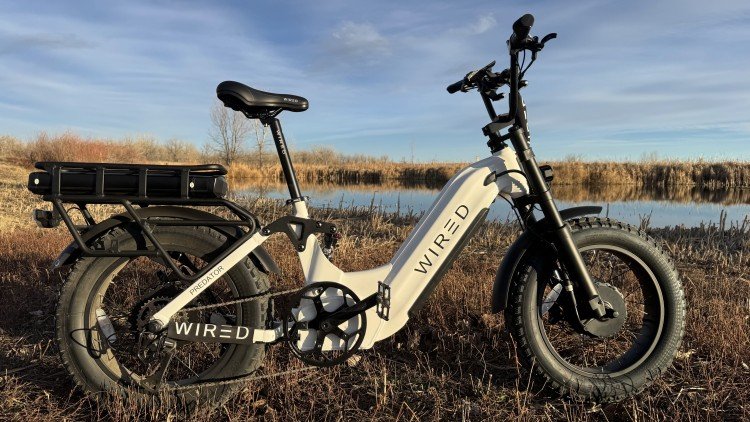
The Wired Viper is an exceptionally high-performance 20x4 fat tire eBike that blurs the line between a traditional bicycle and an electric motorcycle. Featuring massive 72V 35Ah batteries and a dual-motor system capable of an 8,000W peak output, this "compact monster" can reach speeds of over 55 mph with acceleration so aggressive it can easily trigger wheelies. Despite its raw power, the bike offers a premium and stable ride thanks to high-end components like an Exsho Cowboy dual crown fork, 4-piston hydraulic brakes, and a highly customizable display that allows riders to tame the motor behavior. While it is likely too heavy and "unhinged" for beginners or casual commuters, the Viper stands out as a top-tier choice for adrenaline seekers who want maximum torque and long-range performance in a smaller, step-through frame.
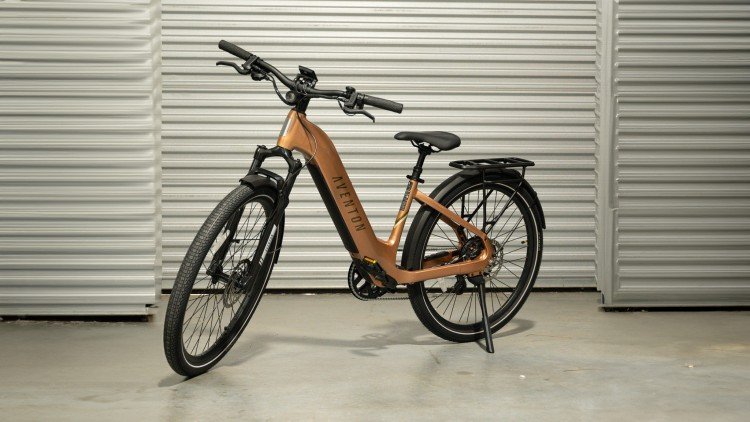
The Aventon Level 3 is a refined commuter ebike ideal for riders seeking a stylish, tech-forward ride that feels like a real bicycle. With smooth torque-sensor assist, polished design, app connectivity, and UL-certified components, it suits those valuing comfort, safety, and smart features. Not for off-roaders or bargain hunters, it’s a premium urban commuter choice.
-medium.jpg)
The Aventon Aventure 3 is a versatile, tech-savvy fat tire ebike designed for riders who want comfort, performance, and safety without the hefty price tag. With features like GPS tracking, torque/cadence sensor options, custom ride settings, and a robust build, it’s ideal for all-season use, bigger riders, and those valuing peace of mind and style.
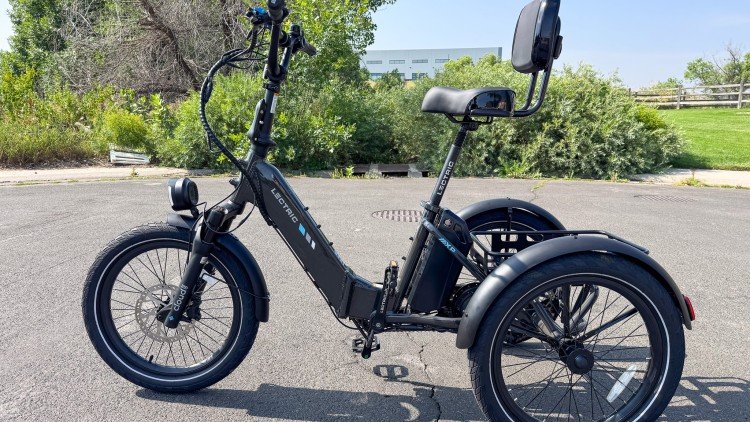
The Lectric XP Trike 2 is a stable, comfort-focused electric trike designed for riders seeking a safe, practical, and confident ride. Ideal for older adults, those with balance concerns, or anyone desiring three-wheel stability, it features a powerful motor, long range, hydraulic brakes, and easy adjustability—making it a standout option under $2,000.
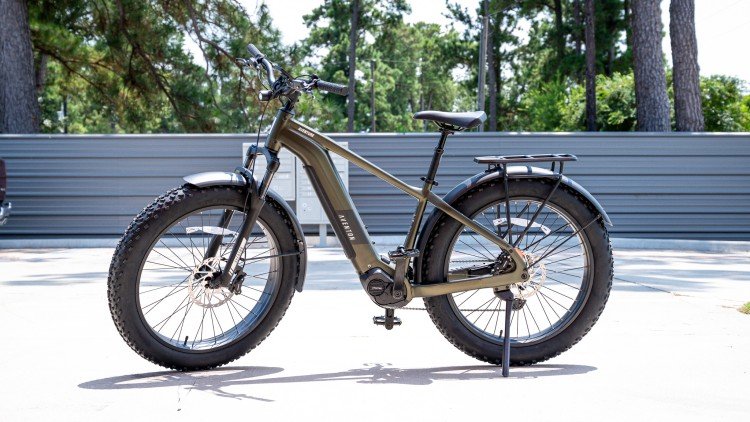
The Aventon Aventure M is ideal for riders seeking one versatile e-bike for both commuting and trail adventures. Featuring smart tech, a powerful mid-drive motor, auto-shifting, robust brakes, and premium comfort, it’s designed for those who appreciate innovation without sacrificing a genuine cycling feel. It’s a standout choice for tech-savvy, comfort-focused e-bikers.
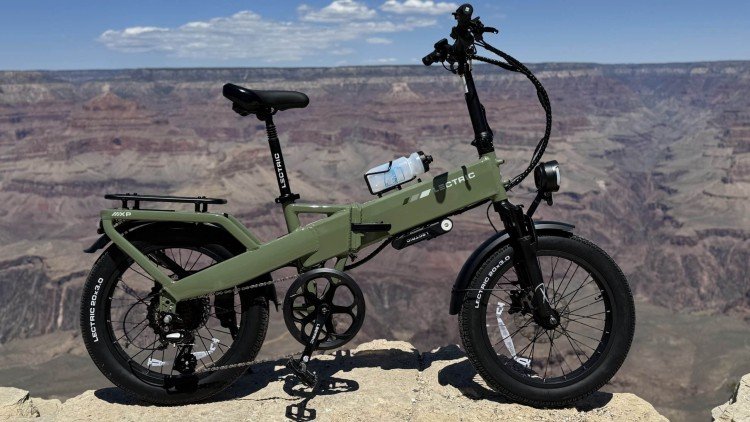
The Lectric XP 4.0 folding fat tire e-bike impresses with major upgrades, including a torque sensor, hydraulic brakes, better display, and an improved drivetrain—all starting at just $999. Available in 500W and 750W versions, it offers features normally found on pricier bikes, making it an unbeatable value for budget-conscious riders seeking modern performance and portability.
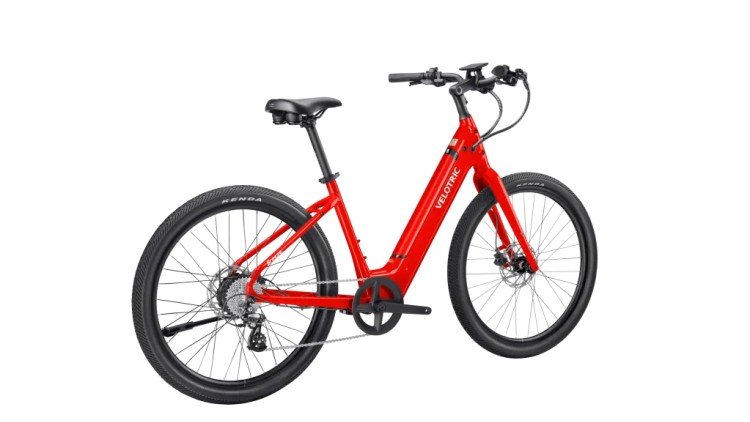
The Velotric Breeze 1 blends commuter speed with cruiser comfort, offering a lightweight, tech-rich e-bike at 48 lbs and up to 28 mph. With a powerful 750W motor, torque/cadence sensor, color display, and Apple FindMy tracking, it delivers performance and value. Downsides include no included rack/fenders and a fully rigid frame, but overall it’s a standout urban option.
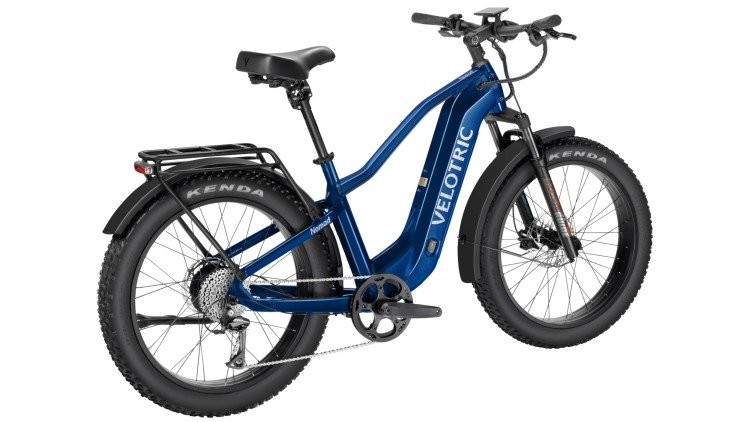
Our detailed review of the Velotric Nomad 2 highlights its impressive UL-rated battery, high-quality components, and unique sensor swap feature for customizable ride feel. With a range of 65 miles, 750W motor, and 1000 lbs towing capacity, this stylish e-bike stands out—though its 72-lb weight makes it less maneuverable than lighter models.
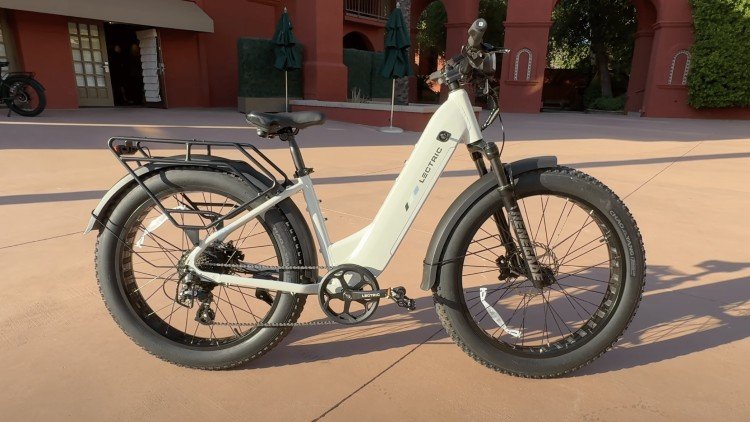
The new Lectric XPeak 2.0 brings notable upgrades, including a torque sensor, reinforced frame, improved derailleur, and a color LCD display, building on the reliable, affordable legacy of the original. While improvements like puncture-resistant tires and better grips enhance performance, some aspects like battery removal and headlight strength could use refinement. It’s a stellar long-range value e-bike.