Two e-bikes can carry identical motor specs and still ride nothing alike, and the sensor behind the pedal assist is usually why. A cadence sensor works on a simple threshold: once the crank turns roughly a quarter rotation, the motor delivers whatever power the assist level is set to, whether you're barely tapping the pedals or standing on them. A torque sensor skips the threshold entirely and reads actual pedaling force instead, scaling the motor's help up and down in step with how hard you're pushing, moment to moment.
That distinction is the whole reason torque sensors have a following of their own. Riders who want the bike to feel like an extension of their own legs, rather than a separate motor cutting in and out, consistently describe torque-based assist as smoother and more predictable, especially through stop-and-go traffic, tight turns, or a climb where fine control matters. It tends to be kinder to the battery too, since the motor isn't spending power at a flat rate regardless of what's actually needed; it's only working as hard as your legs are.
None of that makes torque an automatic upgrade for everyone. The added electronics mean more components, occasional calibration, and a real cost bump over a cadence-based bike. It also demands actual effort. There's no "ghost pedaling" your way to full power the way you can with a cadence sensor, so a rider who wants the motor to do most of the work, or who has limited strength or mobility, may genuinely prefer cadence's flatter, lower-effort assist. Torque sensors are for riders who want the bike to feel like a bicycle first and a motor second.
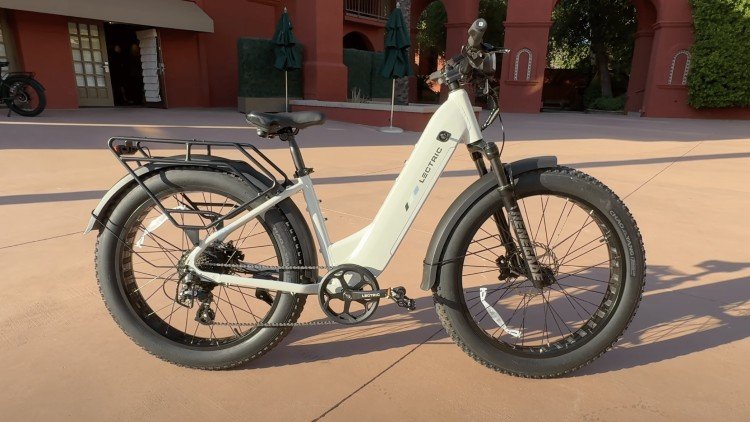
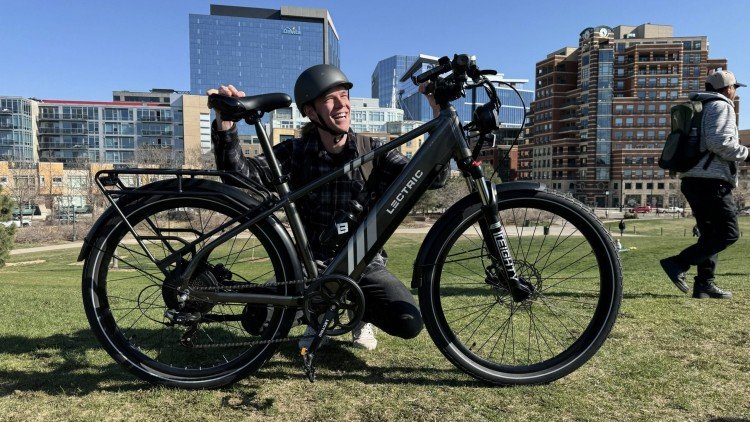
The new Lectric XPeak 2.0 brings notable upgrades, including a torque sensor, reinforced frame, improved derailleur, and a color LCD display, building on the reliable, affordable legacy of the original. While improvements like puncture-resistant tires and better grips enhance performance, some aspects like battery removal and headlight strength could use refinement. It’s a stellar long-range value e-bike.

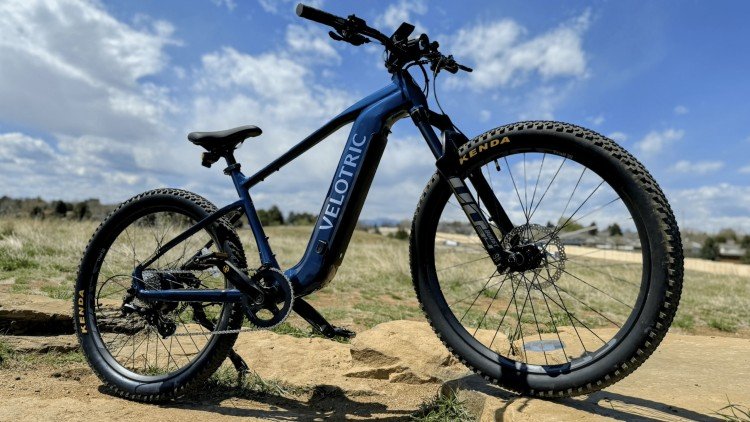
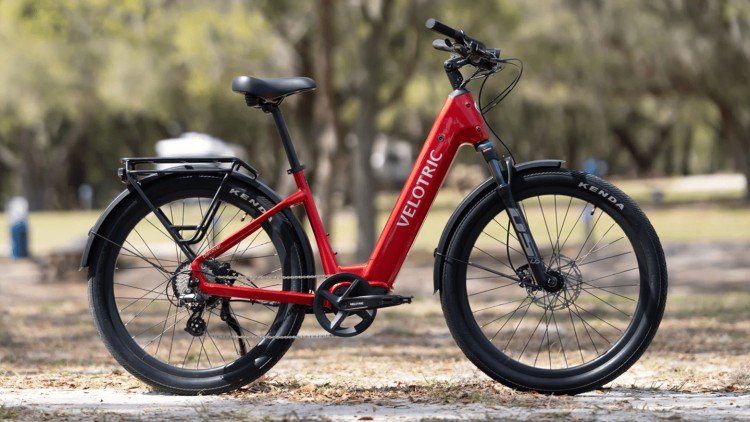
The Velotric Summit 1 impresses as a true e-mountain bike under $1800, outperforming many budget rivals with its 750-watt motor, reliable Shimano hydraulic brakes, and durable design. Despite minor flaws like basic pedals and app limitations, it stands out for value, trail capability, and thoughtful features, making it highly recommended for budget-conscious riders.
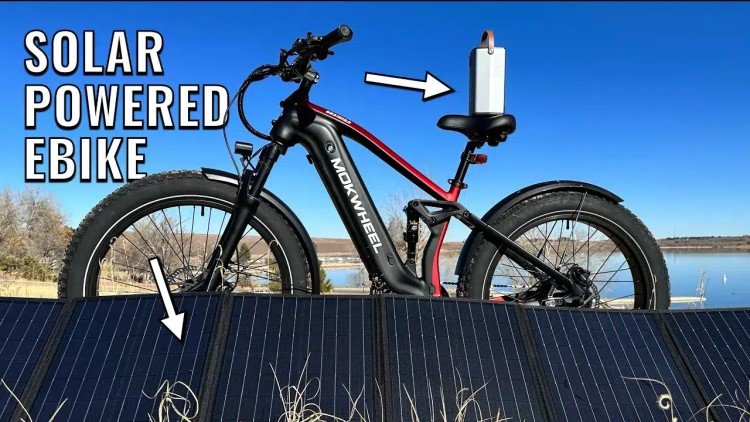
The Mokwheel Obsidian stands out as the first fat tire, full suspension e-bike designed for solar power. With a quality build, smooth suspension, ergonomic ride, and an easy-to-read display, it excels on varied terrain. Downsides include a heavy solar setup, dim front light, and small display. Overall, it’s a compelling, solar-ready choice for adventurous riders.
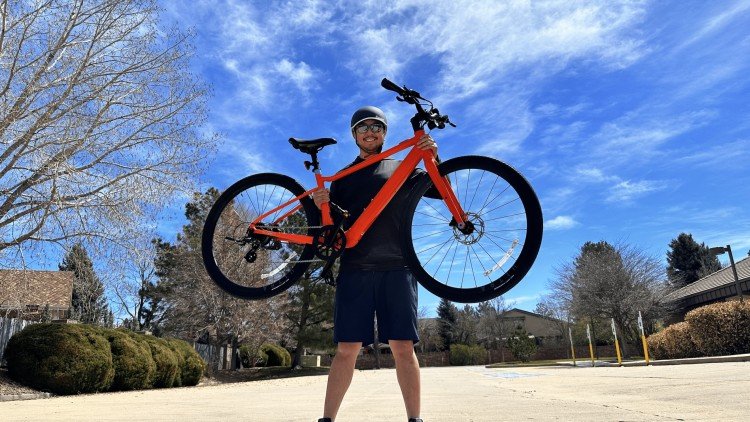
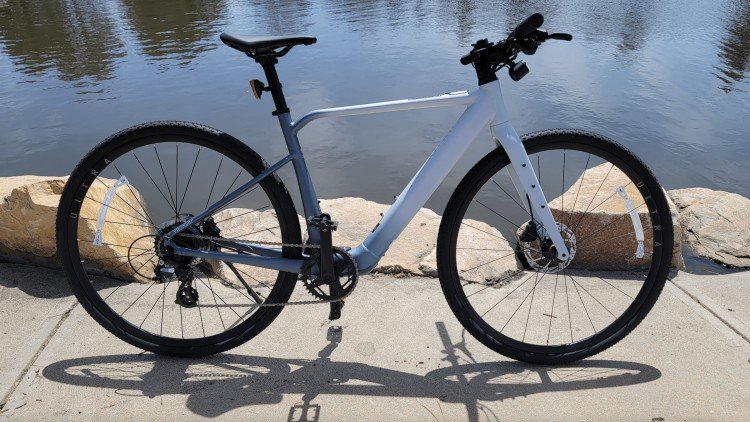
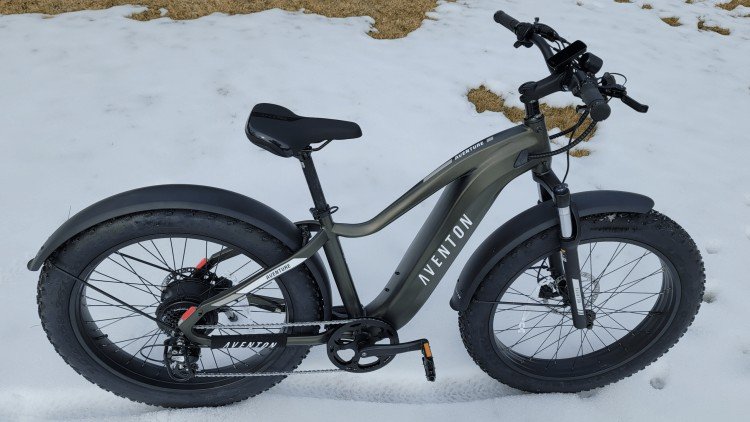
The Aventon Aventure.2 fat tire ebike delivers notable upgrades, including a torque sensor for a smoother, more natural ride, integrated lighting with turn signals, and Tektro hydraulic brakes. Backed by US-based support and eco-friendly packaging, it offers tech-savvy features like a Bluetooth app and vibrant display, making it an excellent choice for all-season riders seeking performance and innovation.