Electric bikes, or e-bikes, are bicycles equipped with electric motors and rechargeable battery systems that assist the rider’s pedaling effort. They typically feature one of three assist systems: pedal-assist, throttle control, or a hybrid of both. Battery capacity, motor wattage, and sensor types vary across models, allowing riders to choose between lightweight city commuting setups or high-performance configurations built for speed and range. Many e-bikes include features such as integrated lighting, display screens, multiple assist levels, and regenerative braking. Depending on the design, motors may be located in a wheel hub or integrated with the crank system for more natural pedaling dynamics.
These bikes are used for commuting, fitness, cargo transport, off-road riding, and casual recreation. They appeal to riders who want the benefits of cycling with reduced strain, longer range, or easier travel across hills, wind, or long distances. With advancements in battery efficiency, motor design, and frame integration, electric bikes have become a practical transportation solution in cities, suburbs, and rural areas. Their combination of accessibility, efficiency, and versatility has made them one of the fastest-growing categories in personal electric transportation.
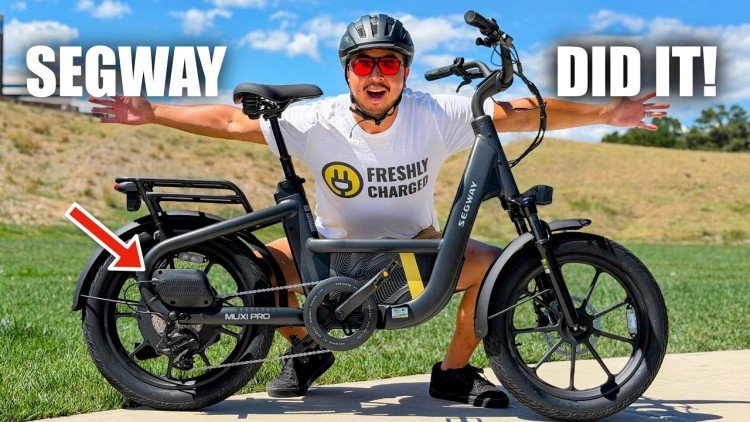
The Segway MUXI Pro is here, built to answer the three biggest complaints we surfaced in our original MUXI review. Upgrades include front suspension with 70mm wheel travel, a 9-speed electronic drivetrain that finally delivers on Class 3 speeds (up to 28 mph), and integrated turn signals. Jimmy and Andrew's testing confirmed the upgrades hold up in practice, and are happy to report the bike kept the security tech that made the original stand out; including AirLock proximity unlocking, GPS tracking, and Lost Mode. At $1,999.99 through local dealers only, the MUXI is a unique tech loaded cargo commuter that will make the right rider happy.
-medium.jpg)
The GhostCat Saber S1 breaks the power performance e-bike mold by weighing just 105 lb, roughly half what most bikes in this 44+ mph category weigh, thanks to a single large center-mounted battery instead of a split front-and-rear setup. Andrew and Jimmy's joint testing found a bike that's pleasantly stable at speed, still gives real pedal resistance up to 44 mph, and stops in just 14 feet from 20 mph, with a torque sensor sensitive enough to pull away from a stop in seventh gear. Missing turn signals and a proper horn are the standout gaps at this price and speed, but GhostCat's local dealer network, a rarity in this category, adds real peace of mind at the price point.
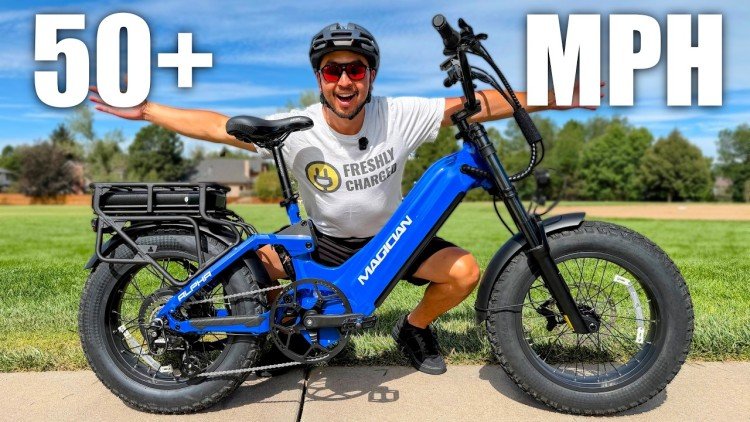
The Magician Alpha Mini is a compact 72V fat tire e-bike that hits real-world speeds over 50 mph while staying surprisingly quiet, the kind of sleeper build that doesn't scream for attention the way a Sur-Ron does. Andrew's testing turned up genuinely impressive torque on steep climbs, a smooth dual-battery system, and thoughtful touches like quick-release tire changes and reinforced rear spokes, though missing turn signals and a horn as standard equipment feel like a disappointing omission at this speed and price. It is a strong pick for riders who want real power performance without the loud, look-at-me presence of other bikes in this class.
-medium.jpg)
This New Fat Tire E-Bike Has PREMIUM Parts at a Budget Price: Monarc Marker Review
August 21st, 2026
The Monarc Marker is the debut bike from Lectric eBikes' latest spinoff, pairing genuinely premium components such as four-piston brakes, a Shimano CUES derailleur, and two included 720Wh batteries, all for a price that undercuts what that hardware usually costs elsewhere. Andrew's full day of testing turned up a smooth, quiet ride and what he called the best front suspension he's felt on a fat tire e-bike, though a damaged shipping box and the total absence of any theft tracking took some shine off the experience. At $1,999 with a 5-year warranty and Lectric's stellar customer service reputation behind it, it's a strong pick for riders who want premium parts on an adventure bike without the accompanying price tag.
-medium.jpg)
The Amflow PX Carbon Pro is a $10,199 full-carbon fiber eMTB powered by the DJI Avinox M2S motor, and Andrew from Freshly Charged tested it as a self-described mediocre mountain biker — specifically because every other review of this bike features elite riders. The field session detailed below covers real trail riding in Denver, a crash on camera, and an honest breakdown of where the specifications are a gift, and where they demand respect.
-medium.jpg)
The Lectric XPress2 is a $1,399 commuter eBike that punches well above its price bracket on hardware quality, and is also backed by the best post-purchase support Andrew knows of after eight years of reviewing. The field testing detailed below covers everything from top speed runs, real-world range estimates, as well as a direct head-to-head comparison against a sibling Lectric model on a paved mountain trail in Colorado. The criticisms are legitimate and worth reading — particularly around the lack of any tracking ecosystem and a packaging situation that delayed the review entirely — but they do not undermine the core case for this bike at the price.
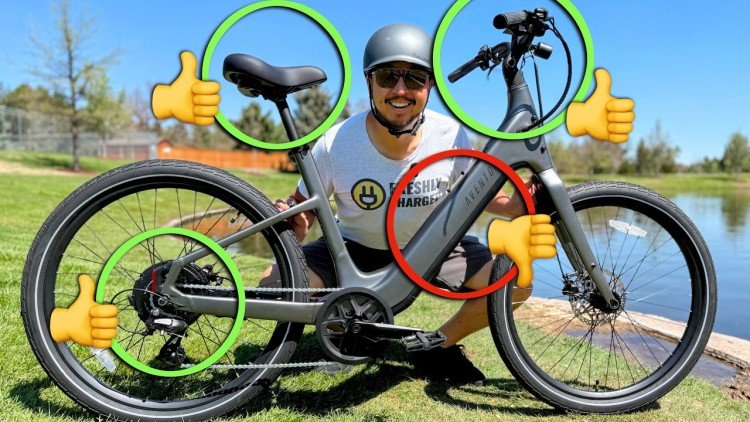
The Aventon Pace 5 is a comfort-first pavement cruiser that packs more technology than anything else in its class, and Andrew and Jimmy put it through a full field session to see if the hardware lives up to the spec sheet. The headline additions are a regen braking system uncommon at this price point and a serious security stack, both of which held up well in testing. The criticisms are short, and the biggest one has more to do with Aventon's own lineup than anything wrong with the bike itself.
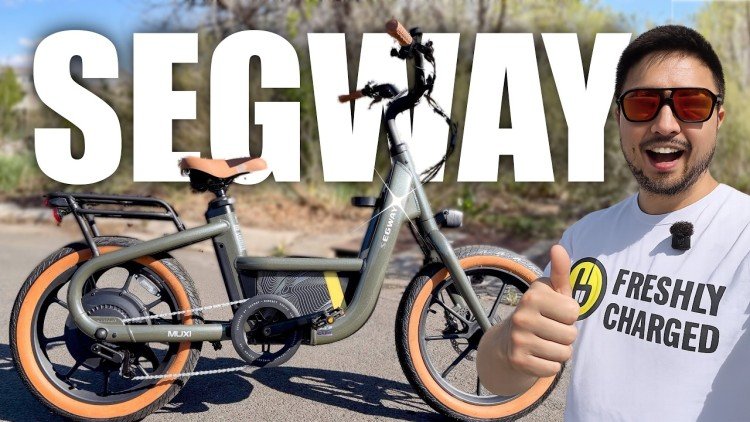
The Segway Muxi is a short-tail cargo eBike that combines genuine beach cruiser comfort with one of the deepest technology stacks the Freshly Charged team has encountered at this price point, covering everything from adaptive hill assist and regenerative braking to AirLock wireless security and rear radar collision warnings. Andrew put it through a full field session testing each of those systems in real conditions, and most of them hold up. There are legitimate criticisms, such as no fenders at $1,699, no front suspension, and a passenger kit that leaves your passenger with nothing to hold. None of these undercut the core case too severely, but they are thins to know before you buy. If you want a bike that has a quality build, is good looking, and has an impressive tech stack for commuters, the Muxi is available through the Segway dealer network.
-medium.jpg)
The Aventon Ramblas ADV packs RockShox suspension, a full SRAM drivetrain, Maxxis tires, and a near-silent 750W (peak) 100Nm mid-drive motor into a hardtail eMTB, and the trail performance backs up the spec sheet. It is a pedal-assist-only bike with no throttle option, no integrated security tracking, and tires that ship with tubes despite being tubeless-ready, but none of those criticisms change the core conclusion: for a first-time eMTB buyer or a weekend trail rider who also wants a capable commuter, this is a high quality bike at a reasonable price.
-medium.jpg)
After more than 100 ebikes tested, Andrew on the Freshly Charged team calls the Cannondale Flying V the most refined and agile ebike he has ridden. The full carbon fiber build, Gates carbon belt drive, Bosch mid-drive motor, and adaptive auto pedal assist combine into something that feels less like a powered commuter and more like a genuinely exceptional bicycle that happens to hit 28 mph. The criticisms are minor: a front light that needs more output, a rear light that does not double as a brake light, and no throttle option. At a premium price, the Flying V earns it.
-medium.jpg)
The Aventon Level 4 REC is one of the most complete commuter e-bikes the Freshly Charged team has tested at this price tier. A near-silent 750W hub motor, functional regen braking, app-based security with 4G GPS tracking, integrated brake lights, and a selectable torque/cadence sensor make for a spec sheet that most competitors cannot match point for point. The criticisms are minor: no auto-canceling turn signals, composite pedals over metal, and no included bell. For urban commuters who want a smart, quiet, and well-rounded daily rider, the REC should be on your list to check out.
-medium.jpg)
The Bonnell 775 MX is the rare machine that genuinely earns the "best of both worlds" label. It climbs like an eMoto, descends like a true downhill bike, and looks enough like a mountain bike that nobody on a shared trail gives it a second glance. That last point matters more than it used to, given how aggressively Surron style bikes are being pushed off public trails and out of communities. The 775 MX fills that void without asking you to compromise on fun, and with Bonnell already fielding bikes like the 805 and 902 that are winning races at venues like Glen Helen Raceway, it is increasingly clear this is not a one-hit brand. The 775 MX is a strong product from a company that looks like it is just getting started.