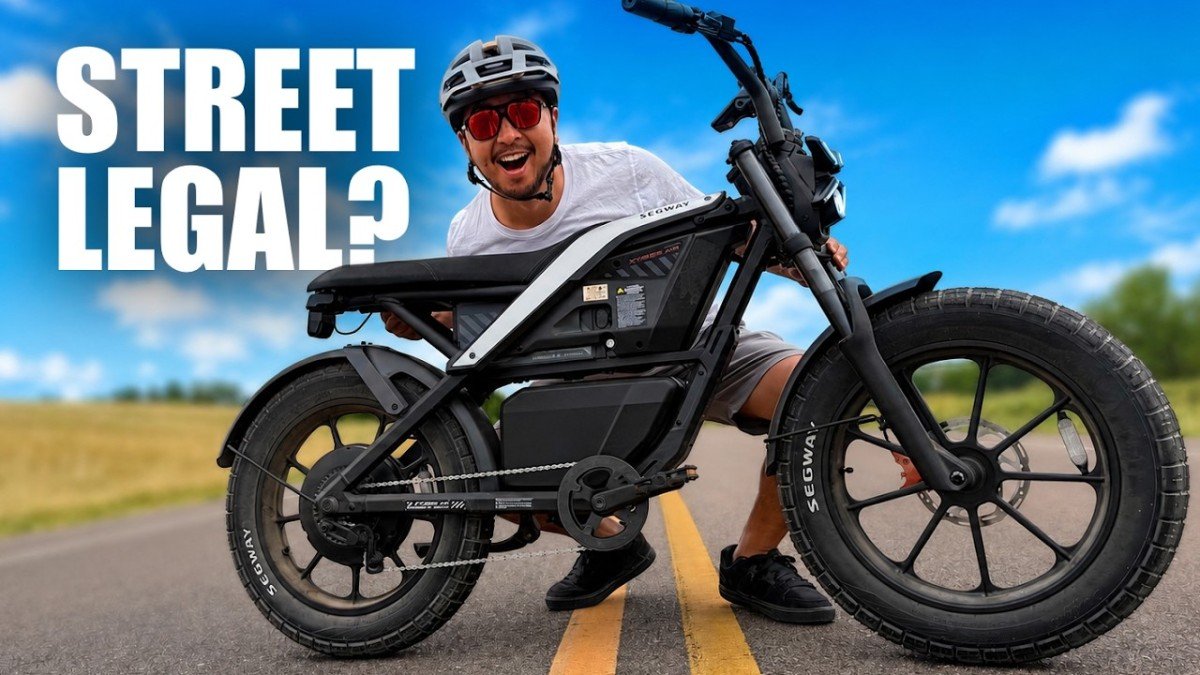
Segway's Xyber Air takes the aggressive e-moto styling of the original Xyber and makes it fully street legal, adding Class 1, 2, and 3 compliance without losing the performance edge that built the original a following. Andrew's full day of testing revealed clever engineering, from radar assisted safety alerts to hill descent and hill start assist, backed by a security suite that locks down both bike and battery if either gets stolen. Fit is the main catch: at $1,999, it's a strong value, but riders near the top of its 6 foot height range may find the pedal extension tight.



Written Review
Welcome back to Freshly Charged! Andrew spent a full day with Segway's newest release, the Xyber Air, running it through top speed pulls, a radar assisted ride in traffic, hill climbs, and a light off road session. In additions to these tests, a full walkthrough and specification breakdown show a bike that is loaded with clever engineering, though it will suit some riders far better than others.
- Current price of the Segway Xyber Air: https://alnk.to/8tTIMow
A Street Legal Evolution of the Xyber
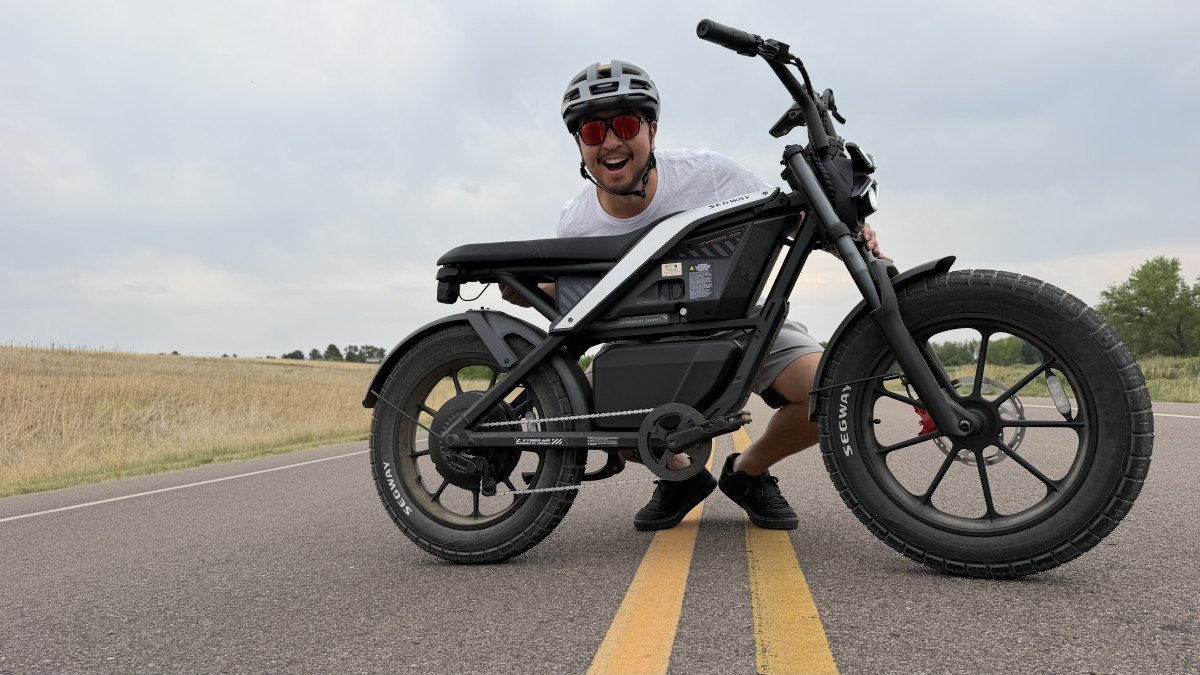
The Xyber Air solves a problem its predecessor never did: the Xyber was never street legal. Segway's fix channels the same aggressive moto styling into a lighter, Class 1, 2, and 3 compliant package, topping out at 20 mph in Class 1 and 2 and 28 mph in Class 3, plus a Hybrid Mode blending throttle and pedal assist. Andrew hit the bike's 28 mph ceiling almost immediately in testing, even while climbing a modest hill. For riders drawn to the e-moto look who also need to stay street legal, that's the whole pitch of this latest release. Anyone chasing more speed and unconcerned with legality can look to the original Xyber or otherwise.
Cockpit, Controls, and the Smart Stuff
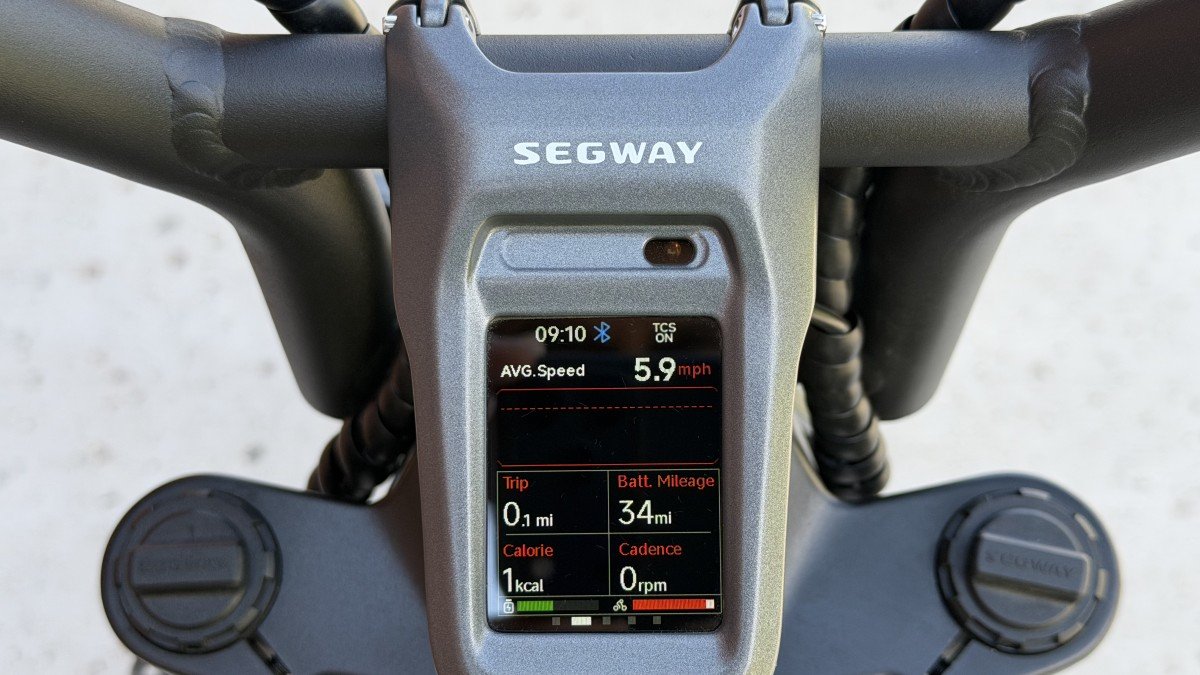
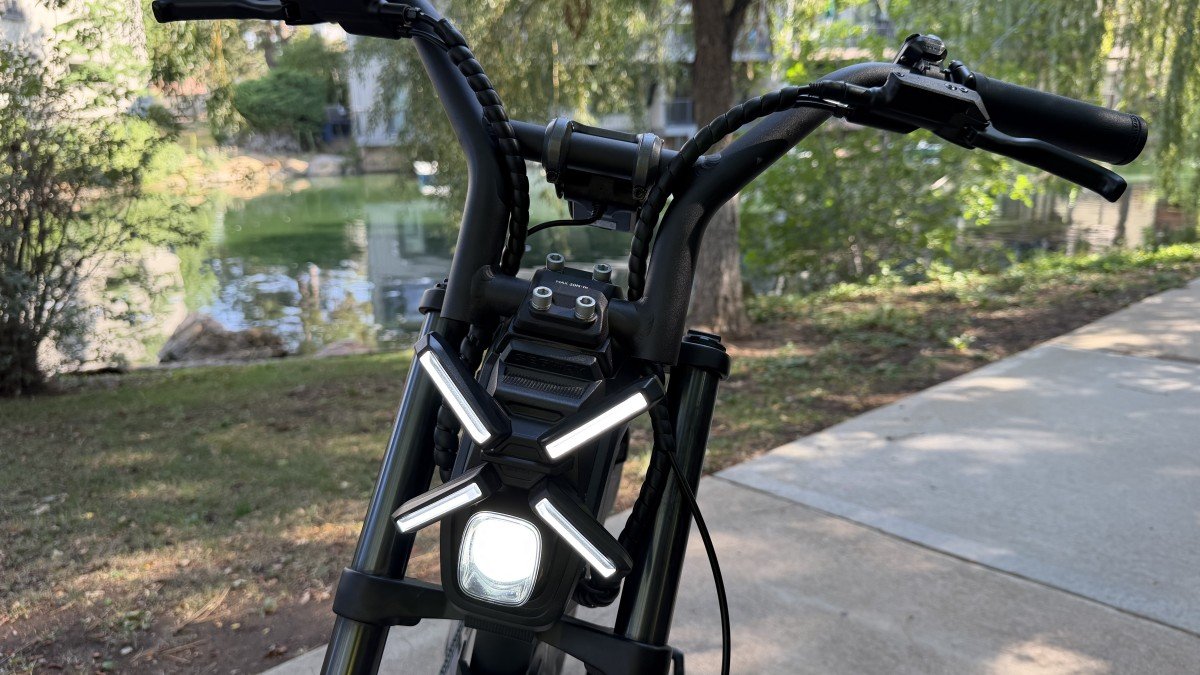
The centerpiece is a crisp TFT LCD display, easy to read in direct sunlight, handling navigation, music control, and mode switching between class configurations. Music runs through Bluetooth headphones only, since the loudspeaker is reserved for the horn and alerts. The left control module cycles pedal assist levels, the menu, and the horn using a joystick, a configuration Andrew hasn't seen on any other e-bike; while the right side keeps it simple with a half twist throttle and hydraulic brake levers.
The security features are real strengths, not just marketing noise. AirLock unlocks and arms the bike via phone proximity the moment you lift it off the kickstand, code lock offers a PIN backup, and the motor hub can be locked against theft while parked. GPS tracking, Apple Find My, and a lost mode round things out, disabling both bike and battery if either gets stolen. However, any prospective buyer should know that Segway's own materials note that AirLock, GPS tracking, and Lost Mode require a subscription after the first year, so factor that into long term ownership costs.
Then there's the radar, a $100 accessory shared across other Segway bikes that took Andrew under a minute to install. It lights a panel on the control module and sounds a warning when a vehicle closes faster than your pace and gets within roughly 10 to 15 feet behind you, and it caught an overtaking car as expected in live traffic. Occasional phantom alerts with nothing behind him suggest a firmware quirk Segway hasn't fully ironed out, and it's telling that radar doesn't appear anywhere in Segway's official launch materials either. After a bit more development, this could become a great safety addition for commuters and street riders.
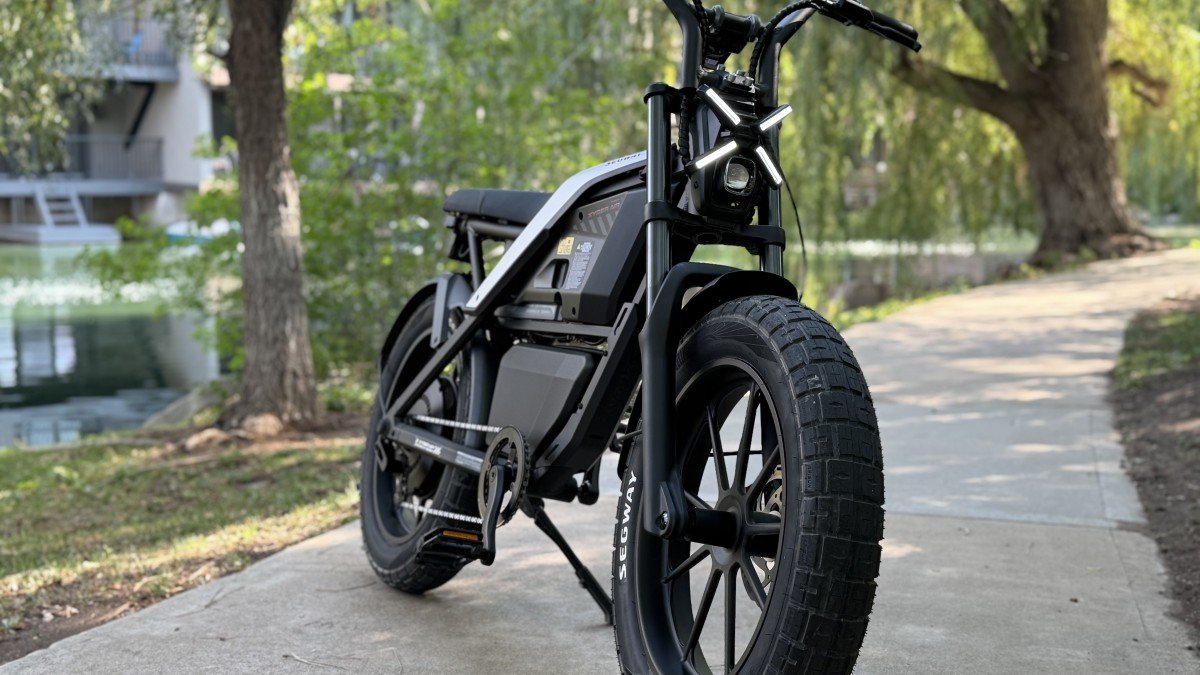
On the Road
Pedaling feels solid and resistant up to roughly the mid-teens, somewhere around 14 to 16 mph in Andrew's testing, and turns noticeably lighter above that as the motor takes over, an effect commonly called ghost pedaling. Hybrid mode caps throttle at 20 mph while pedal assist continues toward the bike's full 28 mph ceiling, and Andrew's main gripe with the ride itself is wanting more throttle without needing to pedal to close the gap.
Aside from the ghost pedaling, two features stood out. Hill descent control applies a steady electric brake going downhill so the bike coasts at a controlled pace instead of accelerating on its own, and hill start assist does the opposite: hold the brake for three seconds on an incline and the motor resists rolling backward until you touch the throttle again, which is handy for restarting on steep grades.
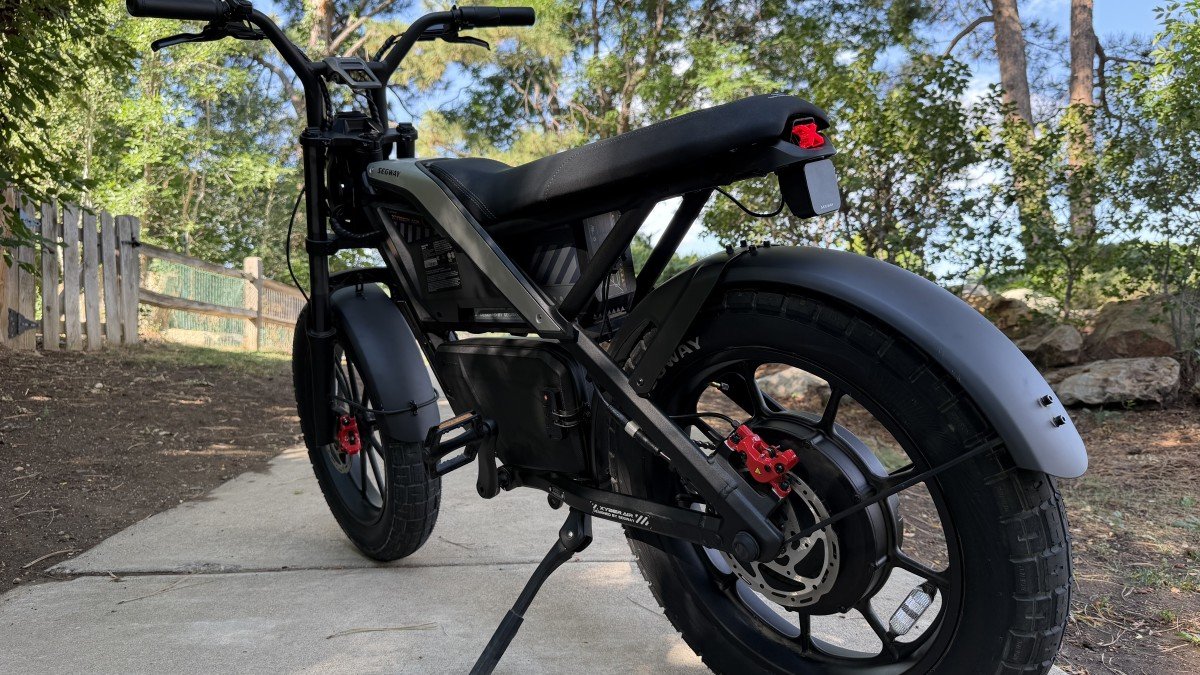
Fit is where the Xyber Air will lose some riders. Segway rates the bike for riders from 4 feet 8 inches to 6 feet, and Andrew, sitting right at that ceiling, still couldn't get correct pedal extension and compared the riding position to a clown bike. Pedals set forward of the seat still let riders sitting toward the back of the saddle get leg drive in, but taller riders should test ride first or consider the original Xyber instead.
Off road, the news is better than expected. On a light trail with jumps mixed in, the soft compound 20 by 4 inch Arisun tires gripped well, handling better than Andrew anticipated for a street legal commuter. He wouldn't take it onto technical singletrack, but it holds up well enough.
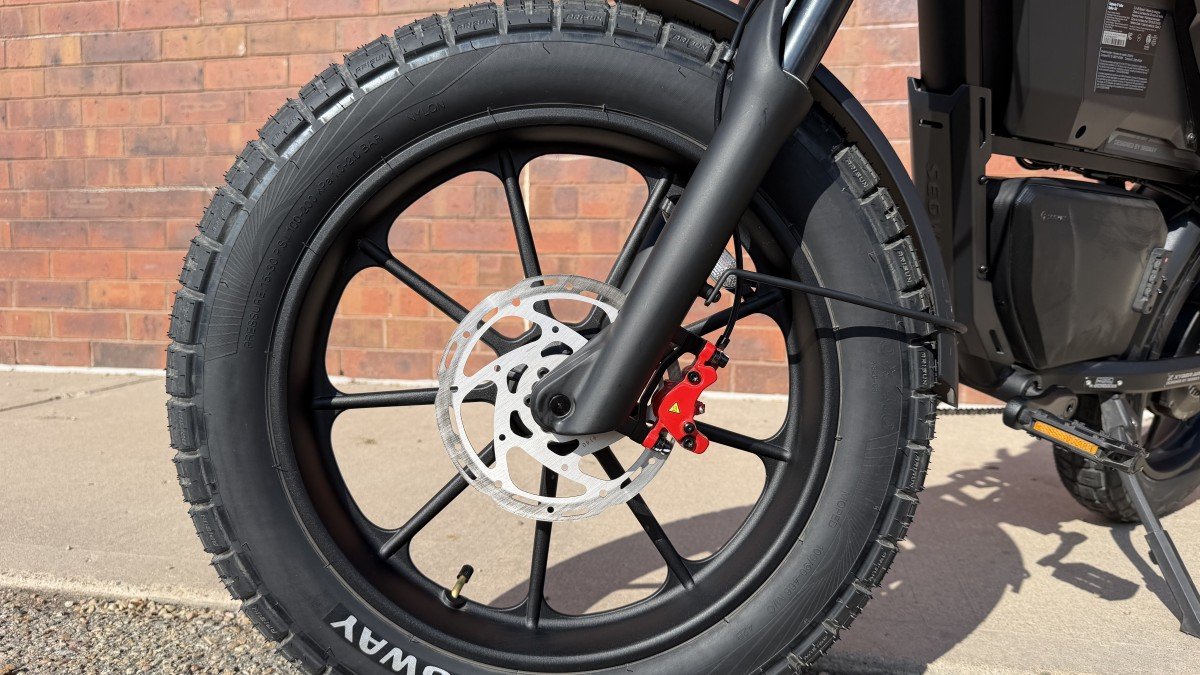
Under the Hood
The Xyber Air runs a 750 watt motor and single speed drivetrain, with a battery rated at 717 Wh, good for up to 58 miles of range. Both bike and battery are UL 2271 and 2849 certified, and the 3.9 amp charger brings it from empty to full in about 7 hours per Segway's spec, longer than the roughly 4 hours Andrew estimated on camera.
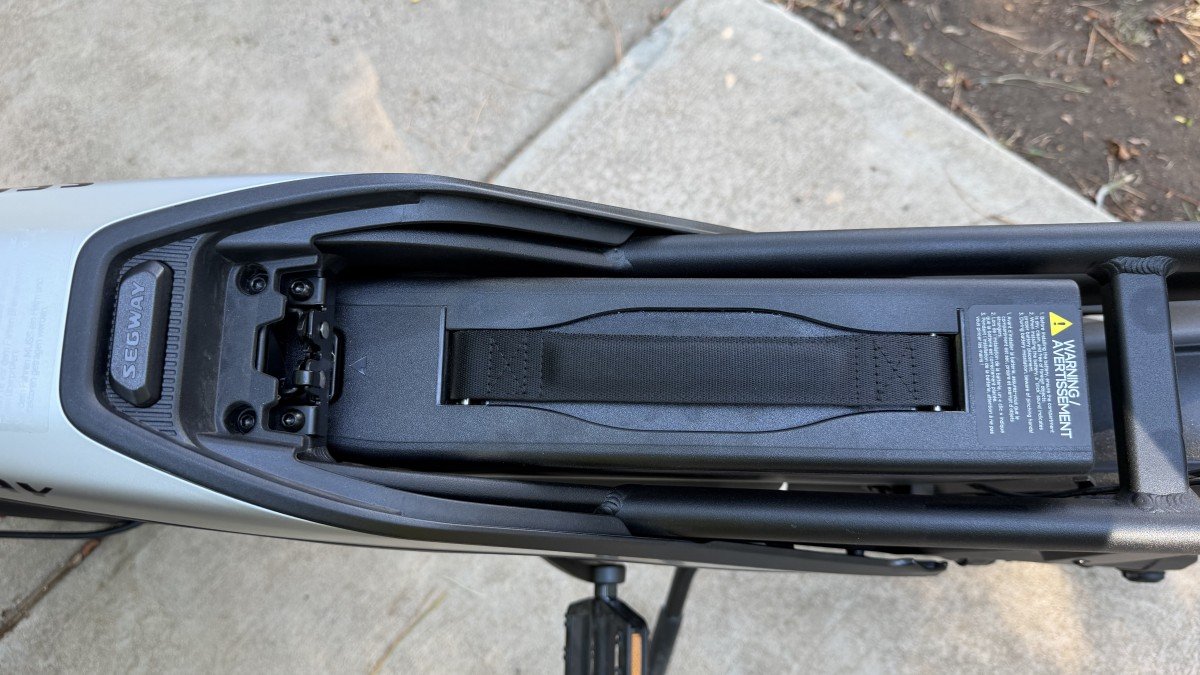
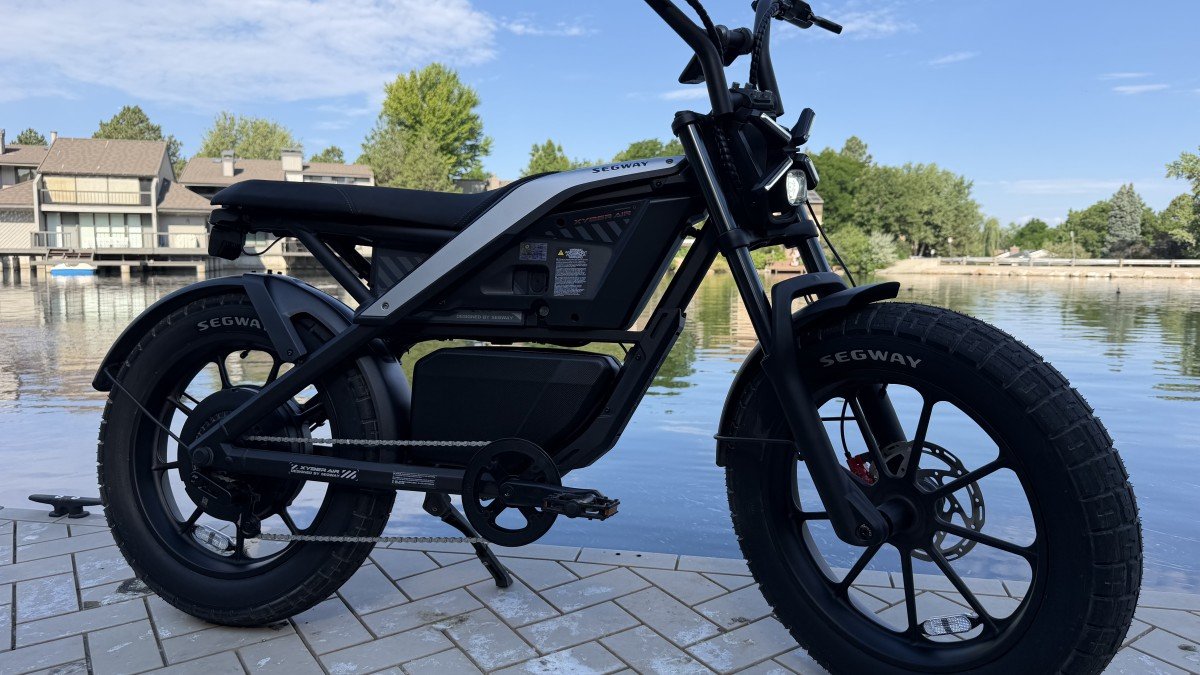
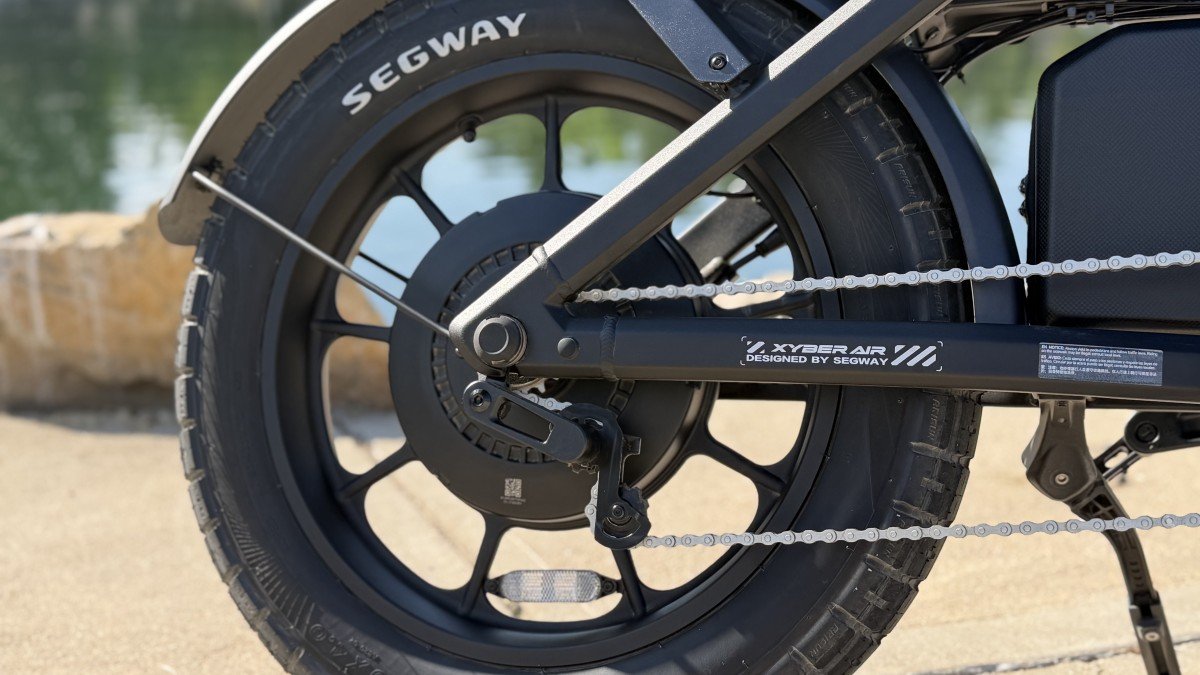
Suspension is an 80 mm travel dual crown fork up front, with no rear suspension since the bike is a hardtail, and stopping power comes from 180 mm rotors with two piston hydraulic brakes front and rear. Despite alloy rims, Andrew clocked the bike at a light 84 lb, where competitors often run closer to 90 to 100 lb or more. Weather resistance is IPX5 for the bike and IPX7 for the battery and display. Rounding out the electronics: KERS regenerative braking, traction control, and gyroscopic self balancing tech that adds power on inclines to compensate for having only one gear.
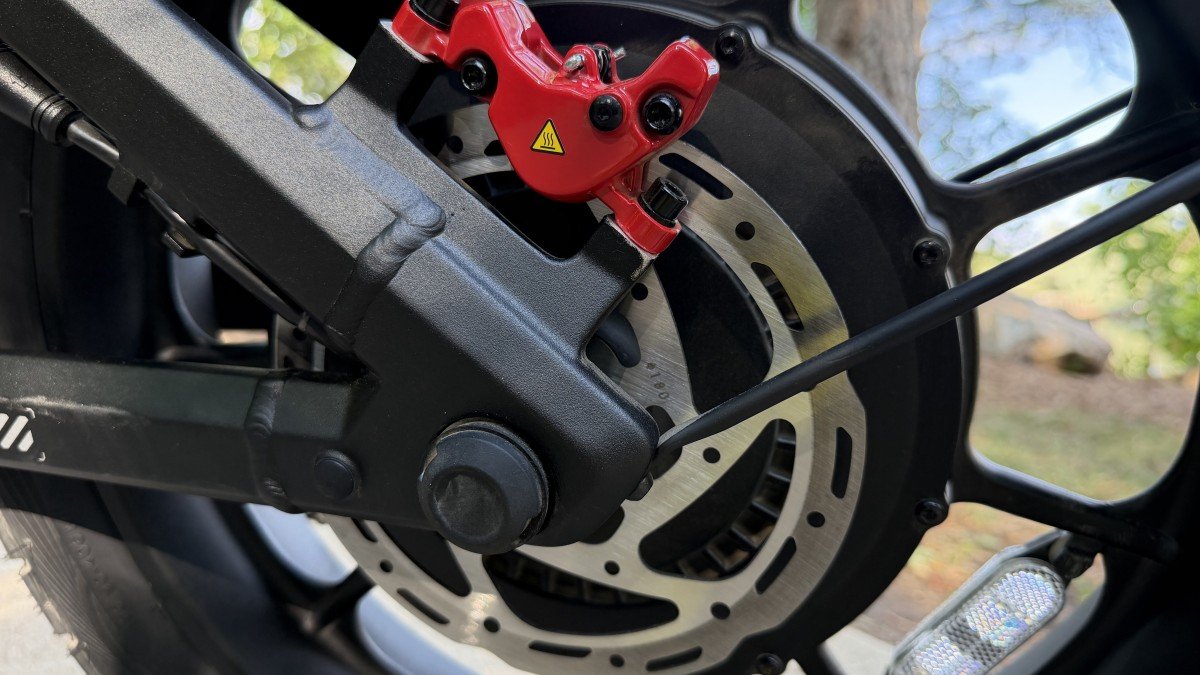
Where the Xyber Air Comes Up Short
None of Andrew's critiques are dealbreakers alone, but the list adds up. The single speed drivetrain means no way to add pedaling resistance the way a derailleur bike would, feeding his wish for a higher throttle ceiling. The front fork has no preload adjustment or lockout, and the lack of rear suspension lets the hardtail bounce on rough pavement. The seat is acceptable but not plush, and the rear rack, a $79.99 accessory, carries only 22 lb. However, the most surprising thing from such a tech forward brand was no turn signals — especially for something that is heavily marketed as street legal — and a loudspeaker that can't play music. Navigation doesn't always find the most efficient route, since it isn't built on Google Maps' trail data. Lastly, metal fenders, arguably table stakes on a moped styled e-bike, are a $79.99 add on rather than standard.
Price, Accessories, and Availability
Segway released the Xyber Air for $1,999.99, and it can be purchased through the Segway store, official dealers, and SCHEELS nationwide. Buying through a dealer or SCHEELS still means the bike arrives fully assembled and torqued to spec, with professional service on tap afterward. Add-on accessories such as the fenders and rear rack are each $79.99, and the hardshell storage bag runs $99.99. The radar module Andrew tested, priced around $100, isn't part of Segway's official accessory lineup for this bike, and it may be worth waiting to get until it's more confidence-inspiring.
- Current price of the Segway Xyber Air: https://alnk.to/8tTIMow
The Freshly Charged Verdict
The clearest audience is riders who want e-moto inspiration without giving up street legality. Parents in heavily regulated areas whose kids are begging for an e-moto have a middle ground option here, since the Xyber Air configures as a class 1, 2, or 3 e-bike. Riders chasing more speed, or anyone near the top of its 6 foot height range wanting proper pedal extension, should look at the original Xyber or elsewhere. For everyone in between, the Xyber Air packs more impressively useful tech into an e-moped format than anything else on the market right now.
Electric Bike Comparison Tool
Use our Freshly Charged Electric Bike Comparison Tool to evaluate this product alongside other options. Compare and organize bikes by factors such as price, cargo capacity, motor watts, and more.
Related Reviews

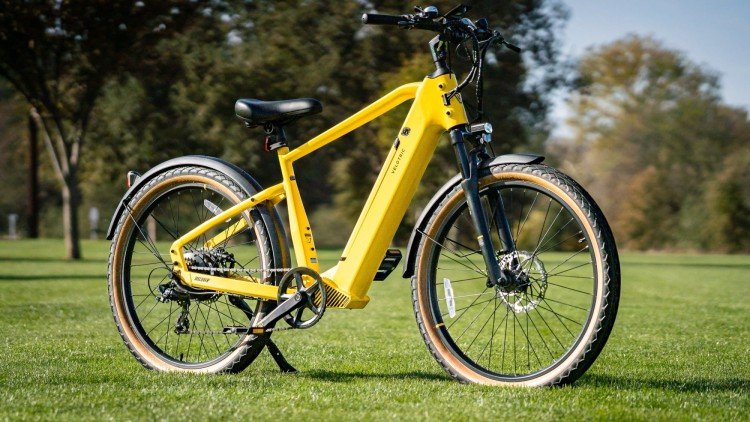
The Velotric Tempo is one of the most unique lightweight city ebikes we’ve tested, combining an experience that feels natural with smart features such as Pulse Mode heart-rate training. In this review, we test the ride, tech, and real-world performance to see if this is the best lightweight commuter ebike you can buy right now.

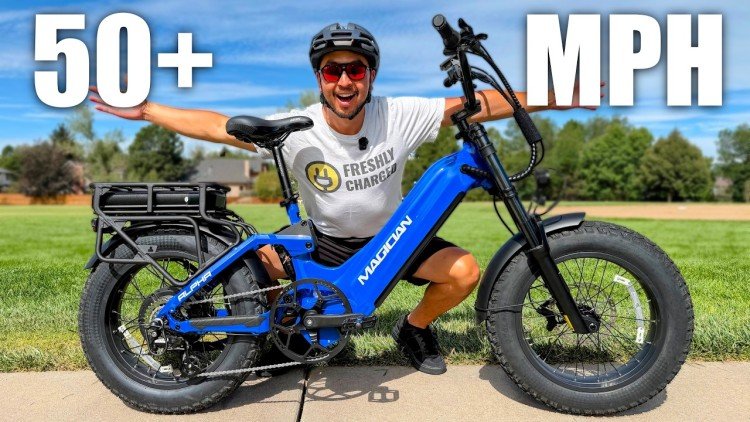
The Magician Alpha Mini is a compact 72V fat tire e-bike that hits real-world speeds over 50 mph while staying surprisingly quiet, the kind of sleeper build that doesn't scream for attention the way a Sur-Ron does. Andrew's testing turned up genuinely impressive torque on steep climbs, a smooth dual-battery system, and thoughtful touches like quick-release tire changes and reinforced rear spokes, though missing turn signals and a horn as standard equipment feel like a disappointing omission at this speed and price. It is a strong pick for riders who want real power performance without the loud, look-at-me presence of other bikes in this class.
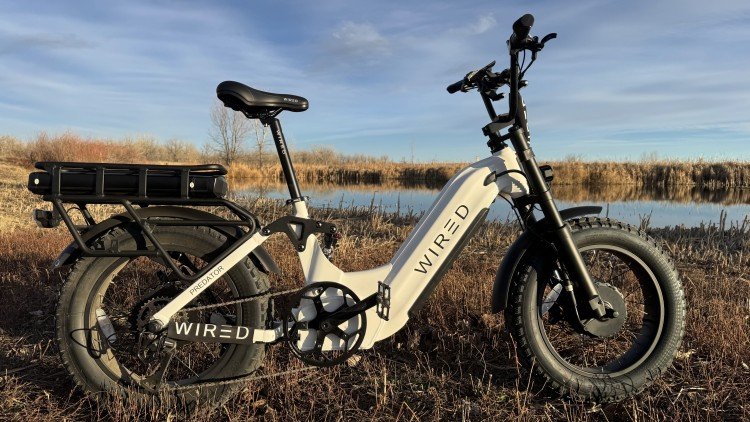
The Wired Viper is an exceptionally high-performance 20x4 fat tire eBike that blurs the line between a traditional bicycle and an electric motorcycle. Featuring massive 72V 35Ah batteries and a dual-motor system capable of an 8,000W peak output, this "compact monster" can reach speeds of over 55 mph with acceleration so aggressive it can easily trigger wheelies. Despite its raw power, the bike offers a premium and stable ride thanks to high-end components like an Exsho Cowboy dual crown fork, 4-piston hydraulic brakes, and a highly customizable display that allows riders to tame the motor behavior. While it is likely too heavy and "unhinged" for beginners or casual commuters, the Viper stands out as a top-tier choice for adrenaline seekers who want maximum torque and long-range performance in a smaller, step-through frame.
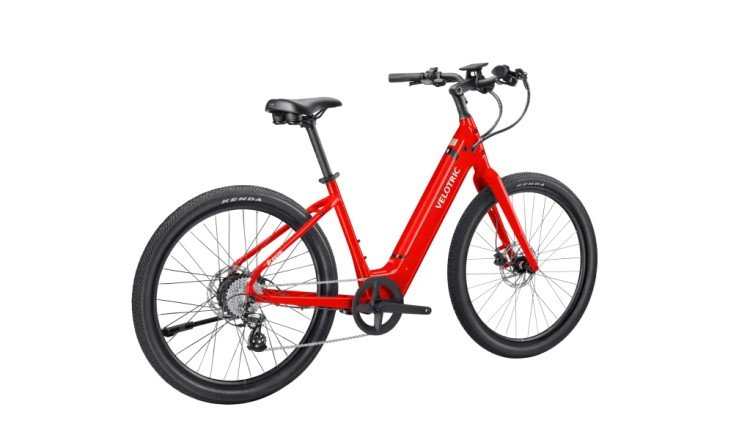
The Velotric Breeze 1 blends commuter speed with cruiser comfort, offering a lightweight, tech-rich e-bike at 48 lbs and up to 28 mph. With a powerful 750W motor, torque/cadence sensor, color display, and Apple FindMy tracking, it delivers performance and value. Downsides include no included rack/fenders and a fully rigid frame, but overall it’s a standout urban option.

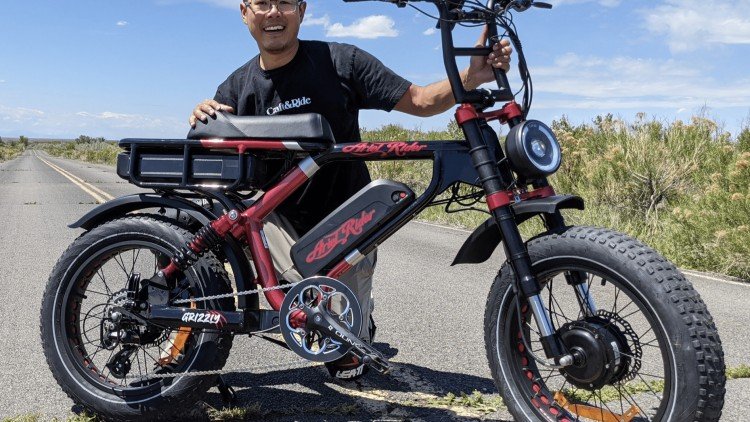
The Ariel Rider Grizzly is a powerhouse dual-motor eBike, perfect for those looking to replace a moped or motorcycle. With speeds up to 36 mph, adjustable suspension, dual batteries, and durable fat tires, it’s built for fun and commuting. While heavy and not ideal for advanced trails, it excels in style, comfort, and thrilling performance.
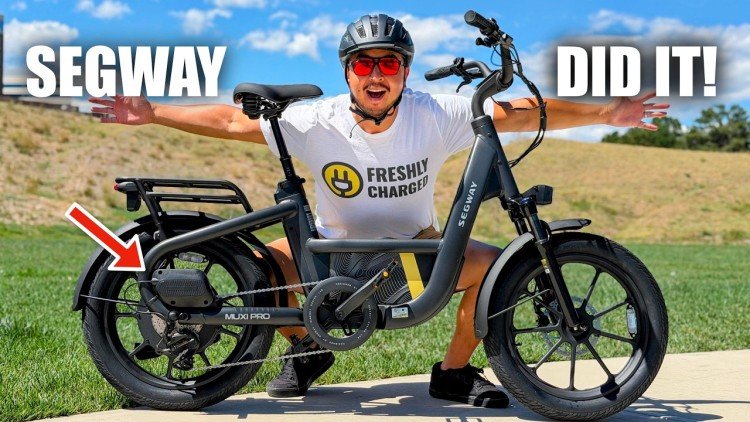
The Segway MUXI Pro is here, built to answer the three biggest complaints we surfaced in our original MUXI review. Upgrades include front suspension with 70mm wheel travel, a 9-speed electronic drivetrain that finally delivers on Class 3 speeds (up to 28 mph), and integrated turn signals. Jimmy and Andrew's testing confirmed the upgrades hold up in practice, and are happy to report the bike kept the security tech that made the original stand out; including AirLock proximity unlocking, GPS tracking, and Lost Mode. At $1,999.99 through local dealers only, the MUXI is a unique tech loaded cargo commuter that will make the right rider happy.
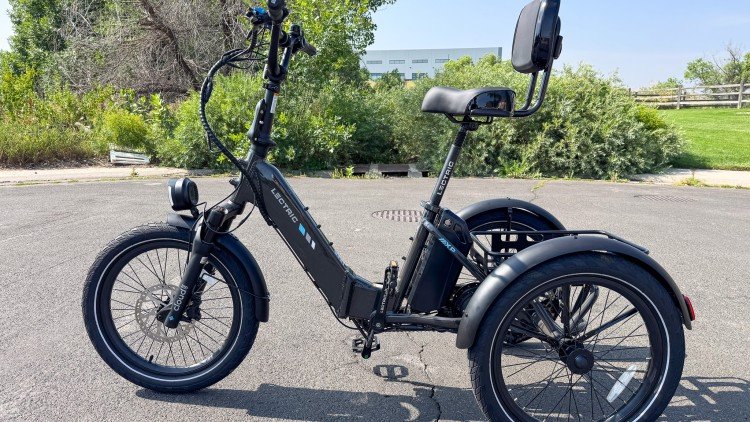
The Lectric XP Trike 2 is a stable, comfort-focused electric trike designed for riders seeking a safe, practical, and confident ride. Ideal for older adults, those with balance concerns, or anyone desiring three-wheel stability, it features a powerful motor, long range, hydraulic brakes, and easy adjustability—making it a standout option under $2,000.

No comments yet…