



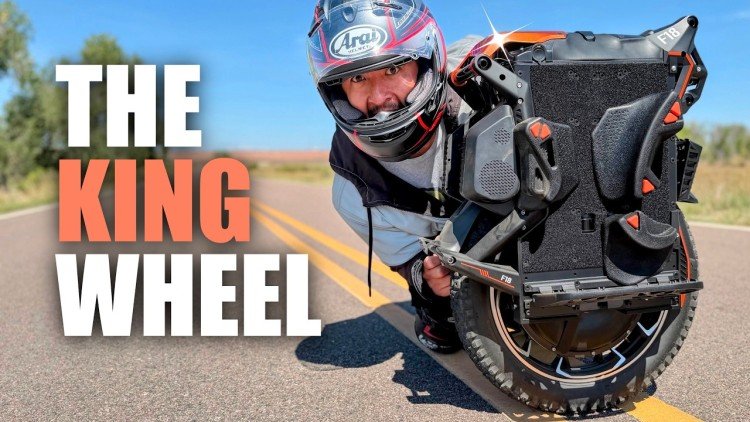
After years of rocky launches, KingSong has built an electric unicycle that can finally trade punches with Begode, LeaperKim, and InMotion. The F18 pairs a 5,000W (nominal) motor and a 2,664Wh Samsung 50S pack with 100mm of toolless, adjustable quad suspension, and it stopped from 20 mph in just 12 feet in the team's first official EUC brake test. Jimmy and Andrew loved the carving, speakers, and app, but they also hit snags with restrictive stock pads, a loose trolley handle, and exposed lighting, so we break down who should buy it and whether KingSong has earned its crown back.
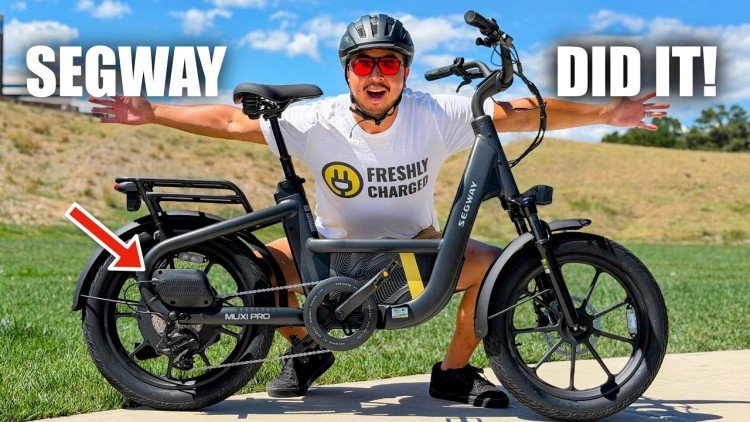
The Segway MUXI Pro is here, built to answer the three biggest complaints we surfaced in our original MUXI review. Upgrades include front suspension with 70mm wheel travel, a 9-speed electronic drivetrain that finally delivers on Class 3 speeds (up to 28 mph), and integrated turn signals. Jimmy and Andrew's testing confirmed the upgrades hold up in practice, and are happy to report the bike kept the security tech that made the original stand out; including AirLock proximity unlocking, GPS tracking, and Lost Mode. At $1,999.99 through local dealers only, the MUXI is a unique tech loaded cargo commuter that will make the right rider happy.

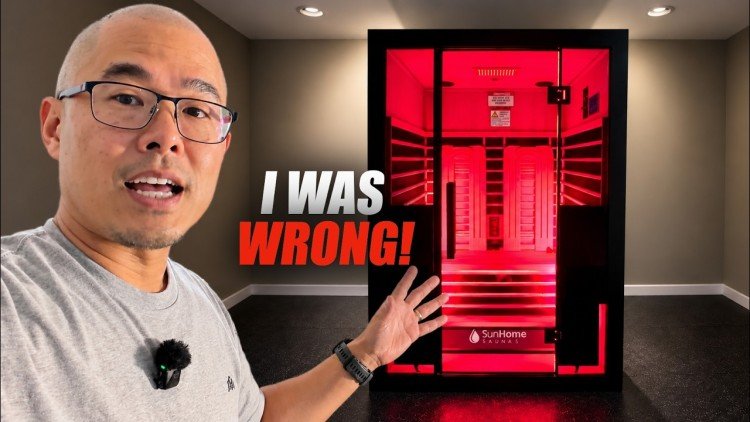
Jimmy already owns a traditional outdoor sauna that nears temperatures of 200°F, which made him a more skeptical than most. This review covers his months of real ownership experience with the Sun Home Saunas Eclipse, including independent temperature and EMF testing he ran himself, a direct comparison against his existing traditional sauna, and an candid breakdown of what the red light therapy integration actually delivers versus what the marketing around it claims. The verdict is conditional: at $10,000, the Eclipse makes sense for a specific buyer, and Jimmy explains exactly who that is.
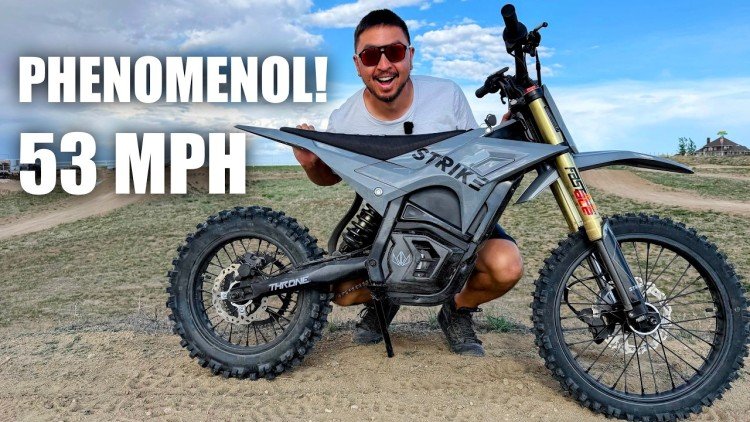
The Strike Shadow 72V, also sold as the SV2, is a 7,000 watt electric pit bike that guest riders Hunter and Gunner Gobbo say rides just like a real CRF150 dirt bike, right down to the cornering grip and wheelie technique. Andrew's testing turned up genuinely premium components for the class, including Fast Ace suspension that outclasses the budget units found on cheaper competitors, though he flagged real safety concerns around unsupported foot pegs and a seat that gets uncomfortable after about half an hour. It is currently priced at around $2,899 and built strictly for off road and closed course riding.

-medium.jpg)
The GhostCat Saber S1 breaks the power performance e-bike mold by weighing just 105 lb, roughly half what most bikes in this 44+ mph category weigh, thanks to a single large center-mounted battery instead of a split front-and-rear setup. Andrew and Jimmy's joint testing found a bike that's pleasantly stable at speed, still gives real pedal resistance up to 44 mph, and stops in just 14 feet from 20 mph, with a torque sensor sensitive enough to pull away from a stop in seventh gear. Missing turn signals and a proper horn are the standout gaps at this price and speed, but GhostCat's local dealer network, a rarity in this category, adds real peace of mind at the price point.
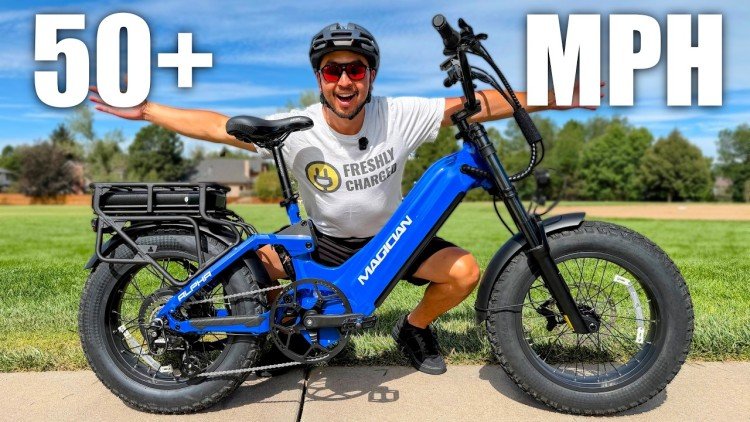
The Magician Alpha Mini is a compact 72V fat tire e-bike that hits real-world speeds over 50 mph while staying surprisingly quiet, the kind of sleeper build that doesn't scream for attention the way a Sur-Ron does. Andrew's testing turned up genuinely impressive torque on steep climbs, a smooth dual-battery system, and thoughtful touches like quick-release tire changes and reinforced rear spokes, though missing turn signals and a horn as standard equipment feel like a disappointing omission at this speed and price. It is a strong pick for riders who want real power performance without the loud, look-at-me presence of other bikes in this class.

What makes an electric bike "affordable"? The answer this question will differ from person to person, and where you live is a big determining factor. Dropping a couple thousand bucks on an e-bike makes a lot more financial sense in a city with good cycling infrastructure, where it can become your primary transportation and quickly pay for itself. If you live somewhere with poor cycling infrastructure or "way out in the boonies", then your e-bike may be more of a hobby purchase and the price tag suddenly seems a lot heftier.
For our purposes, we've set our "affordable" threshold at $2,000 USD; if it costs less than that, it's in!
E-bikes in this category provide a good price-to-value ratio, offering good performance while skipping some of the fancy bells and whistles that more premium (and expensive) alternatives offer. While it can be tempting to look for the cheapest e-bike possible, we actually advise against this! A good rule of thumb to follow, at least in the US, is that an e-bike will cost at least $1,200 if it's a product of worthwhile quality.
Yes, there are exceptions, and even in this day and age you can still find electric bikes for less than $1,000 USD, but these brands tend to compromise too much on quality and offer little or no post-purchase support. The lower the price, the more caution you should exercise as a buyer! Research online, read consumer reviews, and (of course) read our expert opinions here to get the Freshly Charged take.
Most e-bikes aren't built with a bigger rider in mind. Spec sheets across the mainstream market tend to cap out around 250 to 275 lbs of total payload, rider included, and that number isn't just conservative marketing. Frames, spokes, and motors are genuinely engineered around it. Push past it and the effects show up gradually: more flex in the frame, faster brake pad wear, spokes and rims under more stress than they were designed for.
This category is for the e-bikes built with real headroom above that. 300 lbs of rated capacity is where the market itself tends to draw the line between "standard" and "heavy-duty," and the bikes that clear it usually get there through actual engineering changes, not just an optimistic number on a spec sheet: reinforced frames, thicker spokes, stronger rims, and often a beefier motor to keep performance from sagging under the extra weight.
Worth being honest about what that 300 lb figure actually means, too. It's total payload capacity, not just rider weight. A 260 lb rider with a backpack, a lock, and a rack full of groceries can eat through the margin faster than expected, so if you're riding right at the edge, it's worth looking for a bike with more cushion above your actual weight rather than one that's rated exactly for it.
Watts get most of the attention on a spec sheet, but torque is the number that actually decides how a hill feels. It's the twisting force the motor delivers to the wheel, and it's what determines whether a climb feels effortless or like the bike is straining against its own limits. A flat-terrain city bike gets by fine on 35 to 50 Nm. Add a real hill to the commute and that same bike starts to labor, which is exactly the gap this category is built to close.
60 Nm is where hill-capable torque starts, and it's a threshold that shows up again and again across the market once you're comparing bikes built for grades rather than flat pavement. Below it, climbs tend to sap speed and drain the battery faster as the motor strains to compensate. Above it, a bike can hold pace up an incline without leaning on max assist the entire way, which matters for anyone riding the same hilly route twice a day.
Before the chase the highest number available, know that more torque isn't free. Past roughly 100 Nm, returns start to diminish. Batteries drain faster, wheels are more prone to spinning on loose or wet pavement, and a motor built for aggressive mountain-bike climbing is often more power than a daily commute actually calls for. For someone riding hills on the way to work rather than tackling technical singletrack, a bike in the 60 to 90 Nm range typically hits the mark without the excess.
-medium.jpg)
A full-suspension e-bike pairs a front suspension fork with a rear shock and pivot linkage, so both wheels can move independently to absorb impacts instead of just the front. That's the key difference from a hardtail, which handles the front bump but sends everything from the rear wheel straight into the frame and the rider.
Presence of full suspension shows up most on rough terrain. With the rear wheel able to track the ground over roots, rocks, and loose surfaces instead of skipping over them, you get real traction gains on technical climbs and descents, plus a noticeably smoother, less fatiguing ride on anything that isn't pavement. It's not just a trail-riding perk, either: the same rear shock that soaks up a rock garden also takes the edge off potholes and cracked pavement on a daily commute, which is why full suspension has found its way onto plenty of bikes that never see a mountain.
The concessions are that full-suspension bikes typically run a few pounds heavier than a comparable hardtail, cost more upfront, and need periodic servicing on the shock and pivot bearings that a hardtail simply doesn't have. On smooth pavement or a long climb, some of that rear suspension energy gets absorbed into the shock instead of pushing you forward, an effect riders call pedal bob, so a hardtail (or no suspension at all) stays the more efficient choice for flat, paved commuting. If your riding regularly leaves pavement, though, that efficiency loss is a small price for the extra control.
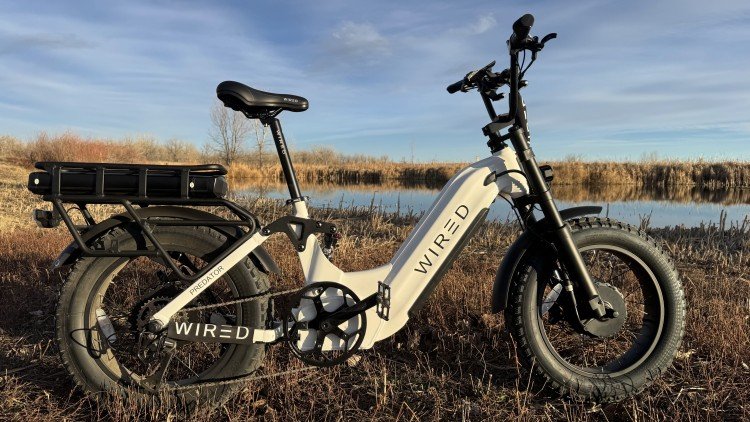
Most e-bikes advertise somewhere between 20 and 60 miles of range, which covers the average commute with room to spare but not much beyond it. This category is for the bikes built to go further: a 60-mile advertised range is where the market itself starts drawing the line between "standard" and "long range," and everything here clears that bar, some by a wide margin, with the biggest dual-battery setups pushing well past 100.
Getting there almost always comes down to one thing: a bigger battery. More watt-hours means more range, but it also means more weight on the frame and a higher price tag, so long-range bikes tend to run heavier and cost more than a standard commuter with a smaller pack. For a lot of riders that tradeoff is worth it: fewer mid-week charges, more room for an unplanned detour, and enough buffer that hills, cold weather, or a heavier rider don't turn a comfortable range into an anxious one.
That said, be aware that advertised range is almost always tested under close-to-ideal conditions, flat roads, the lowest assist setting, a lighter rider. Real-world range typically comes in 20 to 50 percent below the advertised figure once you factor in hills, wind, cargo, and a normal mix of assist levels. A bike advertised at 80 miles might realistically deliver 45 to 65 in everyday riding. That doesn't make the number meaningless, it's still the best way to compare bikes against each other, just treat it as a ceiling rather than a guarantee.
A fat tire electric bike is an e-bike equipped with oversized tires—typically 3.8 inches or wider—designed to provide extra stability, traction, and comfort across a wide range of terrain. The combination of powerful electric assist and wide tires allows riders to easily navigate sand, snow, gravel, or rough trails where standard bikes might struggle. These bikes are known for their confidence-inspiring ride, plush feel, and go-anywhere versatility, making them a favorite among adventure seekers, commuters in all-weather conditions, and riders who simply want a smooth, stable ride.

A seatpost can only do so much. Plenty of e-bikes ship in a single frame and lean on seat height adjustment to call themselves "one-size-fits-most," which works fine if you're within a few inches of average height and falls apart fast if you're not. The bikes in this category take a different approach: multiple frame sizes, not just an adjustable seat on one fixed geometry.
What actually changes between sizes is more than seat height. Top tube length, reach to the handlebars, and standover height all scale with the frame, which is what determines whether you're stretched out too far or cramped up too close, and whether you can plant your feet flat and confidently at a stop. That last part matters more on an e-bike than a regular bicycle, since the added weight of the motor and battery makes an unstable dismount a bigger deal than it would be on an analog bike.
There's a cost to offering this, and it usually shows up somewhere in the price or the lineup. Building and stocking two or three frame sizes is more expensive than building one, which is part of why so many budget and folding e-bikes skip it entirely. It also shifts some responsibility onto the buyer: sizing charts aren't standardized across brands, so a "medium" from one manufacturer won't necessarily match a "medium" from another, meaning it's worth actually checking your height and inseam against the specific bike's chart rather than assuming the label translates directly.
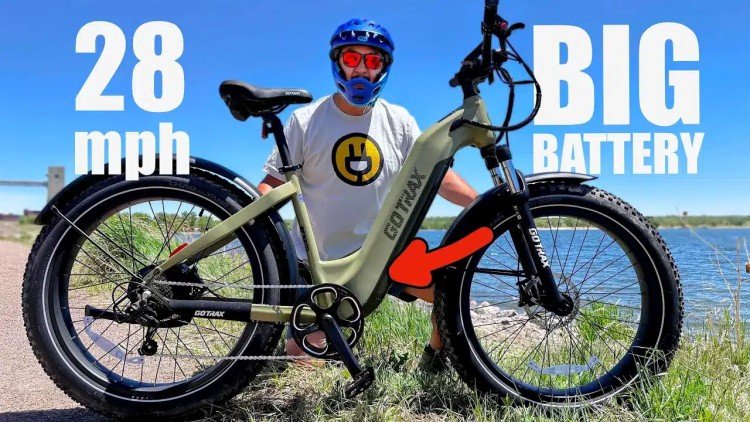
Two e-bikes can carry identical motor specs and still ride nothing alike, and the sensor behind the pedal assist is usually why. A cadence sensor works on a simple threshold: once the crank turns roughly a quarter rotation, the motor delivers whatever power the assist level is set to, whether you're barely tapping the pedals or standing on them. A torque sensor skips the threshold entirely and reads actual pedaling force instead, scaling the motor's help up and down in step with how hard you're pushing, moment to moment.
That distinction is the whole reason torque sensors have a following of their own. Riders who want the bike to feel like an extension of their own legs, rather than a separate motor cutting in and out, consistently describe torque-based assist as smoother and more predictable, especially through stop-and-go traffic, tight turns, or a climb where fine control matters. It tends to be kinder to the battery too, since the motor isn't spending power at a flat rate regardless of what's actually needed; it's only working as hard as your legs are.
None of that makes torque an automatic upgrade for everyone. The added electronics mean more components, occasional calibration, and a real cost bump over a cadence-based bike. It also demands actual effort. There's no "ghost pedaling" your way to full power the way you can with a cadence sensor, so a rider who wants the motor to do most of the work, or who has limited strength or mobility, may genuinely prefer cadence's flatter, lower-effort assist. Torque sensors are for riders who want the bike to feel like a bicycle first and a motor second.
E-bike access rules are not one national standard right now, they're a patchwork that changes by state, by city, and often by the individual trail or park you're riding. A bike that's legal on the road might be banned on a nearby mountain bike trail. A trail that welcomed Class 1 e-bikes last year might still be closed to Class 2 and Class 3 this year. Multi-class configurable bikes exist to handle exactly that mess: one physical bike that can be genuinely switched between Class 1 (pedal assist only, capped at 20 mph), Class 2 (throttle-enabled, capped at 20 mph), and Class 3 (pedal assist to 28 mph, no throttle), rather than being locked into whichever class it shipped in.
That flexibility has gotten more useful, not less, as access rules keep splitting apart by class. Some of the newest trail expansions are Class 1 only, some state parks limit paved paths to Class 1 and Class 2 while excluding Class 3 entirely, and national parks generally don't recognize Class 2 or Class 3 as e-bikes at all. A rider who wants to hit a Class-1-only trail on Saturday and use full Class 3 assist for a Monday commute doesn't need two bikes if the one they own can legitimately do both.
At the end of the day, there is some scrutiny to discuss. Regulators have started paying closer attention to bikes marketed around "unlocking" extra speed rather than genuinely switching between compliant class settings, and at least one state has written that distinction directly into a 2026 law update. The honest use case here is accurate reconfiguration, dialing the bike down to match a trail's posted class requirement or up to a road's legal ceiling, not a workaround for exceeding limits altogether. Some trail systems also expect a bike's current class to match its factory documentation or label, so if you're riding a configurable bike, it's worth actually setting it correctly for wherever you're headed, not just leaving it maxed out by default.
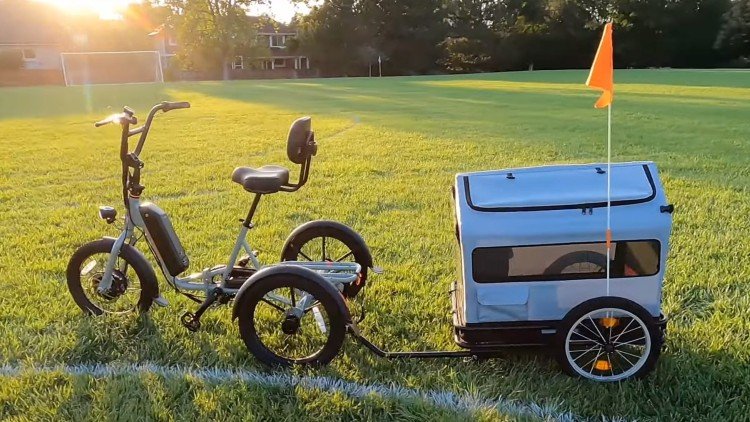
If you're new to electric bikes, you may have noticed that most of them are marketed with a Class designation. If you're wondering "what the heck is that?", wonder no more! Electric bike classes a way to define the power and capabilities of e-bikes. It's important to note that while classes are based on legal definitions and restrictions, these laws are not universal! They vary significantly from country to country, and within smaller regions (such as US states, or even cities) laws often vary widely.
What Class 2 (usually) means for Electric Bikes in the US and Canada:
- Top speed of 20mph (32kph)
- Motor power of 750 watts or less (this is nominal wattage, not peak)
- Motor power can be activated by pedal assist, and/or by throttle
What Class 2 (usually) means for Electric Bikes in Europe:
Who knows? 🤷 Seriously though, this is a matter of much debate in Europe and rules and availability vary widely from place to place. For most European countries, an e-bike must be limited to 250 watts or less and have a top speed of 25kph (15.5mph), with pedal assist only - that's right, no throttles! If an e-bike is more powerful than that, and especially if it has a throttle, it would technically be considered a moped or light motorcycle; this is typically an L1e-A designation, here is an example of the criteria from Ireland.
To further confuse things, enforcement of e-bike regulations tends to vary even more, with many law enforcement officers not even knowing the laws regarding PEV use in their jurisdictions. For example, in Fort Collins CO it's technically illegal to ride e-bikes on many multi-use trails in the city, but as long as you're riding under 20mph and not being a jerk, no one will care.
The moral of the story: Research laws for your area, and if possible talk to local experts. E-bike shop owners are great for this!
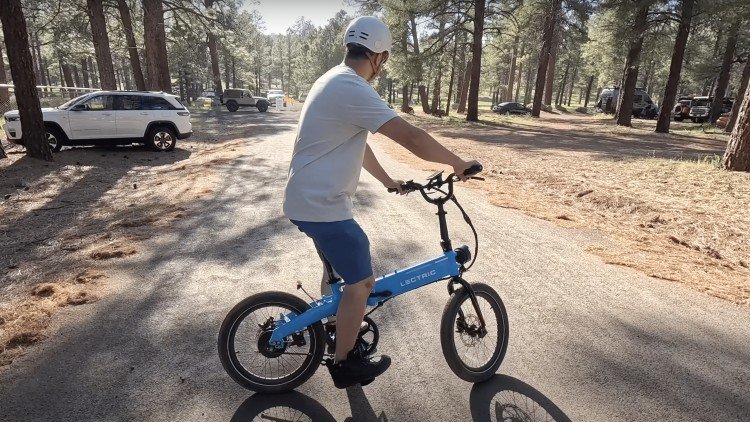
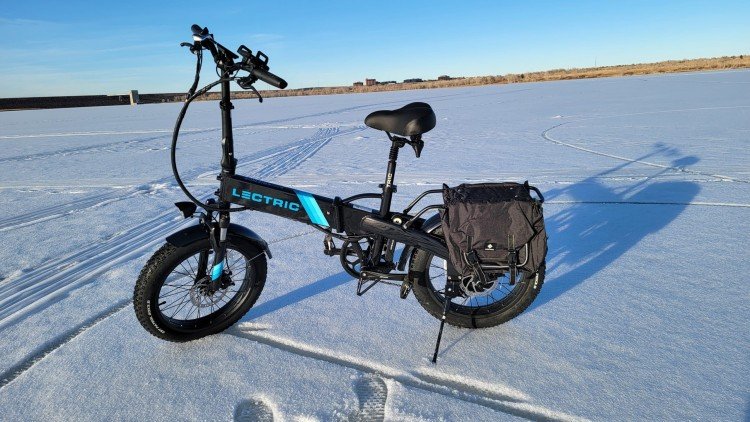
A folding Ebike is exactly how it sounds: a folding Ebike. Usually, they will fold at the stem, and somewhere in the middle of the frame, though bikes equipped with a folding stem may qualify, even though the frame itself doesn't fold. These are ideal for those who want to transport their bike in a car or a smaller SUV, or those who are short on storage space.
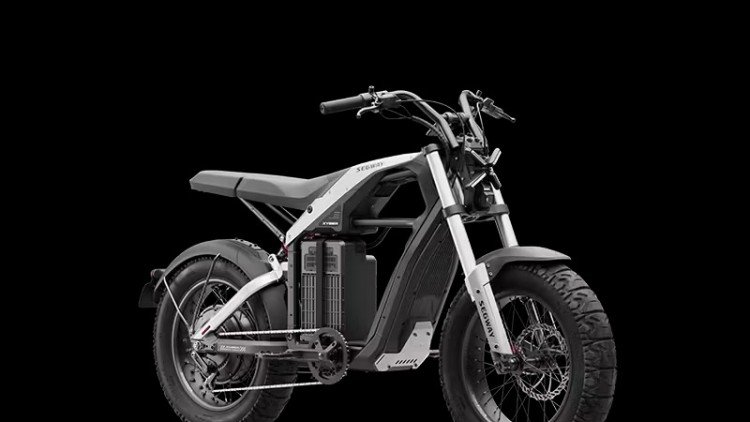
In the US, 28 mph is the legal ceiling for an e-bike's motor assist. That's the top of Class 3, the fastest classification that still counts as a bicycle rather than a motor vehicle. This category is for the bikes that go beyond it.
Getting past that ceiling usually means the bike ships with more than one personality. Many of these models leave the factory in a legal 20 or 28 mph mode for street and bike-lane use, with a separate, unlockable "off-road mode" that opens up the real top speed. That extra performance typically comes from a bigger motor and higher-voltage battery, which brings its own tradeoffs: more weight, faster battery drain at full power, and less predictable handling at speed on a frame that's still, fundamentally, a bicycle.
The legal side is important to consider within this category. Once a bike's assisted speed climbs meaningfully past 28 mph, it starts to fall outside the legal definition of an e-bike in most states, and the bikes at the extreme end of this list (some pushing 50, 60, even 80 mph) are built for private property and closed off-road areas, not public streets or bike lanes. Riding one at full power somewhere it isn't classified for can mean registration, insurance, or licensing requirements you won't find on a standard commuter bike. Speed here is the draw, but it comes with real limits on where and how these bikes are meant to be ridden.
While the industry standard often stops at 750W, the true potential of electric mobility begins where the limits end. Our high-power category focuses on Class 4 and 'Off-Road Use Only' ebikes engineered for maximum torque and high-velocity output. We provide rigorous testing on motor heat management, battery discharge rates, and frame durability to help you find a high-output machine that is as safe as it is powerful.
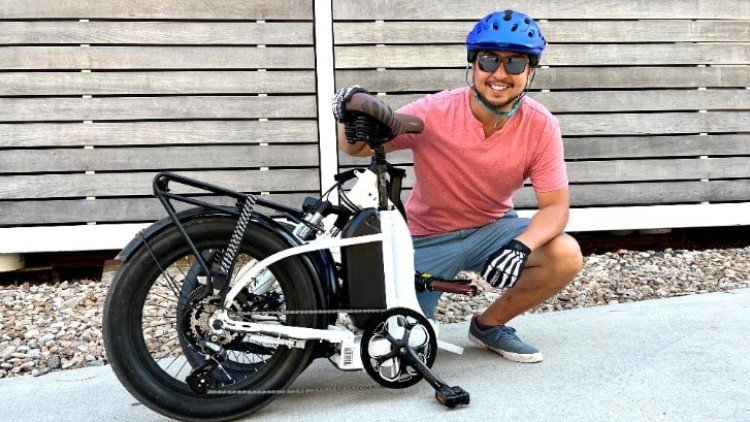
Touring asks more of a battery than a commute ever will. Where our Long-Range category covers bikes built to comfortably clear a typical day's riding, this one is for something further out: multi-day routes, loaded panniers, and stretches between charging stops that a standard single-battery setup just isn't built to cover. The bikes here are almost always running dual-battery systems, and that's not a coincidence, it's the hardware that actually gets you into touring-distance territory.
90 miles of advertised range is where that tier reliably starts. Below it, you're generally looking at a strong daily-use bike rather than one built for the road for days at a stretch. Above it, dual-battery setups typically land in the 90 to 150 mile bracket, with a handful of triple-battery machines pushing well past that into genuinely long-haul territory.
One thing worth knowing before a multi-day trip depends on it: the gap between advertised and real-world range tends to open wider here, not narrower. Loaded gear, a sustained touring pace rather than stop-and-go riding, and hillier routes all eat into that number. One detailed test of a bike marketed near 200 miles found it realistically delivered 80 to 120 miles under actual touring conditions, still excellent range for multi-day riding, just worth planning around the real figure rather than the one on the spec sheet.
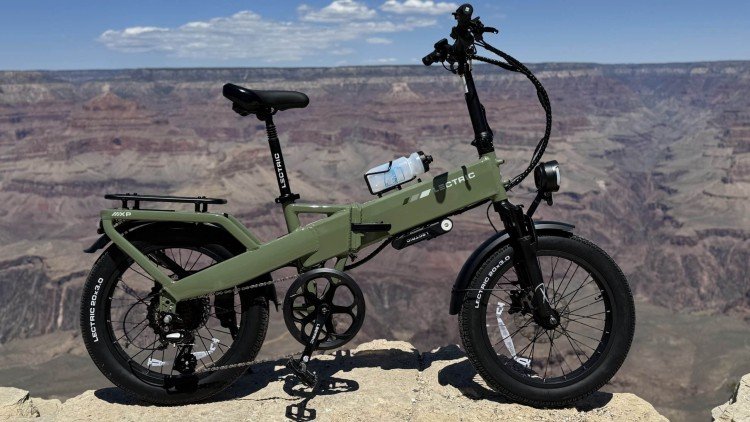
In past years, a thousand dollars would get you a pretty rough electric bike. That's changed. The sub-$1,000 segment has matured fast, and a handful of direct-to-consumer brands now build genuinely usable commuters and cruisers at this price, not just afterthoughts with a motor bolted on. That doesn't mean every bike here is a good bet, it means good bets actually exist now, if you know what to check.
What can you realistically expect at this price point? To start, motors are almost always hub-driven rather than mid-drive, typically in the 350W to 750W range, which is enough for flat terrain and moderate hills but will struggle more than a pricier mid-drive setup once the climbs get serious. Range tends to run shorter in practice than on the box: expect somewhere around 20 to 35 real-world miles even when the advertised figure is higher. None of that is a dealbreaker for a lot of riders, especially anyone using the bike for a short commute or errands rather than long-distance touring.
Where it's worth being extra careful is safety and support, not just performance. The corners that get cut at this price are sometimes frame quality or brake reliability, and occasionally something more serious: uncertified batteries and chargers are a real fire risk, and a few online-only sellers in this space have a habit of vanishing within months of a sale, leaving buyers without parts or warranty coverage. The fix is simple: check for UL 2849 certification on the battery and electrical system, and favor brands that have an actual track record and support line behind them. A bike in this price range can absolutely be a smart buy. It just requires a little more diligence than spending more would.
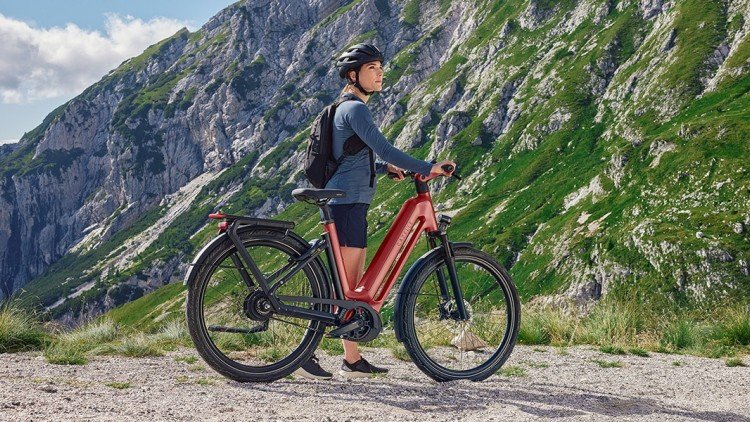
A Class 3 Ebike is an electric-assisted bicycle that is capable of reaching 28 MPH when pedalling. Currently, some of these bikes may or may not have throttles that will stop assisting the rider at 20 MPH. The addition of throttles, or the use of them on Class 3 Ebikes is currently a topic of debate, and we will update this description when there are clearer guidelines.
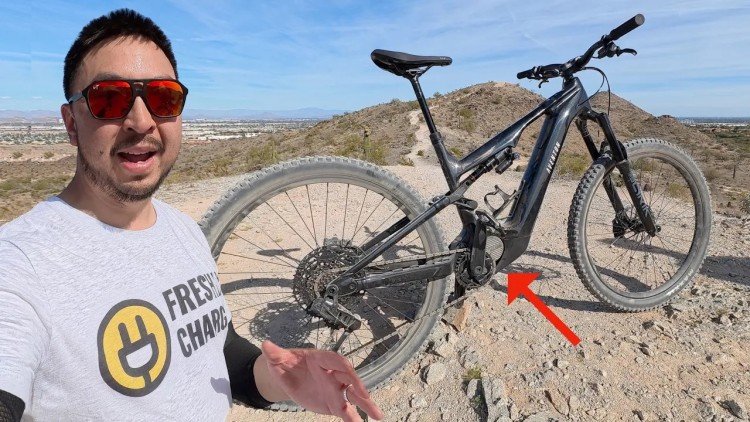
Bike sizing skews shorter than most tall riders realize. The global e-bike market is built predominantly around frames for riders up to about 5'10", which leaves a real, well-documented gap for anyone taller, especially riders in the 6'1" to 6'7" range who consistently report the same problem: a frame that looks big enough on paper but rides cramped in practice.
Standover height is the clearest way to spot the difference before you ever throw a leg over the bike. It's the clearance between the top tube and your inseam when you're standing flat over the frame, and for a rider in the 6'2" to 6'5" range, that number typically needs to land somewhere around 27 to 31 inches to leave safe, comfortable clearance. Below that range, a bike simply wasn't built with a taller rider's proportions in mind, no matter how tall the marketing copy claims it fits.
It's worth repeating a note from the dirt bike side of this list, because it applies here too: standover height is a safety check, not the whole fit picture. A frame can clear the standover bar and still feel wrong if the reach to the handlebars is short or the seatpost can't extend far enough for full leg extension. Cockpit measurements, stack, reach, and available seatpost travel, matter just as much once you're actually riding rather than straddling the bike at a stop. Treat this category as a solid first filter, then confirm the rest of the geometry before buying.
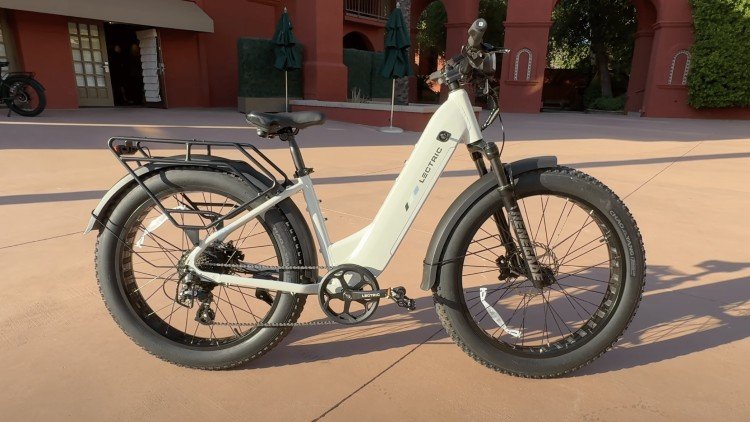
There are certain brands and products that focus on being a good fit for the golden year rider, and this is a list of the bikes we've reviewed that we think would be a good fit for those folks! Here's how we decided what gets on here: First, it needs to be step-thru (or at least have a version of it that is). Second, these bikes tend to be user-friendly and have smooth torque curves (you don't want to feel like the bike is just taking off on you and you're not in control). Third, they tend to be a little more on the lightweight side, but this is not always the case, and won't limit some of the "big bikes" from showing up on this list (the fatter tires tend to be more stable, and we find our seniors love the added stability).
-medium.jpg)
Dorm and campus life has a way of exposing exactly how portable a bike really is. Narrow stairwells, a shared room with no garage to stash things in, a shuttle bus that won't wait while you wrestle a fold shut, none of it forgives a bike that's merely foldable in theory. This category is built around the bikes that actually hold up to that routine.
Weight is the real test here, more than the fold mechanism itself. Most folding e-bikes weigh somewhere between 45 and 75 lbs, which is manageable if you're loading one into a car trunk once a week, but a different story entirely when you're the one hauling it up three flights daily. Under 40 lbs is where that changes: light enough to carry on a shoulder rather than drag, and light enough that lifting it becomes routine instead of a workout.
That lighter build isn't free, worth knowing going in. Bikes this light typically trade down on battery size and motor power to get there, so expect shorter range and less muscle on hills compared to a heavier commuter e-bike. For getting across campus and up a stairwell without a fight, though, that compromise is usually the right one to make.
-medium.jpg)
Did you know electric bikes have different "class" ratings? This is a legal classification system that limits how powerful (and fast) an e-bike can be. The exact definition of a Class 1 will vary depending on where you live, but one rule is the same everywhere: Class 1 e-bikes have no throttle, which means the electric motor is activated by pedal-assist only.
- In most of Europe, Class 1 e-bikes are limited to a motor power of 250 watts and a top speed of 25 km/h (15.5 mph)
- In the USA, Class 1 e-bikes are limited to a motor power of 750 watts and a top speed of 25 mph (32 km/h)
Legal distinctions aside, Class 1 e-bikes tend to be more popular with traditional cyclists who prioritize fitness and "enjoying the ride" over speed and convenience. Most Class 1s are manufactured by traditional bicycle brands such as Trek, Giant, and Cannondale.
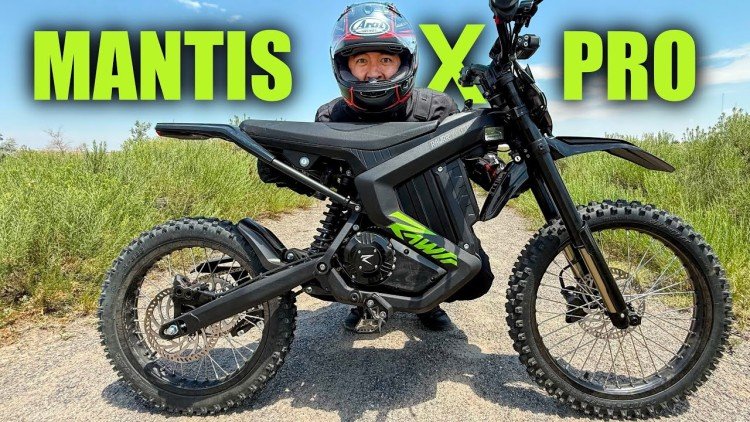
Braking matters more on a dirt bike than almost anywhere else in the electric powersports world. These machines are heavier and faster than an e-bike, but riders are still hanging on with two hand levers instead of a foot pedal and ABS. That gap is exactly why hydraulic disc brakes have become the standard on most serious electric dirt bikes, from the Sur-Ron LBX to Talaria's lineup: a sealed fluid line replaces the steel cable, so squeezing the lever pushes brake fluid directly through the system rather than relying on cable tension.
The upside is real. Hydraulic brakes deliver noticeably more stopping power for less hand effort, they self-adjust as pads wear, and they hold up far better under the heat and fade that comes from repeated hard braking on a descent. Mechanical (cable-actuated) brakes are still common on entry-level and mini e-dirt bikes, and they're not without their own advantages: they're cheaper to replace, and a trailside fix is often as simple as a multi-tool adjustment. Hydraulic systems, by contrast, need actual bleeding and fresh fluid if something goes wrong out on the trail, which is a real tradeoff for riders who venture far from a shop.
For anyone riding aggressively, on hills, or at higher speeds, hydraulic brakes are worth the extra cost and slightly higher maintenance ceiling. This category rounds up the electric dirt bikes that come equipped with them stock.
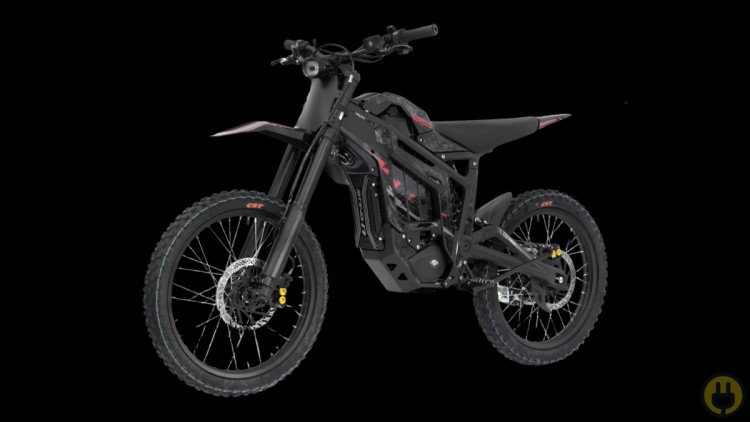
Most electric dirt bikes are built around a compact, low-slung frame, and for good reason: it keeps the bike light, nimble, and easy to flat-foot at a stop. But that same geometry can leave a rider over 6'0" feeling cramped, with knees bent too far and not enough room to stand comfortably over rough terrain. This category is for the bikes that break from that mold.
There's a real gap in the market here rather than a gradual curve. The mainstream trail bikes, the Sur-Rons, Talarias, and Segways of the world, mostly sit in a tight band under 32 inches of seat height. Above that, the next tier up is a different kind of machine entirely: bikes built to go head-to-head with 250cc to 450cc gas motocross bikes, with seat heights that jump into the high 30s. There isn't much in between, so a taller rider is usually choosing between "too short" and "built for it," not something in the middle.
The tradeoff is that the bikes that clear this seat height bar tend to be the higher-power, moto-style machines, not gentler trail bikes with a taller seat bolted on. That usually means more weight, more power to manage, and a bigger price tag than the entry-level options. It's also worth remembering that seat height is only part of the fit picture. Reach to the handlebars and standover clearance matter too, so if you're right at the edge of "tall," it's still worth sitting on the bike or checking the frame's reach spec before you commit.
-medium.jpg)
Most electric dirt bikes are built for dirt, full stop. Straight from the factory, they're missing the basic equipment that public roads require: a DOT-rated headlight and taillight, working turn signals, mirrors, a horn, and tires rated for pavement rather than loose terrain. This category is for the exceptions, bikes that come equipped to actually be registered and ridden legally on the street, not just modified after the fact.
Street legal here means the bike ships with (or is factory-configured for) the hardware a DMV will look for: functioning lights front and back, mirrors, a horn, road-rated tires, and typically a VIN so the bike can be titled in the first place. That's the baseline nearly every state expects before it will hand over a plate.
Be aware that this flag doesn't mean the bike is automatically road-legal in your driveway. Registration rules, license or endorsement requirements, insurance, and even whether "street legal" is recognized at all still varies heavily by state, county, and sometimes city. A bike that rolls straight onto the road in Texas might need extra paperwork in New York or California. Treat this category as a shortlist of bikes built with the right equipment to make that process possible, not a guarantee that you can skip the DMV.
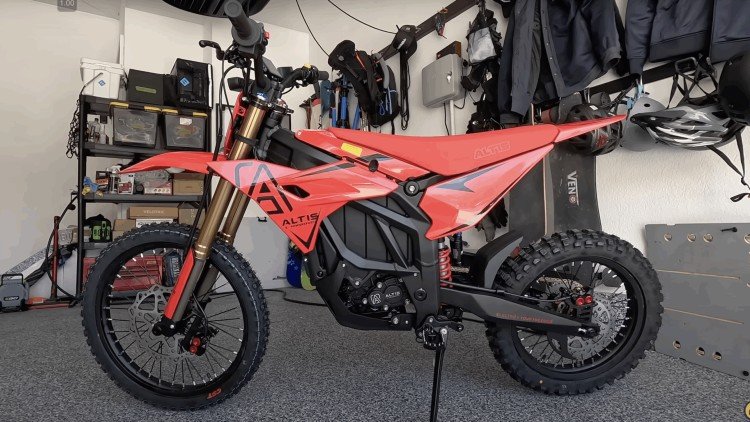
Most electric dirt bikes on the market are tuned around a rider in the 180 to 220 lb range, and it shows up in the spec sheet before it shows up on the trail. Mainstream models like the Sur-Ron Light Bee X and Talaria Sting typically publish official max load ratings somewhere in the low-to-mid 200s. Load one of those bikes past its rating and the effects compound fast: suspension sits deeper in its travel, acceleration softens, range drops, and the frame is working harder than it was designed to.
This category is for the bikes built to handle more. A smaller set of manufacturers design specifically around a bigger payload, reinforcing the frame, running a stronger swingarm and suspension, and pairing it with a motor sized to still deliver real performance at higher weight. Talaria's Komodo, for example, publishes a 353 lb payload rating, well clear of what a standard trail bike is rated for.
Size and price are usually the first places the tradeoff begins to show. Heavy-duty electric dirt bikes tend to run bigger batteries and beefier components to support the added capacity, which means more weight to muscle around at a standstill and typically a higher price tag than the entry-level trail bikes built for lighter riders. For anyone north of 250 lbs, though, it's the difference between a bike that's rated for you and one that's just tolerating you.
-medium.jpg)
Most of what gets a scooter and its rider wet isn't rain falling from above, it's the front wheel kicking up spray from a puddle, a wet road, or just morning dew on the pavement, straight up toward the deck, the electronics, and whoever's standing there. That's a different problem than an IP rating solves. An IP rating tells you how well-sealed a scooter's internals are against water that reaches them; fenders are what keep a meaningful amount of that water from reaching the scooter and rider in the first place. A well-rated scooter with no fenders can still soak you and everything it's trying to protect.
The two fenders do different jobs. The front fender is doing the real protective work, deflecting spray up and away from the battery compartment, wiring, and controls before it becomes a problem. The rear fender is more about you: keeping water and road grime off your back and legs, and off the deck itself, so you're not standing in a puddle for the rest of your ride. Scooters with both are meaningfully better behaved the moment the pavement's wet, whether that's actual rain or just the residue from an earlier shower.
This isn't a glamorous spec, nobody buys a scooter specifically for the fenders, but it's one of the more practical, low-drama upgrades you can look for if you ride regularly rather than only on dry days. Pair it with a solid IP rating for the fullest wet-weather protection, the two genuinely complement each other rather than one covering for the other's gaps.
-medium.jpg)
The "Full Suspension" category represents the gold standard in ride quality, designed to decouple the rider from the harsh realities of uneven pavement, gravel, and urban decay. While rigid or front-suspension models are suitable for smooth, short commutes, a full-suspension scooter utilizes dual shock-absorption systems—one at each wheel—to provide a "floating" sensation. This setup is essential for those who navigate pothole-ridden city streets or transition between asphalt and light trails. By absorbing the kinetic energy of impacts before it reaches the deck, these scooters drastically reduce rider fatigue and joint strain, making long-distance journeys not just possible, but genuinely enjoyable.
Technically, this category spans several sophisticated mechanical designs, ranging from classic dual-spring coils to motorcycle-grade hydraulic shocks and adjustable air-suspension systems. High-performance models in 2026 often feature inverted hydraulic front forks and articulated rear swingarms, allowing for significant "travel" (the distance the suspension moves to absorb a bump). Beyond mere comfort, these systems serve a vital safety function: they ensure the tires maintain constant contact with the ground. This "mechanical grip" is crucial for maintaining traction during high-speed cornering and reducing stopping distances during emergency braking on imperfect surfaces.
Choosing a full-suspension scooter also protects your investment over the long term. Constant vibration is the primary enemy of electric scooter longevity, often leading to loose bolts, fractured solder joints, and battery deck rattling. By dampening these micro-vibrations, a full-suspension chassis preserves the integrity of the internal electronics and structural components. Whether you are an urban professional looking for a "cloud-like" commute or an weekend adventurer tackling forest paths, this category offers the most refined and durable riding experience available in modern micro-mobility.
-medium.jpg)
Signaling a turn on a scooter has always meant taking one hand off the handlebars right when you need control the most, which is a bad trade on a vehicle that's already less stable than a bike or a car. Built-in turn signals solve that problem directly: a thumb press instead of a hand off the bars, so you're steering and braking with both hands through the exact moment a turn actually happens.
The visibility case is just as real. Scooters are quiet and compact, easy to lose in a driver's peripheral vision, especially at dawn, dusk, or night when a meaningful share of accidents happen. A blinking signal cuts through that in a way hand gestures never reliably do, and giving drivers 50 to 100 feet of advance notice before a turn gives them real time to react instead of reacting to a rider who's already mid-turn. Intersections are where this matters most, since that's where scooters and vehicles cross paths most often.
Turn signals aren't currently required by any major US jurisdiction, though regulations are trending that direction as scooters get treated more like legitimate vehicles and less like recreational toys. For now, think of this category less as a compliance checkbox and more as a confidence and safety upgrade, one less thing to juggle while you're navigating traffic, and one more way for other road users to actually see your next move before you make it.
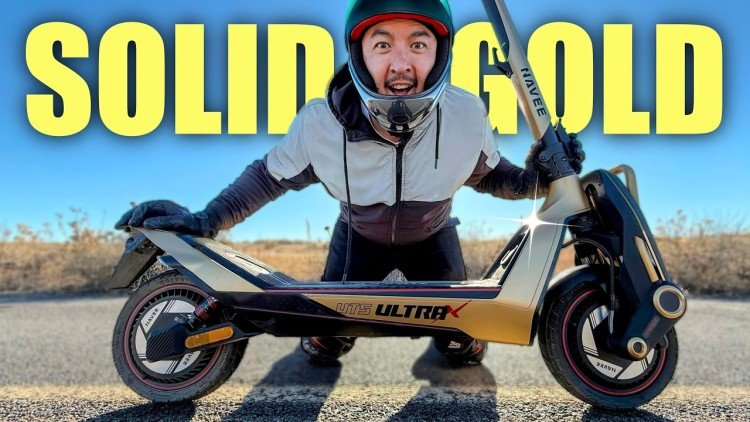
The high-speed category represents the bridge between casual micro-mobility and serious urban transportation. While entry-level scooters are designed for short, low-speed hops, these performance-grade machines are engineered to keep pace with city traffic and conquer challenging terrain. To qualify for this category, a scooter must maintain a stable top speed of at least 30 mph, a threshold where the physics of the ride shift from a "toy" feel to a true vehicle experience. These scooters are the preferred choice for enthusiasts and long-distance commuters who prioritize efficiency, power, and the ability to climb steep inclines without losing momentum.
To support these higher velocities, this tier of scooters utilizes advanced hardware typically not found in budget models. You can expect high-voltage electrical systems (60V to 72V) and dual-motor configurations that provide the necessary torque for rapid acceleration and sustained speed. Safety is the primary engineering focus at 30+ mph, necessitating the inclusion of hydraulic disc brakes for superior stopping power, reinforced chassis geometry, and sophisticated suspension systems—often featuring adjustable hydraulic or air shocks—to handle road imperfections that would be dangerous on smaller wheels.
Riding in the high-speed category also brings a shift in responsibility and gear requirements. Because these machines can travel at the same speeds as mopeds and light motorcycles, we strongly recommend that riders move beyond standard bicycle helmets in favor of DOT-approved full-face protection. Furthermore, as many jurisdictions in 2026 begin to implement tiered regulations for high-performance micro-mobility, these scooters are often equipped with advanced "Smart-Tech" integration, including IoT diagnostics, turn signals, and high-lumen lighting systems to ensure maximum visibility and compliance with modern road safety standards.
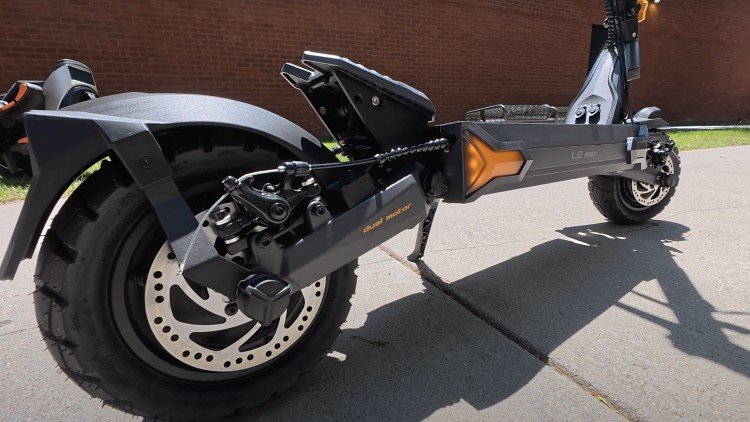
A single top speed number on a spec sheet doesn't tell you much about how a scooter actually rides day to day, and that's what multiple speed modes solve. Rather than one fixed power curve, scooters in this category let you switch between settings, usually Eco, Standard, and Sport, that change acceleration, motor output, and battery draw, not just how fast you can go.
Eco mode is the one most riders underuse. It softens acceleration into a smoother, more predictable launch from a stop, trims top speed by roughly 20 to 30%, and can stretch your range by as much as 15 to 40% in the process, genuinely useful for crowded sidewalks, wet pavement, or the last few miles on a low battery. Sport mode is the opposite trade: full power and the quickest acceleration the motor has, at the cost of faster battery drain and more wear on your brakes, best saved for open stretches where you actually want that performance rather than city traffic. Standard mode splits the difference and tends to be where most riders spend most of their time.
The real value here isn't picking a favorite mode and sticking with it, it's having the flexibility to match the ride to the moment: easing into traffic in Eco, opening up on a clear bike lane in Sport, and not having to choose one riding character for every situation a scooter actually gets used in.
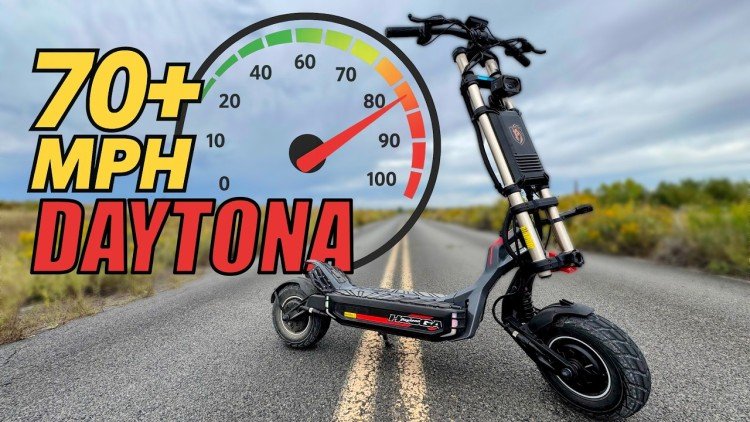
Not every "powerful" scooter is actually built for hills. Motor wattage is the clearest signal of which side of that line a scooter falls on, and the market has settled into a fairly consistent tiering: scooters in the 250 to 350W range are made for flat ground and the occasional gentle slope, 500 to 750W models handle most everyday urban inclines without much drama, and it's not until you cross into the 1000W and up class that a scooter is genuinely built for steep, sustained climbing. That 1000W mark is where our Hill Climbing category starts, and it's not a number we picked arbitrarily. It shows up again and again across independent scooter buying guides as the point where a motor stops merely coping with hills and starts being designed around them.
Watts tell you the ceiling, but torque is what actually does the work of fighting gravity, and this is where things get a little murkier. Torque, measured in Newton-meters, is the twisting force at the wheel that overcomes an incline; a motor can have plenty of wattage on paper and still feel weak on a climb if it's not delivering enough torque to match. The catch is that torque specs aren't nearly as consistently published as wattage is, and the numbers that do exist vary more than you'd expect. The Varla Eagle One, a scooter built specifically for hills and rough terrain, runs dual 1000W motors but lists only 36 Nm of torque, while some buying guides recommend 40 Nm or more for hilly commutes. Rather than filter this category on torque, which would quietly exclude plenty of genuinely hill-capable scooters that simply don't publish the spec, we've built it around wattage instead, since it's the number nearly every manufacturer actually reports.
A couple of things worth knowing before you buy. First, check whether that wattage figure is continuous (nominal) or peak: peak is the burst number a motor can hit for a few seconds, while continuous is what it can sustain going up a long climb without overheating, and it's the continuous rating that matters most on an actual hill. Second, if your commute includes anything approaching San Francisco or Seattle grade hills (both cities have streets in the 17 to 18 percent grade range), dual-motor scooters have a real advantage: putting power to both wheels distributes the load and delivers meaningfully more climbing torque than a single motor can manage alone, especially once grades start pushing past 15 to 20 degrees.
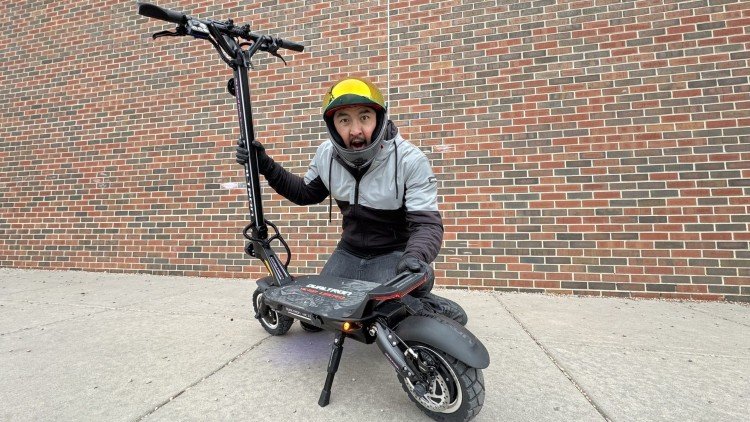
A Dual Motor Electric Scooter represents the ultimate tier of performance and redundant reliability in the micro-mobility world. While single-motor scooters are designed for efficiency on flat ground, dual-motor systems utilize independent hub motors in both the front and rear wheels to create a "two-wheel-drive" experience. This configuration effectively doubles the available traction and torque, allowing the scooter to deliver a net force that single-motor counterparts simply cannot match. Whether you are launching from a dead stop or navigating complex urban traffic, the instantaneous acceleration of a dual-motor setup provides a level of responsiveness that is as much a safety feature as it is a performance one.
The defining advantage of this category is its unrivaled hill-climbing capability. In cities with steep gradients or mountainous terrain, a single motor often struggles, leading to overheating and significant speed drops. By distributing the workload across two independent power units, dual-motor scooters maintain their velocity on inclines that would stall lesser machines. This shared load also increases the longevity of the electrical components, as neither motor is forced to operate at its absolute thermal limit for extended periods. In 2026, most premium dual-motor models also feature "Single/Dual" drive toggles, giving riders the flexibility to switch to a power-saving mode for flat cruising or engage "Turbo" mode for maximum torque when the road gets tough.
Beyond raw power, dual-motor scooters offer superior stability on "low-grip" surfaces such as wet pavement, gravel, or dirt trails. Because both wheels are actively pulling and pushing the chassis, the risk of wheel-slip is drastically reduced compared to rear-heavy single-motor designs. This category is typically paired with high-capacity 60V or 72V battery systems and advanced Sine Wave controllers for ultra-smooth power delivery. While they are generally heavier than entry-level models, the trade-off is a robust, high-performance vehicle capable of carrying heavier loads and conquering the most demanding landscapes with ease.
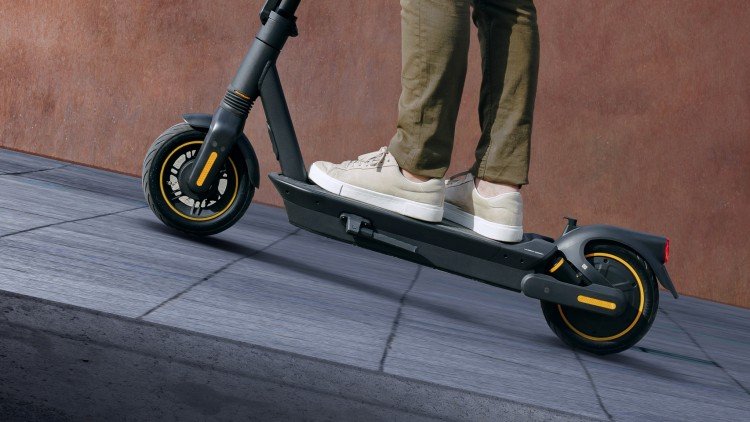
The average electric scooter now sells for over $1,100, which makes this category what it sounds like: everything that stays below what most people actually spend, from true budget picks up through the segment reviewers consistently call the value sweet spot. The jump from a sub $500 scooter into the $500 to $1,000 range isn't just a bigger number, it tends to be the point where real suspension shows up, batteries start becoming swappable instead of fixed, and features like turn signals, app connectivity, and puncture-resistant tires move from rare to expected.
If you're deciding where in this range to land, think about it in terms of what you're solving for rather than how much you want to spend. Sticking closer to $500 gets you a capable, no-frills commuter that will happily handle a short daily ride. Moving toward $1,000 buys real comfort upgrades: dual suspension that actually smooths out cracked pavement, batteries with enough capacity to stop thinking about range anxiety, and build quality that tends to hold up over years rather than months. Past this $1,000 ceiling is where scooters start competing on raw performance, top speed, off-road capability, extreme range, rather than everyday practicality, so this category is really the full range of what a genuinely useful commuter scooter looks like before you start paying for extras most riders don't need.
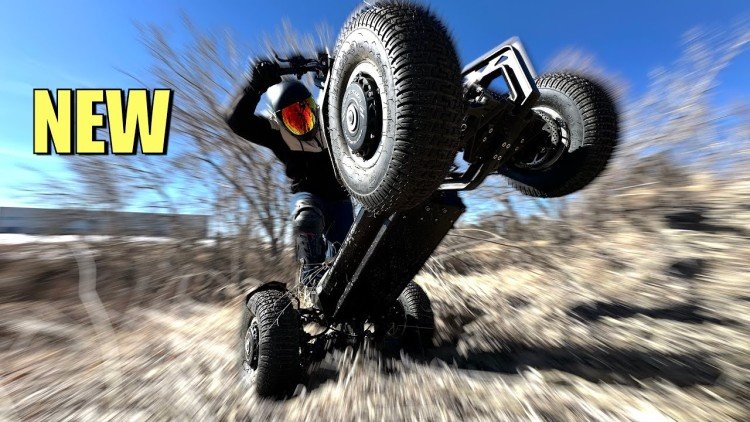
Braking is the one system on a scooter you shouldn't compromise on, because the difference between brake types shows up exactly when it matters most — in a sudden stop. Mechanical disc brakes work by pulling a cable to clamp the pads, and cables stretch with use, so the lever gradually needs more travel to deliver the same stopping power, and periodic adjustment becomes a normal part of ownership. Hydraulic disc brakes replace that cable with sealed fluid pressure instead, which means the lever feel stays consistent from the first ride to the thousandth, and the system compensates for pad wear on its own.
The performance gap is measurable, not just a feel thing. Testing has found hydraulic disc brakes stopping in roughly 3 to 4 meters from 15.5 mph, compared to 4 to 5 meters for mechanical disc brakes and 5 to 6 meters for drum brakes, a real difference in a scenario where a few extra feet is the gap between a close call and a collision. Hydraulic systems also dissipate heat better under repeated hard braking, which matters most on steep descents or stop-and-go city traffic where a scooter's brakes rarely get a break.
The give-and-take here is that hydraulic brakes add a bit of weight and cost compared to mechanical or drum setups, and if they ever do need servicing, qualified hydraulic brake technicians aren't as universally available as mechanical repair, so upkeep can be pricier. For anyone riding a heavier, faster, or higher-power scooter, or just riding often enough that consistent, predictable stopping power matters, that tradeoff is almost always worth it.
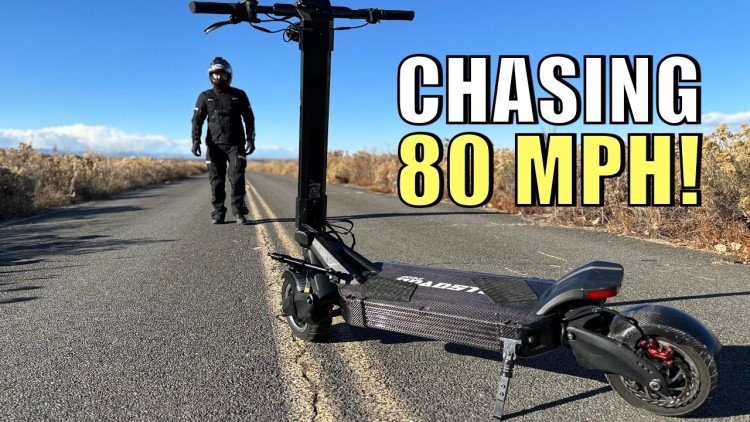
Most electric scooters on the market are built around a rider in the 150–200 lb range, with weight limits typically topping out at 220 lbs or 265 lbs on most entry-level and commuter models. If you weigh more than that, the scooter doesn't just feel a little sluggish; the frame is genuinely operating outside its design tolerance, which shows up as sagging suspension, overworked motors, and brakes that fade faster than they should. Our Heavy-Duty category starts at a 300 lb weight limit, the point where manufacturers stop treating high capacity as a nice-to-have and start building around it from the frame up.
That reinforcement is real, not just a bigger number on a spec sheet. Scooters in this class typically use dual-stem aluminum frames instead of a single support post, which spreads load across two points rather than concentrating stress where the stem meets the deck. They also step up to 48V systems at minimum, with serious heavy-duty models running 60V or 72V architecture; as the extra voltage keeps the motor from overheating as it draws more current to maintain torque under a heavier rider. Pair that with wider decks (9 inches and up), beefier pneumatic tires, and — critically — hydraulic disc brakes, which deliver the 30–50% more stopping force a 300 lb rider needs and self-adjust as pads wear, unlike mechanical brakes that fade and require manual tuning.
The range within this category is wide. A 300–330 lb rating covers a lot of well-built commuter-style options, but the top of the heavy-duty class climbs much higher — some models are rated for 400, 500, even 600+ lbs. If you're near the upper end of your own weight range, it's worth sizing up rather than buying right at the limit: manufacturers rate these numbers as a hard ceiling, not a comfortable cruising weight, and giving yourself a buffer preserves the range, acceleration, and braking performance you're paying extra for in the first place.
-medium.jpg)
Plenty of scooters get called "off-road" because they're painted in aggressive colors and shipped with chunky-looking tires. Actual off-road capability comes down to two things working together: suspension and tires, and a scooter needs both to genuinely qualify, not just one or the other. Our Off-Road & All-Terrain category is built around that pairing.
Suspension is the clearer of the two. A single front shock is common on commuter scooters and helps take the edge off rough pavement, but it doesn't hold up once you're off pavement entirely. Real off-road performance calls for suspension at both the front and rear, distributing impact across the whole scooter instead of concentrating it wherever the front wheel happens to land. Every scooter in this category has suspension on both ends.
Tires matter just as much, and material matters. Pneumatic (air-filled) tires flex and absorb impact in a way solid tires simply can't, which translates directly into better traction on loose dirt, gravel, and grass, and a noticeably smoother ride over roots and ruts. Wheel size plays a role too: 10 inches or larger is generally considered the baseline for handling real terrain, since smaller wheels tend to get caught on obstacles that a bigger wheel just rolls over. It's worth noting that a well-built solid tire paired with strong dual suspension can still deliver a genuinely capable ride, so tire material alone isn't the whole story, but pneumatic tires remain the more common and more reliable choice across the scooters built specifically for this kind of riding.
What you actually need from this category depends on where you're riding. Grass and light gravel are forgiving enough that most pneumatic-tired scooters handle them fine. Dirt trails with roots and rocks are where dual suspension stops being a nice-to-have and starts being the difference between a comfortable ride and a jarring one. And if hills are part of the terrain too, pair anything in this category with enough motor power to keep momentum on loose or soft ground, since a scooter that's built to absorb impact still needs the torque to push through it.
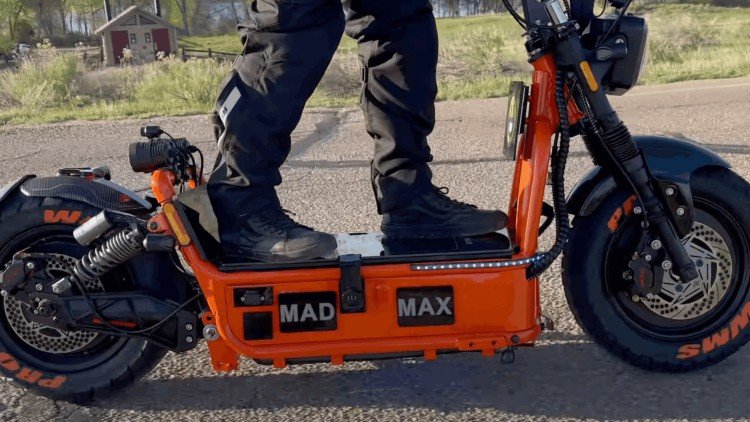
Range claims on electric scooter spec sheets are some of the least trustworthy numbers in the industry. Manufacturers typically test under ideal conditions: a light rider around 150 to 170 lbs, flat pavement, eco mode, low constant speed, then print that number on the box. Ride it the way most people actually ride, faster, with hills, at your real body weight, and you'll typically see somewhere between 60 and 80 percent of that advertised figure. A scooter "rated" for 40 miles might genuinely get you 25 to 30 in normal use, which is a meaningful gap if you're planning your commute around it.
That's why this category is built around minimum range rather than the headline number. A scooter qualifies as Long-Range here if its lowest stated range, the worst case a manufacturer is willing to put their name on, still clears 30 miles. That's a real bar. Most brands only publish one optimistic figure and stop there; the models in this category are ones whose manufacturers were upfront enough to disclose what you'll actually get on a bad day, not just a good one, and that number still held up at 30 plus miles.
Range ultimately comes down to battery capacity, measured in watt-hours, along with motor efficiency and how the scooter manages power delivery across its speed modes. Bigger batteries mean more range, but they also mean more weight and a higher price, so the scooters that land here tend to be built specifically around endurance rather than portability. If your commute is long, your terrain is hilly, or you just hate thinking about the charge percentage, this is the category to start from. Just keep in mind that even a genuine 30 mile minimum will shrink further if you're a heavier rider, riding in cold weather, or leaning on turbo mode more than eco.
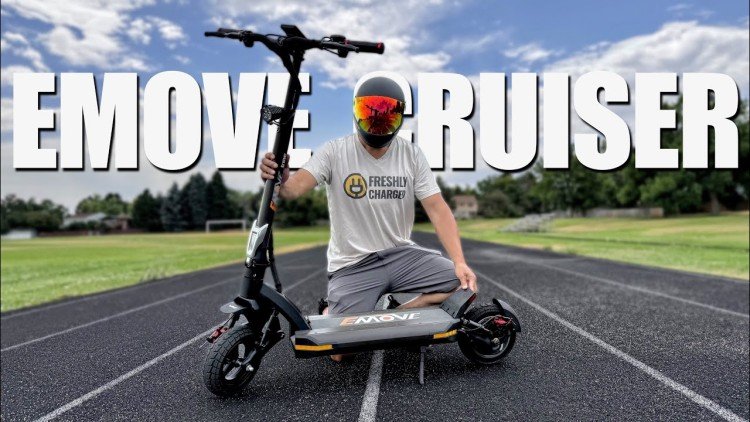
Deck width is one of those specs that rarely makes the headline feature list, but it changes how a scooter actually feels underfoot more than almost anything else. Most standard commuter scooters run a deck around 5.5 to 6.5 inches wide, enough for a single, fairly fixed foot position. Once you cross into genuinely wide territory, closer to 8 or 9 inches and up, that changes: there's real room to shift your stance, spread your feet for extra balance, or reposition on the fly without feeling like you're one wrong step from the edge.
That extra surface area does real mechanical work. A wider base lowers your effective center of gravity and gives you more lateral stability, which matters most exactly when you need it, cornering at speed, riding one-footed briefly to adjust cargo, or just standing comfortably on a long ride instead of locking your feet into one spot the whole way. It's also simply more comfortable for riders with bigger feet, who can feel cramped on a standard deck regardless of how good the rest of the scooter is.
A wider deck generally means a larger, heavier scooter overall, which is part of why the widest decks tend to show up on performance and heavy-duty models built for stability at higher speeds rather than lightweight commuters built for portability. If a wide, planted stance matters more to you than folding it into a closet, this is the category to start from.
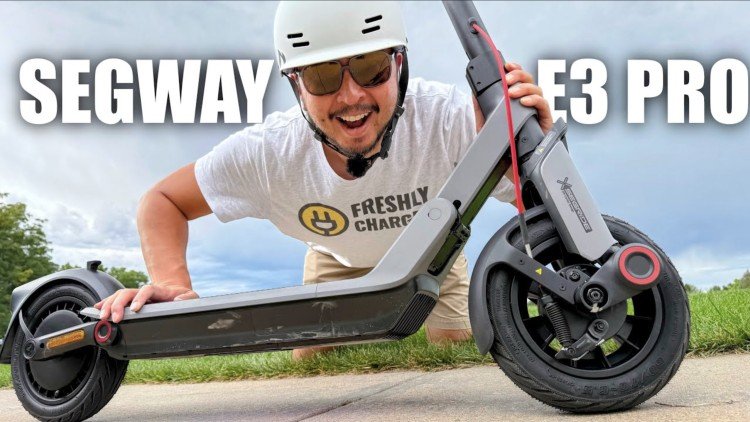
The "Commuter" category is defined by the seamless integration of micro-mobility into daily life. Unlike high-performance models that prioritize speed, these scooters are engineered for the "last mile", which is the gap between your front door, public transit, and the office. To qualify for this category, a scooter must strike a delicate balance between functional range and portability, typically maintaining a total weight of 40 lbs or less. This weight limit is the industry standard for "true portability," ensuring the vehicle can be comfortably carried up stairs, stowed under a desk, or lifted onto a bus without specialized effort.
Practicality is the driving force behind the design of these machines. A premium commuter scooter features a rapid-fold mechanism—often operable in under three seconds—and a compact footprint that allows it to vanish into tight urban spaces. In 2026, the focus has shifted toward "zero-maintenance" hardware. This includes the use of puncture-proof tires, drum brakes that are protected from the elements, and high-efficiency single motors that provide enough torque for city bridges while maximizing battery longevity. These scooters are not meant for racing; they are built for the reliability and consistency required by a daily 9-to-5 schedule.
Safety and durability are equally critical in the commuter class. Because these vehicles are frequently used in varying weather conditions and high-traffic areas, they prioritize high-visibility lighting systems and robust water-resistance (IP) ratings. Modern commuters also look for "smart" features like app-integrated locking, GPS tracking, and regenerative braking, which subtly recharges the battery during every stop. When you choose a scooter from this category, you aren't just buying a gadget; you are investing in a reliable, lightweight alternative to the car that simplifies urban navigation and eliminates the stress of parking.
-medium.jpg)
Most electric scooters run tires in the 2 to 3 inch width range, wide enough for a stable ride on smooth pavement but not built for much beyond that. This category starts at 3 inches, the point where a tire's extra width actually starts changing how the scooter rides rather than just looking chunkier.
A wider tire puts more rubber in contact with the ground, which translates directly into better stability at speed, stronger braking (since braking force has more contact patch to work with), and meaningfully better grip on loose or uneven surfaces like gravel, sand, or wet pavement where a standard tire tends to slip. It's also just a smoother ride over cracks, potholes, and rough city streets, since a wider tire absorbs more of that impact before it reaches you.
One thing to know as you shop: "wide tire" and "fat tire" get used a little loosely in this industry, and not every scooter marketed that way is actually delivering the full benefit. The difference between a 3 inch tire and a 4 inch tire is bigger than it sounds, benefits scale up noticeably as width increases, so if stability on rough terrain is your priority, it's worth checking the actual number rather than assuming "wide tire" branding all means the same thing.
-medium.jpg)
Campus life comes with its own weird transportation math: tiny dorm rooms, packed lecture halls, ten minutes to sprint across the quad, and nowhere to park a car even if you had one. A scooter that solves that has to do two things well, fold down fast and stay light enough that doing it five times a day doesn't get old.
We built this category around exactly those two specs. Every scooter here folds, because a scooter that takes real effort to collapse is one you'll leave in your dorm room instead of actually riding to your 9am. And every scooter here comes in under 40 lbs, a little looser than our general Lightweight category, since campus carrying usually means occasional trips into a building or up a flight of dorm stairs rather than a daily multi-flight haul. That's roughly where the market's most recommended campus scooters land: light enough to tuck under a desk or into a closet, sturdy enough not to feel wobbly with a backpack full of textbooks hanging off the bars.
Worth knowing going in: campus commuting is mostly short hops between buildings on crowded sidewalks, not open road, so top speed and max range matter a lot less here than portability does. If you're commuting in from off-campus housing and need real distance, it's worth also checking our Long-Range category, since the scooters here are optimized for folding fast and carrying easy first.
-medium.jpg)
Every lithium battery degrades over time, no matter how well you take care of it. Most last somewhere between 500 and 1,000 charge cycles, roughly two to three years of regular riding, before you start noticing real range loss. On a scooter with a fixed battery, that decline usually means replacing the whole scooter once the battery gives out. On a scooter in this category, it means replacing a $100 to $300 battery pack instead, which is a meaningfully better position to be in a couple of years down the line.
The day-to-day benefit is just as real. A depleted fixed battery means two to eight hours on a charger before you're riding again. A swappable one means keeping a spare pack charged and ready, and the swap itself takes about as long as it takes to slide one battery out and another in. That matters most for two kinds of riders: anyone logging serious daily mileage who doesn't want to plan a route around outlets, and anyone who simply doesn't have easy charging access where they park, an apartment without a nearby outlet, a shared storage space, a workplace that doesn't allow charging indoors.
Worth knowing before you buy into this category: a removable battery is also a removable target, and theft is a genuine consideration with any scooter whose battery can be pulled out in seconds. Look for a locking mechanism, a key or app-controlled release rather than a simple latch, and get in the habit of pulling the battery whenever you park somewhere you're not keeping an eye on it.
-medium.jpg)
Five hundred dollars is real money, but in the electric scooter world it's genuinely the entry tier. The average budget scooter actually sells closer to $335, and at this price you should expect a straightforward commuter: 12 to 25 miles of range, a top speed around 15 to 20 mph, and a frame weight somewhere between 25 and 40 lbs. That's more than enough for the average commute, which for most riders is only 3 to 5 miles each way.
The trick to buying well in this category isn't chasing the lowest price, it's knowing where manufacturers are tempted to cut corners. Three things matter more than anything else on the spec sheet. Brake type: disc brakes cost a manufacturer a few extra dollars over drum brakes, but they cut stopping distance by 30 to 40 percent, which matters at any speed above a slow roll. Motor type: brushless motors last three to five times longer than brushed ones and run noticeably more efficiently. And battery cells: name-brand cells (Samsung, LG, and similar) hold their charge far longer than off-brand alternatives, which can lose meaningful range within 200 charge cycles. A scooter that gets those three things right at $400 will outlast and outperform one that ignores them at $600.
A caveat to keep in mind is that range numbers on the box are usually tested with a light rider at low, constant speed on flat ground. Expect to see roughly 70 to 80 percent of the advertised figure in real riding. If a scooter claims 20 miles, plan your commute around 15.
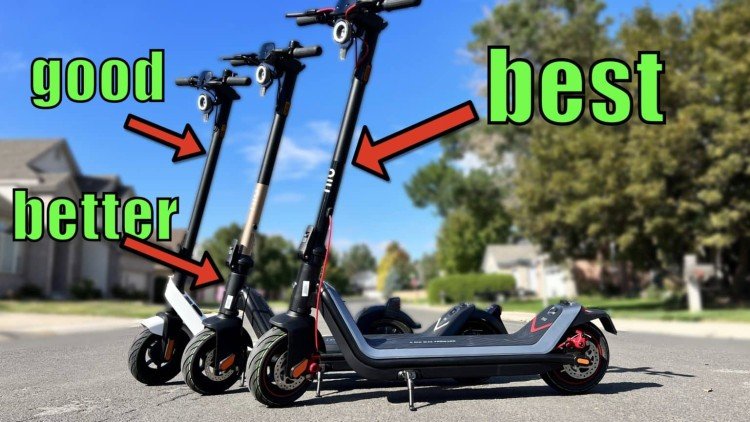
Flat tires are consistently the most common complaint among electric scooter riders, and self-healing tires exist specifically to solve that problem before it ruins a ride. It's easy to assume this is just another word for "tubeless," but the two aren't the same thing. A tubeless tire is simply built without an inner tube, the tire seals directly against the rim, and that construction alone gives it some baseline puncture resistance. Self-healing tires go a step further: they add an inner layer of sticky sealant coated across the inside of the tire, which fills a puncture the instant it happens, so a nail or piece of glass gets encased and sealed rather than draining your tire flat.
That distinction matters because not every tubeless tire has this feature, and it's worth checking for specifically rather than assuming "tubeless" on a spec sheet means you're covered. Brands describe this technology under a handful of different names, self-healing, self-sealing, self-repairing, all referring to essentially the same sealant-lined approach, and it's become common enough that models from Apollo, NAVEE, and Segway-Ninebot now build it in as a standard feature rather than a premium add-on.
Compared to the alternative most riders reach for to avoid flats entirely, solid or airless tires, self-healing tires give up almost nothing. Solid tires eliminate puncture risk completely but ride noticeably harsher and grip less predictably, since there's no air cushion absorbing impact. A self-healing tire keeps the comfort and traction of a real pneumatic tire while handling the small, everyday punctures (nails, glass, debris) that would otherwise leave you stranded, without you ever noticing it happened.
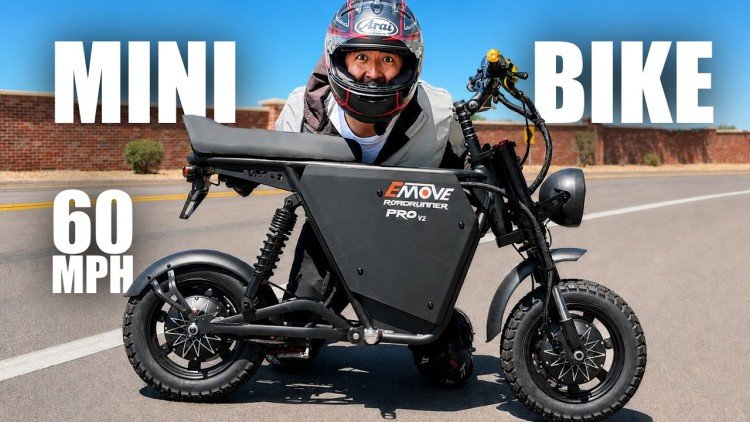
Standing for a 20 or 30 minute ride sounds trivial until you've actually done it on rough pavement, and it adds up fast. Seated scooters exist to solve exactly that problem, and the good ones aren't just a standing scooter with a saddle bolted on top. A purpose-built seated scooter is designed around sitting from the ground up: a lower center of gravity and a longer wheelbase for real stability, plus handlebars, deck space, and suspension tuned for a seated riding posture rather than adapted from a standing one.
That last part matters more than people expect. When you stand on a scooter, your legs do a lot of quiet work absorbing bumps before they ever reach you. Sit down, and that job shifts entirely to the scooter's suspension, so a seated scooter with weak suspension transmits every crack in the pavement straight into your back. It's why the better seated models tend to pair the seat with genuinely capable suspension rather than treating it as an afterthought.
This category tends to be the right fit for a few specific situations: long commutes where standing the whole way gets old, riders who deal with fatigue or balance issues and want the added stability, and anyone using a scooter as a real daily driver rather than a last-mile hop. It's also a common choice for delivery and gig work, where you're logging hours on the scooter rather than minutes. If comfort and stability matter more to you than shaving off pounds for portability, this is where to start looking.
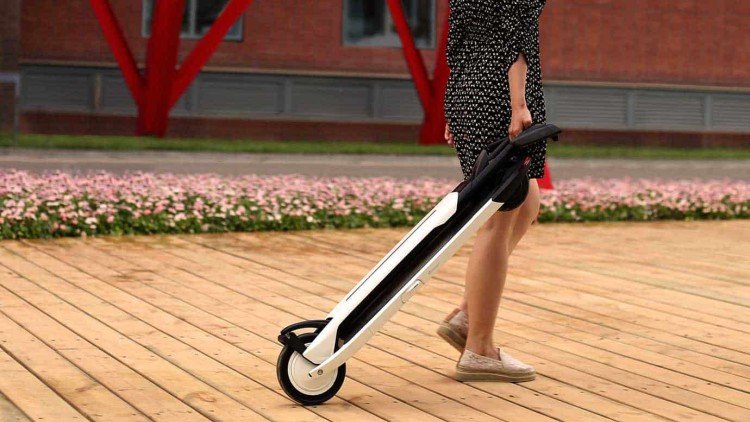
Not every commute is door to door. Plenty of riders carry their scooter up a flight of stairs, onto a bus or train, or through a lobby before they ever get to ride it, and that's a completely different demand than the scooter itself performing well once you're moving. Our Lightweight category is built around exactly that: scooters light enough that carrying them isn't the hard part of your day.
The line we drew is under 30 lbs, and it's not arbitrary. That's the weight buying guides consistently point to as comfortable to lift one-handed, whether that's up a stairwell, onto a train, or into a car trunk. It also happens to be where the market's genuinely lightest scooters cluster, several well-regarded models land in the 26 to 29 lb range. For contrast, popular commuter scooters that aren't built around portability often run 40 lbs or more, which is a real difference when you're the one carrying it rather than riding it.
A quick note on tradeoffs: lighter usually means a smaller battery and a lighter-duty frame, since weight has to come from somewhere. That's a completely reasonable trade if your priority is a scooter you can actually lift without dreading it, but it's worth knowing you're likely giving up some range and top-end power compared to a heavier commuter model. If range matters just as much as portability to you, look for a lightweight pick with a removable battery, it's one of the few ways to keep the scooter itself light while still carrying extra range separately.
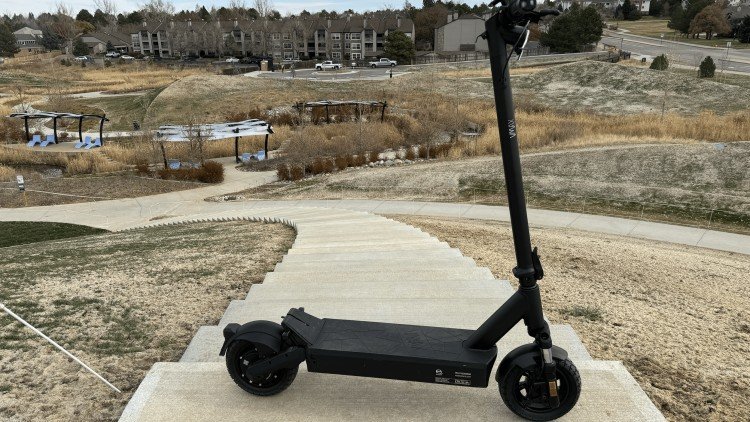
Top speed gets more attention than almost any other spec in this industry, and for a new rider, it's honestly the wrong thing to obsess over. What actually determines whether your first weeks on a scooter go smoothly is braking quality, how stable the ride feels at low speed, and whether the thing is built well enough to trust. None of that shows up as a single clean number you can filter by. Top speed does, and it also happens to be the spec that most closely tracks how much a mistake is going to cost you while you're still learning. That's why we built this category around it: not because a faster scooter is a worse scooter, but because a 30+ mph scooter demands reflexes and judgment that take time to build, and that's not a fair ask on day one.
Our Beginner-Friendly category caps out at a top speed of 25 mph. That ceiling isn't arbitrary. It's the range buying guides consistently point to for first-time riders, fast enough to feel useful in commuting and to keep pace with city traffic and bike lanes, slow enough that a wobble or a bad reaction at speed doesn't turn into a real injury. Scooters above 30 mph are a different category entirely, closer to motorcycle territory in the reflexes they demand, regardless of how any given listing chooses to market them.
One thing worth knowing as you shop within this range: most new riders don't actually ride at their scooter's top speed for the first several months anyway, so buying at the low end of this bracket rarely feels limiting in practice. What matters more day to day is a scooter with dependable brakes and a stable, predictable feel, and if a listing calls those out explicitly, that's worth more than an extra 5 mph on the spec sheet.
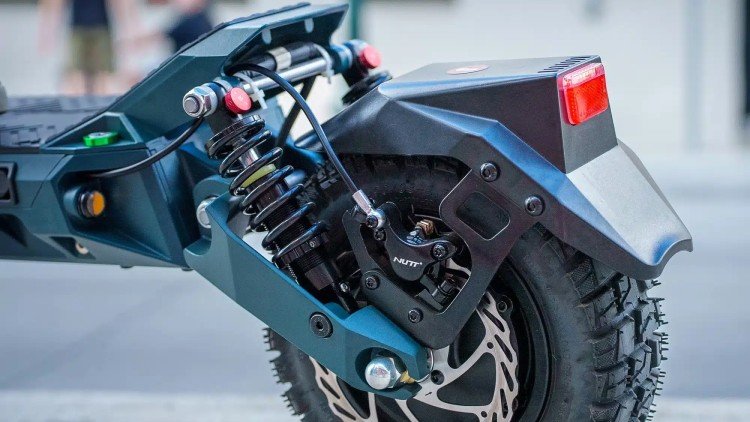
Delivering food or packages on a scooter puts real demands on a machine that a typical commute never will: hours of continuous riding, constant stop-and-go, the added weight of bags or an insulated box, and a schedule where downtime for charging or repairs costs actual money. Our Delivery Ready category is built around the two specs that matter most for that kind of work: somewhere to actually carry things, and a battery that won't leave you stranded mid-shift.
Cargo capacity is the more obvious of the two. A scooter built for delivery has some dedicated way to haul gear, whether that's a rear rack, a mounting point for an insulated delivery bag, or built-in storage, rather than just a bare deck with nowhere to put anything. It's a simple distinction, but it separates scooters actually designed for this work from ones that technically could carry a backpack if you strapped it on yourself.
Range is the primary filter here. Every delivery-focused buying guide we found lands in the same neighborhood: a genuine minimum of 30 miles once you account for cargo weight, traffic, and a full shift rather than a light joyride. That's a real bar, not a marketing number, since it has to hold up under the exact conditions gig work creates: stopping and starting at every order, carrying extra weight the whole time, and running for hours rather than minutes. A scooter that clears 30 miles even at its stated minimum is one you can actually build a shift around instead of watching the battery percentage all day.
One last thing is that weight capacity matters too, since you're adding food, bags, and gear on top of your own body weight, and a sturdy build that can handle daily stop-and-go wear will save you more in the long run than a few extra dollars saved upfront.
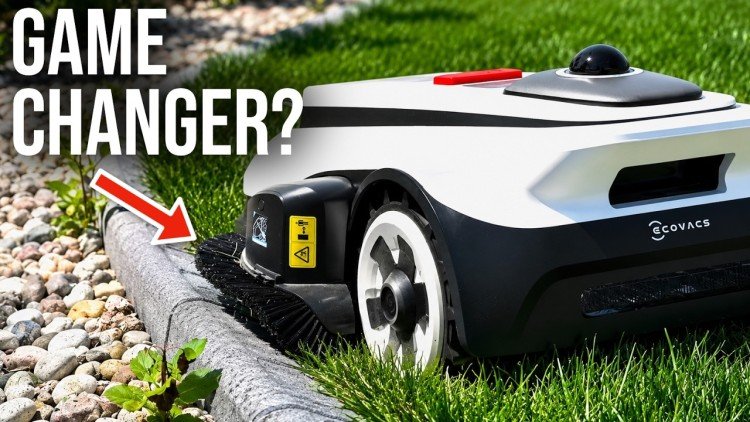
Not every yard with a slope needs a specialist mower, but past a certain grade, standard models stop cutting cleanly and start slipping. Most entry-level robotic mowers top out around 20 to 25 percent grade, fine for a gentle roll in the lawn. Once a section climbs past 35 percent, that's roughly a rise of one foot for every three feet of ground, wheels lose grip, cuts turn uneven, and cheaper mowers can stall out partway up.
What separates a hill capable mower from a basic one comes down to drive and traction. All-wheel drive matters here more than almost any other spec, since it puts power to all four wheels instead of two and keeps the machine from spinning out on wet grass. Tilt sensors and reinforced traction systems tend to come standard at this tier too, both there to stop the blades if the mower tips beyond a safe angle. None of this comes cheap. Slope-rated mowers run heavier and pricier than their flat-yard counterparts, and the tradeoff is worth it only if the terrain actually demands it.
The entry point for this category sits right around 35 percent grade, roughly a rise of one foot for every three feet of ground. The most capable hillside specialists push much further, up to 80 percent, for genuinely mountainous terrain, though that kind of capability comes at a real premium in both price and weight.
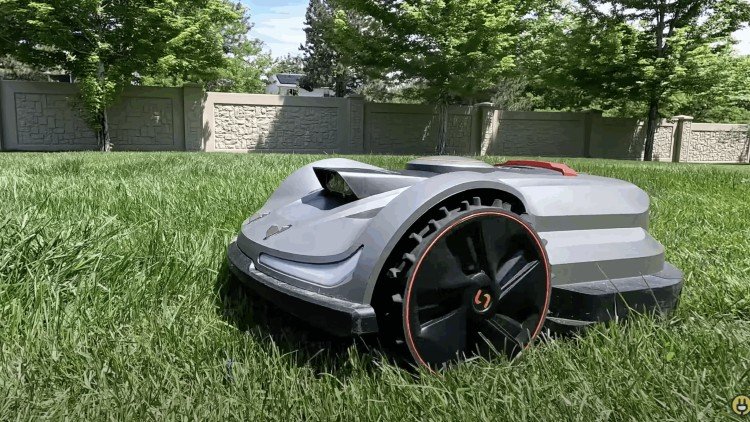
While most modern robotic mowers are built to be "weatherproof," there is a significant difference between a machine that can survive a downpour and one that is smart enough to avoid it. Our Rain Sensor category features mowers designed to prioritize the health of your turf and the cleanliness of your machine by detecting precipitation in real time.
Why a Rain Sensor is Essential
A common misconception is that rain sensors exist to protect the mower’s electronics. In reality, almost all high-quality robotic mowers are IP-rated for outdoor exposure. The sensor is actually there to protect your lawn.
The Benefits of Staying Dry
- Prevents Turf Damage: Wet soil is soft. When a 30lb robot maneuvers on a saturated lawn, its wheels can easily lose traction, spinning in place and "burning" the turf or leaving deep, unsightly ruts.
- Cleaner Cuts: Cutting wet grass is like cutting wet paper; it tends to tear rather than slice. Mowers with rain sensors wait for a clean, dry "snap" to the blade of grass, resulting in a healthier, more professional-looking finish.
- Reduces Maintenance: Wet grass clippings are heavy and sticky. They clump together and coat the underside of the mower deck (the "clogging" effect). This forces you to manually scrape out the deck far more often to maintain cutting efficiency.
-medium.jpg)
RTK stands for Real-Time Kinematic, and it's the technology behind the biggest leap wire-free mowers have made past basic GPS. Standard GPS can put a mower's position within a few meters, fine for general location, useless for a precise mowing boundary. RTK corrects that down to centimeter-level accuracy by comparing the mower's satellite signal against a fixed reference point, which is what makes it possible to set a virtual lawn boundary with a phone app instead of burying a wire around the whole yard.
The technology has moved fast in the past couple of years. Early RTK systems needed a physical base station antenna installed somewhere on the property, tied to that one mower by radio signal. Network RTK, often shown as NRTK, pulls the same correction data over a cellular or WiFi connection instead, skipping the antenna setup entirely and making installation close to plug-and-play.
Some weak points exist. RTK depends on a reasonably clear view of the sky, so dense tree cover or a home close to tall buildings can degrade the signal, which is why a lot of RTK-based mowers pair it with a secondary system, cameras or LiDAR, to keep navigating through the dead zones until the signal clears. It also tends to sit at a higher price point than basic boundary-wire or vision-only models, a fair tradeoff for most buyers given what it replaces: no trenching, no wire, and boundaries you can redraw from your phone in minutes.
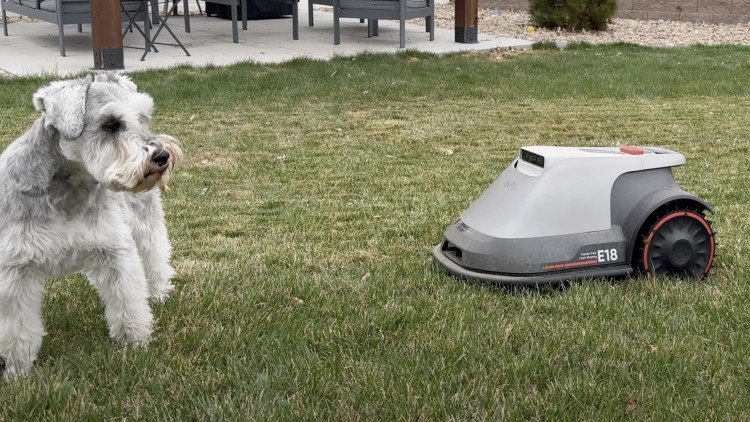
Sixty decibels is about the volume of a normal conversation, and it's also the rough line where robotic mowers stop registering as a neighborhood nuisance. Compare that to a gas mower, which can run anywhere from 85 dB up past 100, and it's easy to see why robotic models have become the default recommendation for anyone whose lawn shares a fence line with someone else's bedroom window.
Distance does a lot of the work here too. Sound drops by roughly 6 dB every time you double the distance from the source, so a mower reading 60 dB right next to it might only register in the mid-50s ten feet further out. That matters for HOA compliance specifically, since covenants that restrict outdoor equipment noise or set quiet hours are usually measured at the property line, not right on top of the machine. A mower that's borderline loud parked at the fence can be a non-issue in the middle of a larger lot.
None of this replaces good scheduling habits. Even the quietest mower can trigger a complaint if it's running during posted quiet hours, so pairing a low-noise model with a mowing schedule that respects those windows is still worth doing. But starting with a mower that's already built to stay under that 60 dB line takes most of the guesswork out of staying on good terms with an HOA board.
-medium.jpg)
Lawn mowers rank as the second most commonly stolen piece of outdoor equipment in the US, and once one is gone, recovery rates are grim, hovering around 7 percent industry-wide. That's the backdrop that makes GPS tracking worth paying attention to rather than treating as a nice-to-have.
The feature itself is straightforward: if the mower leaves its mapped boundary, the app sends an alert and reports its real-time location, turning a stolen machine from a total loss into something that's at least traceable. Most implementations pair this with geofencing, so the alert triggers the moment the mower crosses a line you've set, not after it's already blocks away. On its own, though, GPS won't stop a theft in progress. It works best stacked with the other layers, a PIN lock that disables the mower the instant it's lifted, and an audible alarm that draws attention before someone gets it off the property at all.
Higher price tags are to be expected in this category. GPS-equipped models sit higher up the price ladder than base units, and the feature is only as good as whether it's actually turned on. A mower with GPS tracking sitting disabled in a settings menu protects nothing. For anyone mowing in a neighborhood with any theft history, or leaving a mower unattended in a visible front yard, it's a feature worth prioritizing rather than assuming comes standard.

While a standard robotic mower is perfect for a flat, suburban rectangle, many yards feature steep hills, slippery slopes, and rough terrain (like exposed tree roots and ruts or holes). This category is dedicated to the heavy-duty machines designed to handle the landscapes where others get stuck.
What is an AWD Robotic Mower?
Just like an SUV, an AWD robotic mower delivers power to all wheels simultaneously. Most standard robot mowers are Rear-Wheel Drive (RWD), which can lose traction on an incline as the weight shifts, or Front-Wheel Drive (FWD), which can struggle to "pull" the unit up a hill.
AWD models use independent motors or a sophisticated drivetrain to ensure that even if two wheels lose grip in a damp patch or a dip, the other two keep the mower moving.
The primary reason to choose an AWD model is grade capability.
- Standard Mowers: Typically handle slopes up to 20° (approx. 35% grade).
- AWD Mowers: Can often conquer inclines of 38° to 45° (80% to 100% grade).
If your backyard looks more like a ski slope than a soccer pitch, AWD isn't just a luxury—it’s a requirement to prevent the mower from sliding or triggering "trapped" alerts.
-medium.jpg)
Coverage claims matter significantly more once a lawn crosses the one-acre mark. A mower built for a small suburban lot might finish in a single charge cycle; on a full acre or more, that same class of machine could need several recharge stops just to complete one pass, stretching a single mow across days instead of hours. This is the tier where battery capacity, cutting width, and multi-zone mapping stop being nice-to-haves and start being the whole point.
Real-world coverage tends to run a bit behind the spec sheet, too. Slopes, dense trees, narrow passages, and fast grass growth all eat into a mower's effective range, so a machine rated for exactly your yard size may end up straining to keep up. It's worth sizing up rather than cutting it close, since a bit of extra headroom above your actual acreage keeps the mower from overworking itself trying to finish every session.
Models in this range, like Mammotion's YUKA 3000 or Husqvarna's 420iQ, are built specifically around the one-acre-plus segment, with the navigation and battery life to match. For properties pushing well past that, closer to three or more acres, it's worth stepping up further into genuinely commercial-grade equipment rather than stretching a residential model past its comfort zone.
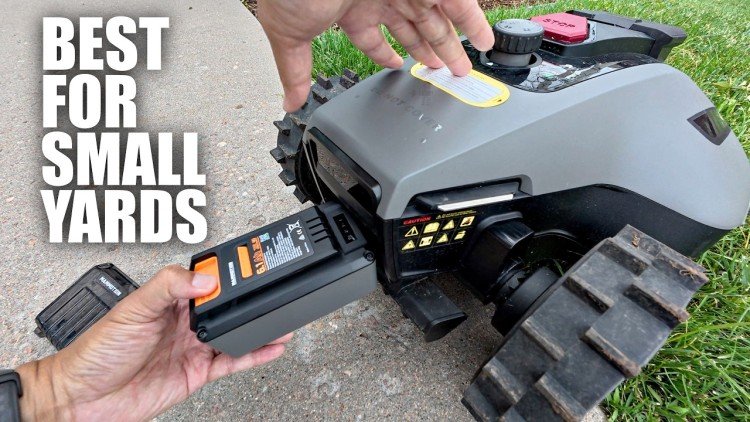
A tenth-of-an-acre postage-stamp lawn doesn't need the same robot as a sprawling half-acre yard, and the market has sorted itself accordingly. Quarter acre, about 10,890 square feet, has become the de facto ceiling for the smallest, most affordable robotic mowers, the tier where compact units built for tight, simple layouts live before specs jump up to handle bigger, more complex terrain.
These smaller mowers trade some things away for their lower price and easier setup. Battery capacity tends to be modest, cutting width narrower, and navigation is often a simpler wire-guided or basic vision system rather than the RTK or LiDAR precision found on pricier machines built for sprawling or obstacle-heavy properties. For a genuinely small, straightforward yard that's rarely a real downside. But a compact quarter-acre mower squeezed onto a lawn full of garden beds, a patio, and tight side passages will struggle more than its spec sheet suggests, since navigation quality can matter as much as raw coverage capacity on a tricky small lot.
If your yard is simple and under a quarter acre, this category is built around exactly that segment: mowers sized, priced, and equipped for compact, uncomplicated lawns.
-medium.jpg)
Robotic mowers used to be a luxury purchase, with early models running several thousand dollars for even the most basic functionality. That's changed fast. A genuinely capable mower for a small or mid-sized yard is now available for under $1,000, and the drop in price hasn't come entirely at the expense of quality.
Mowers in this range tend to rely on a traditional boundary wire rather than wire-free GPS or vision-based navigation, which means a longer setup process and less flexibility if you want to reshape your mowing zones later. Coverage capacity stays modest too, this tier is built for smaller, simpler yards rather than sprawling or heavily obstacled ones, and slope handling is usually limited to gentle grades. None of that makes these "lesser" mowers so much as mowers built for a specific, common kind of yard: flat, modest in size, and without much complexity to navigate.
We set the line at $1,000 because that's where the market itself splits. Below it, you're firmly in entry-level territory. Above it, prices climb quickly toward mid-range machines with wire-free setup and noticeably better navigation. If your yard is small and straightforward, there's little reason to pay for capability you won't use.
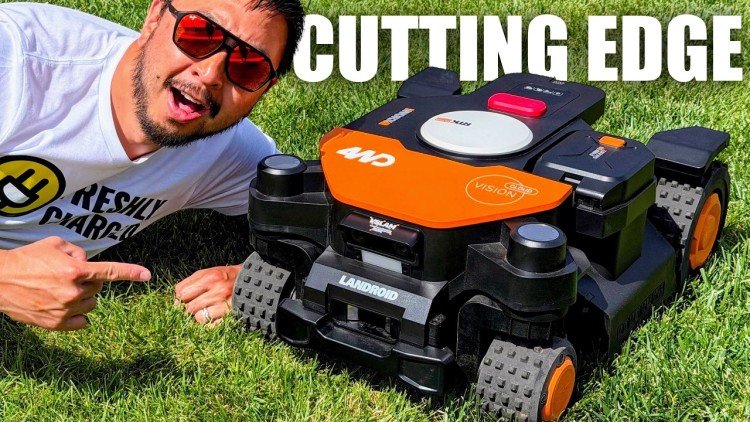
Most robotic mowers handle a slightly-too-big yard the same way: they dock, recharge, and pick back up later, no human required. A removable battery changes the math on that. Because the pack pulls out without tools, you can keep a second one charged and ready, swap it in the moment the first runs low, and finish the job in one sitting instead of waiting out a multi-hour recharge cycle.
That's a real advantage, but it's worth being clear about what it does and doesn't solve. Swapping in a spare battery doesn't turn a mower rated for a quarter acre into one that can handle a full acre, the cutting deck, motor, and navigation system are still built around that smaller footprint. What it does well is stretch a mower a bit past its rated area, or compress a long mowing session into less total time, without stepping up to a pricier, larger-capacity machine.
There's an upkeep side to a swappable design too. A tool-free removable battery is also easy to pull for winter storage, keeping the pack somewhere temperature-controlled rather than sitting in a cold garage or an outdoor dock all season, which tends to be easier on long-term battery health regardless of yard size.
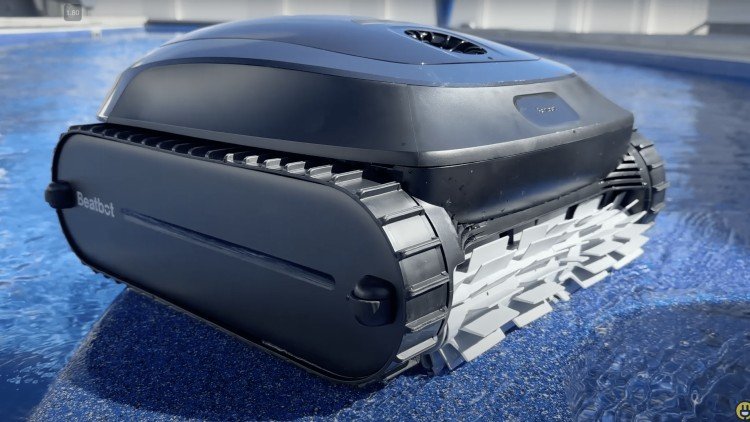
Algae and grime don't stay confined to the pool floor. Walls collect just as much buildup, especially in shadier corners or spots with less water circulation, and a cleaner that only ever scrubs the bottom leaves that half of the job to you. Wall-climbing models solve this by using the same motor and impeller that drives their suction to create enough negative pressure to grip a vertical surface, essentially climbing the wall the same way they'd cross the floor.
It's worth being precise about what "wall climbing" actually promises, since it gets confused with a related but different feature. Wall climbing generally means the cleaner can reach the mid and lower sections of the wall. It doesn't necessarily mean it scrubs the waterline itself, that thin band right at the surface where the pool accumulates the most stubborn scum. Getting all the way up to that line and cleaning it horizontally is a separate, more advanced capability, and a cleaner can legitimately climb walls well without ever touching it.
Budget, floor-only cleaners skip this feature entirely, which keeps costs down but shifts wall maintenance back onto a hand brush and pool chemicals working overtime to compensate. For anyone tired of scrubbing walls manually, or running a pool with a lot of shaded or low-circulation area, wall climbing turns that from a weekly chore into something the robot just handles on its own.
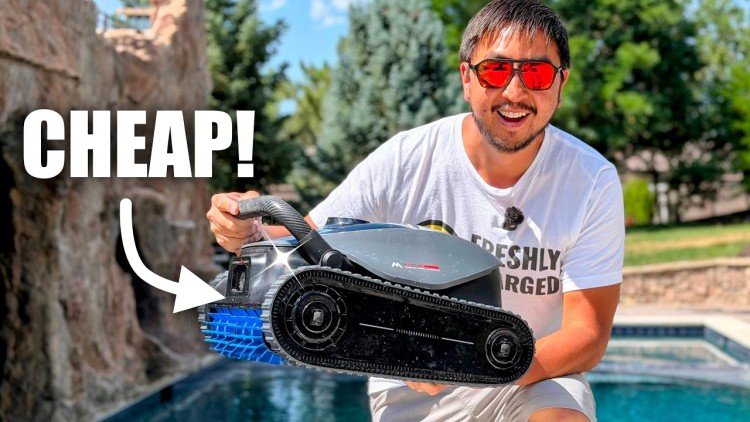
A pool can look perfectly clear and still have the dirtiest part of the whole thing sitting in plain sight. That thin ring right at the waterline is where sunscreen, body oils, lotion, and dead skin all end up, not because anyone's pool is unusually dirty, but because those substances float, and surface tension drags them sideways until they hit the tile and stick. Evaporation makes it worse over time, concentrating that residue into the sticky film most pool owners know as a scum line.
It's more than a cosmetic nuisance, too. Left alone, that buildup becomes a place for bacteria to take hold, shielded from the sanitizing chemicals working everywhere else in the pool. This is the specific job waterline cleaning is built for, going up to that surface line and scrubbing it horizontally rather than just brushing past on the way up a wall. That's a meaningfully different task than general wall climbing, and worth checking for separately, since a cleaner can handle walls well without ever actually reaching or scrubbing the line itself.
However, not everything that looks like scum actually is. A greasy, sticky film is scum, and this is exactly what a waterline-cleaning robot is designed to handle. A rough, chalky white deposit is usually calcium scale instead, a mineral buildup tied to water chemistry rather than organic residue, and no robot brush is going to fix that on its own.
Picture a cordless pool cleaner finishing its job, or worse, running out of battery, somewhere in the middle of an eight-foot-deep pool. Without some way to signal it's done and get itself back to an accessible spot, that's a dive or a long session fishing around with a pole. Auto park and return exists specifically to prevent that scenario, using onboard sensors to detect a low battery or a completed cleaning cycle and then navigating itself to the nearest wall or up to the surface rather than just stopping wherever it happens to be.
This is really a cordless-specific problem. A corded cleaner stays tethered the whole time, so pulling it out is never really in question, it's always reachable by the cable. Once you cut the cord, though, the cleaner can end up anywhere in the pool, and retrieval becomes a real design problem manufacturers have to solve rather than something that just works by default.
A few premium versions push this further. Beyond just parking within reach, some models actively drain water out of their own body once they surface, shedding weight before you lift them out, which makes a real difference on larger units that would otherwise be an awkward, soaked, two-handed pull. Paired with a floating hook or an included caddy, the whole retrieval process ends up closer to a quick grab-and-store than actual pool maintenance.
-medium.jpg)
The under-$500 pool cleaner market is a mixed bag. For every solid option, there's a handful of overhyped, thin-plastic units that barely move debris and end up spending more time being fished out of the deep end than actually cleaning. That's not a reason to skip this price range, it's just a reason to look past the marketing photos and check what a given model actually does.
Interestingly, cordless isn't automatically the better buy down here. A well-built corded cleaner in this range can outlast a cordless one by years, corded units commonly run 5 to 7+ years with basic upkeep, while budget cordless models tend to last closer to 1 to 3 years as the battery gradually loses capacity. Cordless still wins on convenience, no cable to manage, no fixed pump connection, but it's worth knowing that tradeoff exists rather than assuming cordless means better across the board.
One spec worth double-checking regardless of price: wall climbing claims aren't all created equal. Some budget models market "wall climbing" but really only handle a gentle slope, not the kind of full vertical climb that gets a cleaner up to the waterline. If wall or waterline performance actually matters for your pool, it's worth reading past the headline claim on the box.
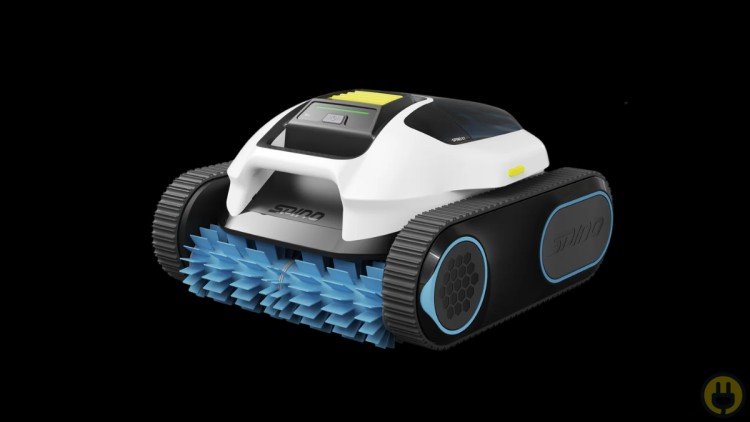
Reaching the bottom of a deep pool and actually cleaning it are two different problems. Debris sitting eight or nine feet down has more water pressure pushing against it, so a robot with a weak motor might physically get down there and still fail to lift settled sand and dirt off the floor. The suction has to scale with the depth, not just the navigation.
Depth transitions add a second challenge on top of that. Most deep pools aren't a uniform depth throughout, they slope from a shallow end down to a deep end, and that slope can confuse a robot that relies on basic random-pattern navigation. Better systems plan their route around the pool's actual contours, so the transition between shallow and deep doesn't cause missed sections or a robot that loses its bearings partway down.
Another consideration for pool above average in depth are cordless models and those that have an auto park function. Retrieving a cordless cleaner from a shallow pool is a minor inconvenience; doing it from eight-plus feet down is a real chore, and battery life that's already tight can end a session before the deep end even gets covered. None of this replaces the other basics, either, a robot built for real depth still needs solid wall and waterline coverage, depth alone doesn't make a pool clean if the robot skips everything above the floor.
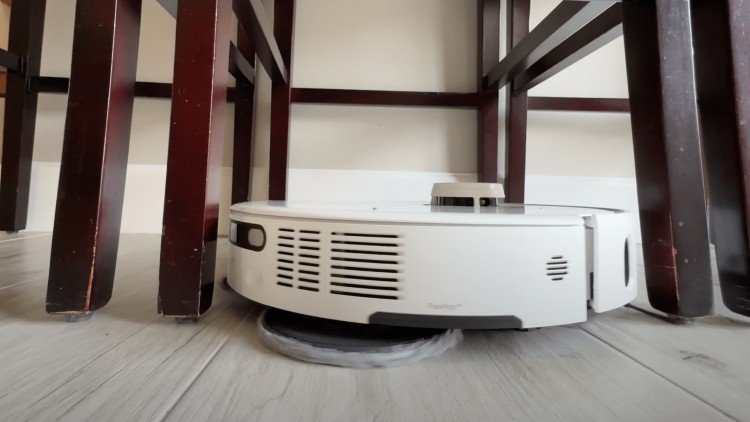
No robot vacuum climbs stairs on its own, so multi-floor mapping isn't about that. It's about what happens once you carry it there yourself. Without this feature, a vacuum treats every level like new territory, remapping the whole space from scratch each time. With it, the vacuum stores a separate saved floor plan for each level and automatically figures out which one it's on, usually by scanning the room and comparing it against its saved maps, a process that takes anywhere from a few seconds to about a minute depending on the model.
Each saved map holds its own room divisions, no-go zones, and cleaning schedule, so the boundaries you set on the main floor stay put on the main floor and don't carry over to the basement. Most current models store around three to four floor plans, plenty for a typical two or three-story home with room to spare, though a few premium options support far more for larger or more oddly configured houses.
A lot of budget robot vacuums only save one or two maps, which quietly limits them to single-floor use even when they're otherwise marketed as smart. If a multi-level home is the whole reason you're shopping, it's worth confirming the actual map count rather than assuming "smart mapping" automatically means multi-floor support.
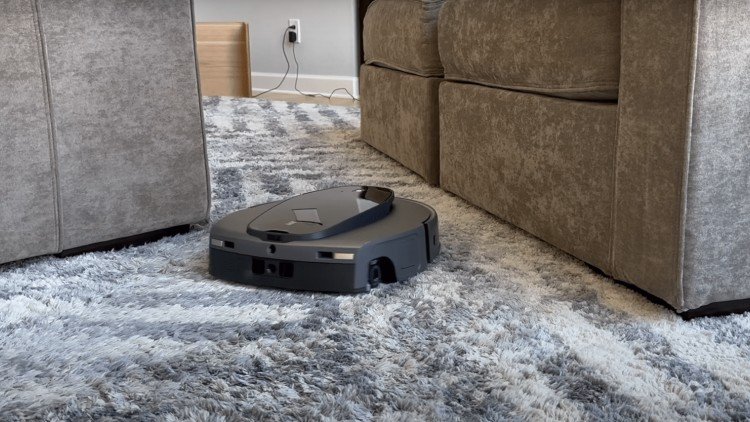
Push a finger into thick carpet pile and you'll feel it: dust and pet hair don't sit on top the way they do on hardwood, they work their way down into the fibers. Pulling that stuff back out takes real air pressure, measured in Pascals, or Pa, on most robot vacuum spec sheets. Below a certain point, a robot just skims the surface and leaves the deep-down debris exactly where it was.
Eight thousand Pa is where change becomes apparent. It's the line several current flagship models sit right at, and it's also the number that shows up most often when guides talk specifically about carpet depth cleaning and pet hair rather than general everyday suction. Below that, plenty of robots do a fine job on hard floors and light carpet, but they start to struggle once the pile gets thicker or the debris has had time to settle in.
Raw suction numbers only tell part of the story. A vacuum can advertise a huge Pa figure and still underperform if the airflow path from the intake to the dustbin is poorly designed, full of sharp turns that bleed off pressure before it ever reaches the floor. Suction also does nothing on its own without a brushroll built to agitate carpet fibers, not just glide over them. High Pa is the right starting filter for this category, but it works best paired with carpet-boost detection and a brush actually designed for the job, not as a number to chase in isolation.
If the goal of a robot vacuum is to automate your chores, self-emptying technology is the feature that finally makes "set it and forget it" a reality.
In this category, we review robots equipped with specialized docking stations that automatically suck debris out of the vacuum’s internal bin and into a much larger storage bag or canister.
Why Self-Emptying is a Game-Changer
The standard onboard dustbin of a robot vacuum is tiny—usually between $300mL$ and $500mL$. In a home with pets or high traffic, that bin can fill up in a single cleaning session, forcing you to manually intervene daily.
The Self-Empty Advantage:
- Weeks of Autonomy: Most modern docking stations can hold between 30 to 60 days worth of dust and hair before you need to touch the base.
- Ideal for Pet Owners: If you have shedding pets, a standard robot might stop mid-clean because it's full. Self-emptying models can return to the base, empty themselves, and resume cleaning without your help.
- Better for Allergies: Most self-emptying bases use sealed HEPA bags. This means when the robot empties, dust isn't puffed back into the air, and when you finally "empty" the vacuum, you're just tossing a sealed bag into the trash.
How It Works: The "Whoosh" Factor
When the robot finishes its job and docks, a high-powered motor in the base station activates. For about 10–15 seconds, it creates a powerful vacuum seal to pull debris from the robot’s bin.
Expert Note: This process is loud. It sounds like a full-sized upright vacuum running for a few seconds. If you have a light sleeper or a skittish pet, we recommend scheduling the "empty" cycle for times when the house is active.

Pet hair and a standard bristle brush are a bad combination. Long strands weave between the bristles as the roller spins, tightening with every rotation until it's a solid cord that has to be cut out by hand. Anti-tangle brush designs exist specifically to break that cycle, though they go about it in two different ways.
Some models build a small cutting comb into the brush housing, so hair gets sliced apart as it wraps rather than accumulating into a mat. Others skip bristles entirely in favor of dual rubber rollers shaped to funnel hair sideways, straight into the suction path, so it never gets the chance to wrap around anything. Of the two, the rubber roller approach has generally proven the more reliable fix. Cutting mechanisms genuinely help, but hair still tends to build up near the roller ends over time, while the funnel-style rubber design keeps maintenance closer to occasional rather than routine.
Neither is completely maintenance-free, to be fair. Even the best anti-tangle systems can accumulate a bit of hair near the bearings after heavy use, so "anti-tangle" is more accurately "tangle-resistant." Still, the difference between either version and a plain bristle roller is significant enough that it's worth prioritizing over almost any other spec if pet hair is the main thing you're fighting.
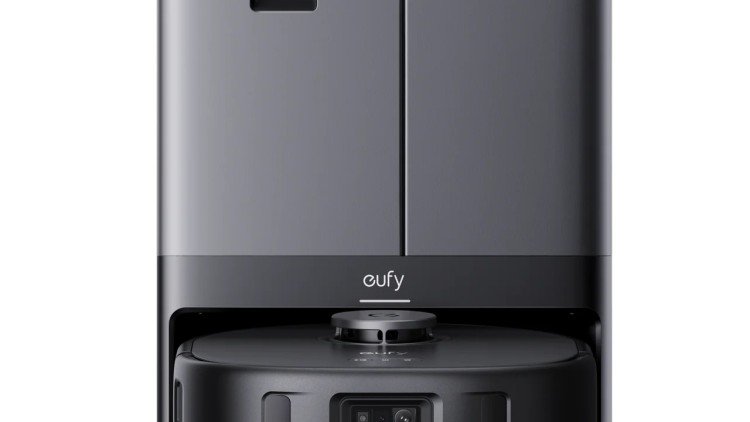
Not all mopping systems on these combo units do the same amount of work. The simplest just drag a damp pad behind the robot, which is fine for a light dust layer but does little against anything stuck to the floor. Step up and you'll find vibrating or oscillating pads that scrub thousands of times a minute, and above that, spinning dual pads or a continuously wet roller that applies real downward pressure, closer to how a person actually mops than a cloth being pulled across tile. Each step up this ladder tends to roughly double the price, but it's also where mopping stops being a gimmick and starts being genuinely useful.
Carpet is where these systems either earn their keep or become a liability. A wet pad dragged across a rug leaves it damp and can grind dirt in rather than lift it out, so automatic carpet detection with pad lifting matters more than almost any other spec here. Better units sense the carpet and raise the pad a few millimeters before rolling over it; premium versions detach the pad at the dock entirely and switch to vacuum-only mode. Skip this feature on a home with any carpet at all and you're stuck manually restricting where the mop is allowed to run, which undercuts the whole hands-free point of owning one.
A combo robot handles the maintenance layer well, the daily dust and light spills that would otherwise pile up between real cleanings. Dried stains, sticky spots, and anything that's been sitting for a while still call for someone to get down and mop it by hand occasionally. Think of it as raising the baseline, not replacing a deep clean.
As home automation moves toward greater precision, Light Detection and Ranging (LiDAR) has become the gold standard for high-end floor care.
What is LiDAR Navigation?
LiDAR works by emitting thousands of invisible laser pulses per second from a rotating sensor—often housed in a small "turret" or puck on top of the vacuum. By measuring how long it takes for these pulses to bounce off walls and furniture, the robot creates a high-definition, millimeter-accurate 360° map of your home.
Why It Matters
- True Systematic Cleaning: Unlike "bump and turn" models, LiDAR vacuums know exactly where they are. They clean in efficient, straight-line paths, ensuring every inch of floor is covered without redundant passes.
- Total Darkness Operation: Because LiDAR uses its own light source (lasers), these vacuums can navigate perfectly in pitch-black rooms—something camera-based models struggle to do.
- Instant Mapping: Most LiDAR robots can map an entire floor of your home in minutes, often before they even begin their first cleaning cycle.
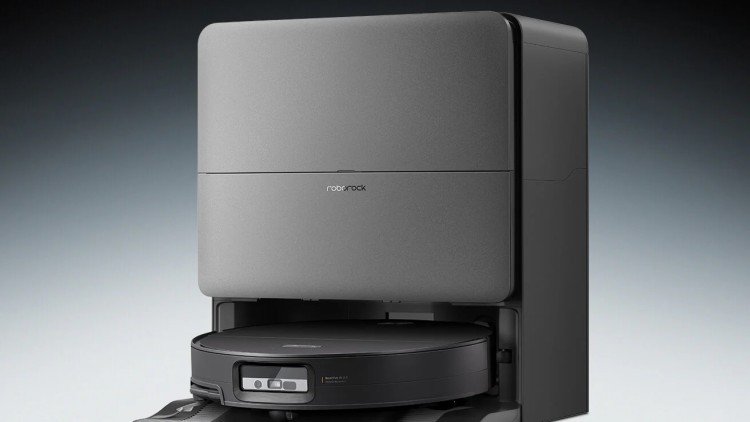
Here's the gap most spec sheets don't make obvious: a standard robot vacuum climbs using nothing but wheel torque, and that tops out around 15 to 20mm, enough for a typical doorway strip or a low rug edge, and not much more. Anything taller than that, a raised door saddle, a sunken living room, a thicker carpet transition, and a wheel-torque-only robot either stalls out or gets high-centered with its wheels spinning in the air.
Getting past that ceiling takes an actual mechanical shift, not just a stronger motor. Vacuums built for this category use an active lifting chassis, the body physically raises itself when it senses an obstacle, giving the wheels the clearance they need to roll over rather than ram into the lip. It's a meaningfully different piece of engineering than a passive wheel design, and it shows in the price.
That said, climbing height specs are usually measured under close to ideal conditions, straight-on approach, a clean beveled edge, and real-world performance can lag the number on the box, especially on sharp 90-degree metal thresholds that trip up the robot's obstacle sensors rather than its motor. Approach angle matters almost as much as the raw height rating, so a robot that handles a threshold dead-on might still struggle with the same threshold approached diagonally.
-medium.jpg)
Two years ago, $300 barely got you a vacuum that bumped around a room at random. Thanks to a plethora of advancements in the robotics market, that has changed. LiDAR mapping, real room-by-room navigation, and suction numbers that would've been mid-range not long ago have all moved down into this price tier, closing a gap that used to be a lot wider between "budget" and "actually good."
What's still missing at this price is mostly the convenience layer rather than core cleaning ability. Self-emptying docks, automatic mop-pad lifting for carpet, and camera-based AI obstacle recognition tend to show up once you cross into the $300–600 range, not below it. A sub-$300 vacuum will clean a floor competently; it just asks a little more of you in return, emptying the bin yourself, keeping an eye on mixed flooring, maybe picking up the occasional stray cable it didn't see coming.
For a smaller home or a first robot vacuum, that tradeoff barely registers. The core job, mapping a space and cleaning it on a schedule without being told to, is well covered under $300 now. It's really only once pets, thick carpet, or a bigger than average large floor plan enter the picture that the missing features start to matter.